
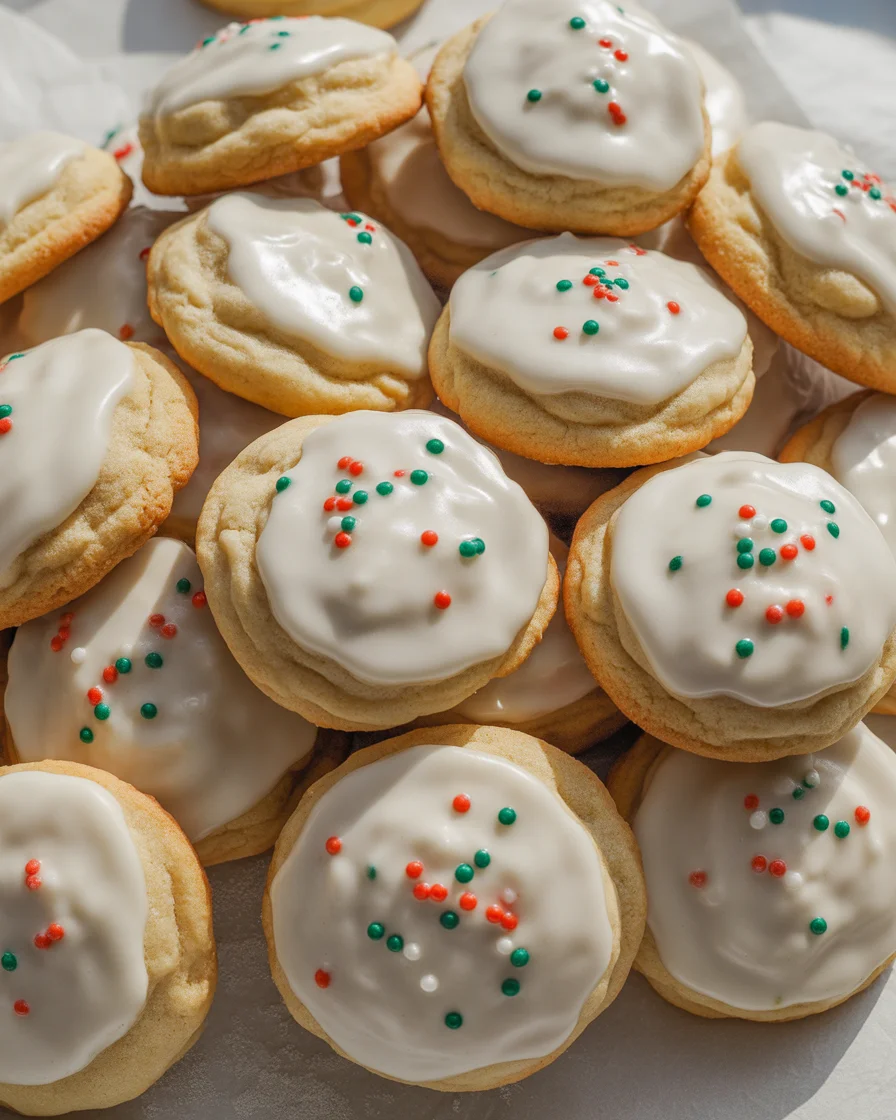
There’s something especially inviting about a Christmas cookie platter filled with different shapes, colors, and textures. Italian Christmas cookies are wonderful for this because they aren’t limited to one type of dough or decoration. You might find soft lemon-glazed cookies covered in colorful sprinkles sitting beside crisp pizzelle, delicate almond cookies, and little pastries filled with figs and nuts.
What makes these cookies so appealing is how much variety you can bring to the holiday table without making every dessert overly complicated. Some are simple enough for a relaxed afternoon of baking, while others are worth saving for a weekend when you have more time.
If you’re planning your holiday baking, it helps to understand what makes each variety different. That way, you can choose cookies that taste good together, store well, and give everyone something they’ll enjoy.
What Are Italian Christmas Cookies?
Italian Christmas cookies are a collection of holiday sweets associated with different regions of Italy and Italian-American baking traditions. Unlike chocolate chip cookies or shortbread, the name doesn’t refer to one specific recipe. It covers everything from soft glazed cookies to crisp wafers, nut-based sweets, and pastries filled with dried fruit.
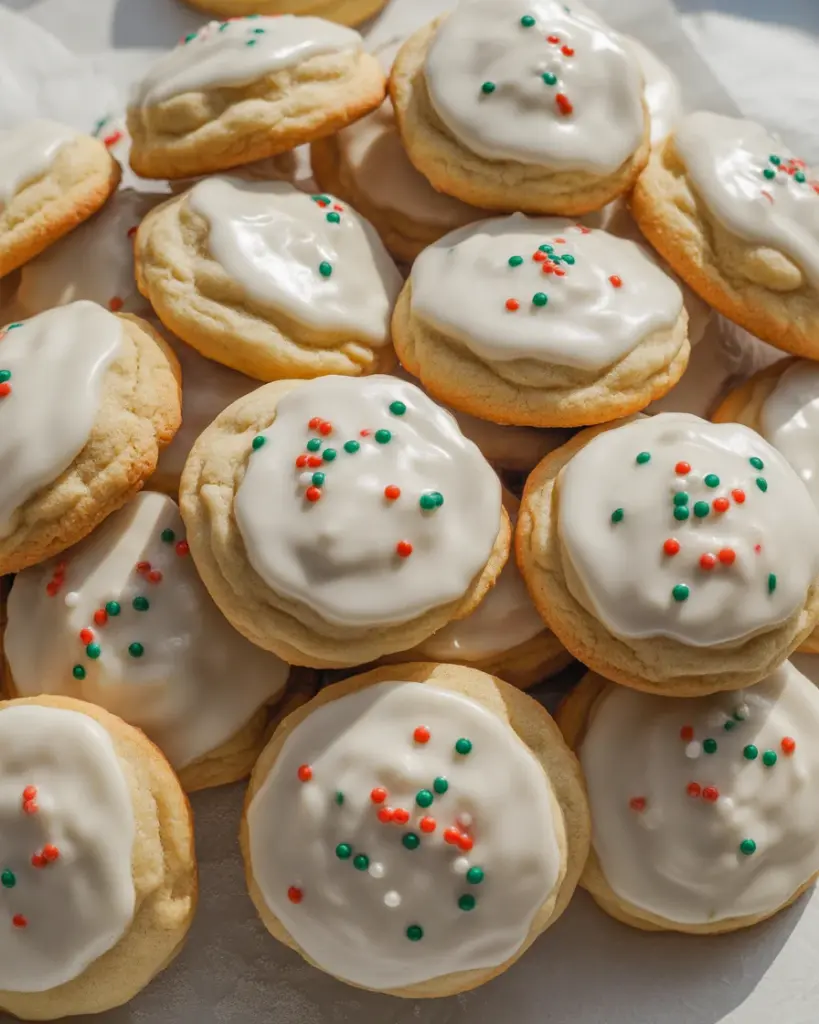
In many Italian-American households, the cookies people immediately recognize are small, tender, and covered with white icing and colorful nonpareils. They often have a mild vanilla, lemon, or anise flavor, depending on the family recipe. Their appearance is simple, but a platter of them looks wonderfully festive.
One thing worth knowing is that Italian holiday baking is strongly regional. A cookie that’s familiar in a Sicilian household may be completely different from something traditionally served in Naples or another part of Italy. That variety is what makes exploring these recipes interesting.
What Types of Cookies Are Traditional Italian Christmas Cookies?
If you’re putting together a traditional Italian Christmas cookie assortment, a few varieties are especially worth knowing.
Anginetti and Italian Sprinkle Cookies
Anginetti are commonly associated with small, soft cookies finished with a sweet glaze. Lemon is a popular flavor, although vanilla and other variations exist. The glaze adds sweetness while the colorful sprinkles give the cookies their recognizable holiday appearance.
Italian ricotta cookies are another soft favorite. Ricotta can contribute moisture and tenderness to the dough, producing a delicate texture that’s quite different from crisp butter cookies. They’re particularly appealing when you want something that stays soft rather than crunchy.
Cuccidati and Other Filled Cookies
Cuccidati are traditional Sicilian fig-filled cookies, often made with dried fruit, nuts, citrus, and spices. The filling has a rich, chewy texture, while the surrounding pastry provides a more structured bite.
These cookies take a different approach to sweetness. Instead of relying entirely on icing or sugar in the dough, much of their flavor comes from the fruit and nuts. They make a lovely contrast to simpler glazed cookies.
Pizzelle, Struffoli, and Nut Cookies
Pizzelle are thin Italian wafer cookies made in a patterned iron. They can be flavored with anise, vanilla, or lemon and are especially enjoyable when crisp. Because they’re delicate, they need different storage from soft glazed cookies.
Struffoli are small pieces of fried dough coated with honey and commonly decorated with sprinkles. They’re associated with Neapolitan Christmas celebrations and bring a completely different texture to the holiday table.
Almond cookies and powdered-sugar-coated nut cookies also appear in many Italian and Italian-American holiday assortments. They add richness and make the platter feel more varied.
What Is the Difference Between Cuccidati and Anginetti?
Cuccidati and anginetti may both appear on a Christmas dessert table, but they have very little in common beyond their association with Italian baking.
Cuccidati are filled pastries with a rich mixture of dried fruit, nuts, and aromatic ingredients. Their flavor tends to be deeper and more complex, with a chewy center and a pastry exterior. They’re especially good for people who enjoy fruit-filled desserts.
Anginetti are usually much lighter in flavor and softer in texture. Their appeal comes from a tender cookie and a sweet glaze, often with a bright citrus note. They don’t have the substantial filling found in cuccidati.
If you’re baking for a group, including both is a smart way to offer variety. One gives you a rich, fruit-filled treat, while the other provides a softer, simpler cookie that pairs nicely with coffee.
What Makes Italian Christmas Cookies So Special?
A large part of the appeal comes from the traditions surrounding them. In many families, Christmas cookies are prepared using recipes that have been shared and adjusted over generations. The shapes, decorations, and flavorings can become just as familiar as the holiday itself.
The ingredients also bring plenty of character. Lemon zest gives soft cookies a fresh aroma, almonds add a nutty richness, and anise provides a distinctive flavor that some people strongly associate with Italian baking. Fig fillings and honey bring yet another kind of sweetness.
What makes a mixed platter particularly enjoyable is that the cookies don’t all taste or feel the same. You can have something soft, something crisp, and something chewy without needing an elaborate dessert buffet.
They’re also naturally suited to sharing. Small cookies are easy to pack into gift boxes, arrange on serving trays, or offer with espresso after a holiday meal.
Tips for the Most Beautiful Italian Christmas Cookies Every Time
One of the easiest ways to improve your holiday cookies is to pay attention to dough texture rather than assuming every variety should behave the same way. Soft ricotta cookies may have a slightly sticky dough, while shortbread-style cookies need a firmer consistency to hold their shape. Adding extra flour simply because a dough feels unfamiliar can change the finished texture.
Keep cookie sizes reasonably consistent within each batch. Smaller cookies may dry out before larger ones finish baking, especially when you’re working with tender dough. Consistent portions also make the finished platter look more organized.
If your cookies have a glaze, let them cool properly before decorating. Icing applied to cookies that are still too warm may become thin and disappear into the surface. A properly cooled cookie gives you more control over the finish.
It’s also worth baking different varieties separately rather than trying to fit everything into one oven session. Crisp pizzelle, delicate almond cookies, and soft glazed cookies have different needs, so giving each one the right attention makes holiday baking less frustrating.
How to Decorate Italian Christmas Cookies Traditionally
For many Italian-American Christmas cookies, white glaze and colorful nonpareils are all the decoration you need. The look is cheerful without being complicated, and it works especially well with soft lemon or vanilla cookies.
Red, green, and white sprinkles are a natural choice for Christmas, but multicolored nonpareils are equally familiar. The tiny round sprinkles create a delicate finish that doesn’t overwhelm a small cookie.
Not every traditional cookie needs icing, though. Pizzelle already have a decorative pattern from the iron, while some almond cookies are finished with powdered sugar or a simple nut garnish. Cuccidati may have icing and sprinkles, depending on the family recipe.
A holiday platter often looks better when you allow those differences to show. Rather than decorating every cookie the same way, combine simple glazed cookies with naturally patterned and textured varieties.
Can You Make Italian Christmas Cookies Ahead of Time?
Yes, many Italian Christmas cookies can be prepared ahead, although the best timing depends on the variety. Crisp cookies, soft glazed cookies, and fruit-filled pastries don’t all maintain their texture in the same way.
Some cookie doughs can be refrigerated or frozen before baking, which is helpful when you’re preparing several recipes for the holidays. Others are better baked and stored once fully cooled. If your recipe uses ricotta, fresh dairy fillings, or another perishable ingredient, storage needs extra attention.
For a large cookie assortment, it makes sense to organize the work around texture. Sturdy cookies that store well can be prepared earlier, while delicate glazed cookies and moisture-sensitive varieties may be better closer to the holiday.
Decorating can also be handled separately when appropriate. This gives the cookies time to cool and helps prevent icing from sticking to packaging.
How to Store Italian Christmas Cookies
The best storage method depends on whether the cookies are soft, crisp, or filled. Crisp pizzelle need protection from humidity because moisture can quickly take away their delicate crunch. Soft glazed cookies need airtight storage to prevent them from drying out.
Avoid placing very moist cookies directly beside crisp varieties in the same container. Moisture can transfer between them, changing the texture of both. Separating different cookies is especially useful when preparing holiday gift boxes.
Glazed cookies should be completely set before stacking. If the icing remains soft, parchment between layers may help protect the decorations, although a single layer is safer for especially delicate finishes.
Cookies with perishable fillings or toppings may need refrigeration. For longer storage, freezing can work for some varieties, but the texture of icing and delicate cookies may change after thawing.
Frequently Asked Questions About Italian Christmas Cookies
Are Italian Christmas cookies supposed to be soft?
Some are, but not all. Anginetti and many ricotta cookies are known for their soft, tender texture, while pizzelle are traditionally crisp. Cuccidati have a more substantial pastry exterior and a chewy filling. The correct texture depends on the specific cookie you’re making.
Can I make Italian Christmas cookies without anise?
Yes. Anise is traditional in certain Italian cookie recipes, but many others use lemon, vanilla, orange, or almond flavoring. If you’re following a recipe that specifically relies on anise, changing the flavor will produce a different variation, but Italian Christmas baking certainly isn’t limited to anise.
Why did my glazed Italian cookies turn out dry?
Dryness can come from excessive flour, overbaking, or improper storage. Soft cookies often continue to firm as they cool, so baking them until they look completely dry may leave them firmer than intended. Check the texture expected by your particular recipe before making adjustments.
Can I freeze Italian Christmas cookies with icing?
Some glazed cookies can be frozen, but the icing may change appearance or become sticky after thawing. Plain cookies are often easier to freeze successfully, with decorating saved for later. The best choice depends on the type of glaze and the cookie underneath.
More Easy Christmas Cookie Recipes
If you’re building a holiday cookie platter, chocolate thumbprint cookies are a lovely addition because their rich centers contrast with lighter Italian sprinkle cookies. Classic butter cookies are another good choice when you want something simple that doesn’t compete with strongly flavored desserts.
You might also consider chocolate-dipped shortbread, almond cookies, or a batch of festive sugar cookies. Mixing crisp, soft, and filled varieties makes the platter more interesting than preparing several cookies with nearly identical textures.
Final Thoughts
Traditional Italian Christmas cookies bring so much variety to holiday baking. Whether you prefer a soft glazed cookie, a crisp pizzelle, or a rich fig-filled cuccidati, each has its own place on the dessert table.
Choose a few varieties that you genuinely enjoy making, give each one the attention it needs, and don’t worry about making every cookie look identical. A little variety is part of the charm.
Italian Christmas Cookies
Ingredients
Method
- Preheat the oven to 350°F (175°C).
- In a large bowl, mix flour, sugar, and softened butter until well combined.
- In another bowl, blend ricotta cheese, vanilla extract, and lemon zest.
- Combine the wet and dry ingredients until a soft dough forms.
- For filled cookies, mix chopped figs, nuts, and honey to create filling.
- Scoop dough onto a baking sheet and use your finger to create a small indentation.
- Fill the indentation with the fig and nut mixture.
- Bake for 12-15 minutes until lightly golden.
- Allow cookies to cool completely.
- For the glaze, mix powdered sugar and milk until smooth.
- Drizzle the glaze over cooled cookies and sprinkle with colorful decorations.