Looking for creamy rice pudding that actually work in a real home? Here are my favorite ideas, with simple tips to make each one your own.
Rice pudding is one of those desserts that can make a normal evening feel a little more comforting. It’s creamy, subtly sweet and comforting, with soft grains of rice that lend it a texture unlike custard or regular custard.
A good home made rice pudding recipe should be smooth and rich, but not heavy and gloppy. The rice is cooked to a nice tender consistency, and the creamy mix binds it all together.
Rice pudding is good hot or chilled. It is an old-fashioned dessert that is satisfying without fancy decoration.
In This Recipe
What is it that makes rice pudding creamy?
Creaminess is the hallmark of a good rice pudding. You want the dessert to have enough body to feel rich, but be soft and nice to eat.
Rice naturally releases starch, which may affect the consistency of the custard. The final texture depends on the amount and type of rice and other ingredients in the recipe.
Creamy, But Not Clumpy
The creamy custard should be smooth between the grains of rice. You don’t want it so thick that it’s sticky or pastey.
The better one is moist enough to be spoonable but still allows the rice to have character.
Why Rice Starch is Important
There’s starch in rice and different varieties release it differently. That makes a difference in how thick the custard gets and how it behaves after it cools.
Some rice pudding recipes are more custardy, some are more like a creamy rice dish. The original recipe should decide which style is intended.
Choosing the Right Rice and Texture
The results will differ depending on the type of rice. Short-grain rice is often associated with creamier textures, long-grain rice tends to be more distinct.
Which one you choose depends on the recipe and what style of custard you like.
Short Grain Rice vs Long Grain
Short-grain rice tends to release more starch, which can lead to a creamier consistency. Long-grain rice tends to have more separate grains.
Nor is one universally better for every rice pudding recipe. Texture matters.
Rice Pudding (Cooked Rice)
Some recipes are meant to use leftover rice, while others start with uncooked rice. These are not interchangeable approaches per se.
Rice pudding made from cooked rice is convenient, but the recipe must compensate for the moisture and texture already in the rice.
Why the Rice You Choose Matters
Different types of rice have different starch content and take up liquid in different ways. A substitution can make quite a difference to the finished pudding.
The rice specified in the tested recipe is the most dependable.
 FREE
Get my Top 10 reader-favorite recipes
- 10 recipes our readers make again and again
- Printable PDF with clear steps & tips
- Plus one easy recipe email a week
No spam, ever. Unsubscribe in one click. Privacy
How to Avoid Dry or Grainy Pudding
If the texture is wrong, rice pudding can be dry or grainy. A custard that is not moist enough can be hard to eat, and a custard whose rice texture has not been developed properly can be off-putting.
The best result is soft grains within a smooth, creamy mixture.
Keep it from getting dry
Rice takes up moisture during cooking and storage. A custard that is creamy when it’s fresh will be noticeably thicker after it’s been refrigerated.
It should still taste good to eat and not become a solid mass.
Getting Rid of Graininess
The graininess can come from the texture of the rice or the custard mixture itself. A good rice pudding should be cohesive, without hard grains or a rough mouthfeel.
The result depends on the type of rice and the cooking conditions of the recipe.
Keeping the Pudding Smooth
Some rice puddings are silken, others are more rustic. Both can be delicious, but the creamy part should be nice, not separated or curdled.
The best finished custard is uniform in texture all through.
Flavour Variations & Serving Ideas
Traditional rice pudding is mild and comforting, and lends itself to warm spices and other familiar dessert flourishes. Cinnamon and vanilla are common ingredients in many versions, but the exact ingredients will vary depending on the recipe.
Some variations are fruit or other additions. This allows a different flavour profile to be created, while still maintaining the basic appeal of the dessert.
An Easy Dessert.
Rice pudding doesn’t require a heavy topping. Its creamy texture and soft sweetness will often be enough.
A small serving with coffee or tea is a comforting end to a family meal.
Family and Family Holidays
Rice pudding is a traditional dessert that pairs well with holiday meals and family gatherings. It has a familiar taste that makes it accessible for guests who want something not as fussy as a cake or pie.
It can also be a nice change when you’re craving a spoonable dessert.
Warm vs. Chilled Rice Pudding
Rice pudding is good at varying temperatures, each of which provides a different experience. Often warm custard is softer and more comforting; when chilled custard is firmer and more substantial.
Nor is the right way to serve it, automatically. What is best depends on the recipe and personal preference.
Rice Pudding (warm)
Warm rice pudding, made fresh, is comforting. The texture may be slightly less tight than refrigeration.
That softness can be particularly nice during the colder months.
Rice Pudding (Cold)
When chilled, rice pudding usually thickens as the rice and starches firm up and take in moisture. Some like this denser texture.
The chilled custard may also have a slightly different flavour, which makes it a different experience.
Storage and Reheating
Cooked rice and dairy-based desserts like rice pudding can encourage bacterial growth if not stored properly, so refrigerate it immediately. Store at 40°F or below and consume within three to four days.
Bacillus cereus spores can survive cooking, and can multiply if cooked rice is held at unsafe temperatures, so cooked rice needs special care. Pudding should be refrigerated soon after, don’t leave it out for long periods of time.
Reheat leftovers to an internal temperature of 165 degrees F. The custard may thicken over storage and may have a different texture than when prepared fresh.
Some rice puddings can be frozen, but the texture can become grainy or separate when thawed.
Storing leftovers? Cool them quickly, keep them covered in the fridge and eat them within a few days. The FoodSafety.gov cold storage chart lists safe times for every kind of dish. Love this creamy rice pudding? Browse more Snacks recipes on Cuts Food.
Frequently Asked Questions: Rice Pudding Recipe
Can You Make Rice Pudding From Cooked Rice?
Yes, some rice pudding recipes use cooked rice. The end texture may differ from recipes that start with dry rice, so look at the original recipe to see what method is best.
Why does rice pudding get thicker as it cools?
The pudding cools, rice starches develop and rice can keep soaking moisture. This makes the chilled custard appear more solid than when freshly made.
Should Rice Pudding Be Served Hot Or Cold?
Both are good fun. As a rule, rice pudding served warm is softer and more comforting, while chilled rice pudding is firmer and creamier.
Concluding Thoughts
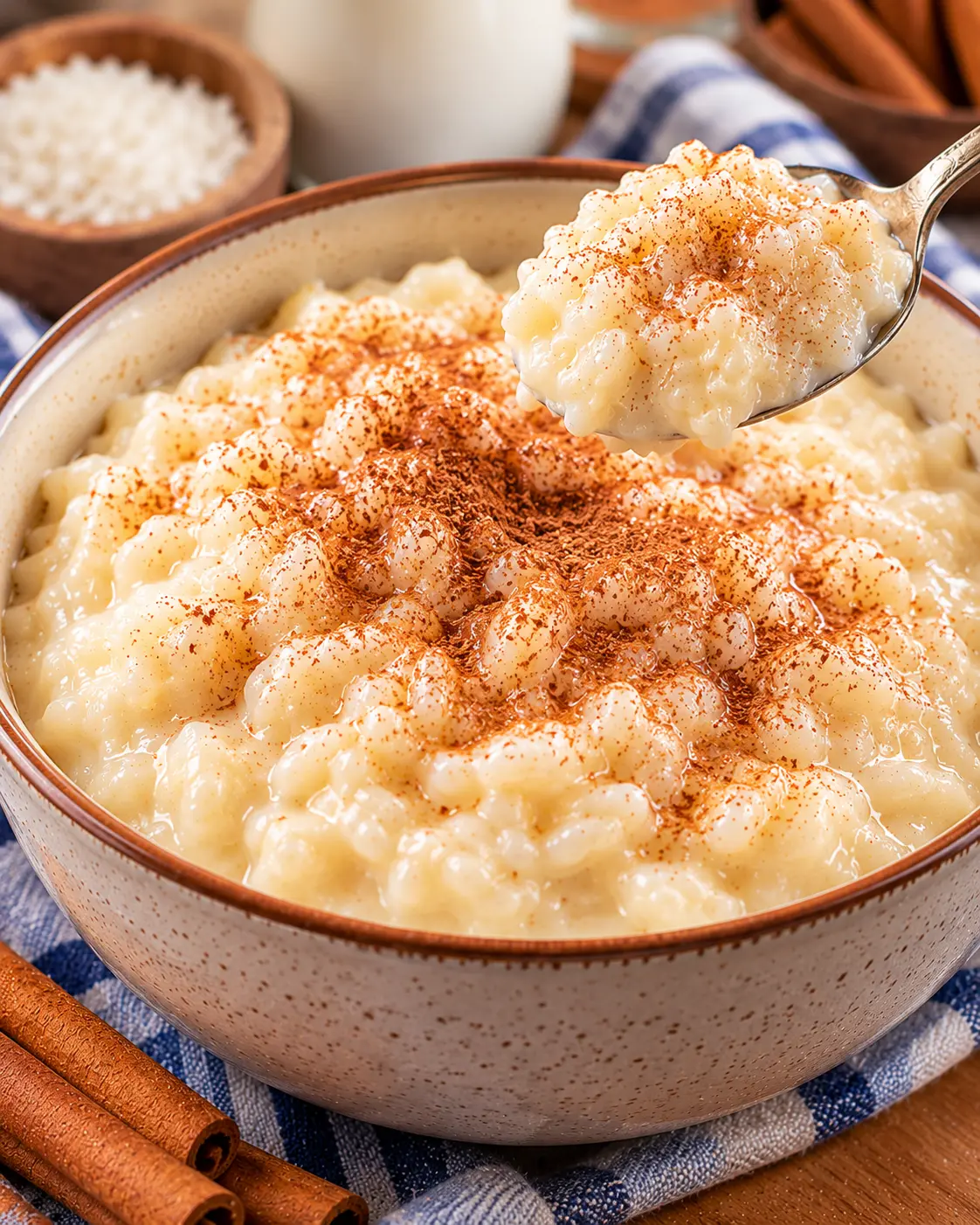
This Creamy Homemade Rice Pudding recipe is a classic comfort dessert that has remained popular for good reason. The tender rice, soft sweetness and smooth feel make it satisfying without fussy additions.
It’s great warm after dinner or chilled as a simple treat and the best version is creamy but not heavy and has rice that’s nicely tender. You can find the full recipe in the card below.
Creamy Homemade Rice Pudding
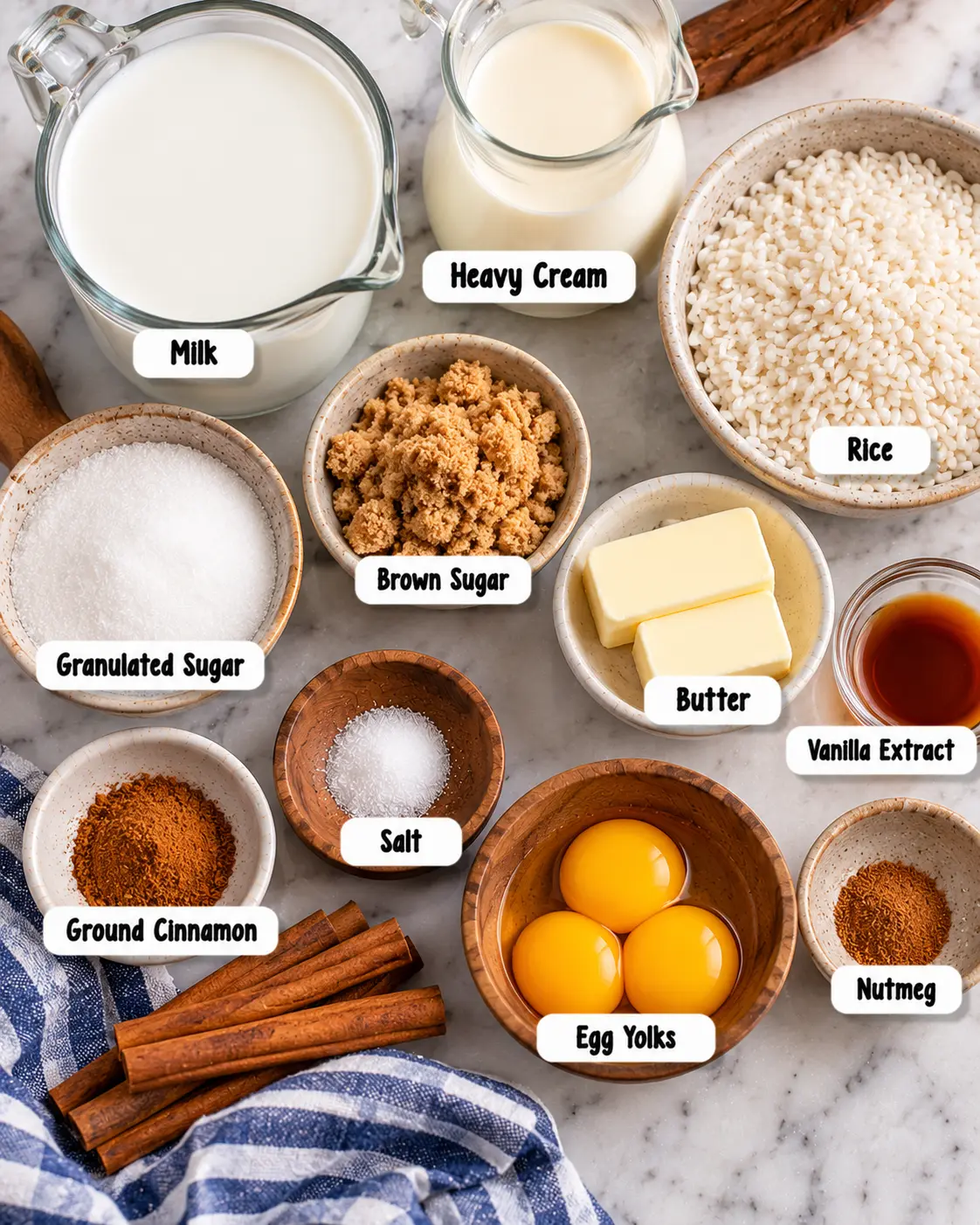
Ingredients
Method
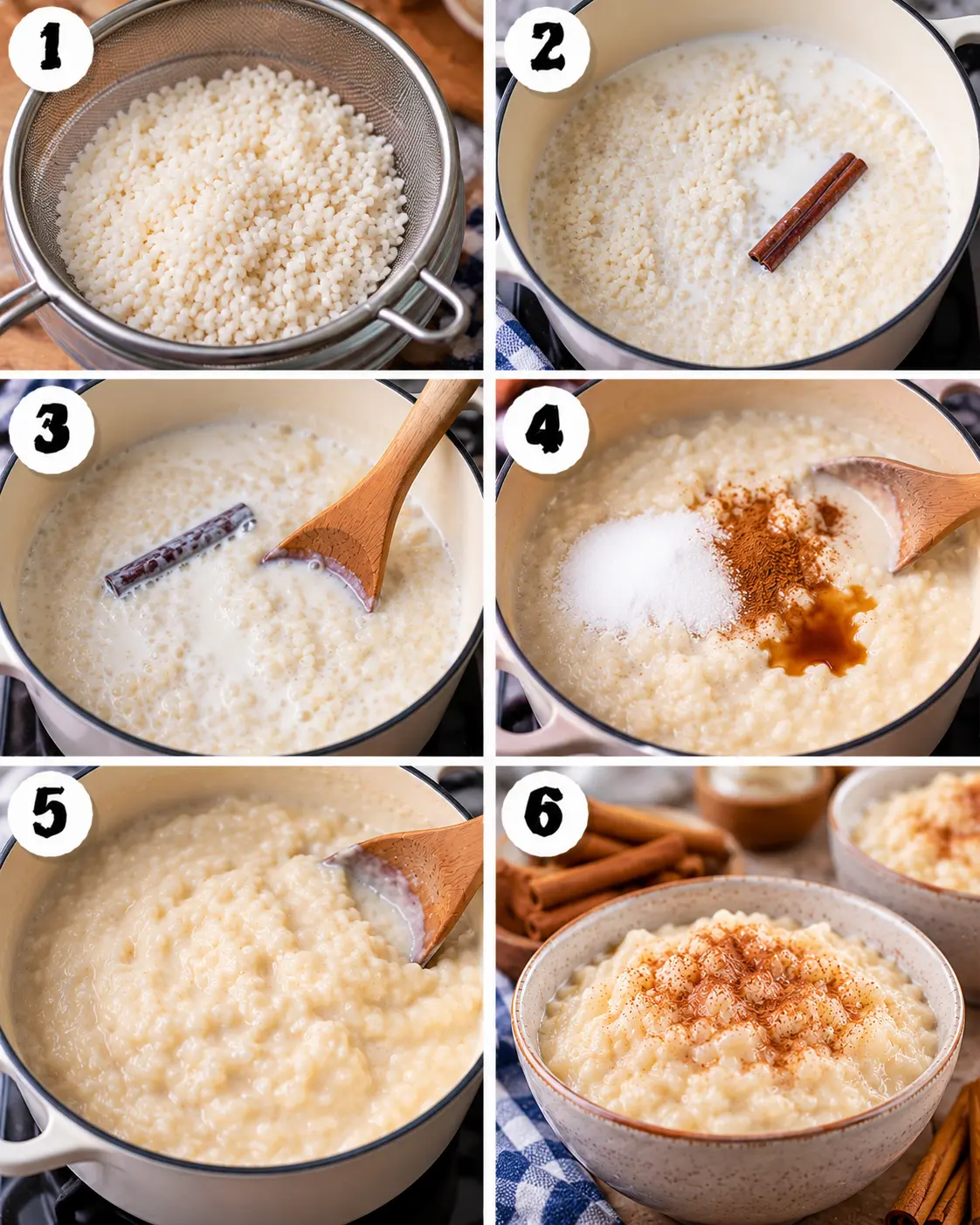
- In a medium saucepan, combine the rice and milk. Bring to a boil over medium heat.
- Reduce heat to low and let it simmer, stirring occasionally for about 30 minutes, or until the rice is tender.
- Stir in the sugar, vanilla extract, salt, and cinnamon, cooking for an additional 5 minutes.
- Remove from heat and let it cool slightly before serving.
- Serve warm or chilled, as desired.
Notes
Nutrition Facts
Per 1 servingNutrition information is an estimate per serving and can vary with the brands, portion sizes and exact ingredients you use.
You’ll also love
 ⏱ 25 min
Easy Big Apple Fritters Recipe
Crispy & Glazed
 ⏱ 2 hr
MAPLE WALNUT FUDGE
 ⏱ 30 min
Easy Fruit Skewers
Rainbow Summer Party
 ⏱ 1 hr 10 min
Easy Chocolate Gooey Butter Cookies Recipe
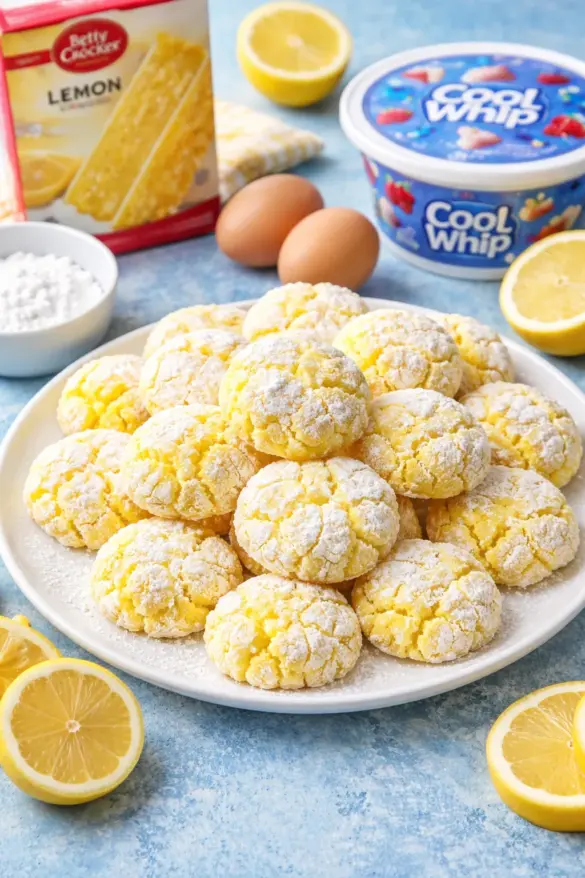 ⏱ 21 min
LEMON COOL WHIP COOKIES
 ⏱ 20 min
Easy Esquites
Mexican Street Corn Cup
 ⏱ 30 min
No-Bake Mint Chocolate Chip Clusters
 ⏱ 2 hr