
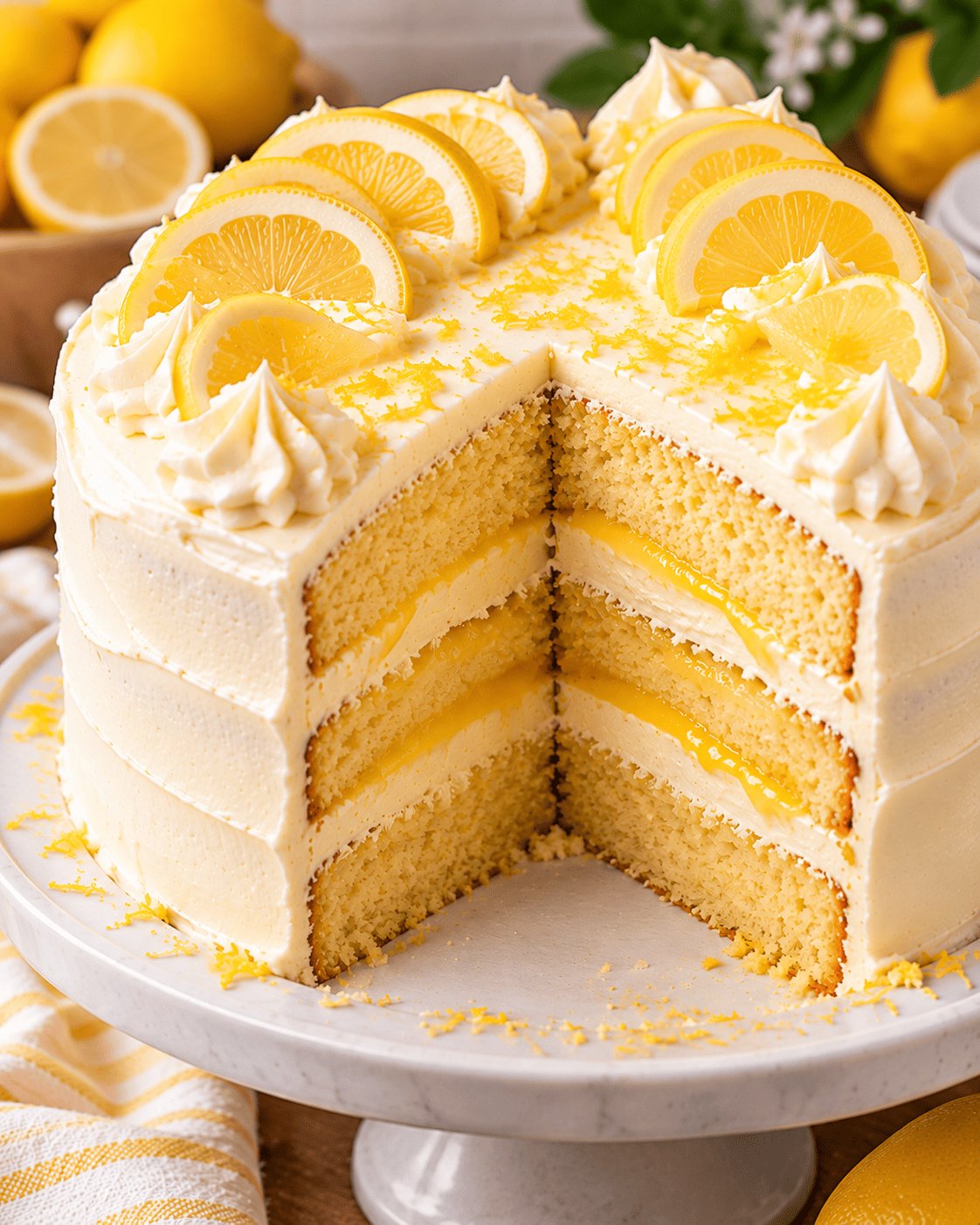
lemon layer cake has a way of showing up right when you need something cheerful, like after a long week or when you promised to bring dessert and totally forgot until the night before. This is the kind of cake that tastes bright, soft, and sunny without being sour or sharp. It is layered, pretty, and feels a little special, but it is still doable in a normal home kitchen. If you have ever made a lemon cake that turned out dry or weirdly bitter, you are not alone. I have been there, and this post is basically everything I wish someone had told me sooner.
Why You’ll Love This Recipe
Flavor and texture
This lemon layer cake hits that sweet spot between fresh citrus and classic vanilla cake comfort. You get a clear lemon flavor, but it does not taste like cleaning spray (you know what I mean). The crumb is tender and light, and the layers feel soft instead of bready. If you like desserts that taste fresh and not heavy, this is your cake.
I also love that you can keep it simple or make it fancy. Serve it as a casual weekend treat, or frost it neatly and it suddenly looks like a bakery cake.
When to serve it
I bring this to birthdays when the person is not a chocolate lover, and it is a big hit at spring gatherings. It is also perfect for baby showers, brunch tables, and any day you want a “happy” dessert.
And if you are in a summer dessert mood, you might also like this bright, fun easy pink lemonade cake. Same sunny energy, different vibe.
What makes a tender lemon layer cake
A tender crumb is not an accident. It is usually a mix of smart ingredient choices and not overdoing it with mixing or baking time. With any lemon layer cake, you want moisture and softness first, then structure second. Here are the biggest things that matter (and the stuff that tends to go wrong).
- Room temperature basics: eggs, butter, and dairy mix more smoothly, which helps the cake bake up evenly.
- Measure flour carefully: too much flour is the fastest road to a dry cake. Spoon it into the cup and level it off.
- Do not overmix: once flour is in, mix just until combined. Overmixing makes the cake tougher.
- Do not overbake: lemon cakes can look “done” on top but still need a couple minutes, or they can go dry fast if left too long. Watch closely near the end.
If you have ever wondered why your layers domed a lot or baked unevenly, it is often an oven temperature issue. An inexpensive oven thermometer can be a game changer, honestly.
Building bright lemon flavor without bitterness
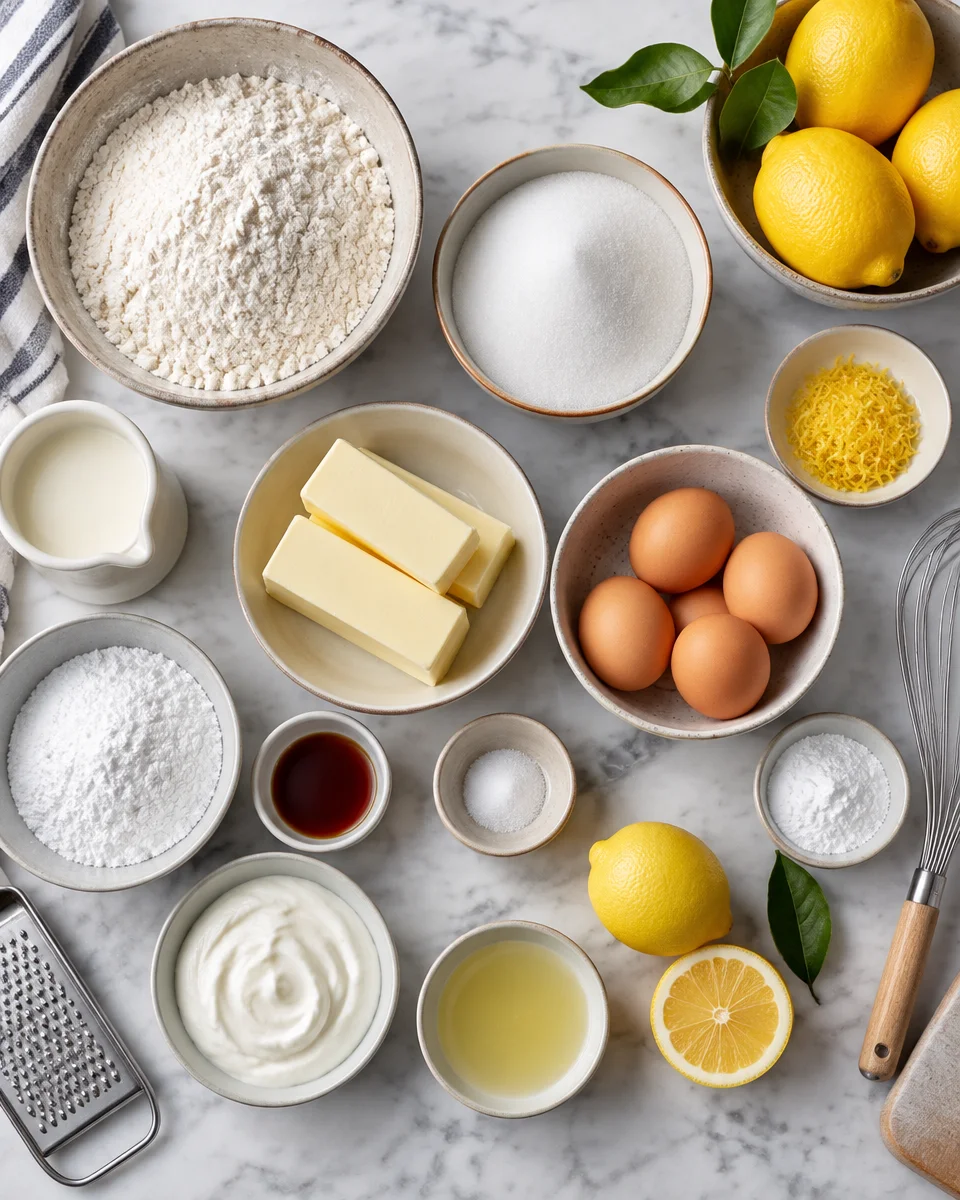
Let’s talk about the lemon part because this is where many lemon cakes get weird. The goal is a clean, bright lemon flavor, not bitter, not harsh. My personal rule is this: use the lemon zest for aroma, and lemon juice for tang. But be picky about how you do it.
Tips that help a lot:
First, zest the lemon before you juice it. It is much easier. Also, zest only the yellow part. Once you hit the white pith, that is where bitterness lives.
Second, use fresh lemon juice if you can. Bottled works in a pinch, but fresh tastes more alive, especially in a lemon layer cake where lemon is the whole point.
Third, do not go overboard adding extra juice to the batter “for more lemon.” Too much liquid can mess with texture and make layers gummy or dense. If you want more lemon punch, you will get better results by boosting zest or adding lemon flavor through the frosting or a simple brush of lemon syrup.
Keeping cake layers moist and even
Moist layers are the difference between “nice” and “oh wow, what bakery is this from?” For a lemon layer cake, I like to focus on two things: baking evenly and locking in moisture right after baking.
Make sure your pans are the same size, and try to divide batter evenly. I use a kitchen scale if I want to be extra consistent, but eyeballing can work if you take your time. Also, let the cakes cool in the pan briefly, then turn them out to cool completely. If you frost warm layers, the frosting melts and slides, and it gets messy fast.
If you are someone who tends to bake layers a day ahead (I do this often), wrap cooled layers tightly in plastic wrap. It helps keep moisture in, and the layers are actually easier to level and frost when they are chilled.
Choosing frosting or filling to match the actual recipe
When people ask me what frosting “belongs” on lemon cake, I say: it depends on what you want the lemon to do. If you want the lemon flavor to really pop, pair it with something creamy and not too sweet. If you want it more like a classic birthday cake, go a little richer.
Here are a few dependable directions that work well with lemon:
- Creamy and tangy: cream cheese style frosting plays so well with lemon because it balances sweetness.
- Light and fluffy: whipped style frostings feel airy and let the cake shine.
- Extra lemon: lemon curd between layers is amazing, just keep the layer thin so it does not slide.
Also, if you love no bake layered desserts (same layering satisfaction, less oven time), I am obsessed with this one: easy banana pudding cheesecake. Totally different flavor, but it scratches that “layers!” itch.
Layering and decorating for a neat finish
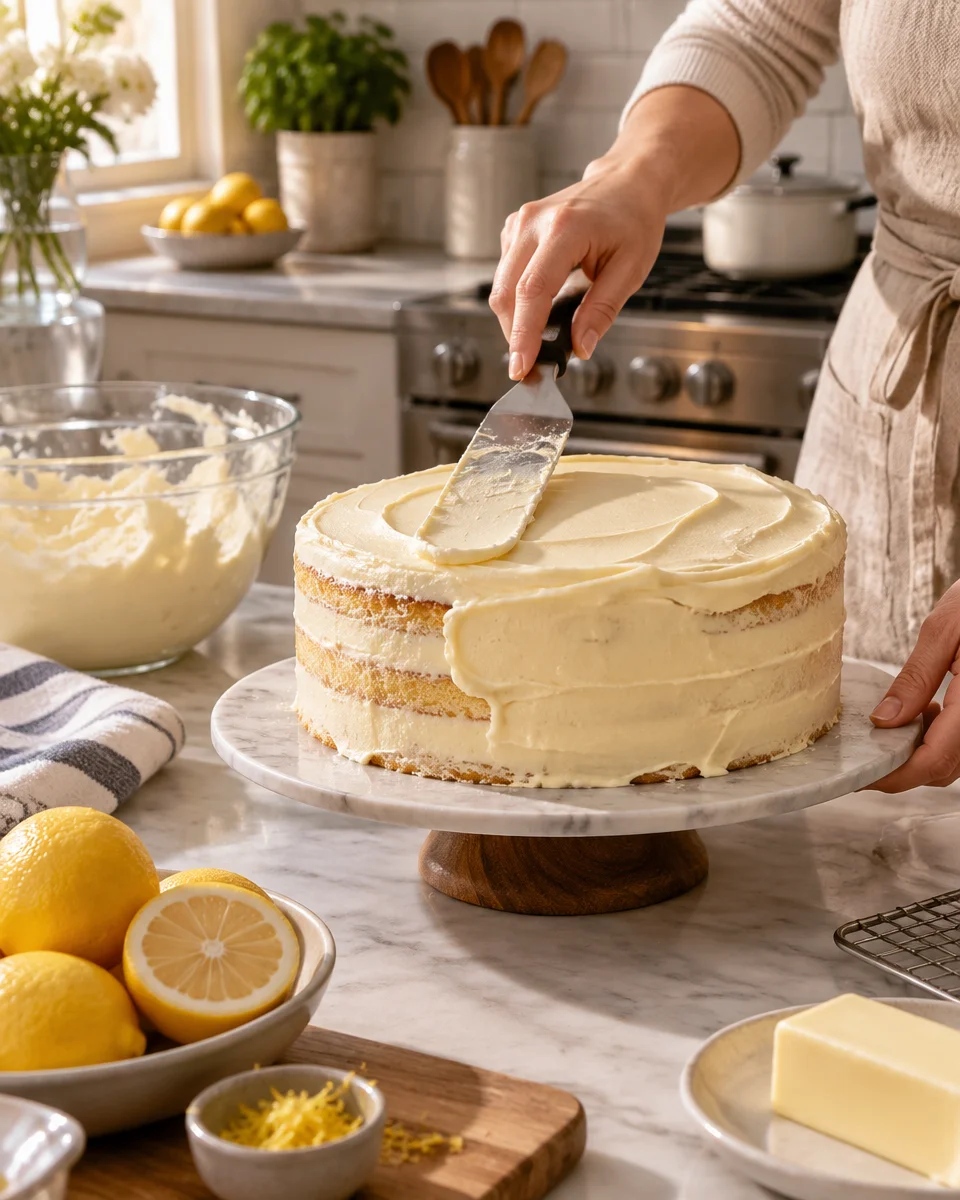
I am not a pastry chef. I just want my cake to look cute enough that nobody thinks it fell over in the car. The trick is taking a few small steps that make a big difference.
Here is what helps me keep a neat look:
- Level the layers if they dome. A serrated knife works fine. Take off just a little.
- Use a crumb coat: a thin layer of frosting first, chill it for 15 to 20 minutes, then do the final coat.
- Turntable helps, but you can also spin a plate on a towel. I have done both.
- Keep a damp paper towel nearby to wipe the spatula between swipes. It keeps the frosting cleaner.
If you want a simple decoration that always looks good, add lemon slices, a little zest, or even a few fresh berries. Just do not overload the top or it can weigh down softer frostings.
Common texture and frosting problems
If your cake does not turn out perfect the first time, welcome to being a normal human who bakes at home. Here are the issues I see most with lemon layer cake, plus what to do next time.
Cake is dry: it was likely overbaked or overmeasured flour. Pull it sooner and measure flour lightly. Brushing layers with a little lemon syrup can also rescue dryness.
Cake is dense: usually overmixing or ingredients too cold. Mix less once flour is added, and start with room temperature ingredients.
Frosting is runny: the cake was warm, or the frosting got too soft. Chill everything, even the mixing bowl for a few minutes.
Frosting is too sweet: add a pinch of salt and a bit of acidity like lemon juice if the frosting can handle it. Salt is a quiet hero.
“I made this for my mom’s birthday and it was the first lemon cake I have ever baked that stayed soft for days. The lemon flavor was bright without tasting bitter. I am saving this recipe forever.”
Make-ahead, storing and freezing slices
I love a dessert that does not punish you for planning ahead. This cake is friendly that way.
Make ahead: bake the layers, cool completely, wrap well, and refrigerate overnight. Frost the next day. It is easier and less stressful.
Storing: keep the frosted cake covered in the fridge if your frosting is dairy heavy. Let slices sit at room temp for 20 to 30 minutes before eating so the texture softens.
Freezing slices: slice the cake, freeze pieces on a tray until firm, then wrap each slice and store in a freezer bag. Thaw overnight in the fridge. It is such a nice treat to have ready.
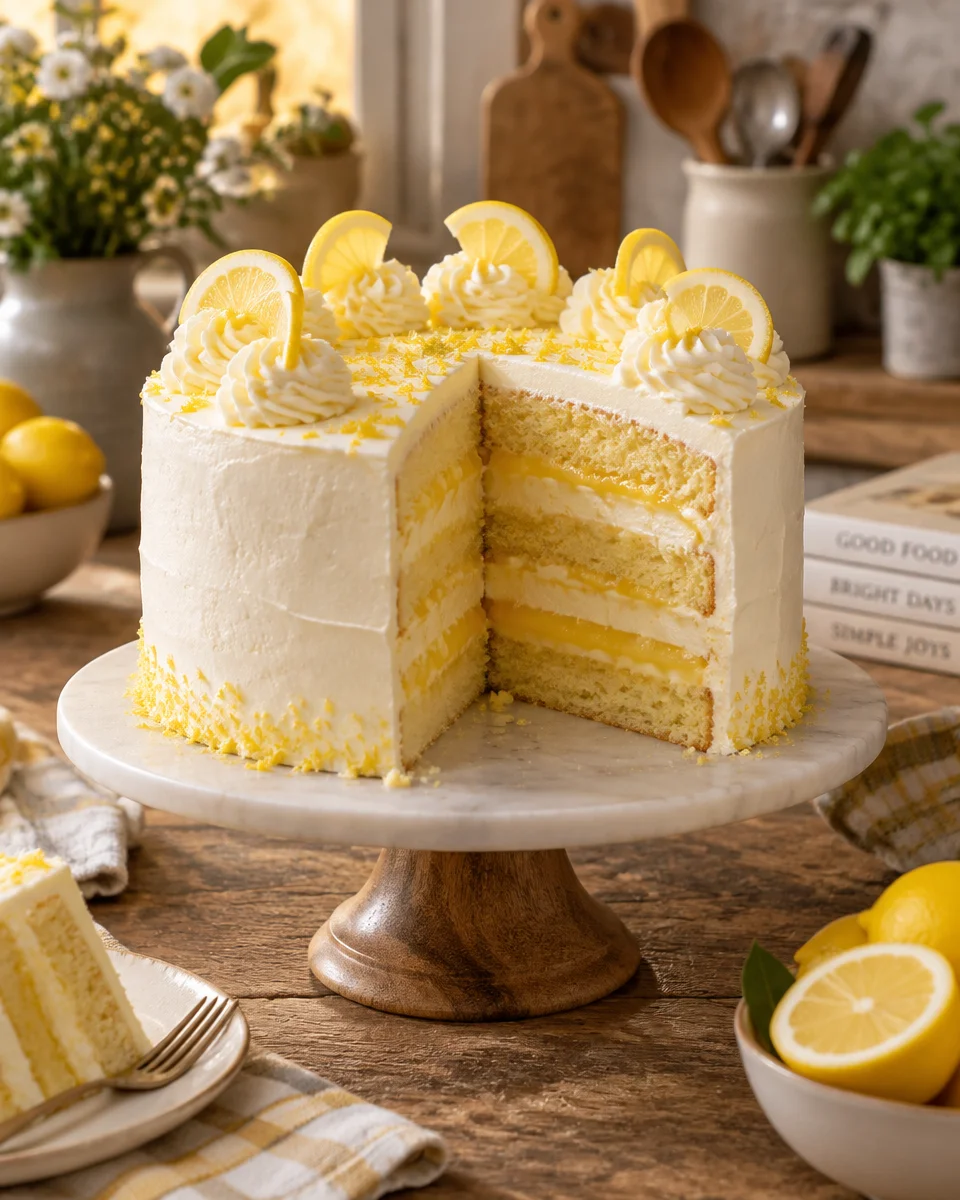
Frequently Asked Questions About Lemon Layer Cake
How do I keep lemon cake moist?
Do not overbake it, measure flour carefully, and wrap cooled layers if you are waiting to frost. If you want extra insurance, brush layers lightly with lemon syrup before frosting.
Can I make lemon cake layers ahead?
Yes. Bake them, cool fully, wrap tightly, and refrigerate overnight. You can also freeze the layers if you want to plan further ahead.
What frosting goes well with lemon cake?
Cream cheese frosting is a classic because it is tangy and not overly sweet. Vanilla buttercream works too if you want something more traditional. A thin layer of lemon curd can be great as a filling, just do not overfill.
Extra quick questions I get a lot:
Can I use bottled lemon juice? Yes, but fresh tastes better and brighter.
Why did my cake taste bitter? You likely zested too deep into the white pith, or used too much zest from thick skinned lemons.
Final Thoughts
If you want a cake that feels celebratory but still totally doable at home, this lemon layer cake is the one I keep coming back to. Focus on fresh zest, careful baking time, and letting the layers cool before you frost, and you will be in great shape. If you want to compare styles, check out Lemon Layer Cake with Lemon Cream Cheese Buttercream because it is a great point of reference for flavor and frosting ideas. And if you are building a little “layered dessert” collection, don’t forget this creamy treat too: easy banana pudding cheesecake, plus another look here if you missed it earlier easy banana pudding cheesecake. Now go grab some lemons and treat yourself, you have got this.
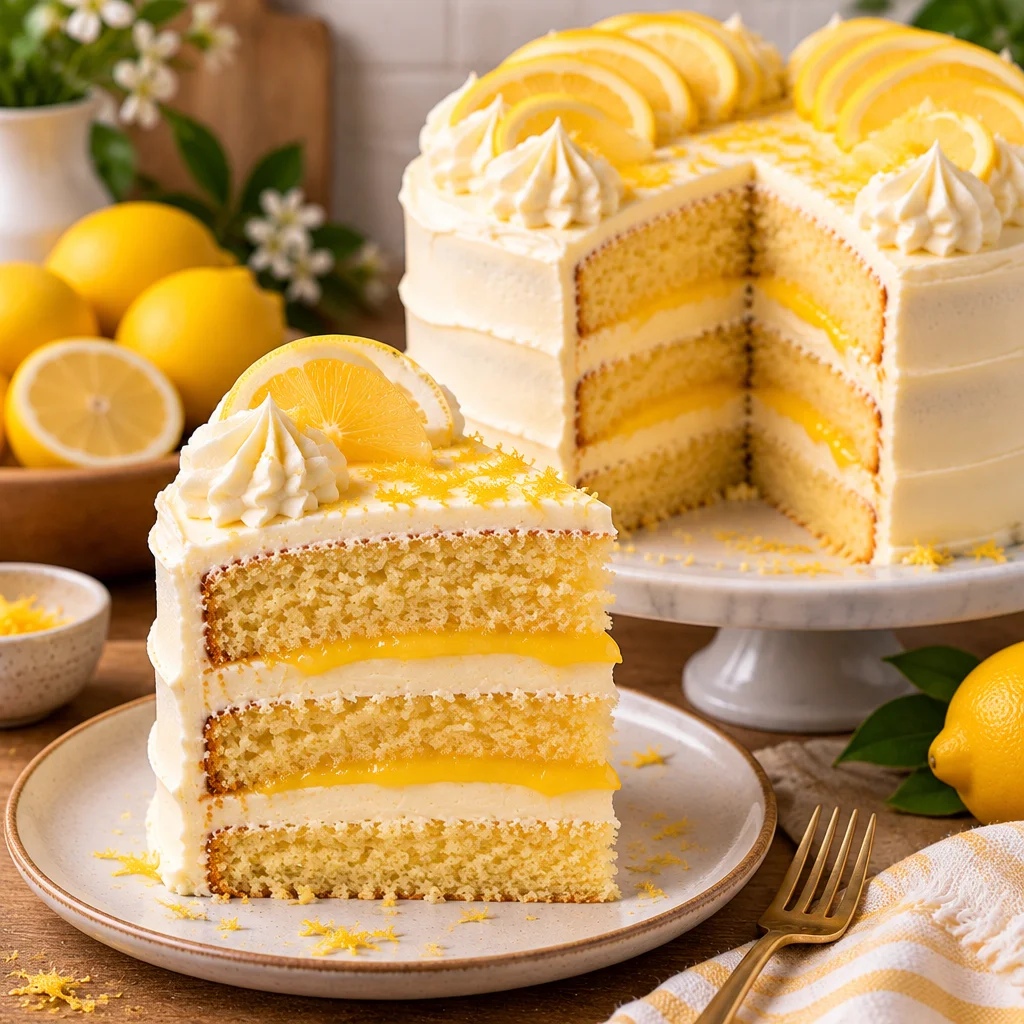
Lemon Layer Cake
Ingredients
Method
- Preheat the oven to 350°F (175°C) and grease and flour three 8-inch round cake pans.
- In a mixing bowl, cream together the butter and sugar until light and fluffy.
- Add eggs one at a time, mixing well after each addition.
- Mix in the lemon zest and lemon juice.
- In another bowl, combine the flour, baking powder, and salt.
- Gradually add the dry ingredients to the wet mixture, alternating with the buttermilk until just combined.
- Divide the batter evenly between the prepared pans.
- Bake for 25-30 minutes or until a toothpick inserted comes out clean.
- Allow cakes to cool in the pans for 10 minutes, then turn them out onto wire racks to cool completely.
- In a bowl, beat together cream cheese and butter until smooth.
- Gradually add powdered sugar and mix until fluffy.
- Mix in lemon juice and vanilla extract.
- Once the cakes are cool, level them if domed.
- Spread frosting between the layers and on top and sides of the cake.
- Decorate with lemon slices or zest as desired.