
roasted vegetable medley is my answer to those nights when I open the fridge, see a bunch of random produce, and honestly do not feel like thinking too hard. It is basically a big pan of vegetables that turn sweet, a little crispy on the edges, and super cozy once they roast. The flavor is simple but bold, because the oven does the heavy lifting and brings out that natural caramelized taste. I make this when I need an easy side dish, or when I want a healthy meal base that I can toss into bowls and salads all week. If you have ever pulled out veggies that turned watery or bland, do not worry, I have been there and this is the method that finally made it click for me.
Why You’ll Love This Recipe
Flavor and texture
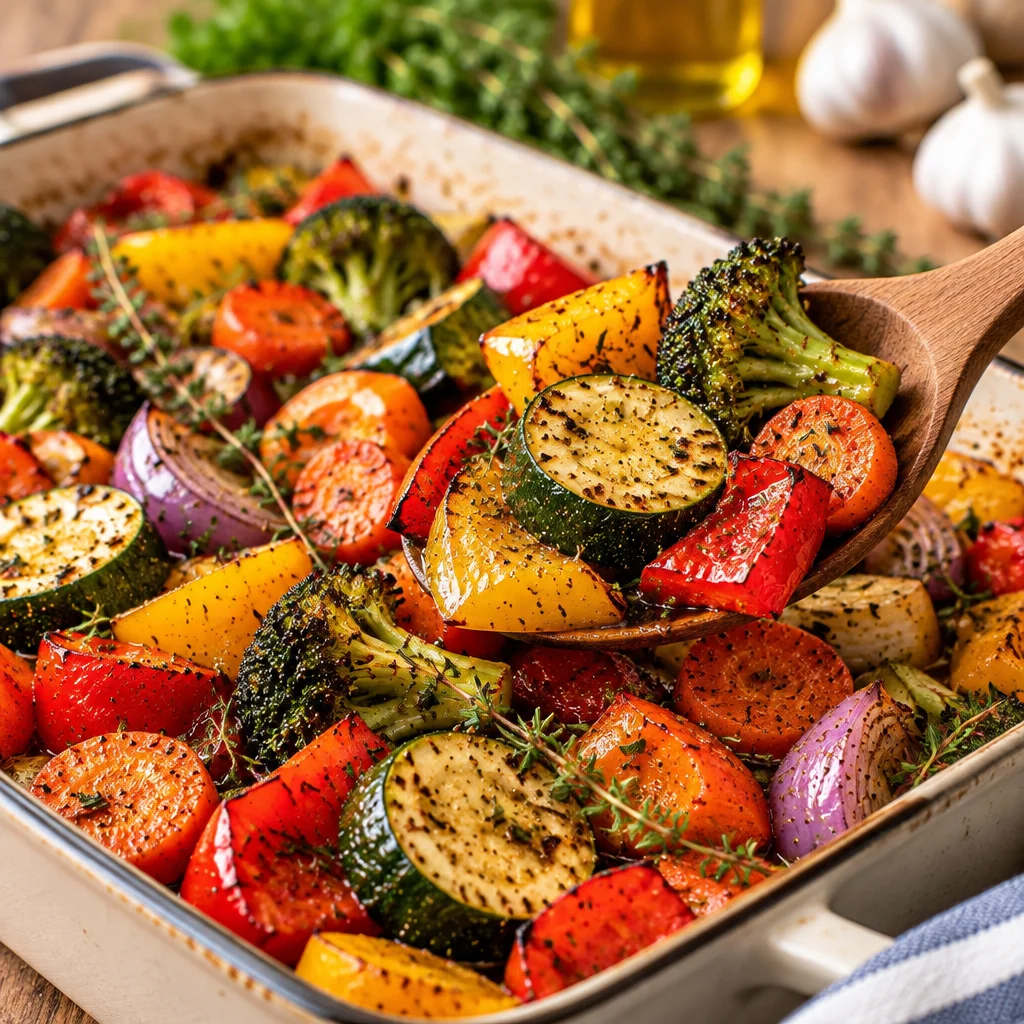
The best part of a roasted vegetable medley is the contrast. You get tender centers, browned edges, and those little toasty bits that taste like the oven worked some kind of magic. When you roast vegetables the right way, they get naturally sweeter, and the seasoning sticks better because moisture cooks off.
I also love how forgiving it is. If you are missing one vegetable, you can swap in another. If you like things spicy, you can nudge it in that direction. If you want it herby and bright, that is easy too.
When to serve it
This is my go to for weeknights, but it is also a quiet hero on the table when friends come over. It fits next to chicken, fish, pasta, holiday mains, or a simple egg on top. I even use leftovers as a warm filling in wraps. If you are planning an appetizer night, I like balancing roasted veggies with something crunchy like these crispy vegetable spring rolls. It is that hot and crisp combo that makes everyone hover near the kitchen.
What makes a balanced roasted vegetable medley
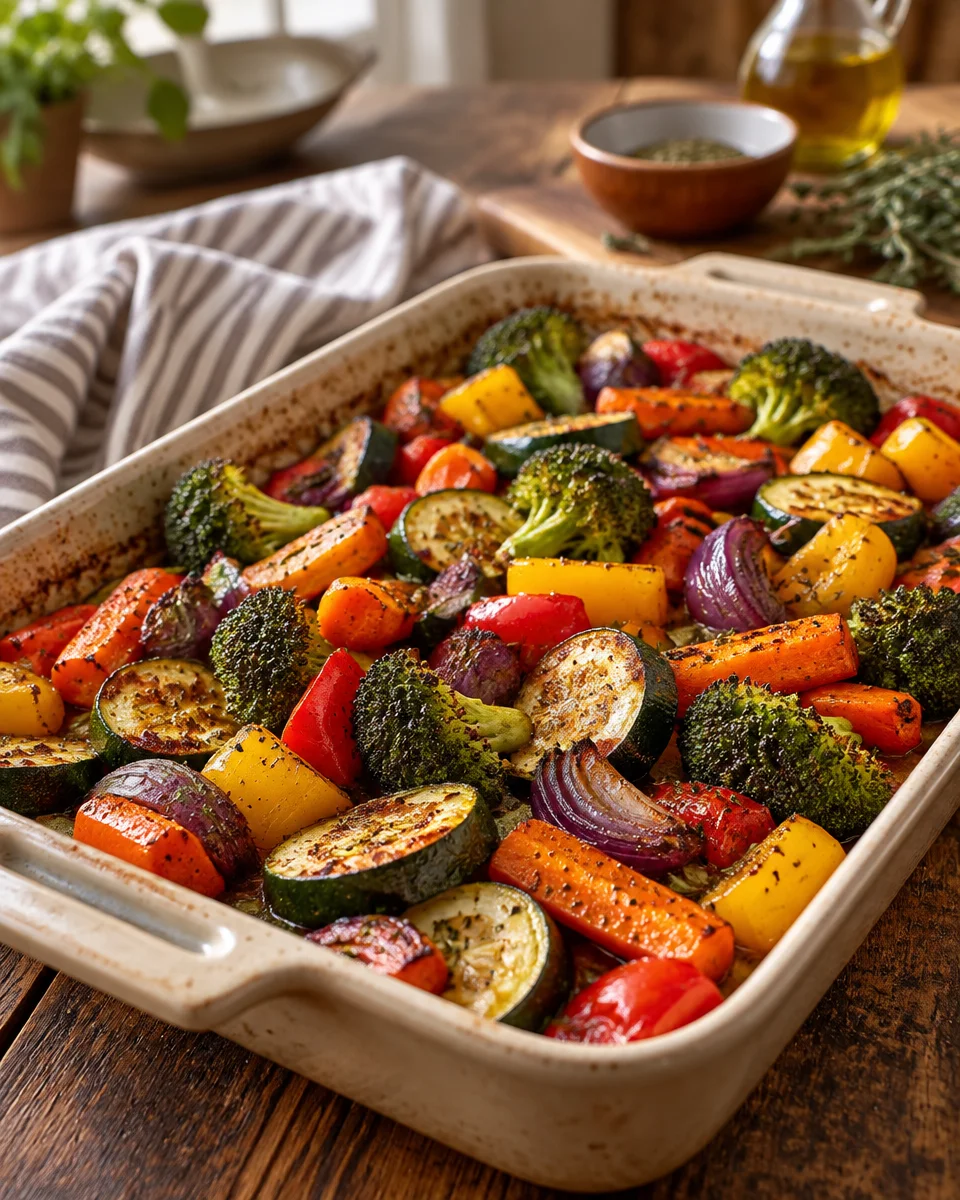
Balance sounds fancy, but it is really just common sense once you see it. A good roasted vegetable medley has a mix of colors, textures, and moisture levels so the whole pan does not turn into one soft pile.
Here is what I aim for when I build the tray:
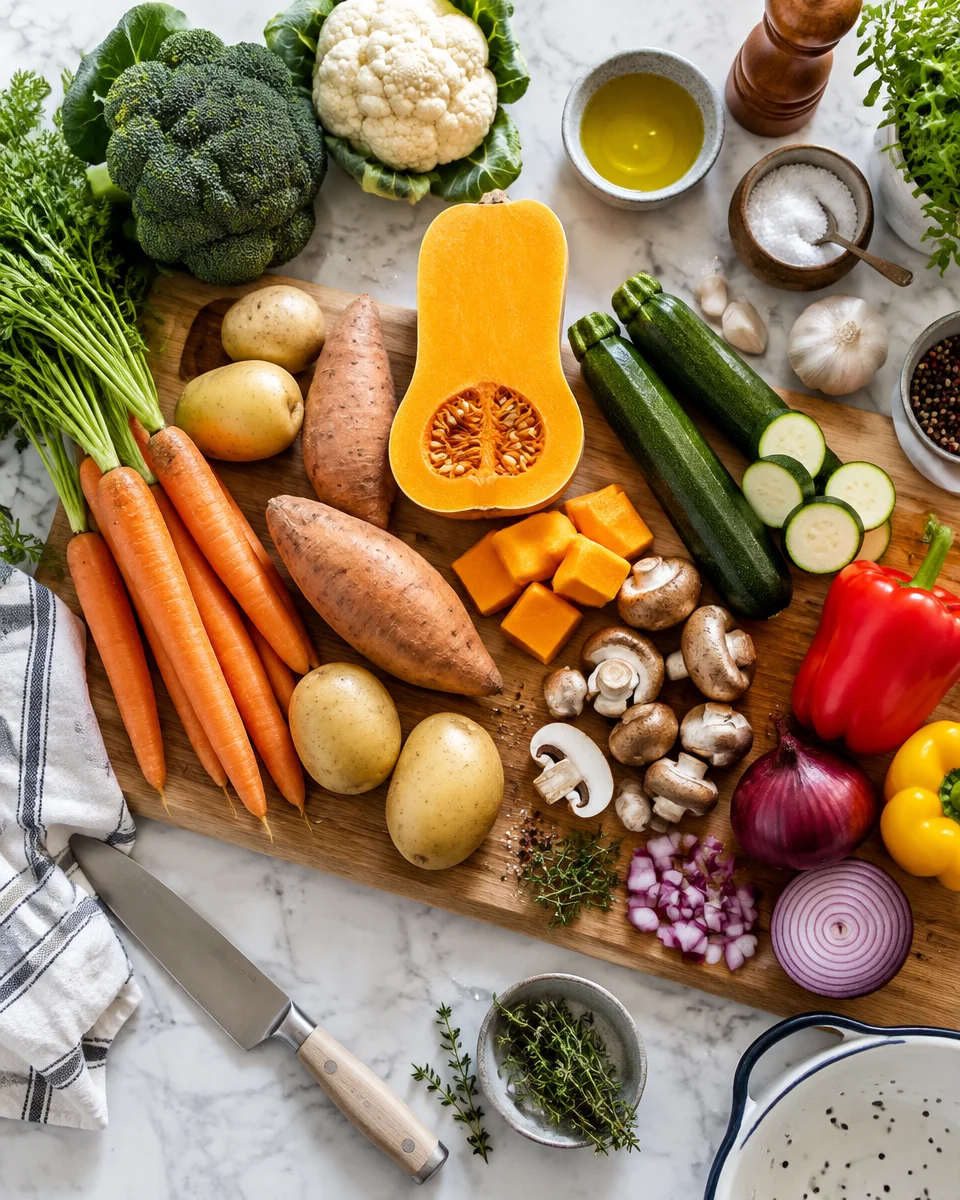
- One sturdy veggie: think carrots, potatoes, sweet potatoes, or squash for that hearty bite.
- One quick roasting veggie: like zucchini, mushrooms, or bell peppers for softness and variety.
- One “edge browning” veggie: broccoli or cauliflower are amazing for crispy tips.
- One sweet pop: red onion is my favorite because it gets jammy and deep.
Common mistake I used to make: choosing only watery vegetables. If you do all zucchini, mushrooms, and tomatoes together, you will likely steam everything instead of roasting. Another mistake is cutting everything the same size when they clearly do not cook the same. Big chunks of carrot will still be firm when the zucchini is already collapsing.
Choosing vegetables with compatible roasting times
This is where most roasted veggie heartbreak comes from. The trick is not to overcomplicate it, but you do need to group vegetables by how long they take.
In my kitchen, I think of it like this:
Longer time vegetables: carrots, potatoes, sweet potatoes, parsnips, winter squash, beets. Cut these smaller or give them a head start in the oven.
Medium time vegetables: broccoli, cauliflower, Brussels sprouts, bell peppers, onions.
Shorter time vegetables: zucchini, yellow squash, asparagus, mushrooms, green beans. Add these later if you are doing a mixed tray with longer roasting items.
If you want the easiest path, pick mostly medium time vegetables and you will feel like a genius because everything finishes together. If you want the heartier mix with potatoes or carrots, it is totally doable, just give the slow ones a 10 to 15 minute head start. And if you are meal prepping, a roasted vegetable medley is perfect next to a grain bowl situation. I make something similar to this easy chicken grain bowl with farro and roasted veggies when I need lunches that actually keep me full.
How to avoid soggy or unevenly cooked vegetables
Let us talk about the soggy issue because it is real. I used to blame my oven, but it was mostly my crowding and my enthusiasm with oil.
My best practical fixes:
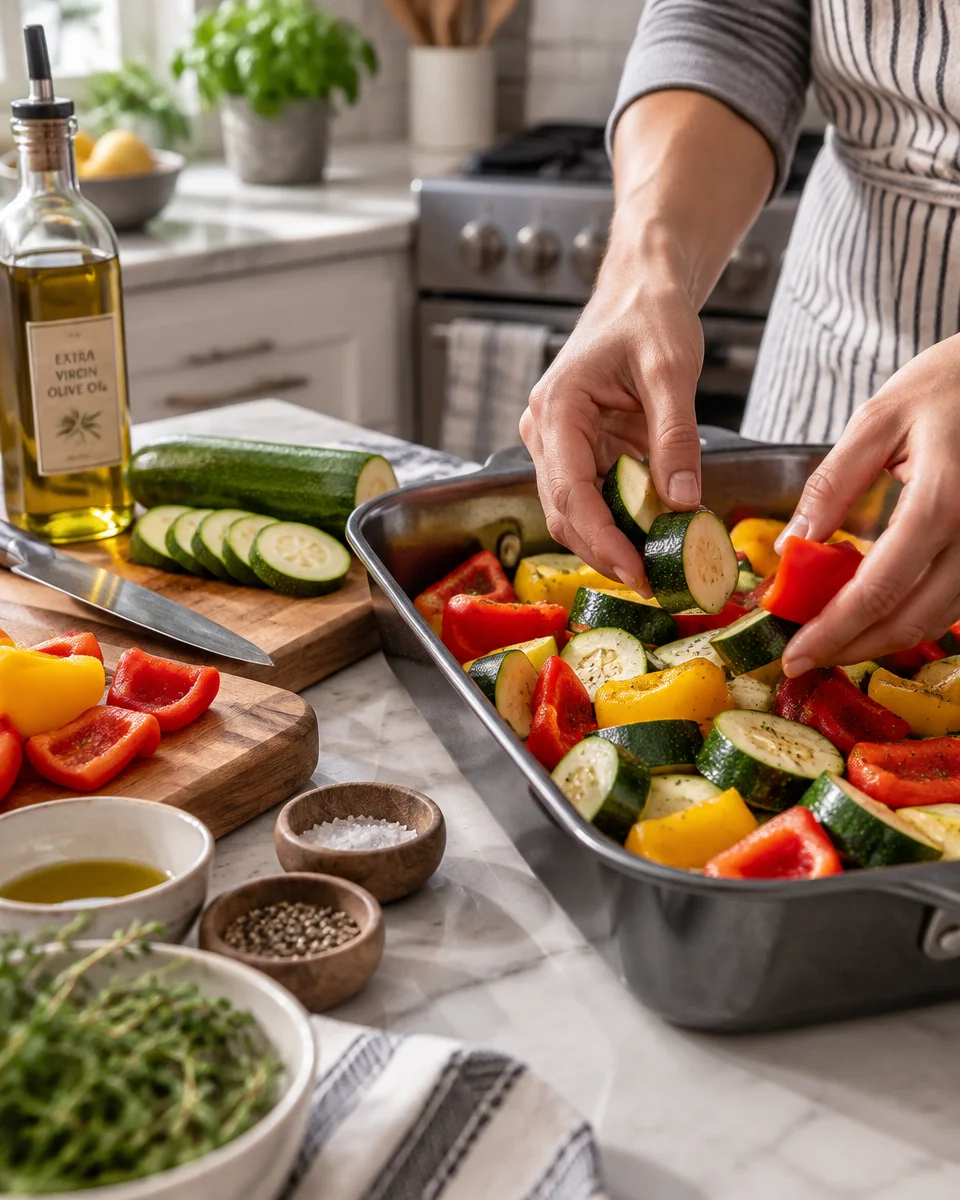
Use a big pan. If the vegetables are piled up, they steam. Spread them out so the hot air can hit the surfaces. If you need to, use two sheet pans.
Dry the veggies. If you rinse them, pat them dry. Water plus oven equals steam, and steam equals soft vegetables without browning.
Do not drown them in oil. You want enough to lightly coat so seasoning sticks and surfaces roast. Too much oil can make them feel heavy and, weirdly, a little limp.
Preheat the oven. Putting the pan in before the oven is fully hot can lead to slow cooking and more moisture release before browning begins.
Stir once, not constantly. I flip halfway through so both sides get a chance to brown. If you keep stirring, you keep interrupting browning.
Also, do not be afraid of color. People pull roasted vegetables too early because they worry the dark edges mean burnt. A little deep browning is where the flavor lives.
Seasoning combinations and optional finishing touches
Seasoning is where you can make this feel new every time. The base is usually salt, pepper, and a little olive oil, and that alone can taste amazing if you roast long enough to get those browned edges.
Then I pick a vibe:
Cozy and savory: paprika, Italian seasoning, and a pinch of onion powder.
Fresh and herby: dried oregano or thyme, plus a squeeze of lemon after roasting.
Warm and smoky: smoked paprika and cumin, especially good with peppers and onions.
Little spicy: crushed red pepper flakes, added before roasting, or hot sauce after.
Finishing touches matter more than you would think. A tiny hit of acid wakes everything up. Lemon juice, a splash of vinegar, or even a quick spoon of a tangy dressing can do the trick. If you have cheese in your world, a little sprinkle of parmesan at the end is hard to beat.
And if you are doing a party spread, roasted vegetables sit so nicely next to something creamy and rich. I have served them with this easy corn dip that is hot, cheesy, and roasted and people kept going back and forth between the two like it was a snack relay.
How to adapt the medley to seasonal produce
This is one of those recipes that makes you feel in sync with the year without trying too hard. I just buy what looks good and build the tray around it.
Spring: asparagus, radishes (yes, roast them), and carrots. Keep it lighter and finish with lemon.
Summer: zucchini, peppers, onions, and corn cut off the cob. Watch watery veggies and do not crowd the pan.
Fall: sweet potatoes, Brussels sprouts, cauliflower, red onion. This is peak roasting season and everything tastes extra cozy.
Winter: carrots, parsnips, beets, and any squash you like. Cut things evenly and give them time to get tender.
One small warning from experience: super delicate vegetables can go from perfect to overdone fast. If you are using asparagus or green beans, consider adding them partway through so they stay snappy.
Main dishes to serve with roasted vegetables
I love that roasted vegetables do not boss the rest of the meal around. They fit in with whatever you are already making, and they make a plain dinner feel more complete.
Here are a few easy pairings that work almost every time:
- Chicken: roasted, grilled, or even a store bought rotisserie chicken.
- Fish: salmon is my favorite because it cooks in about the same time as many veggies.
- Pasta: toss the roasted veggie mix with pasta, olive oil, and a handful of cheese.
- Eggs: top the veggies with a fried egg for a lazy, delicious meal.
- Grain bowls: rice, farro, quinoa, plus sauce and protein, done.
If you are doing appetizer night again, I will say it twice because it is a good combo: roasted veg plus something like this hot cheesy roasted corn dip makes the table feel fun and low pressure.
Storage and reheating for better texture
I am big on leftovers, but only if they still taste good. Roasted vegetables can get soft in the fridge, so it is all about how you reheat them.
Storage tips: Let them cool before putting them in a container. If you trap steam, you invite sogginess. Store in an airtight container for about 3 to 4 days.
Best reheating: Use the oven or an air fryer if you have one. A hot oven brings back the edges. The microwave works in a pinch, but it makes them softer.
Leftover ideas: Chop and toss into a salad, fold into an omelet, or blend into a quick soup base with broth. Leftover roasted vegetable medley is also great cold straight from the fridge, and I will not pretend I have never done that while “deciding” what to eat.
I made this for a family dinner and everyone actually went back for more vegetables, which never happens. The tips about spacing on the pan made all the difference. The edges got crispy and the flavors were so much deeper.
Frequently Asked Questions About Roasted Vegetable Medley
Which vegetables roast well together?
Broccoli, cauliflower, bell peppers, and red onion roast well together because their cooking times are fairly similar. If you add carrots or potatoes, cut them smaller or start them earlier so they do not lag behind.
Why are my roasted vegetables soggy?
Most of the time it is because the pan is crowded or the vegetables were too wet. Give them space, pat them dry, and make sure the oven is fully preheated so they roast instead of steam.
Can I roast vegetables ahead of time?
Yes. Roast them, cool them fully, then store in the fridge. Reheat in a hot oven for the best texture, and finish with fresh lemon or herbs to bring them back to life.
Do I need to peel everything?
Not always. I usually peel carrots if the skins look rough, but I keep skins on potatoes if they are clean. Just wash well and trim any tough spots.
How do I keep the seasoning from tasting bland?
Use enough salt, roast until you get real browning, and add a bright finish like lemon juice or vinegar. Those three things make the flavors pop.
Final Thoughts
This roasted vegetable medley is the kind of recipe that saves dinner when you want something healthy, flexible, and actually satisfying. Once you get the spacing and timing right, the oven does the work and you get that sweet, browned flavor every time. If you want another good reference point for flavors and timing, I have also used tips from Oven Roasted Vegetables – Favorite Family Recipes when I am mixing up my veggie combos. Now go check the recipe card, grab a sheet pan, and make it your own tonight.
Roasted Vegetable Medley
Ingredients
Method
- Preheat the oven to 425°F (220°C).
- Wash and cut all vegetables into appropriate sizes; ensure sturdy vegetables are cut smaller.
- Dry the vegetables thoroughly with a kitchen towel.
- In a large bowl, combine the vegetables with olive oil, salt, pepper, and any additional seasonings.
- Spread the vegetables in a single layer on a large baking sheet.
- Roast for 25-30 minutes, stirring halfway through until vegetables are tender and edges are caramelized.
- Remove from the oven and drizzle with lemon juice before serving.