
A bowl of homemade mashed potatoes can make almost any dinner feel more comforting. Good mashed potatoes are the glue that ties the whole plate together, whether next to roast chicken, meatloaf or a holiday turkey.
The best mashed potatoes recipe will give you a soft creamy texture that has enough body to hold its shape. They should not be watery, unpleasantly lumpy, or worked so much that they become sticky and gluey.
Mashed potatoes are a classic homemade staple for a reason. They have a familiar, buttery taste that goes with almost anything and can be adapted to suit both everyday family meals and special occasions.
Why This Recipe is Unique
Mashed potatoes are one of the easiest comfort food side dishes, but the texture is what makes them or breaks them. A good batch will be creamy without being heavy.
The flavour should be balanced, and you should still taste the natural flavour of the potatoes. Richness can make them satisfying, but too much can overwhelm the potato flavour.
The best homemade mashed potatoes are soft, warm and comforting without the need for an elaborate topping.
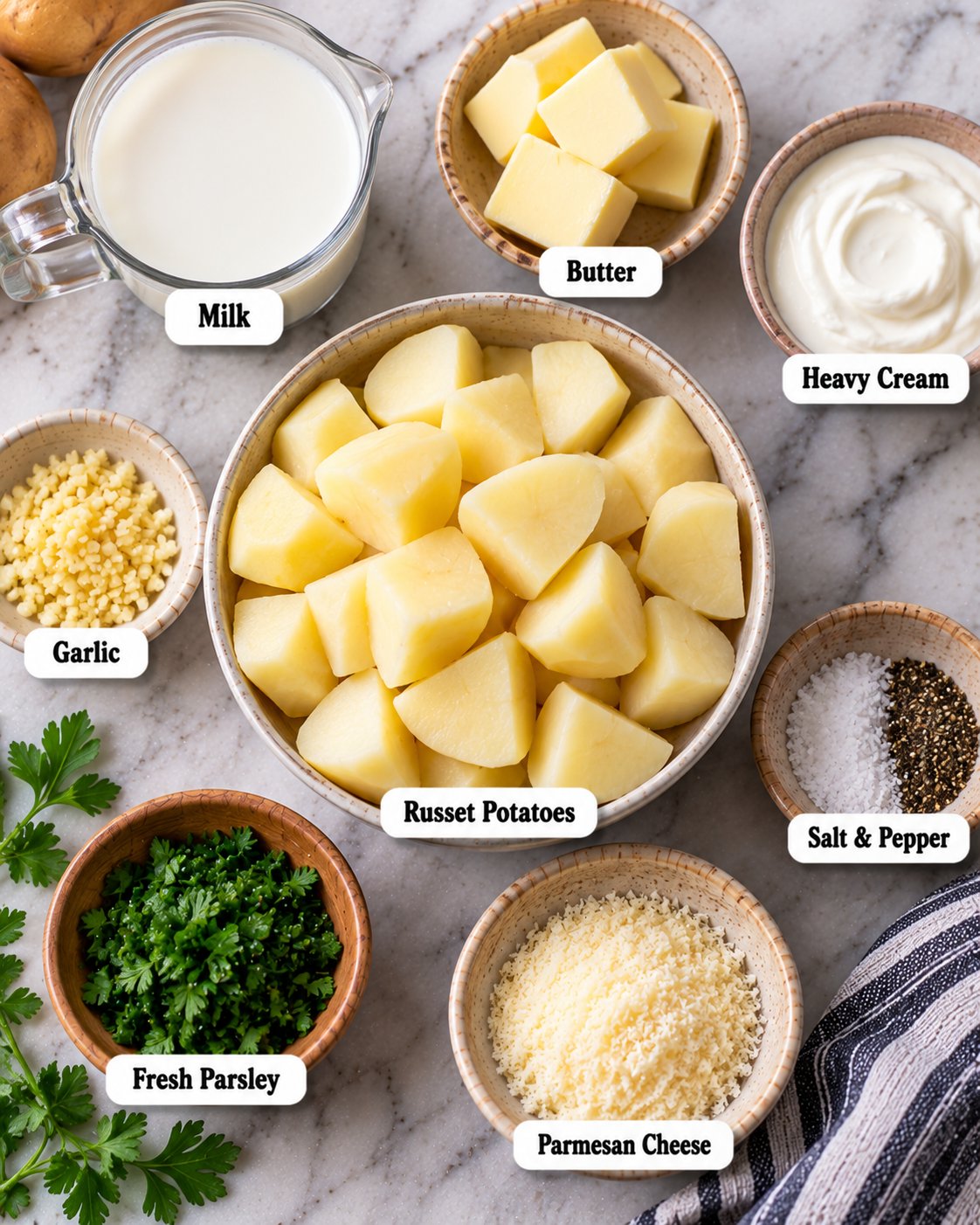
Why Homemade Mashed Potatoes Are Better
Homemade mashed potatoes keep the potato’s natural texture and taste front and center. They may be more substantial than instant mashed potatoes, with a fresh, comforting character.
Different varieties of potatoes yield different results too. Some make a fluffier texture and others make a creamier, denser mash.
Creamy vs Fluffy Mashed Potatoes
Mashed potatoes with cream are smooth and rich. Fluffy mashed potatoes are not as dense and are lighter with a soft, airy consistency.
Both styles can be tasty. The desired outcome depends on the potatoes you use and the nature of the original recipe.
A Traditional Side Dish
Mashed potatoes are great because they go with so many different meals. They have a mild flavour that goes well with roasted meats, savoury gravies and plain vegetables.
They also work naturally into holiday dinners, where the sides are as important as the main course.
The Best Potatoes for Mashed Potatoes
The texture of the finished product is greatly affected by the type of potato. Two of the most popular are Russet and Yukon Gold potatoes, but they yield different results.
Neither is better for any mashed potato recipe. It all comes down to whether you like your mash fluffy or creamy.
Russet Potato
Russets are a type of high-starch potatoes that can make a light and fluffy texture. They are usually served with traditional, light mashed potatoes.
Depending on the recipe , the final product can be unpleasantly textured if the starch is overworked .
Yukon Gold Potatoes
Yukon Gold potatoes are naturally buttery in flavour and have a creamy texture. They are a favourite for mashed potatoes that come out smooth and rich.
They generally make a different consistency than russets which is lovely for people who like creamier mash.
Can You Mix Potato Varieties?
Some mashed potato recipes call for more than one variety to even out the texture. You might want to combine the two for a fluffy and creamy result.
But whether it is okay to mix varieties depends on the original recipe.
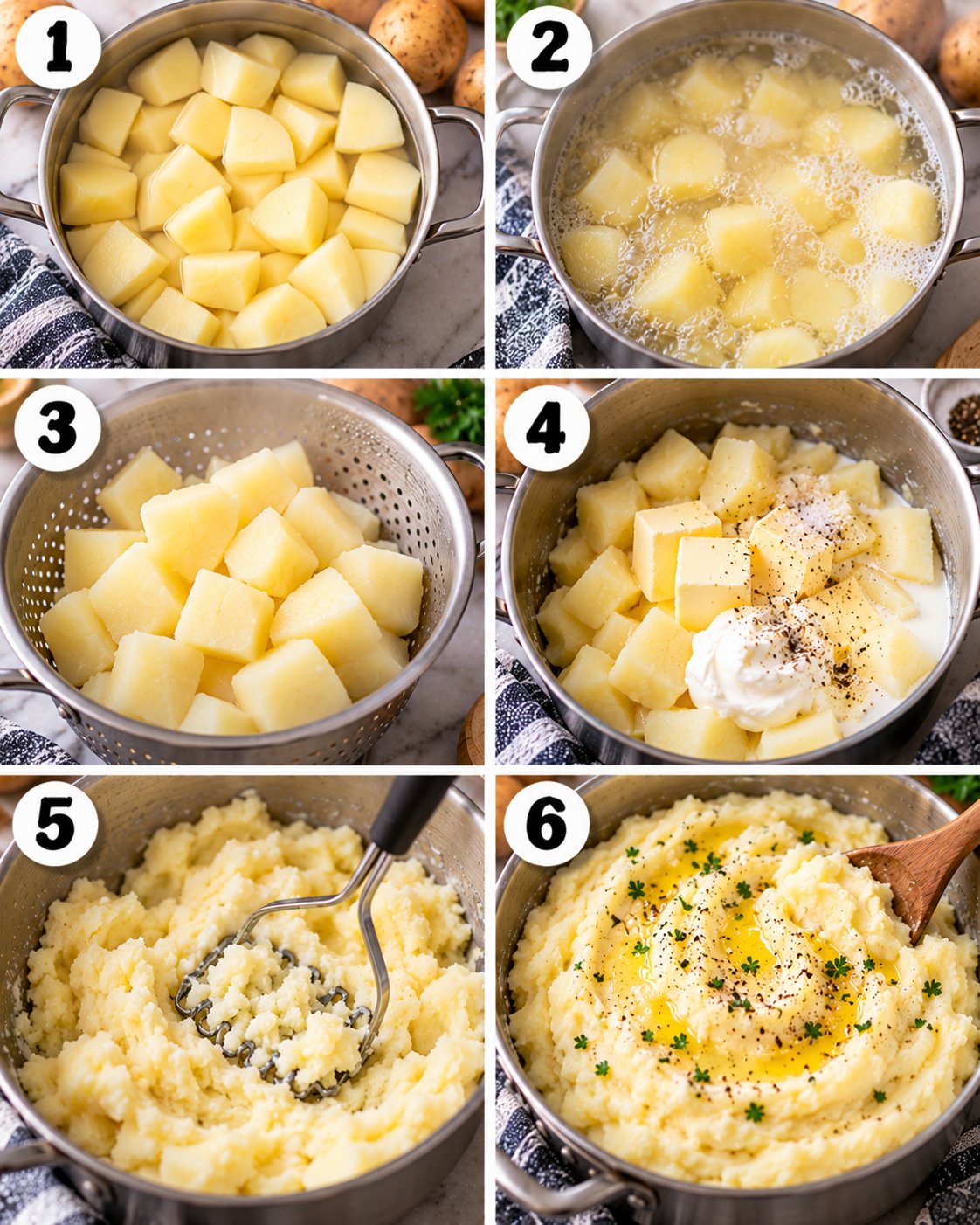
How to Make Creamy (Not Gluey) Mashed Potatoes
One of the biggest let-downs with mashed potatoes is a sticky, glue-like consistency. This is when the potato starch acts differently than the soft, fluffy structure you want.
The best mashed potatoes should be smooth and cohesive, but not stretchy or gummy.
Why Do Potatoes Become Gummy
Potatoes are starchy and too much mechanical working will release more starch into the mix. That can lead to a sticky texture instead of a fluffy one.
This is especially true for high starch potatoes. A good mashed potato should be soft in texture, not springy.
Moisture and Consistency
Mashed potatoes can turn loose or watery if you add too much liquid, or stiff and dry if you add too little. You want the perfect consistency, thick enough to be creamy, but still hold its shape.
The exact ratio depends on the type of potato and the original recipe.
The Importance of Temperature
Mashed potatoes can change texture as they cool down. The structure of the starch sets, and the mixture feels denser than when it was first made.
That’s why leftovers often taste different than a fresh bowl of mashed potatoes.
Variations on Mashed Potatoes
The traditional mashed potatoes are satisfying by themselves, but small variations in flavour can create different varieties.
Garlic mashed potatoes are more savoury in character, while herbs can add freshness. Cheese makes a heartier, more substantial side dish.
Dairy alternatives can also work in recipes written for them, but they may alter the flavour and texture.
Variations Balancing
The best version still tastes like mashed tatos Heavy additions can overpower the potato’s inherent flavour and make the side dish feel too heavy.
The original recipe is your guide, with additions considered optional ideas rather than confirmed ingredients.
Serving, Make-Ahead, Reheating
Mashed potatoes are a natural companion to roast chicken, meatloaf, beef stew, turkey and gravy. Their mild flavour makes them one of the most versatile sides in the home kitchen.
They’re a familiar choice for Thanksgiving, Christmas and Sunday family dinners, too.
Tips for Making Ahead
In many recipes, you can make mashed potatoes ahead of time, but the texture may change once refrigerated. They frequently get more solid and firm as they cool.
The best make-ahead will depend on the ingredients and how you plan to serve it.
Storage of Leftovers
Cooked mashed potatoes should be refrigerated promptly at 40 ° F or below and used within three to four days. Store in a covered container to prevent them from drying out.
Reheat leftovers to 165 degrees F throughout. It may not have the same texture as freshly made mashed potatoes.
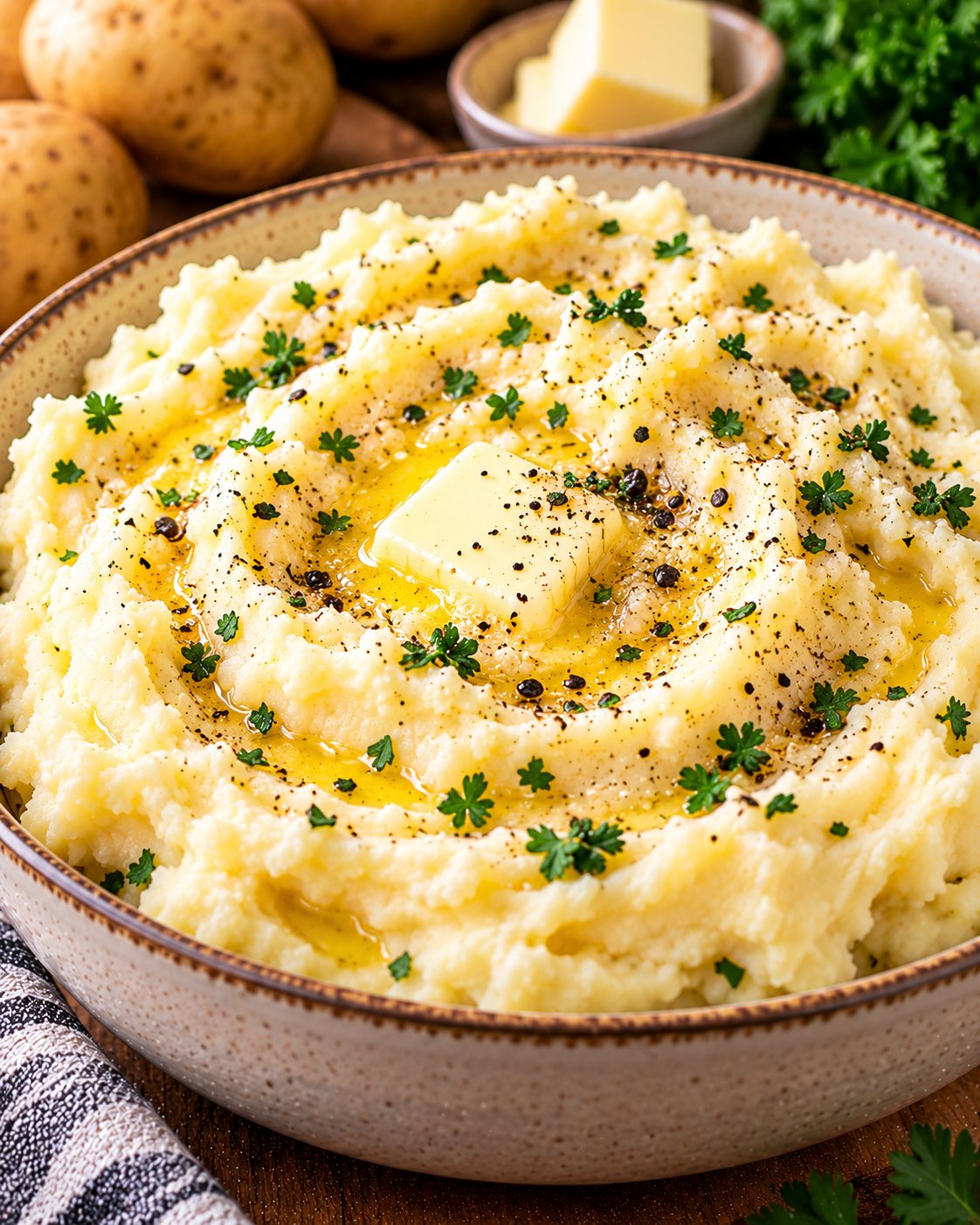
Frequently Asked Questions: Homemade Mashed Potatoes Recipe
Best Potatoes for Mashed Potatoes
For fluffy mashed potatoes, use russets; Yukon Gold potatoes are prized for their creamier texture. Your choice depends on your preference.
Why Are My Mashed Potatoes Gummy?
Too much starch release will make mashed potatoes gluey or sticky. The type of potato and the amount of mechanical working also influence the result .
Can You Make Mashed Potatoes In Advance?
Yes, many mashed potato recipes can be made ahead. They may firm up during refrigeration so follow the make-ahead guidance in the recipe.
Final Tips & Serving Ideas
Homemade Mashed Potatoes Recipe is a classic side dish that belongs at everyday dinners and holiday gatherings. The best kind is creamy, comforting, and full of familiar potato flavour.
Serve with roast meats, savoury gravy or your favourite family casserole. For more comforting sides, see related potato recipes and holiday dinner favourites. The whole recipe is in the card below.
Homemade Mashed Potatoes
Ingredients
Method
- Peel the potatoes and cut them into even-sized chunks.
- Place the potatoes in a large pot and cover them with cold water.
- Add salt to the water and bring to a boil.
- Reduce to a simmer and cook the potatoes until fork-tender, about 15-20 minutes.
- Drain the potatoes and return them to the pot.
- Add the butter and milk to the potatoes.
- Mash the potatoes until smooth and creamy, being careful not to overwork them.
- Season with salt and pepper to taste.
- Serve immediately as a comforting side dish with your favorite meal.