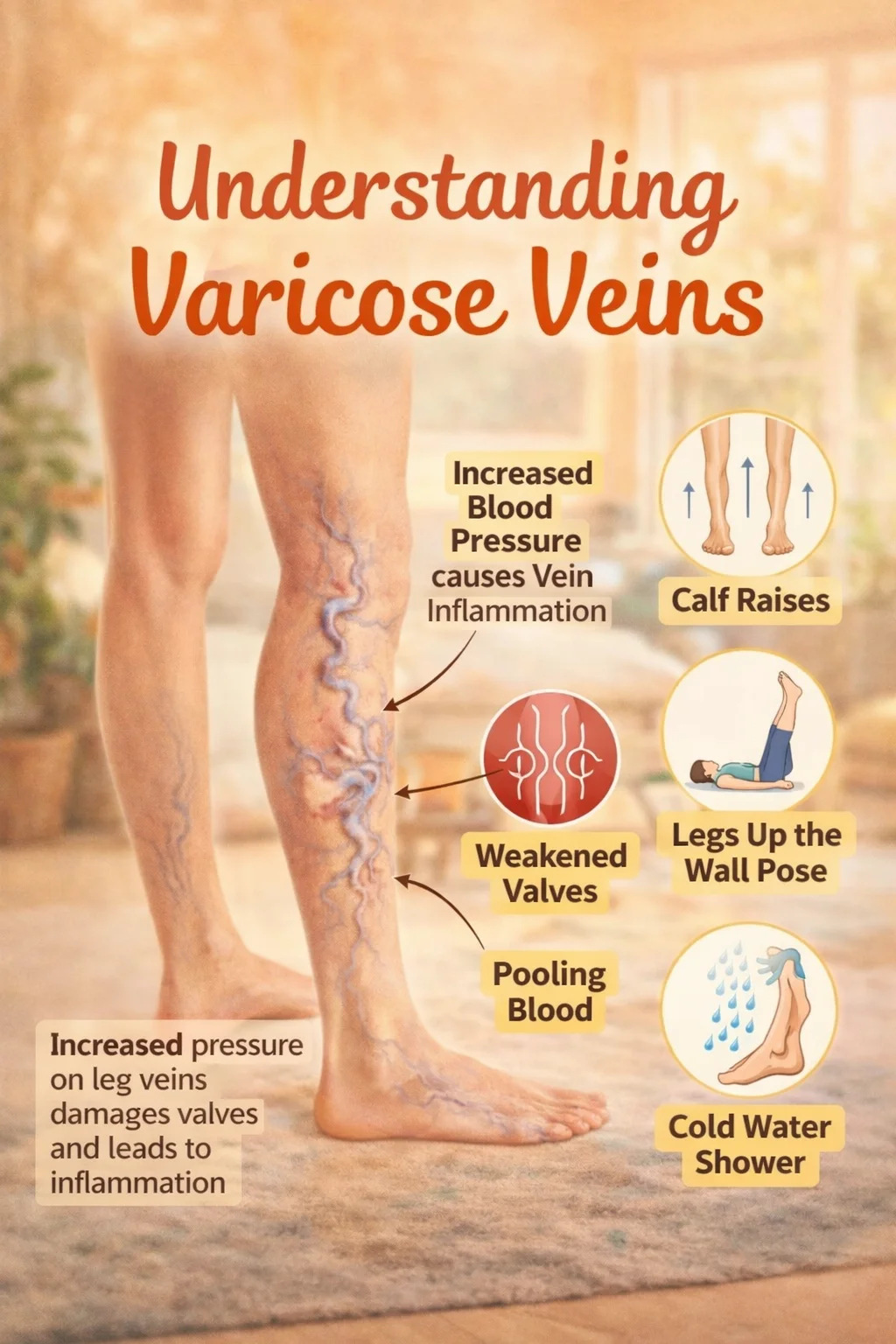
So, How Varicose Veins Develop And How To Address Them—let’s dig in. Ever glanced at your legs and spotted those twisty, blue-ish lines? Same. It’s kinda like noticing your potatoes getting a few too many sprouts—annoying, impossible to ignore, and leaves you thinking, “What did I do to deserve this?” Spoiler: It’s not just an age thing. Friends and family have asked for remedies almost as often as they ask for my crispy breakfast potatoes recipe you’ll make again and again or sought comfort in my cheesy ranch potatoes and smoked sausage on rough days. Anyway—let’s untangle the details (pun intended).
Overview of Varicose Veins
Okay, so first things first—what exactly are varicose veins? Not medical gibberish, just straight talk:
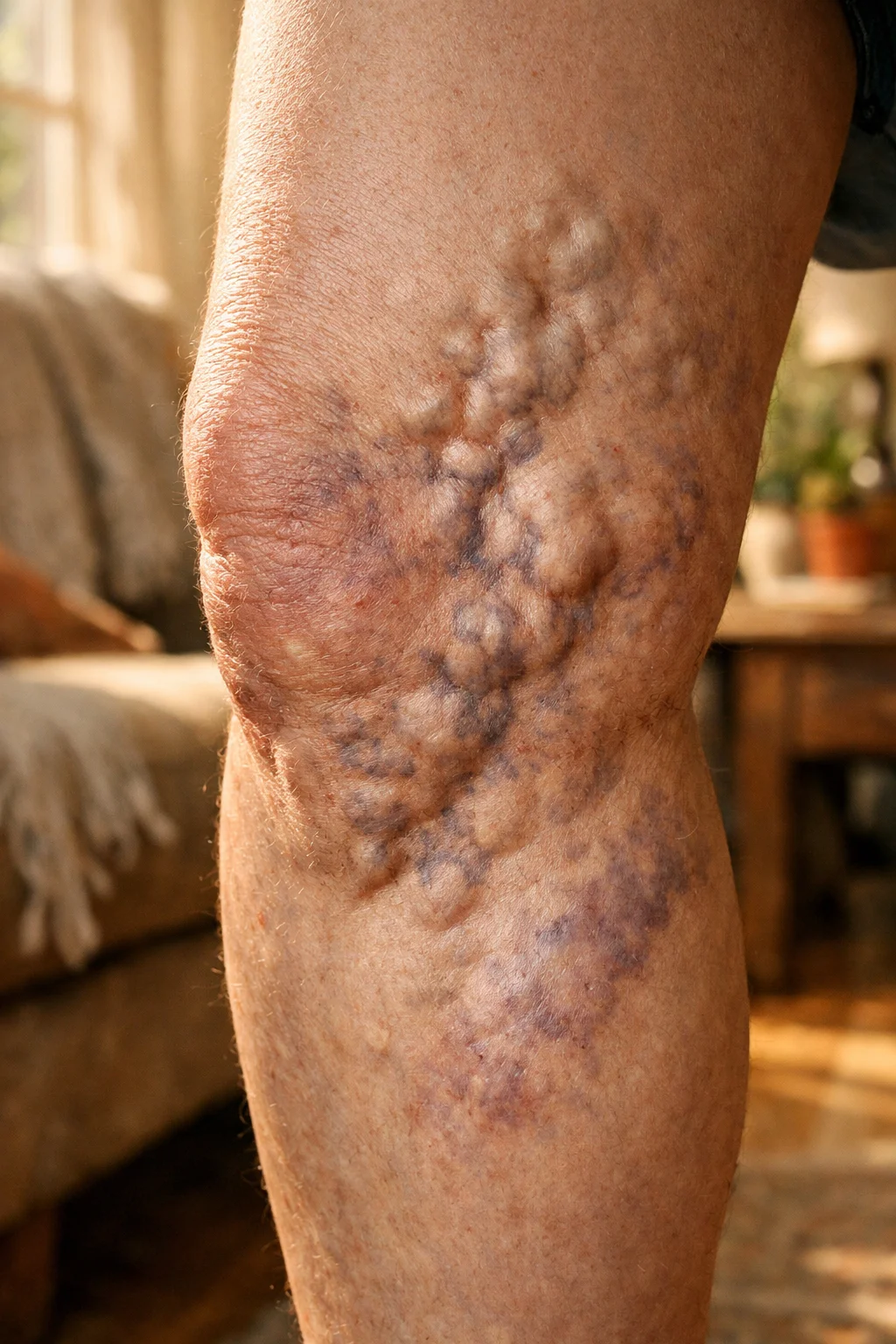
Veins that get swollen, twisted, and pop up right under your skin—usually on the legs.
You might see ‘em bulging out, blue or purple, or just looking stubbornly puffy.
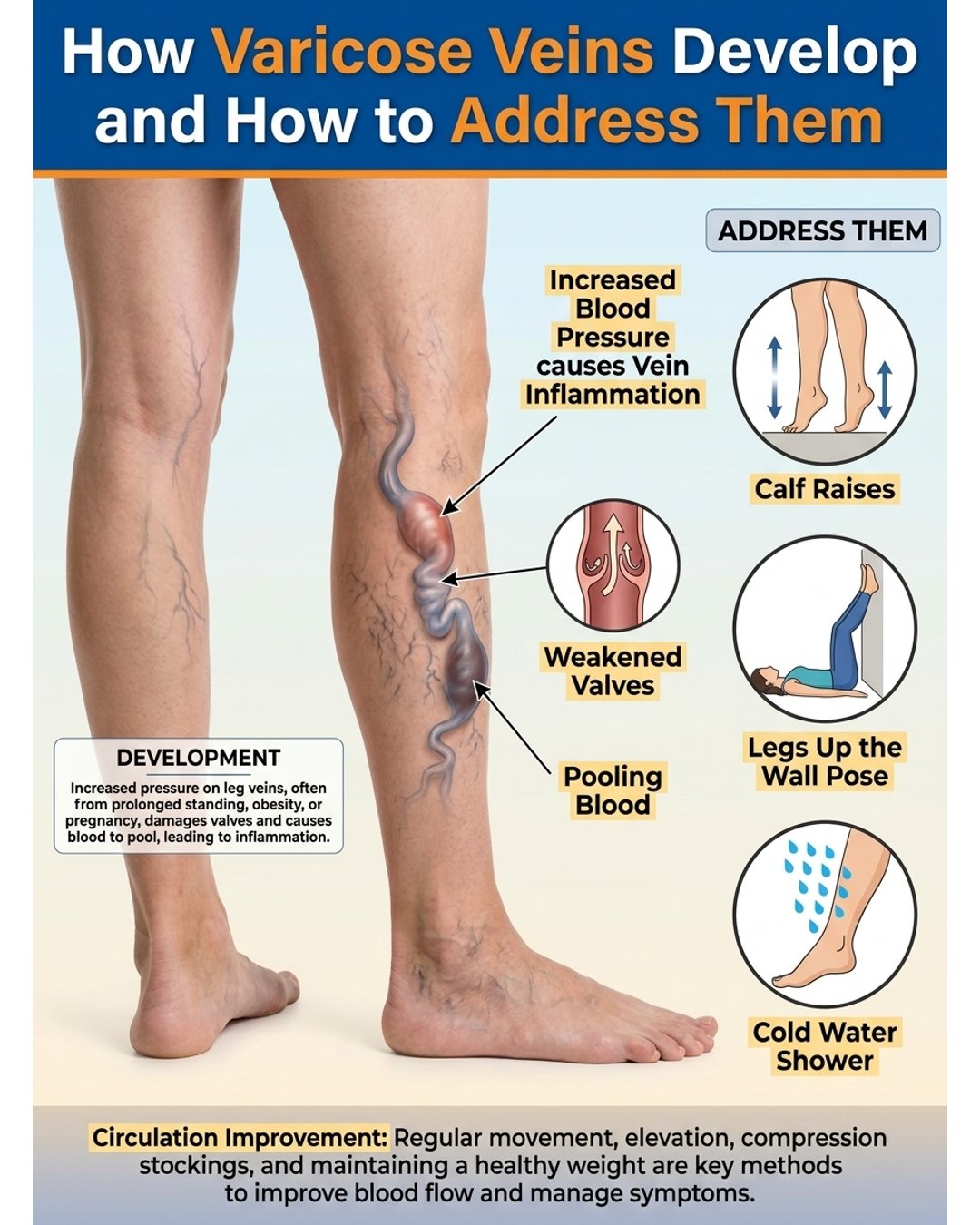
Happens ‘cause the one-way valves in your veins go, “Eh, not today,” and don’t close right, letting blood pool up.
Seriously, it’s not just for older folks; anyone can get them!
“After standing all day at work, my legs looked like a roadmap. It made me feel older than my dad—so glad I figured out what was going on and what to do!”
Symptoms and Causes
This is where you usually go, “Is it just tired legs or something else?”
Aching, throbbing, and heaviness—it sneaks up, especially after too much standing.
Itchy? Yup, that’s a thing, sometimes with weird skin color changes.
Causes: too much sitting/standing, family history, and well… sometimes life isn’t fair.
Weight gain or pregnancy can really boost your odds, honestly.
Treatment Options
Let’s get to the good stuff—how do you actually deal?
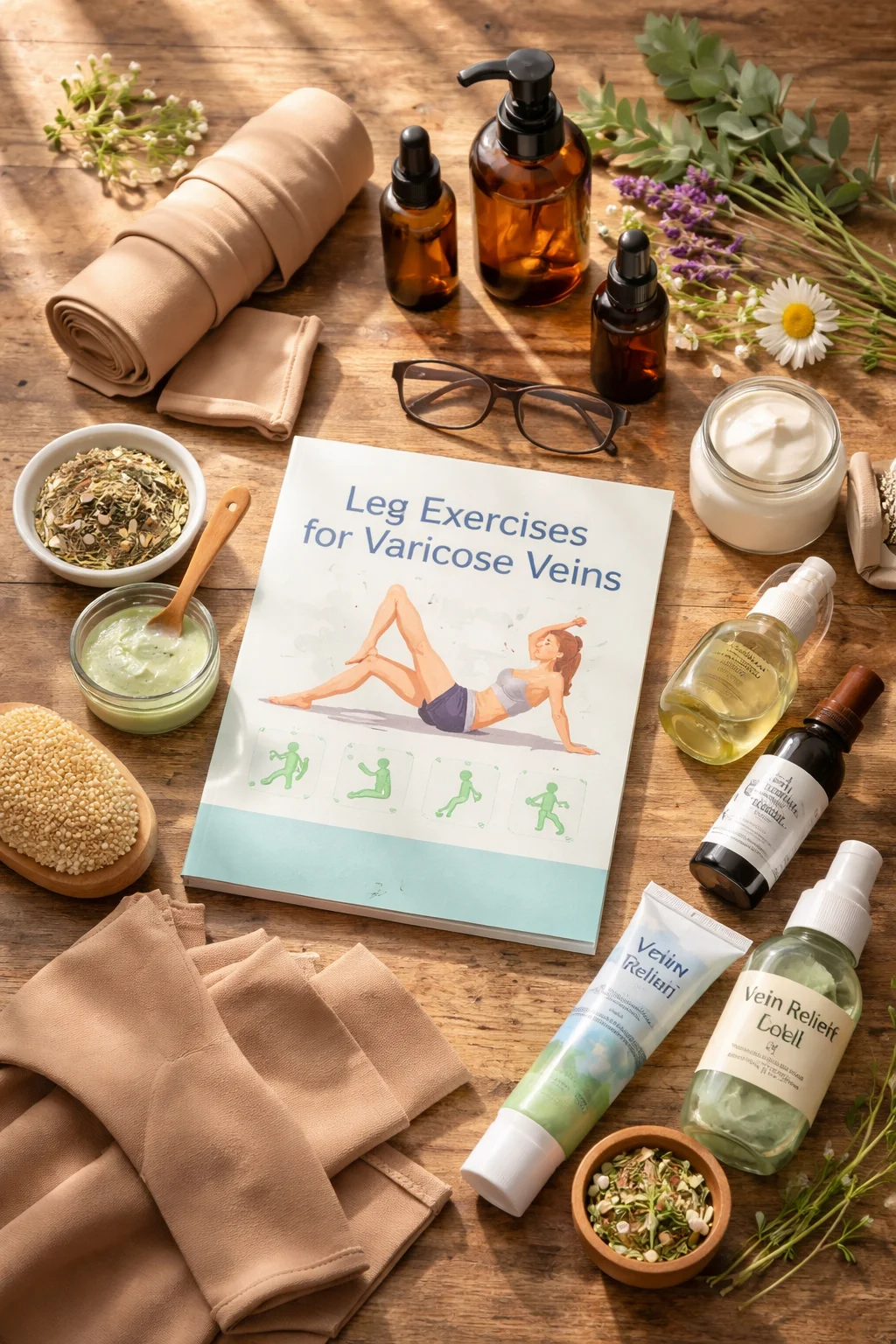
For mild cases: Compression socks (they’re not fashionable, but they work), plus exercise.
Doctor-prescribed stuff: Laser treatments, sclerotherapy (which sounds wild but is super common), or even mini surgeries.
Home stuff matters too—raise those legs when you Netflix, and avoid standing like a statue.
Don’t go DIY on crazy hacks; stick to what specialists recommend for best results.
“I wore those compression socks for a few weeks, and while they weren’t the hottest accessories, my legs felt way better. Better than eating mashed potatoes on a cold night!”
Risk Factors for Varicose Veins
Some folks are more at risk—here’s how the cookie crumbles:
It’s all about family—thanks, Mom and Dad.
Jobs where you barely move? Not helping. (On your feet or sitting, both can do it!)
Hormones: pregnancy, menopause, birth control—yup, those matter too.
Dang it, even getting older is a factor (unfair but true).
Living with Varicose Veins
Honestly, you don’t need to put your life on hold (or swear off shorts forever).
Prop up those legs—literally, the easiest homework ever.
Moisturizer won’t cure veins, but it can keep itchy skin at bay.
If anything gets worse, or pain won’t quit, go see your doc. Don’t wait.
Common Questions
Do varicose veins go away on their own? Usually, nah. They might look better if you move more or lose weight, but don’t bank on a complete vanishing act.
Is it dangerous to leave them untreated? For most, it’s more annoying than life-or-death, but sometimes, untreated veins can lead to bigger health headaches.
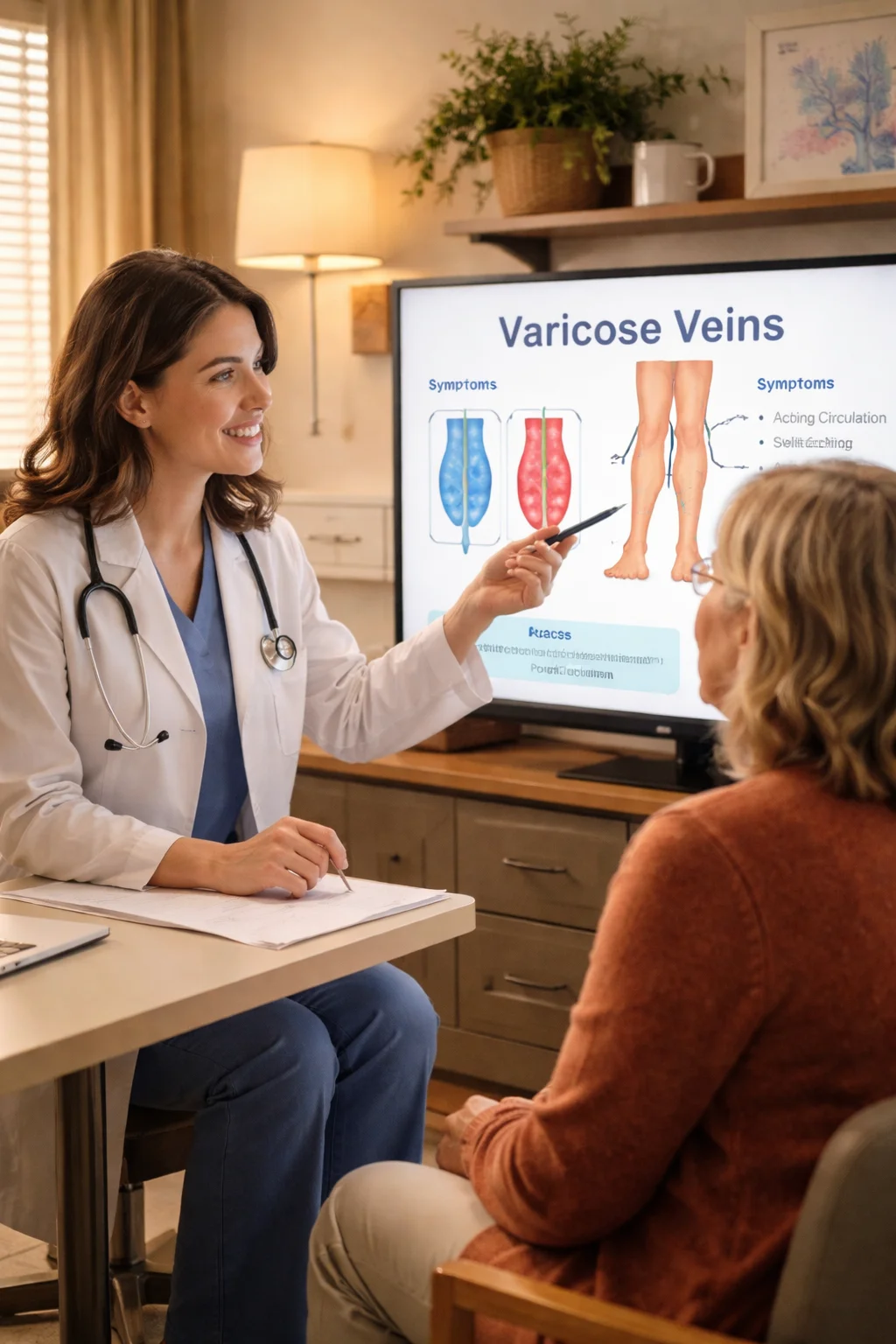
Do I need a doctor or can I just Google it? Google is fine (hey, here you are!), but your doctor will know for sure—if it’s new, sudden, painful, or changes fast, get checked.
Can kids or teens get varicose veins? Crazy but true—yep, though way less often than grown-ups. Worth mentioning to your family doc.
Are there foods that help? A good diet helps your veins just like it does the rest of you. Wishing potatoes were a cure, but hey, they make life tastier.
Wrapping It Up—Let’s Not Let Veins Win
So here’s the scoop: Varicose veins aren’t dangerous for most folks, but they sure are annoying (and sometimes, they hurt). The more you understand them, the better you can handle ‘em—kinda like figuring out any comforting casserole dinner recipe or learning how to clean burnt pots without losing your mind. If you want even more detailed info, check out helpful reads like Varicose Veins: Causes & Treatment – Cleveland Clinic or Varicose veins – Symptoms and causes – Mayo Clinic. Bottom line: don’t stress, get moving, and take care of your legs—so you can get back to chasing after good food and great days.
I create approachable recipes for home cooks who want delicious food without making everyday cooking complicated. My goal is to give you clear steps, practical tips and recipes you’ll genuinely want to make again.