
Easy Bibimbap Korean Rice Bowl Ground Beef is my go to dinner on those nights when I want something cozy and exciting, but I do not want to babysit the stove for an hour. You know the feeling, you have rice in the cooker, ground beef in the fridge, and you are this close to ordering takeout. This bowl saves the day because it is fast, flexible, and honestly kind of fun to build. It tastes like a treat, but it is made from simple groceries. If you have picky eaters, this is also one of those meals where everyone can customize their own bowl without extra drama. 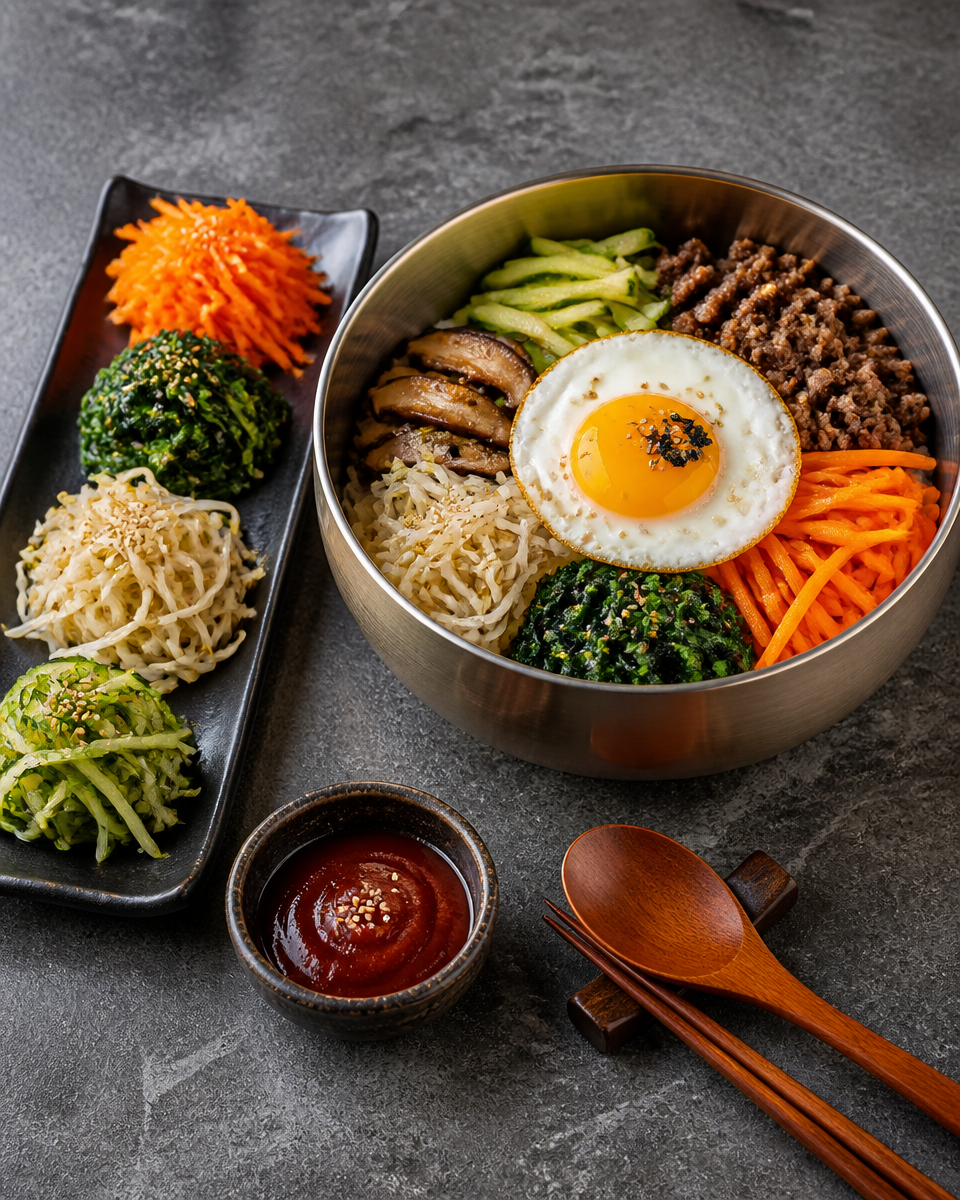
What is Bibimbap?
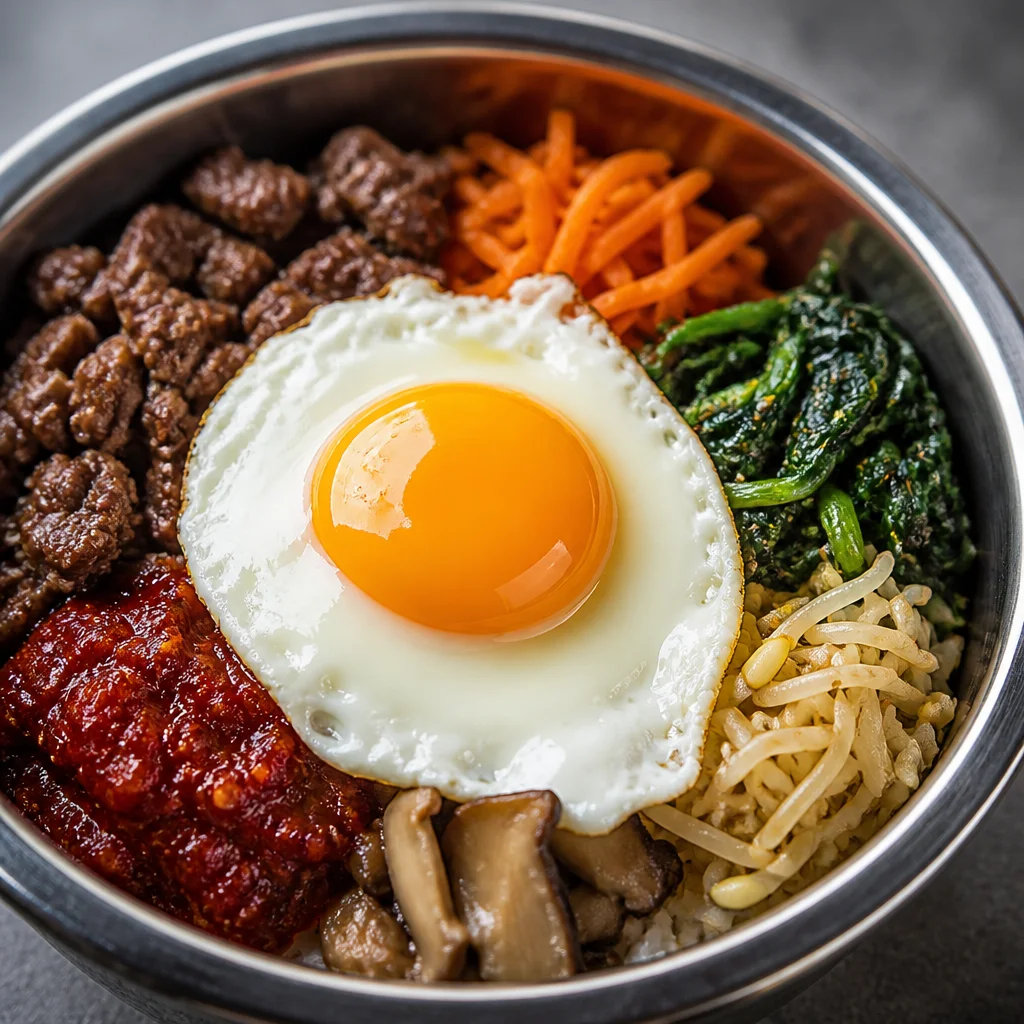
Bibimbap is basically a Korean mixed rice bowl where you pile warm rice with a mix of toppings, then stir it all together with a sauce. The name is pretty literal, it is all about mixing. Traditionally you might see a bunch of seasoned vegetables, some kind of meat, and a fried egg on top. When you mix it, you get a little bit of everything in every bite, which is exactly why I love it.
My easy version leans on ground beef because it cooks quickly and soaks up flavor like a champ. It also makes the recipe way more weeknight friendly. If you want another reference point for how I keep it simple, I shared a similar vibe here too: easy beef bibimbap korean rice bowl. Same comfort, same quick win.
Also, do not stress if you do not have every classic vegetable topping. Bibimbap is forgiving. The whole point is using what you have and making it taste great with a good sauce and a solid balance of textures.
Recipe Success Tips
I have made this enough times to know where things can go a little sideways, so here are my real life tips.
Get the rice right
Warm rice is the foundation. If your rice is old and dry, sprinkle a tiny bit of water over it and microwave it covered. If you are cooking fresh rice, start it first so it is ready when the beef is done. I usually do jasmine or short grain rice, but even leftover basmati works.
Do not overcook the beef
Ground beef goes from juicy to crumbly and dry pretty fast. Cook it until it is no longer pink, then let the sauce finish it. If there is a lot of grease, drain a little, but leave a bit for flavor.
When I want a slightly different bowl vibe, I also make this one: easy korean beef bowl ground beef and rice. It is not the same as bibimbap, but it scratches the same itch when I want dinner fast.
Balance soft and crunchy toppings
Bibimbap is better when you have contrast. Think warm beef and rice plus something crunchy like cucumber, carrots, or quick sautéed bean sprouts. Even shredded lettuce works in a pinch.
Use a sauce you actually like
Gochujang is the classic spicy sweet paste. If you love spice, go for it. If you are spice shy, mix a smaller amount with a little honey and sesame oil to mellow it out. You can always add more later.
I tried this with ground beef because it was what I had, and it turned out better than the restaurant bowl I usually order. The sauce and the egg on top made it feel special, even on a random Tuesday.
Ingredients You’ll Need
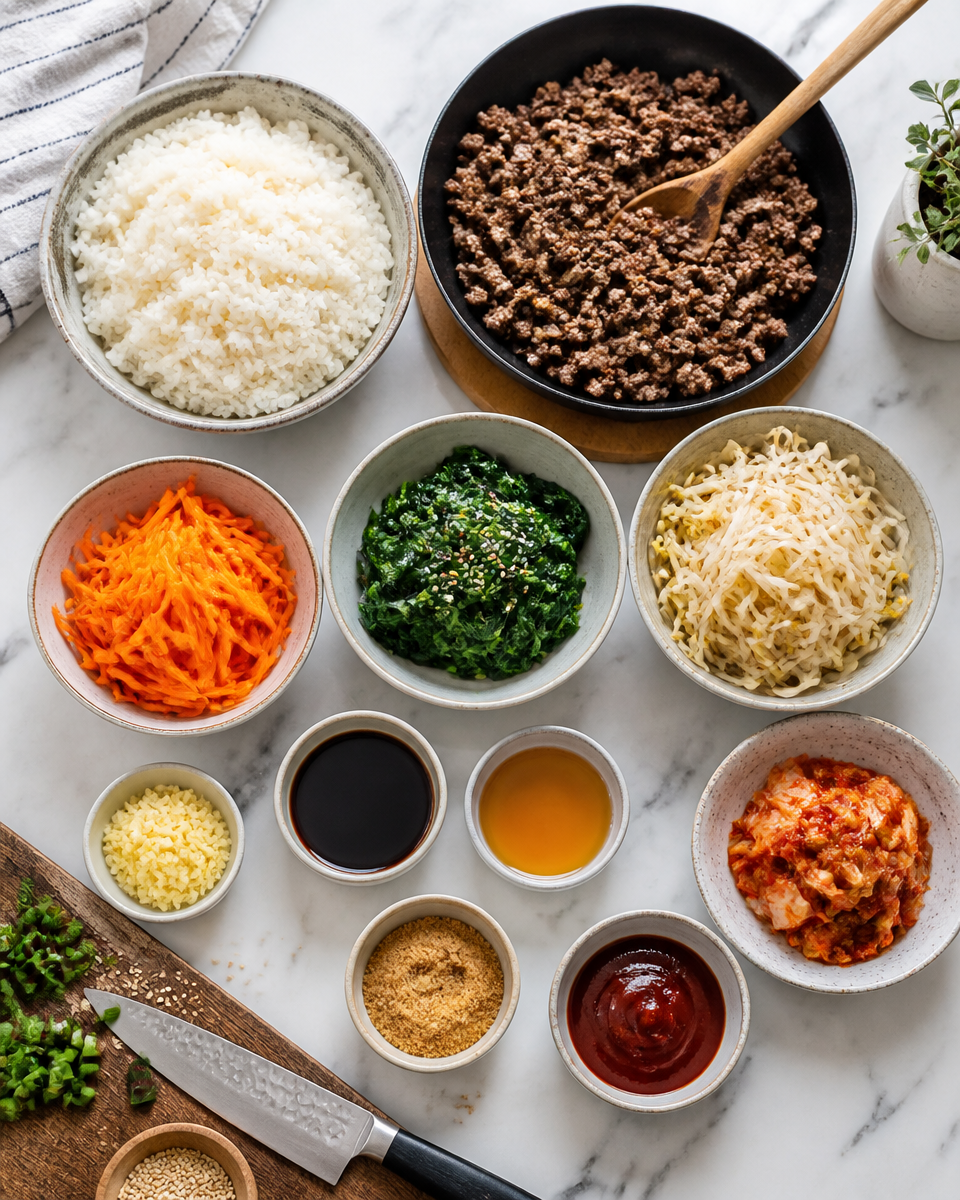
This is the part where you can glance in your fridge and feel relieved, because it is not complicated. Here is what I use most often for Easy Bibimbap Korean Rice Bowl Ground Beef.
- Cooked rice, warm, any kind you like
- Ground beef, I like 85 or 90 percent lean
- Garlic, minced
- Soy sauce
- Sesame oil
- Brown sugar or honey
- Gochujang (optional but recommended)
- Veggie toppings, pick 2 to 4: shredded carrots, spinach, cucumbers, mushrooms, zucchini, bean sprouts
- Eggs, one per bowl if you can
- Sesame seeds and sliced green onions for topping
;
If you are missing gochujang, you can still get a tasty bowl with soy sauce, a touch of sugar, garlic, and a little hot sauce. It will not taste exactly the same, but it will still be delicious.
And if you are on a ground beef kick like I usually am, you might also like my cozy soup option here: easy stuffed pepper soup ground beef and rice. Totally different flavor, same easy dinner energy.
How to Make Bibimbap Step-by-Step Photos {video_youtube}
I am going to walk you through it in a way that feels doable, even if you are tired and cooking in sweatpants. That is usually how I do it.
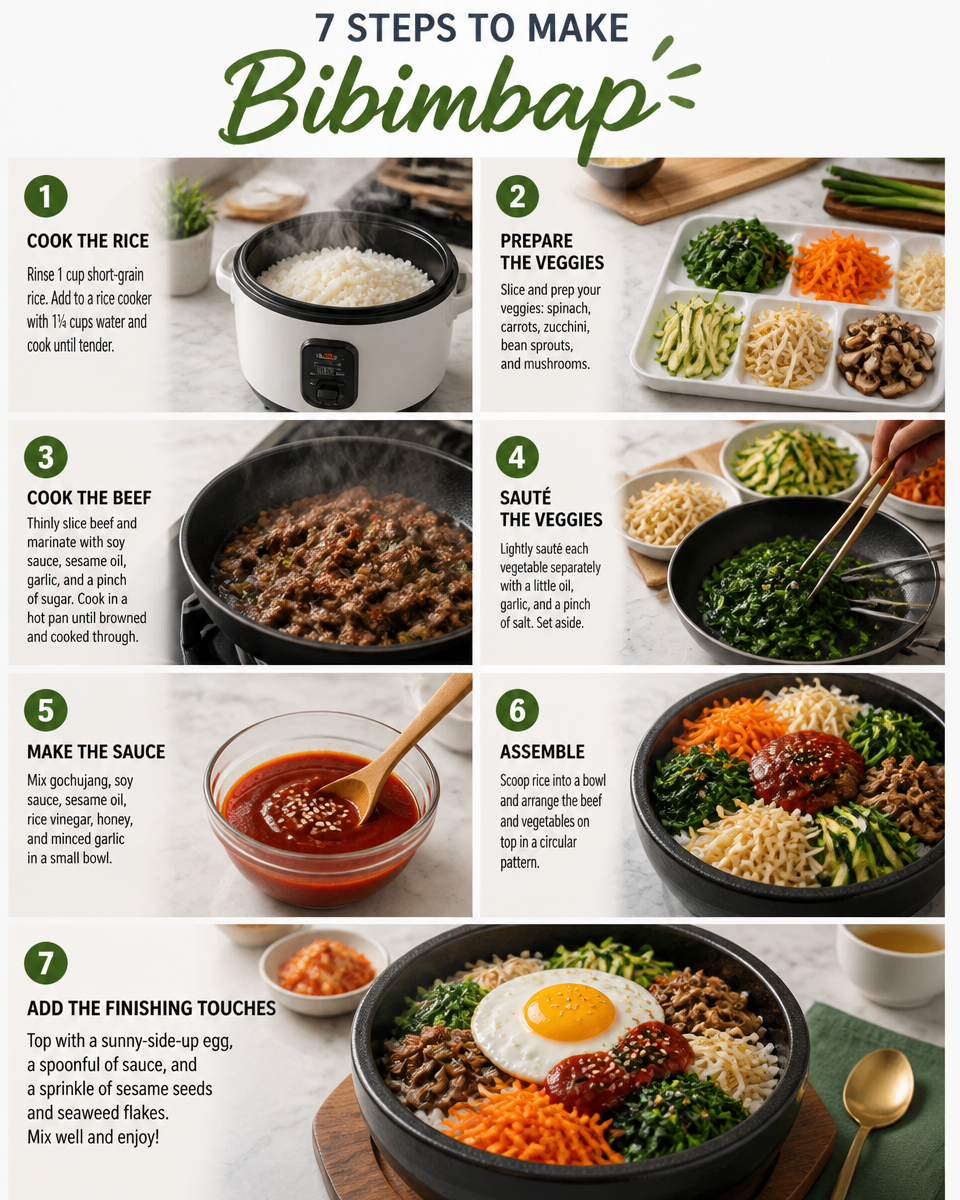
Step 1: Start the rice. If you already have cooked rice, warm it up. If not, get it going first so everything comes together at the same time.
Step 2: Cook the ground beef. Add the beef to a skillet over medium heat. Break it up as it cooks. When it is mostly browned, add minced garlic and stir for about 30 seconds.
Step 3: Sauce it. Stir in soy sauce, sesame oil, and brown sugar or honey. If you are using gochujang, whisk a spoonful with a splash of warm water first, then add it in. Let it bubble for a minute so it clings to the beef.
Step 4: Prep toppings while the beef cooks. This is where you can keep it super simple. I often do quick sautéed spinach with a pinch of salt, shredded carrots raw, and sliced cucumbers. Mushrooms sauté fast too, just a little oil and a pinch of salt.
Step 5: Fry or soft cook the eggs. A runny yolk makes everything richer and helps the bowl mix together nicely. If runny eggs are not your thing, cook them through. No judgment.
Step 6: Build the bowls. Rice first, then beef, then veggies in little piles, then egg on top. Sprinkle sesame seeds and green onions. Add extra sauce if you like it spicy.
Step 7: Mix and eat. The best part is stirring it all together. The rice grabs the sauce, the veggies brighten it up, and it just works.
If you want another dinner bowl idea for busy nights, this one is fun too: easy keto taco bowls ground beef lettuce. Different flavor direction, but the same build your own bowl vibe.
Variations
This recipe is super flexible, and I actually think that is why it ends up on my table so often. Here are a few easy ways to switch it up without making your life harder.
Make it spicier: Add more gochujang, a pinch of red pepper flakes, or a little chili oil on top.
Make it mild: Use less gochujang and add a bit more honey. You can also serve the sauce on the side so everyone controls their own heat.
Swap the protein: Ground turkey works, thin sliced chicken works, even tofu works if you crisp it up a little.
Use whatever veggies you have: Leftover roasted broccoli, sautéed peppers, shredded cabbage, or even frozen spinach can be totally fine here.
Try cauliflower rice: If you want a lighter bowl, cauliflower rice is a good base. Just season it a little so it does not taste plain.
Also, if you want to see my main version again with a slightly different angle, here it is: easy beef bibimbap korean rice bowl. I like having options depending on what is in my fridge.
Common Questions
Can I make Easy Bibimbap Korean Rice Bowl Ground Beef ahead of time?
Yes. Cook the beef and prep the veggies, then store everything separately. Reheat the rice and beef, then assemble when you are ready to eat.
What if I do not have gochujang?
Use soy sauce, garlic, a touch of honey, and a little hot sauce or sriracha. It will not be identical, but it will still taste really good.
Do I have to use a fried egg?
Nope. The egg adds richness, but you can skip it or use a scrambled egg if that is easier.
What are the best veggies for beginners?
Carrots, cucumber, spinach, and mushrooms are simple and quick. You can do some raw and some cooked so you get different textures.
How do I keep the beef from getting salty?
Start with less soy sauce and add more after tasting. Also, if your gochujang is salty, you may need less soy sauce overall.
Dinner is Served, Now Go Mix That Bowl
Easy Bibimbap Korean Rice Bowl Ground Beef is one of those recipes that makes you feel like you did something special, even though it was honestly pretty easy. Keep the rice warm, do not overcook the beef, and lean on a sauce that tastes good to you. Once you try it once, you will get the rhythm and it gets even faster the next time. If you want to go deeper into classic bibimbap ideas, I really like this guide from Bibimbap (Korean Mixed Rice with Meat and Assorted Vegetables), and this budget friendly take from Bibimbap (Korean Mixed Rice Bowl) – Budget Bytes. Try it this week, and tell me what toppings you ended up using because I am always looking for new combos.
More Recipes to Try
If you are planning another homemade meal, these recipes are worth exploring next: Korean Ground Beef Bowl, Easy Mexican Ground Beef Casserole with Rice, Easy Ground Beef Tacos — Crispy Shell Weeknight Dinner and Easy Crack Slaw — Asian Ground Beef Noodle.
Bibimbap
Ingredients
Method
- Start the rice. If you already have cooked rice, warm it up. If not, get it cooking first.
- Cook the ground beef in a skillet over medium heat. Break it up as it cooks.
- When the beef is mostly browned, add minced garlic and stir for about 30 seconds.
- Stir in soy sauce, sesame oil, and brown sugar or honey. If using gochujang, whisk it with a splash of warm water before adding.
- Let it bubble for a minute so it clings to the beef.
- Prep toppings while the beef cooks. Quick sauté spinach, shred carrots raw, and slice cucumbers.
- Fry or soft cook the eggs as desired.
- Build the bowls starting with rice, then beef, followed by veggies, and egg on top. Sprinkle sesame seeds and green onions.
- Mix everything together before eating.