
Easy Beef Bibimbap — Korean Rice Bowl is what I make when I want a real dinner but I have zero interest in doing a million dishes. You know the vibe, you are hungry, you want something cozy, and you also want it to feel kind of fun to eat. This bowl hits that sweet spot because it is rice, saucy beef, crunchy veggies, and a runny egg all piled together. It looks impressive, but it is totally weeknight friendly. If you have ever felt intimidated by Korean flavors, this is a very comfortable place to start. 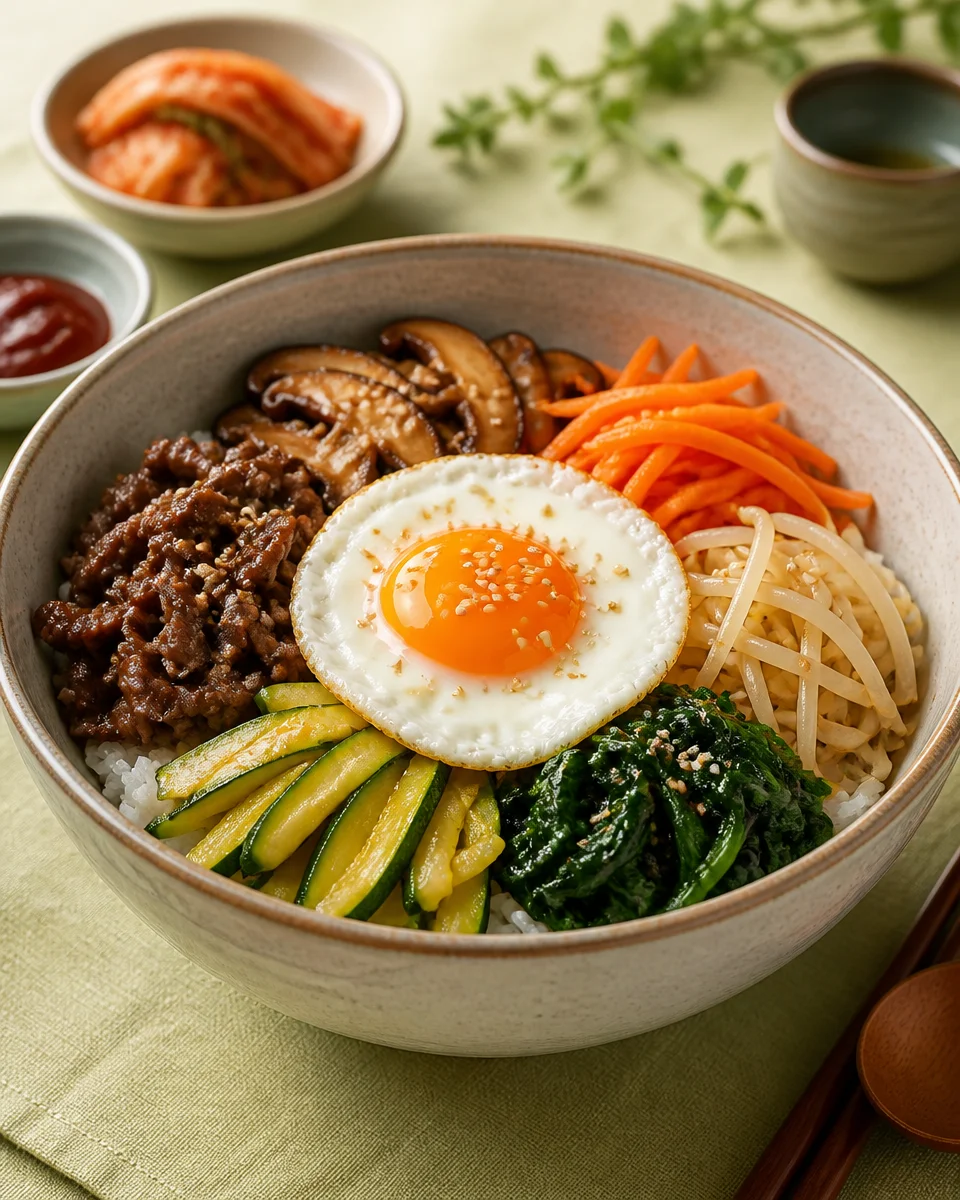
Key Benefits of Understanding the Topic
Once you understand how this bowl works, it becomes one of those recipes you can repeat forever without getting bored. Easy Beef Bibimbap — Korean Rice Bowl is basically a formula, and you can adjust it based on what is in your fridge.
Here is what I love about it, and why I think you will too:
- Fast comfort food that still has fresh crunch from veggies.
- Budget friendly because ground beef goes a long way with rice.
- Great for meal prep since the beef and rice reheat well.
- Everyone builds their own bowl, so picky eaters can skip things.
Also, if rice bowls are your thing in general, you will probably like my other comfort-bowl obsessions. I make this easy Korean beef bowl with ground beef and rice when I want something super simple and sweet savory.
Common Misconceptions Explained
A lot of people assume bibimbap is complicated, like you need ten fancy side dishes lined up in perfect little piles. Real talk, you do not. Easy Beef Bibimbap — Korean Rice Bowl can be as simple as rice, beef, two veggies, and an egg, and it will still taste like something you would order.
Another misconception is that you need a stone bowl to make it “real.” A hot cast iron or a regular bowl works just fine at home. The stone bowl is awesome for crispy rice, but the flavor comes from the sauce and the mix of textures.
And let us talk about gochujang. People get nervous about it, but it is basically a Korean chili paste that is spicy, a little sweet, and super flavorful. If you cannot find it, you can still make a tasty bowl with a quick swap (I will get into that in the tips). But if you can find it, it is worth it because it makes Easy Beef Bibimbap — Korean Rice Bowl taste like the real deal.
One more thing: bibimbap does not have to be super spicy. You control the heat by how much sauce you add. I usually keep it mild in the bowl and add extra at the table.
Step-by-Step Guide to Implementation
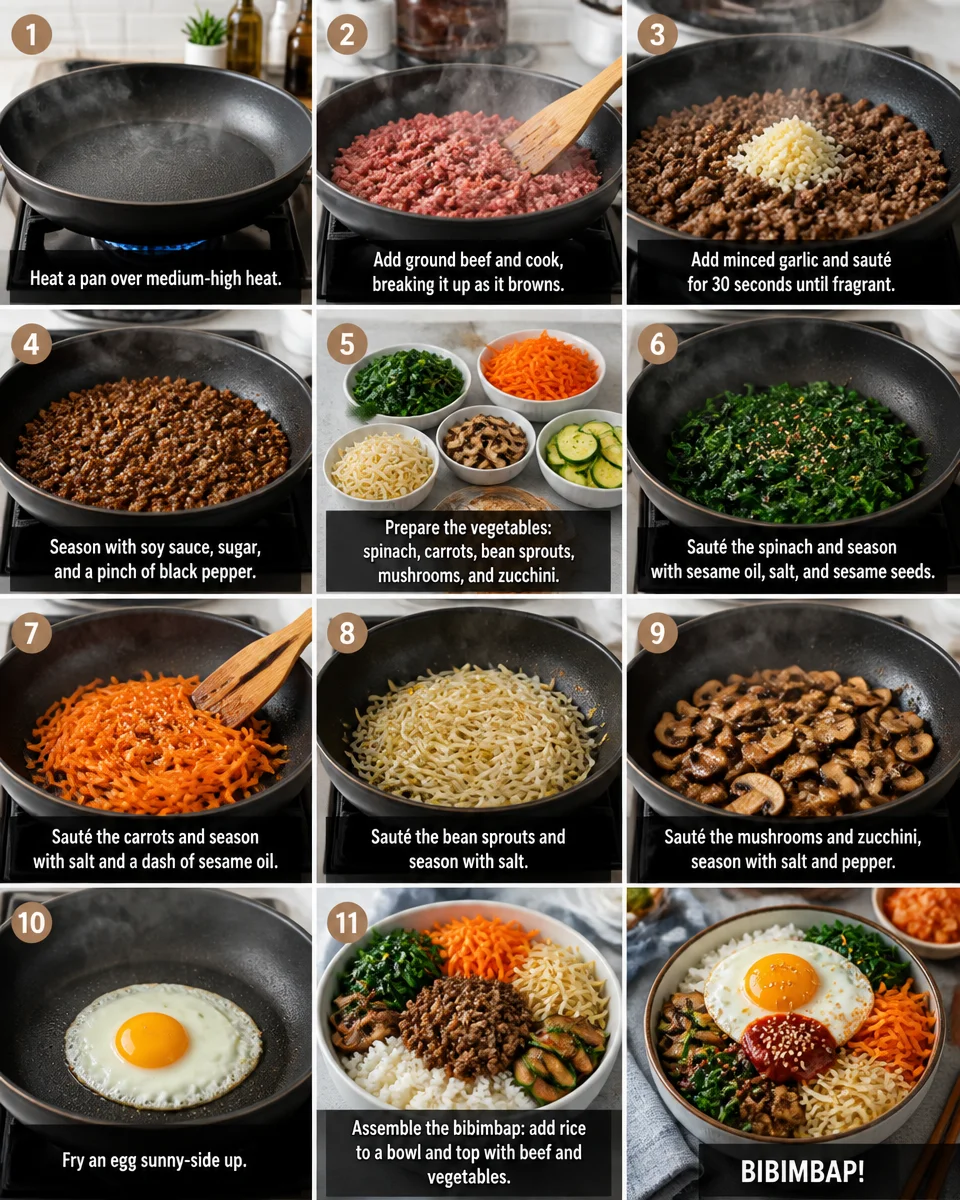
This is my practical, weeknight version. Nothing fussy, just the steps that get you a great bowl. I usually start the rice first, then cook the beef, then quickly handle the veggies while the beef simmers.
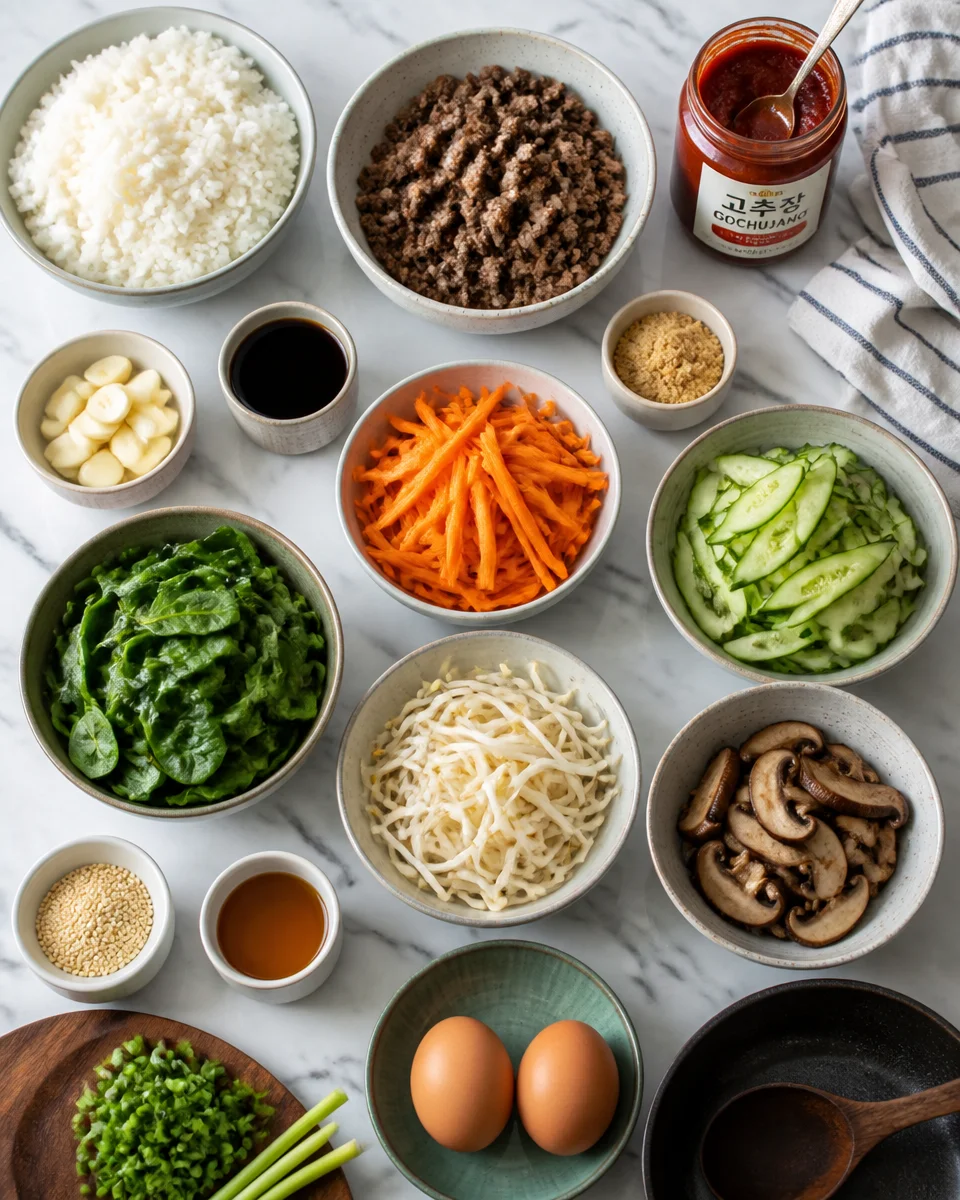
What you will need
- Cooked rice (white rice is classic, but brown rice works)
- Ground beef (lean is easiest, but any works)
- Garlic (fresh is best, jar is fine)
- Soy sauce
- Sesame oil (a little goes a long way)
- Gochujang (Korean chili paste)
- Brown sugar or honey (just a touch)
- Veggies like cucumber, shredded carrot, spinach, bean sprouts, mushrooms, or whatever you have
- Eggs (fried egg on top is my favorite)
- Optional toppings: sesame seeds, green onions, kimchi
Quick sauce idea (my lazy but delicious one)
In a small bowl, stir together: gochujang, soy sauce, a little sesame oil, a little sugar or honey, and a splash of water to loosen it. Taste it. If it is too strong, add a bit more water. If you want more bite, add more gochujang.
Cook the beef
Heat a pan, add the beef, and break it up. When it is mostly browned, add garlic and a splash of soy sauce. Stir, let it get glossy, then add a spoonful or two of your sauce. You want it saucy, not soupy. If you are dealing with a lot of grease, just carefully spoon some out so the beef tastes clean and not heavy.
Prep the veggies without overthinking it
I usually do a mix of raw and quick cooked veggies:
- Cucumber: slice thin, sprinkle with salt, let sit 5 minutes, then pat dry.
- Carrots: shred and keep raw, or quick saute for 1 minute.
- Spinach: toss in a hot pan with a drop of sesame oil until wilted, then pinch of salt.
- Mushrooms: saute with a tiny splash of soy sauce.
This is where you can use what you have. I have even used leftover roasted broccoli and called it a day. Still good.
Fry the eggs and build the bowl
Fry an egg in a little oil until the edges are crisp and the yolk is runny (or cook it how you like). Add rice to a bowl, pile beef and veggies on top, add the egg, then drizzle more sauce. The best part is mixing everything together so the egg and sauce coat the rice.
For a fun dinner theme night, I sometimes bounce between bowls depending on cravings. If you want something with a totally different vibe but still comforting, this easy loco moco Hawaiian rice beef gravy bowl is pure comfort.
I made this on a Wednesday after work and it was honestly the first time my whole family ate the same dinner without complaints. The sauce is the magic part. We are adding it to the regular rotation for sure.
Expert Tips and Best Practices
I am not a professional chef, but I have made enough rice bowls to know what actually matters at home. These tips keep Easy Beef Bibimbap — Korean Rice Bowl from turning into a sad, soggy bowl of rice.
Tip 1: Keep the rice hot. Cold rice makes the whole bowl feel flat. If you are using leftover rice, warm it with a splash of water and cover it so it steams.
Tip 2: Do not drown it in sauce. Start with a little, mix, then add more. You can always add, but you cannot take away once your rice is swimming.
Tip 3: Balance soft and crunchy. If everything is cooked, it can feel mushy. Add at least one fresh crunchy veg like cucumber or carrot.
Tip 4: Gochujang swap if needed. If you cannot find gochujang, mix a little sriracha with a tiny bit of miso or extra soy sauce plus a touch of sugar. It is not identical, but it gets you close enough for a weeknight.
Tip 5: Make it yours. Ground turkey works, tofu works, leftover steak works. I have even used bits of leftover meat from other dinners. For another easy dinner that uses beef and rice in a totally different way, this one pot moussaka beef rice pilaf is surprisingly cozy.
Also, if you want to make this feel restaurant-ish, add a little kimchi on the side and some toasted sesame seeds on top. It is a small thing, but it makes the bowl feel special.
Resources for Further Learning
If you are the type who likes to collect variations and keep a little recipe inspiration list, I get it. Rice bowls are dangerously easy to fall in love with, because they solve dinner without drama.
To keep exploring bowl meals from different cuisines, you might like this easy chicken souvlaki rice bowl Greek style when you want something bright and herby, or this cozy easy congee Chinese rice porridge comfort bowl when you want something gentle and soothing.
For Easy Beef Bibimbap — Korean Rice Bowl specifically, pay attention to the idea behind it: a base, a protein, a few vegetables, and a sauce. Once you get that, you can freestyle it with whatever is in season or whatever needs to be used up.
Common Questions
1) Can I make Easy Beef Bibimbap — Korean Rice Bowl ahead of time?
Yes. Cook the rice and beef, prep the veggies, and store everything separately. Reheat the rice and beef, then top with fresh veggies and a new egg.
2) What is the best rice to use?
Short grain or medium grain white rice feels most classic, but honestly any rice you enjoy works. Even leftover jasmine rice is great.
3) How do I keep the bowl from getting watery?
Do not over-sauce, and pat watery veggies dry (especially cucumbers). Also drain excess fat from the beef if it is very greasy.
4) Is this recipe spicy?
It can be, but it does not have to be. Use less gochujang in the sauce and let people add extra at the table.
5) What toppings make it better fast?
A fried egg, sesame seeds, sliced green onions, and a side of kimchi. Those four things do a lot without extra work.
A cozy bowl you will want on repeat
If you take anything from this post, let it be this: Easy Beef Bibimbap — Korean Rice Bowl is more about the mix than perfection. Keep the rice hot, the beef savory, the veggies crisp, and the egg how you like it. If you want more inspiration and classic technique ideas, I like checking out Bibimbap (Korean Mixed Rice Bowl) – Budget Bytes and Bibimbap! (Korean Rice Bowl) – RecipeTin Eats when I am in a food rut. Now go make your bowl, stir it up, taste, adjust, and make it yours next time too. 
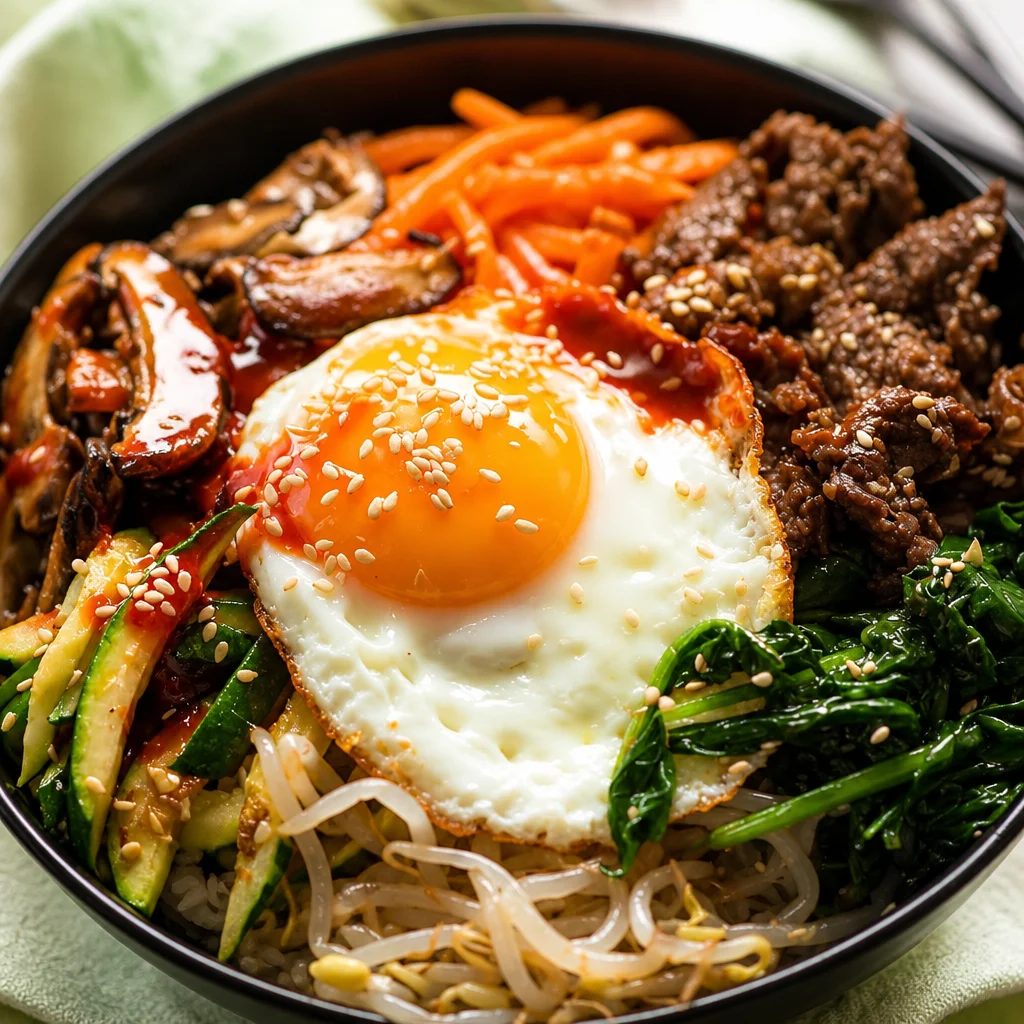
Easy Beef Bibimbap
Ingredients
Method
- Start by cooking the rice according to package instructions.
- In a pan, heat the ground beef and break it up as it cooks.
- Once the beef is mostly browned, add minced garlic and a splash of soy sauce.
- Stir until glossy, then add a few spoonfuls of your sauce recipe.
- For cucumber, slice thin, sprinkle with salt, sit for 5 minutes, then pat dry.
- Shred carrots and keep them raw or sauté for 1 minute.
- Toss spinach in a hot pan with a drop of sesame oil until wilted, then sprinkle with salt.
- Sauté mushrooms with a little soy sauce.
- Fry the eggs to your liking in a little oil, until edges are crisp and yolk is runny.
- In a bowl, add rice, followed by beef, veggies, and egg on top.
- Drizzle with more sauce and mix everything together before eating.