
Beef liver and onions is one of those dinners people tend to have strong feelings about. Some grew up eating it with mashed potatoes and gravy, while others remember liver that was so dry and tough they never wanted to try it again. The difference between those experiences often comes down to how the liver was handled and cooked.
A good liver and onions recipe should bring out the rich, savory flavor of the beef without letting it become harsh or overwhelming. The onions are just as important as the meat. Their sweetness balances the liver’s distinctive taste and makes the whole plate feel more rounded.
If you’ve been hesitant to make beef liver at home, it helps to know what you’re looking for. Tender slices, properly cooked onions, and a little care with the timing can make this old-fashioned dish much more enjoyable.
Why You’ll Love This Beef Liver and Onions Recipe
One of the best things about liver and onions is how straightforward the dish is. It doesn’t need a complicated collection of sauces or toppings to be satisfying. When the beef liver is tender and the onions have developed their natural sweetness, the two ingredients do most of the work.
It’s also a meal with a distinctly homemade feel. Liver and onions has been served at family tables for generations, often alongside simple sides that make the dinner more substantial.
Beef liver is naturally rich in nutrients such as vitamin B12, iron, and vitamin A. Because its vitamin A content is particularly high, though, it isn’t something everyone should eat frequently. People who are pregnant, for example, are generally advised to avoid liver because of its high preformed vitamin A content.
For those who enjoy its flavor and can include it in their diet, liver and onions offers something different from the usual rotation of chicken, pasta, and ground beef dinners.
Best Liver to Use and How to Choose Fresh Liver
Beef liver has a stronger flavor than calf’s liver, which is generally milder and more delicate. Both can be used in liver dishes, but they don’t necessarily produce the same eating experience.
When buying fresh liver, look for a product that has been handled and refrigerated properly. It should have a fresh appearance without an unpleasantly sour or rotten smell. Color can vary, so it shouldn’t be your only measure of freshness.
Thickness is worth paying attention to as well. Very thin slices can overcook quickly, while thicker pieces may need more careful temperature checking to ensure they’re cooked through.
If you’re buying liver from a butcher, you can ask about the cut and thickness. Consistent pieces are easier to cook evenly than a mixture of very thin and thick slices.
Keep raw liver refrigerated and avoid cross-contamination with foods that won’t be cooked. As with other raw beef products, safe handling matters just as much as the finished flavor.
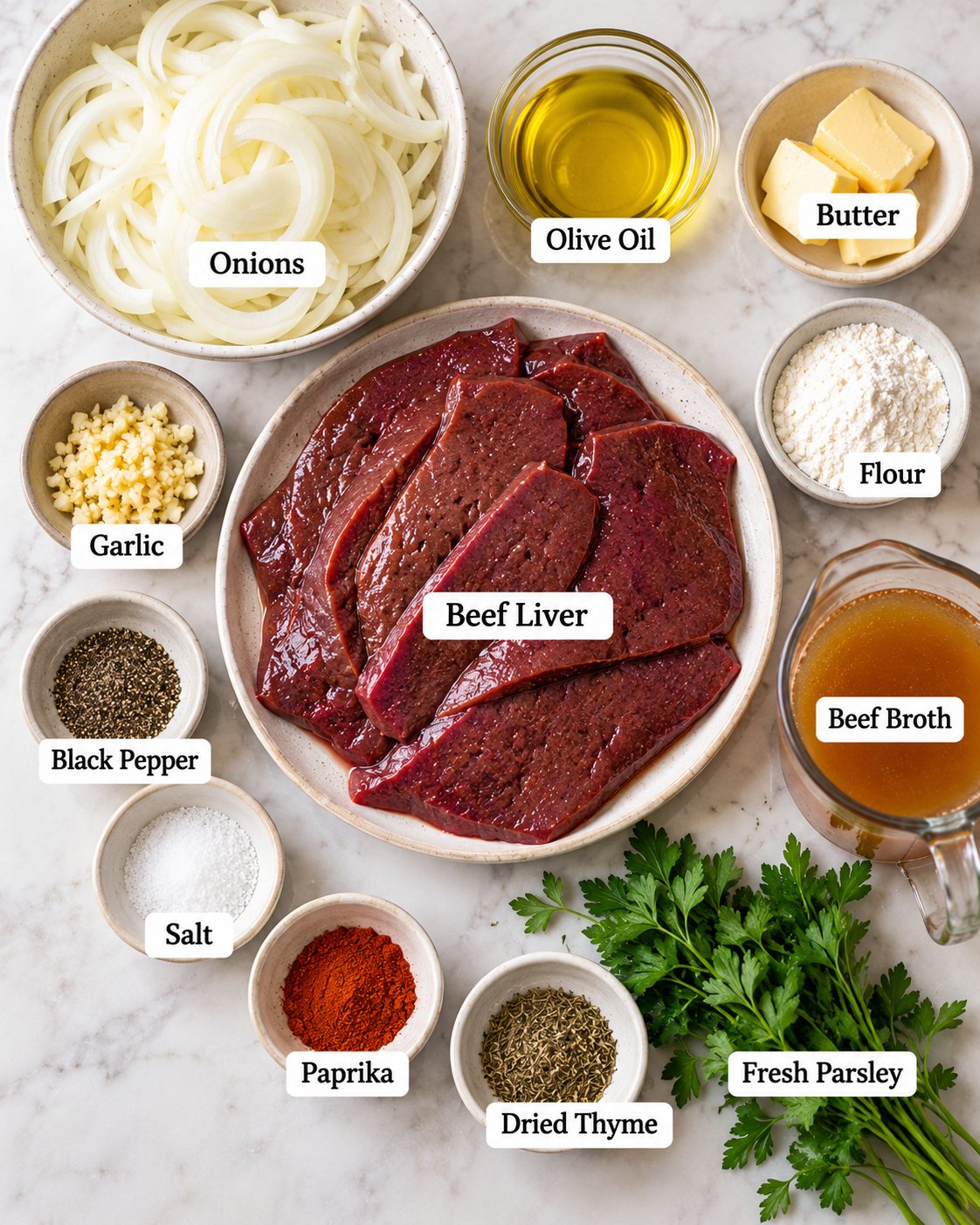
Beef Liver and Onions Ingredients
The liver provides the deep, mineral-rich flavor that defines this dish. Onions bring sweetness and a softer texture, creating a contrast that makes each bite more balanced.
The choice of onion can change the result. Yellow onions are a dependable option for savory cooking because they develop a pleasant sweetness. Sweet onions have a milder character, while white onions may bring a sharper flavor.
Seasoning should complement the liver rather than disguise it completely. Beef liver already has a distinctive taste, so piling on too many strong flavors can make the dish feel muddled.
Some versions of old-fashioned liver and onions include a light coating or gravy, while others keep the preparation simple. The ingredients in your recipe card determine which style you’re making.
How to Make Beef Liver and Onions
The complete cooking method is provided in the recipe card below, including the preparation and timing for this particular version.
The most important thing to understand is that liver behaves differently from a steak or a slow-cooked roast. Its texture can become firm and dry when overcooked, but it still needs to reach a safe internal temperature.
For beef liver, USDA guidance recommends cooking organ meats to 160°F (71°C). Use a food thermometer rather than relying on color alone.
How to Keep Beef Liver Tender and Avoid Overcooking
The texture of liver changes quickly as it cooks. When it’s cooked beyond the point needed for safety, it can become dry, grainy, and unpleasantly firm.
Thickness affects how evenly it cooks. Thin slices may reach their target temperature sooner than thick ones, which is why using pieces of similar thickness can help.
Another consideration is the quality of the liver itself. A fresh, properly handled product is a better starting point than one that’s been stored too long.
Some cooks use soaking techniques to soften liver’s flavor, but these vary between recipes and don’t replace proper handling or safe cooking. Follow the method specified in your recipe card rather than assuming every liver recipe needs soaking.
The goal is liver that’s fully cooked yet still pleasant to eat, with a texture that works alongside the soft onions.
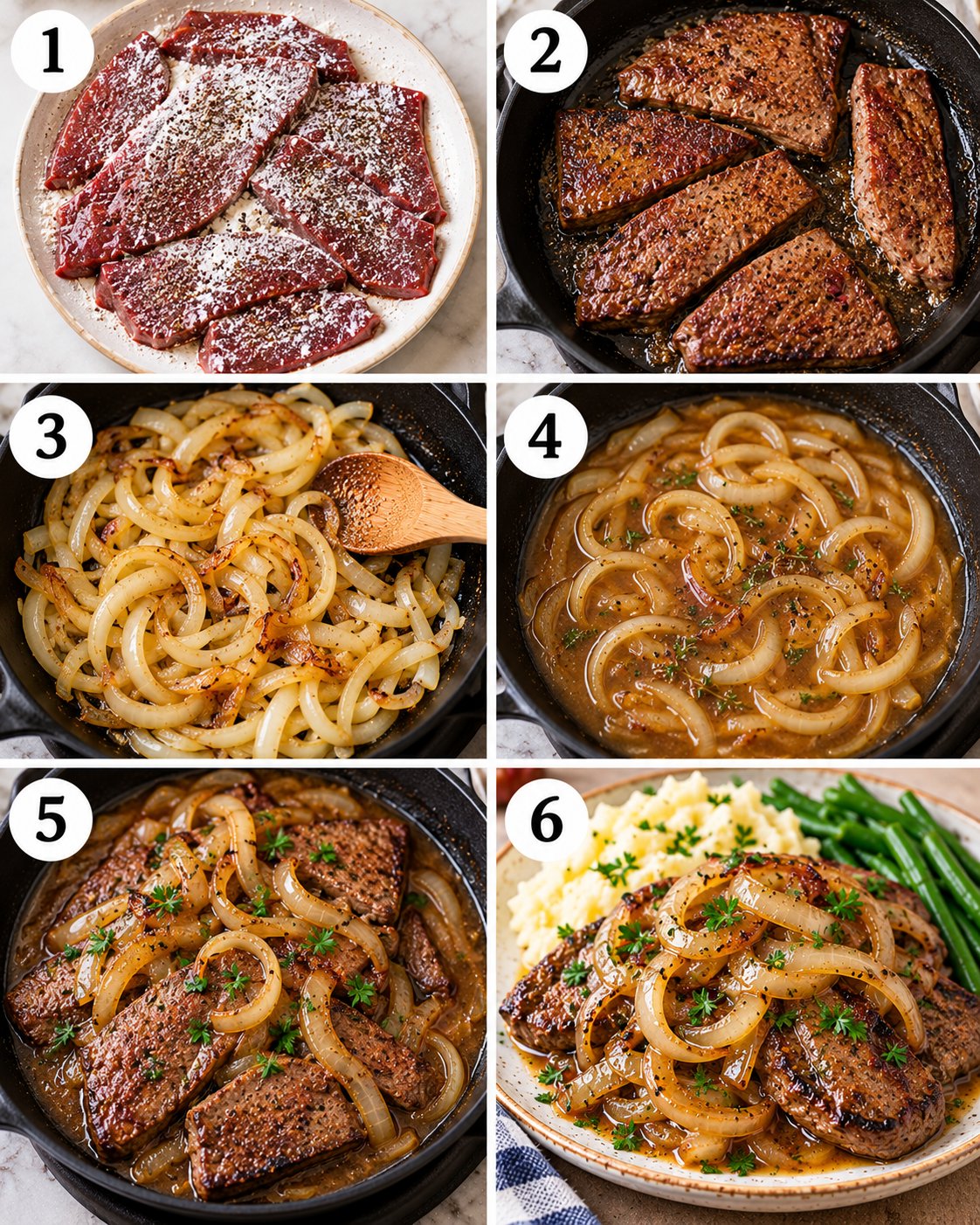
How to Cook Onions for the Best Flavor
Onions do more than fill out the plate. Their sweetness is one of the best ways to balance the strong flavor of beef liver.
There’s a difference between softened onions and deeply browned onions. Softened onions taste mild and gently sweet, while longer browning creates a richer, more concentrated flavor.
Neither is automatically the right choice for every recipe. Some liver and onions dishes use tender, pale onions, while others rely on a darker, sweeter topping.
The main thing is avoiding scorched onions. Burned bits can introduce bitterness, which is especially noticeable next to liver’s already intense flavor.
When the onions are cooked well, they make the dish taste more complete rather than simply acting as a garnish.
Gravy Options
Some liver and onions recipes include gravy, particularly versions served with mashed potatoes. A savory gravy can make the meal feel more comforting and provide moisture alongside the liver.
Brown gravy is a familiar pairing, while onion gravy brings additional sweetness and depth. The flavor depends on the stock, seasonings, and other ingredients used.
If your recipe doesn’t include gravy, there’s no need to add it simply because other versions do. Liver and onions can be satisfying without a sauce when the meat and onions are prepared well.
For a gravy-based version, the sauce should complement the liver rather than completely hide its flavor. An overly salty or heavy gravy can overwhelm the dish.
What to Serve With Liver and Onions
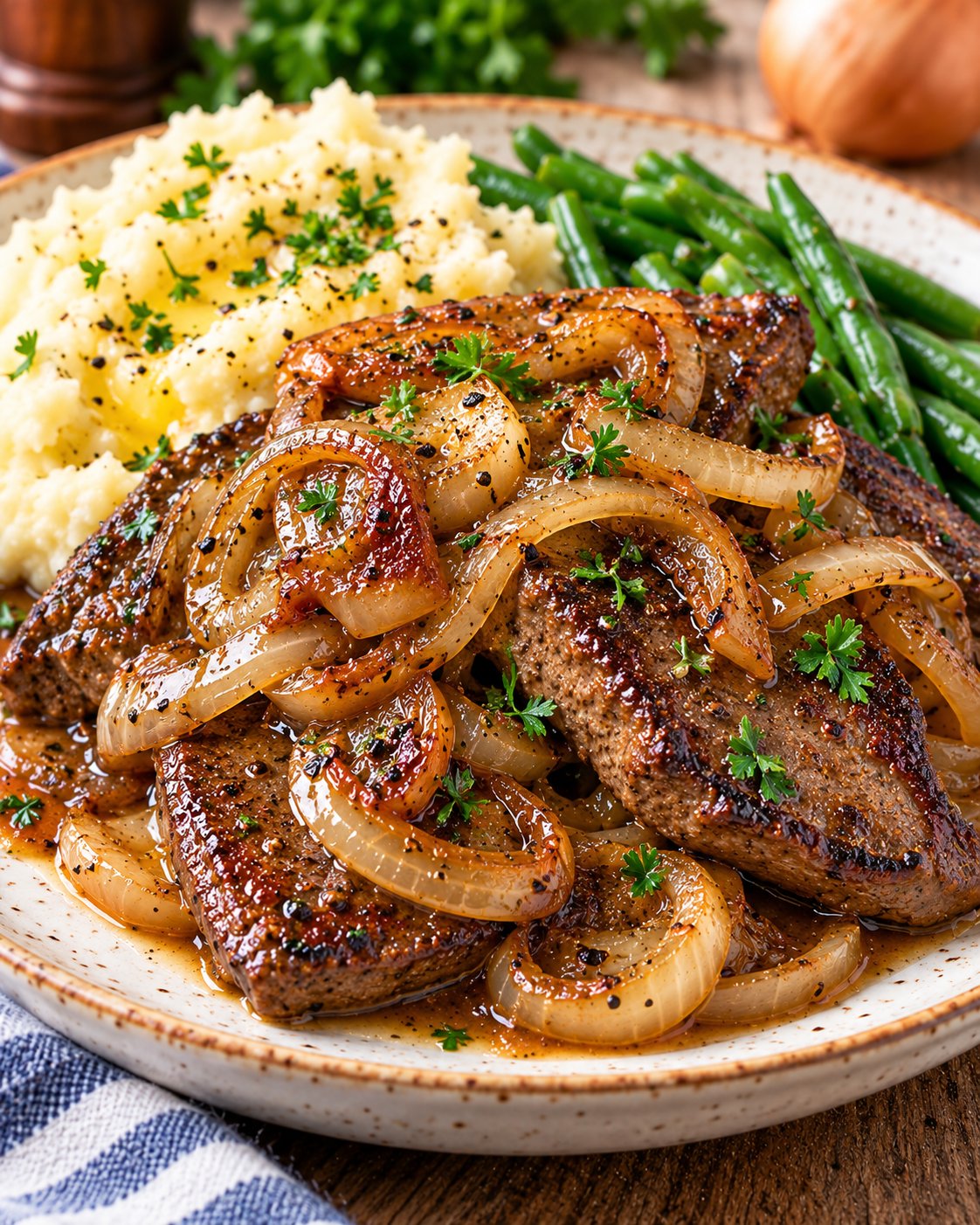
Mashed potatoes are a classic choice for liver and onions. Their mild, creamy texture provides a pleasant contrast to the rich beef flavor, particularly when gravy is included.
Green beans are another dependable side. They add freshness and a little bite without competing with the main dish.
Buttered noodles, rice, or roasted potatoes can also work well. The best choice depends on whether the recipe includes a sauce and how substantial you want dinner to be.
For something lighter, a crisp green salad offers a refreshing contrast. A tangy dressing can help balance the richness of the liver.
Storing and Reheating Leftovers
Liver is usually at its best shortly after cooking because reheating can make it firmer and drier. The onions may hold their texture better, but the meat can change noticeably.
Refrigerate leftovers promptly in covered containers at 40°F (4°C) or below. Properly stored cooked beef liver is generally best used within three to four days.
Reheat leftovers thoroughly to 165°F (74°C). Avoid keeping the liver at heat longer than necessary once it has reached that temperature.
Freezing cooked liver is possible, but its texture may become grainier after thawing. For the most enjoyable result, fresh preparation is often preferable.
Frequently Asked Questions About Beef Liver and Onions
Why Does Beef Liver Taste Strong?
Beef liver naturally has a more pronounced, mineral-rich flavor than many ordinary cuts of beef. Its flavor can also vary with the animal’s age and the liver’s freshness.
How Do You Keep Liver from Getting Tough?
Use the cooking method intended for the thickness of the liver and avoid cooking it beyond the temperature needed for safety. Beef liver should reach 160°F (71°C).
Is Calf’s Liver Better Than Beef Liver?
Calf’s liver is generally milder and more delicate, while mature beef liver has a stronger flavor. Which one you prefer is largely a matter of taste.
Can You Make Liver and Onions with Gravy?
Yes, many traditional versions include onion or brown gravy. Whether gravy belongs in this particular dish depends on the recipe.
Can You Freeze Cooked Liver and Onions?
Yes, but the liver may become firmer or grainier after thawing and reheating. Its texture is usually better when freshly cooked.
Final Thoughts
Beef liver and onions is a traditional dinner that deserves a little care. The liver needs to be safely cooked without becoming unnecessarily dry, and the onions should provide enough sweetness to balance its strong flavor.
Served with mashed potatoes or a simple vegetable side, this old-fashioned favorite can still make a satisfying family meal.
Beef Liver and Onions
Ingredients
Method
- Slice the beef liver and onions.
- Season the liver slices with salt and pepper.
- In a skillet, melt the butter over medium heat.
- Add the sliced onions and cook until softened and caramelized, about 10 minutes.
- Push the onions to the side and add the liver to the skillet.
- Cook the liver for about 3-4 minutes per side, or until it reaches an internal temperature of 160°F (71°C).
- If making gravy, remove the liver and onions, and add beef broth and flour to the skillet, whisking until thickened.
- Serve the liver with the caramelized onions and optional gravy.