
Italian almond cookies have a way of looking simple and special at the same time. They don’t need elaborate frosting or colorful decorations to stand out on a cookie tray. Their appeal comes from that unmistakable almond flavor and the delicate texture that makes them so enjoyable with coffee.
A good Italian almond cookies recipe should let the almond flavor take center stage. Depending on the style, the cookies might be chewy in the middle, tender throughout, or slightly crisp around the edges. The important thing is that the finished texture feels intentional rather than dry or hard.
These cookies are particularly lovely around Christmas and Easter, but they’re just as welcome on an ordinary afternoon. A small plate of almond cookies alongside espresso or tea has the kind of understated charm that makes Italian bakery treats so memorable.
What Makes Italian Almond Cookies Different?
Italian almond cookies are part of a broad tradition of almond-based sweets found throughout Italy. Different regions have their own versions, so there isn’t just one texture or appearance that defines every Italian almond cookie.
Some have a delicate, chewy center and a lightly crisp exterior. Others are softer, denser, or made in a style that more closely resembles a traditional bakery biscuit.
What connects these variations is their emphasis on almonds. Rather than relying on a long combination of flavors, the best cookies allow their nutty, slightly sweet character to come through clearly.
Italian Almond Cookies vs. Ordinary Sugar Cookies
A typical sugar cookie has a more neutral buttery sweetness, while almond cookies have a distinctive flavor that immediately sets them apart. Almond-based recipes may also have a different crumb because almonds behave differently from wheat flour.
That difference is especially noticeable when the cookies are eaten plain. A good almond cookie doesn’t need a heavy topping to taste complete.
Texture and Flavor: Chewy, Soft, or Crisp?
One of the first things to understand about Italian almond cookies is that texture varies by recipe. A cookie described as soft may feel very different from one intended to have a crisp exterior and chewy center.
Neither result is automatically better. The recipe’s particular style determines what a successful cookie should feel like.
Chewy Italian Almond Cookies
Chewy almond cookies have a little resistance when bitten, followed by a tender interior. That contrast is particularly appealing when the outside has a delicate crust.
The center should feel pleasantly chewy rather than wet or underdone. A cookie that’s too firm can lose the delicate quality that makes this style enjoyable.
Soft Italian Almond Cookies
Soft versions are often more tender throughout, with less contrast between the edges and center. They can feel especially delicate and may require a little more care when handled.
A soft cookie should still hold together comfortably. If it falls apart into dry crumbs, the texture may not match what the recipe intends.
Crisp Almond Cookies
Some traditional almond cookies are intentionally crisp. They can be especially good alongside coffee, where their firmer texture becomes part of the experience.
It’s important not to describe every Italian almond cookie as soft or chewy. Readers should know what to expect from the actual recipe.
Almond Flour vs. Almond Paste: Which Matches This Recipe?
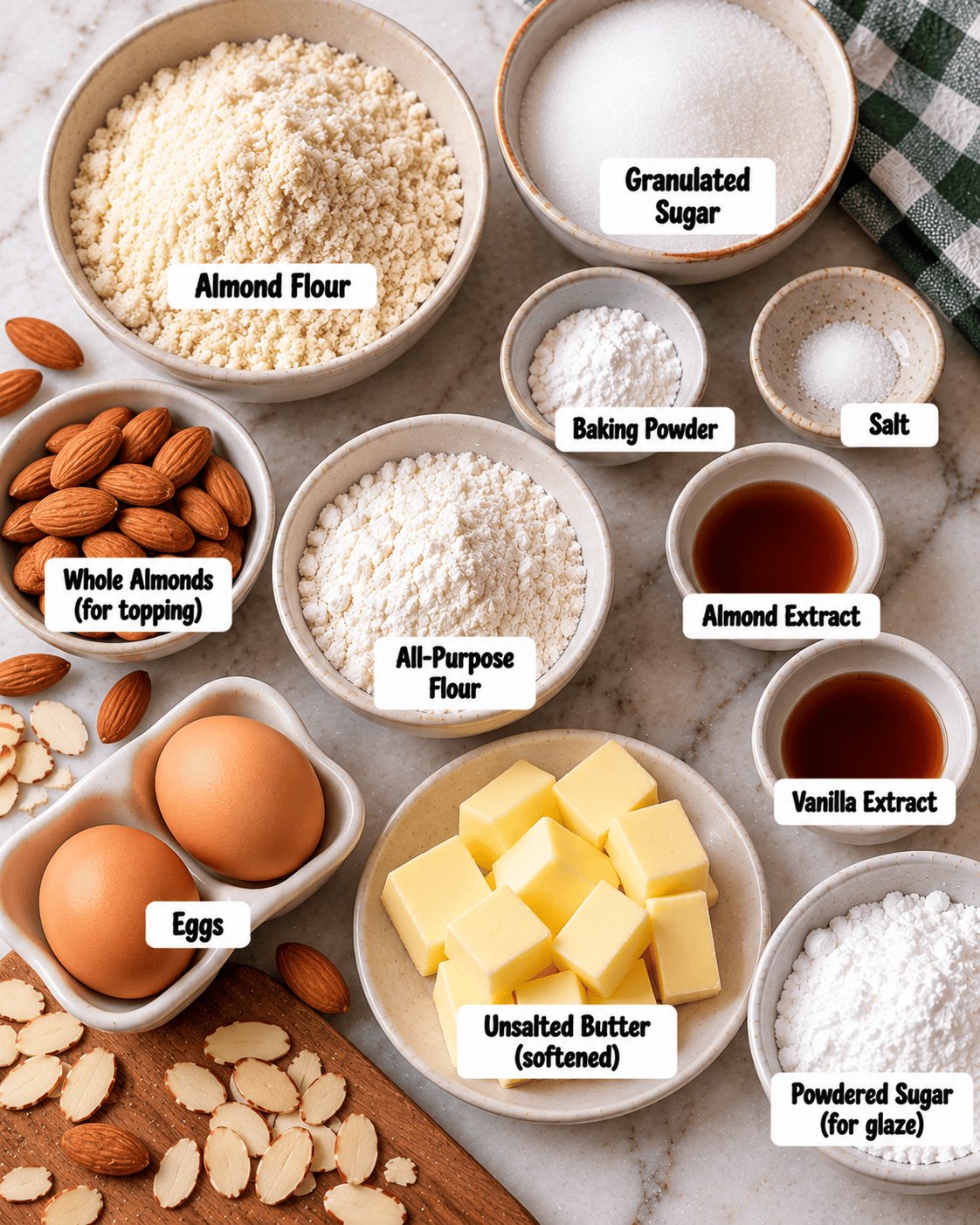
Almond flour and almond paste are both used in different almond cookie traditions, but they aren’t interchangeable ingredients. They have different textures, compositions, and effects on a finished cookie.
Almond flour is finely ground almonds, while almond paste is a prepared product containing almonds and sugar. The original recipe card should determine which one is used.
Almond Flour Cookies
Almond flour can give cookies a fine, nutty crumb and a recognizable almond flavor. Its texture is different from ordinary wheat flour, so the finished cookie may have a more delicate structure.
Some Italian almond cookie recipes use almond flour as a central component, but that shouldn’t be assumed without checking the recipe.
Almond Paste Cookies
Almond paste can create a different flavor intensity and texture. Cookies made with it may be denser or chewier, depending on the complete recipe.
A recipe written for almond flour shouldn’t be casually described as an almond paste cookie simply because both belong to the same family of sweets.
How to Keep Italian Almond Cookies from Drying Out
Dryness is one of the most disappointing problems with delicate cookies. A cookie that’s supposed to be tender can become unpleasantly firm, especially after it has been stored for a while.
The best texture depends on the recipe, but even a crisp almond cookie shouldn’t taste stale or excessively hard.
Recognizing the Intended Texture
A chewy cookie should retain some tenderness in the center, while a crisp cookie should have a pleasant snap rather than a hard, tough bite. The finished result should match the style described in the recipe.
Appearance alone doesn’t always tell the whole story. Two almond cookies can look similar but have very different interiors.
Why Storage Matters
Cookies gradually exchange moisture with the surrounding air. Soft cookies can dry out, while crisp cookies may absorb moisture and lose some of their snap.
Keeping fully cooled cookies in an airtight container helps protect their texture. The best storage approach depends on whether the recipe produces soft, chewy, or crisp cookies.
Storage, Freezing, and Make-Ahead Tips
Italian almond cookies can be convenient for holiday baking because many plain varieties store well when properly packaged. However, their delicate texture means they should be protected from crushing.
Keep fully cooled cookies in an airtight container and follow any recipe-specific storage guidance. Cookies containing perishable fillings or toppings may need refrigeration.
Many almond cookies can also be frozen, although the texture may change slightly after thawing. If the cookies are particularly delicate, careful packaging is important.
Making Cookies for a Holiday Tray
Almond cookies are a lovely addition to a mixed holiday assortment. Their flavor provides contrast to chocolate cookies, gingerbread, and traditional butter cookies.
They also tend to look attractive without elaborate decoration, making them useful when you’re preparing several different treats.
Serving Ideas for Holidays and Coffee
Italian almond cookies are especially good with espresso or strong coffee. Their sweet almond flavor pairs naturally with the slight bitterness of coffee, creating a combination that feels balanced.
Tea is another good option, particularly when the cookies have a delicate texture. For a holiday dessert table, they work well alongside other small pastries and cookies.
If you’re packaging them as gifts, consider their texture. Soft or fragile cookies need a little more protection than sturdier bakery-style biscuits.
Frequently Asked Questions
Are Italian Almond Cookies the Same as Amaretti?
Not necessarily. Amaretti are a traditional Italian family of almond-flavored cookies, but the term covers particular styles and recipes. An Italian almond cookie shouldn’t automatically be called an amaretti unless its ingredients and characteristics support that description.
Can Italian Almond Cookies Be Frozen?
Many plain almond cookies freeze successfully when properly packaged. Their texture may change slightly after thawing, so the result depends on the specific recipe.
Why Do Italian Almond Cookies Crack?
Some almond cookies naturally develop cracks as their exterior sets and the interior changes during baking. Cracking can be a desirable feature in certain styles rather than a sign that something went wrong.
Are Italian Almond Cookies Gluten-Free?
Some almond cookie recipes are made without wheat flour, but not all are. Check the complete recipe and ingredient labels before describing the cookies as gluten-free.
Final Thoughts
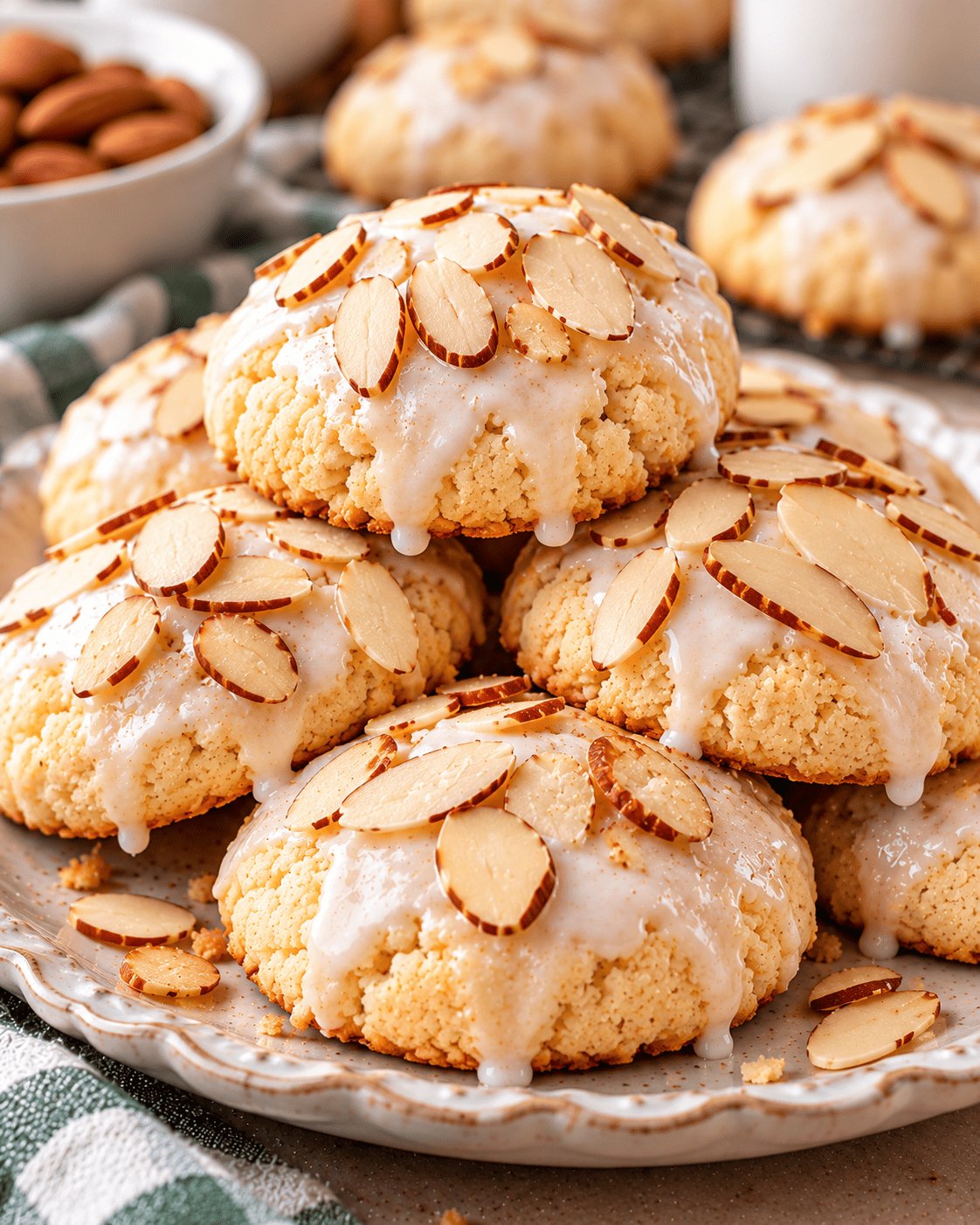
Italian Almond Cookies are a lovely reminder that a cookie doesn’t need complicated decorations to feel special. Their almond flavor and distinctive texture make them a natural choice for holidays, homemade gifts, and quiet afternoons with coffee.
Whether your recipe produces a soft center, a chewy bite, or a more traditional crisp finish, the best result should taste distinctly of almonds and remain pleasant to eat. That’s what makes these cookies worth keeping in your baking collection.
Italian Almond Cookies
Ingredients
Method
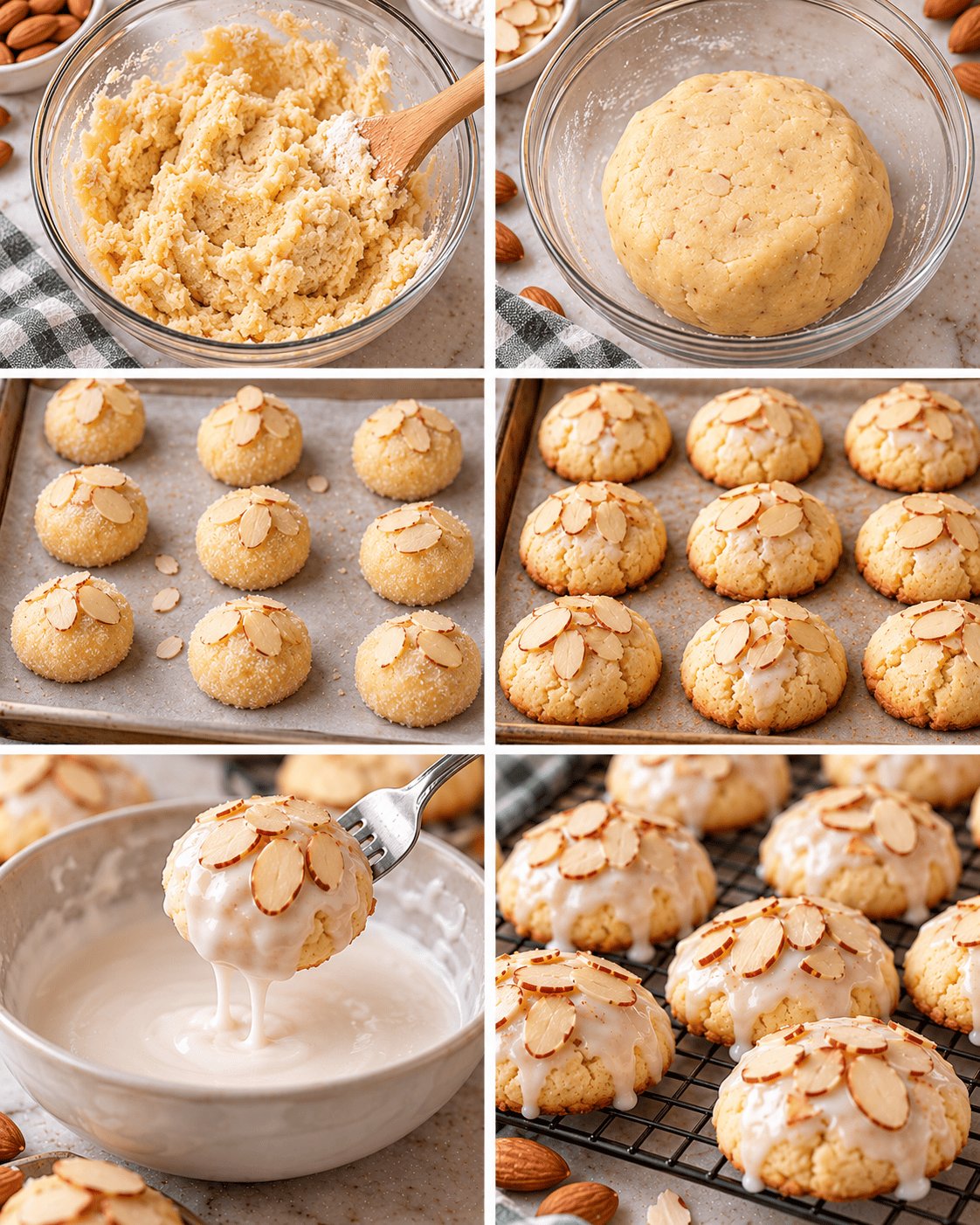
- Preheat the oven to 350°F (175°C) and line a baking sheet with parchment paper.
- In a mixing bowl, combine almond flour, sugar, baking powder, and salt.
- In a separate bowl, whisk together eggs, almond extract, and vanilla extract.
- Gradually mix the wet ingredients into the dry ingredients until well combined.
- Scoop tablespoon-sized amounts of dough onto the prepared baking sheet.
- Bake for 15-20 minutes until the edges are lightly golden.
- Let cookies cool on the baking sheet for a few minutes before transferring them to a wire rack to cool completely.