
Easy Gochujang Butter Noodles — Korean Spicy Pasta is my go to dinner for those nights when I want something spicy and comforting, but I do not want to think too hard. You know the vibe, you are hungry, you are tired, and you are staring into the pantry like it might hand you a plan. This recipe is the little shortcut that still tastes like you did something special. It is buttery, a little sweet, a little smoky, and it clings to the noodles in the best way. If you have gochujang and butter, you are already halfway there. 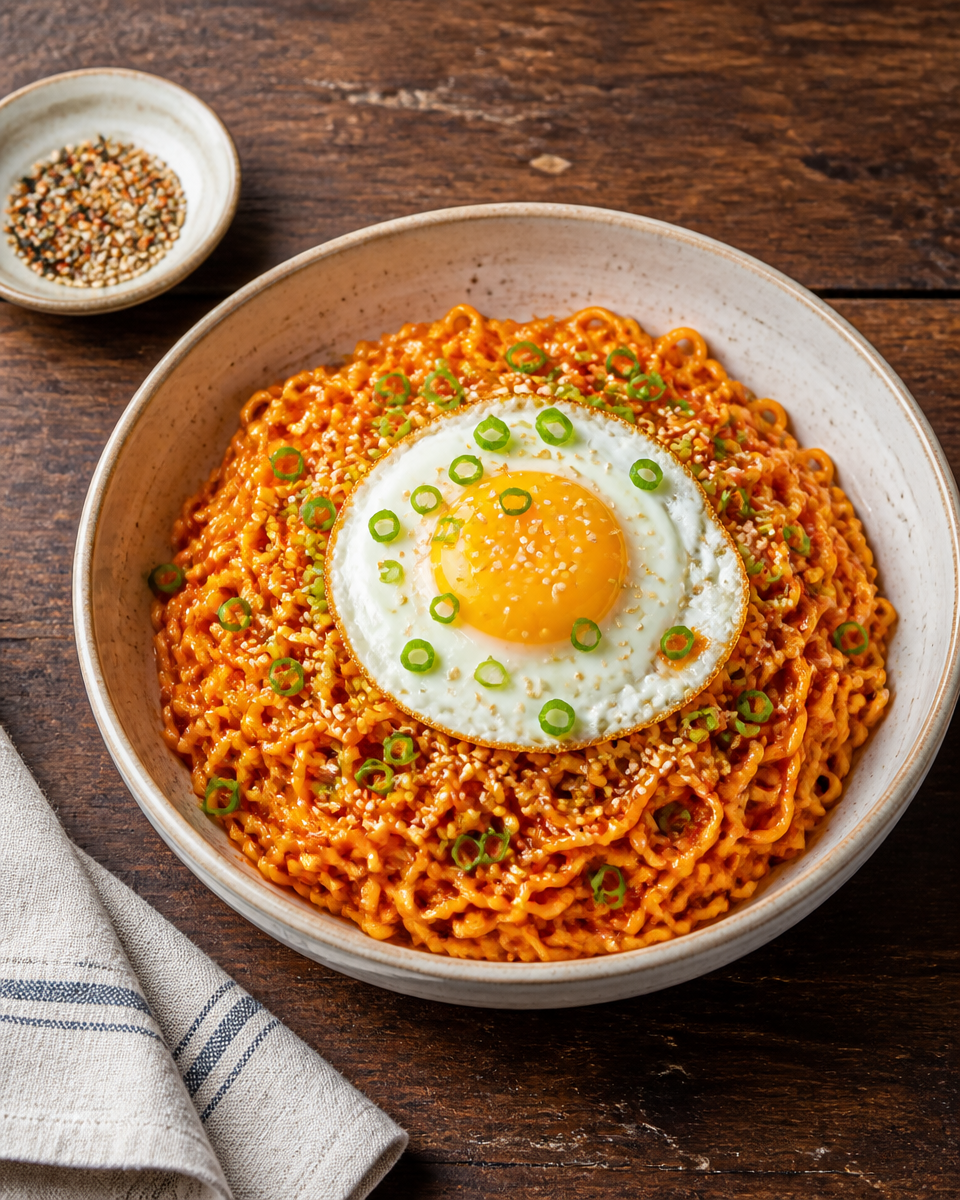
Why People Will Love This Recipe
This is one of those meals that feels like a treat but acts like a weeknight hero. The sauce takes about the same amount of time as boiling the noodles, so dinner lands on the table fast. And the flavor is bold enough that you do not need a bunch of side dishes to feel satisfied.
Here is why I keep coming back to these Easy Gochujang Butter Noodles — Korean Spicy Pasta:
- Fast: You can realistically make it in 15 to 20 minutes.
- Big flavor, small effort: Gochujang does a lot of the heavy lifting.
- Flexible: Add an egg, leftover chicken, tofu, or whatever is in your fridge.
- Comforting: Butter makes everything feel cozy, even when it is spicy.
- Great pantry meal: Most ingredients are easy to keep around.
Also, if you love that garlic butter pasta mood in general, you would probably enjoy this easy chicken scampi garlic butter pasta dinner too. Different flavor direction, same kind of comfort.
“I made this after a long day and honestly it tasted like something I would order at a restaurant. The butter and gochujang combo is addictive. I added a fried egg and it was perfect.”
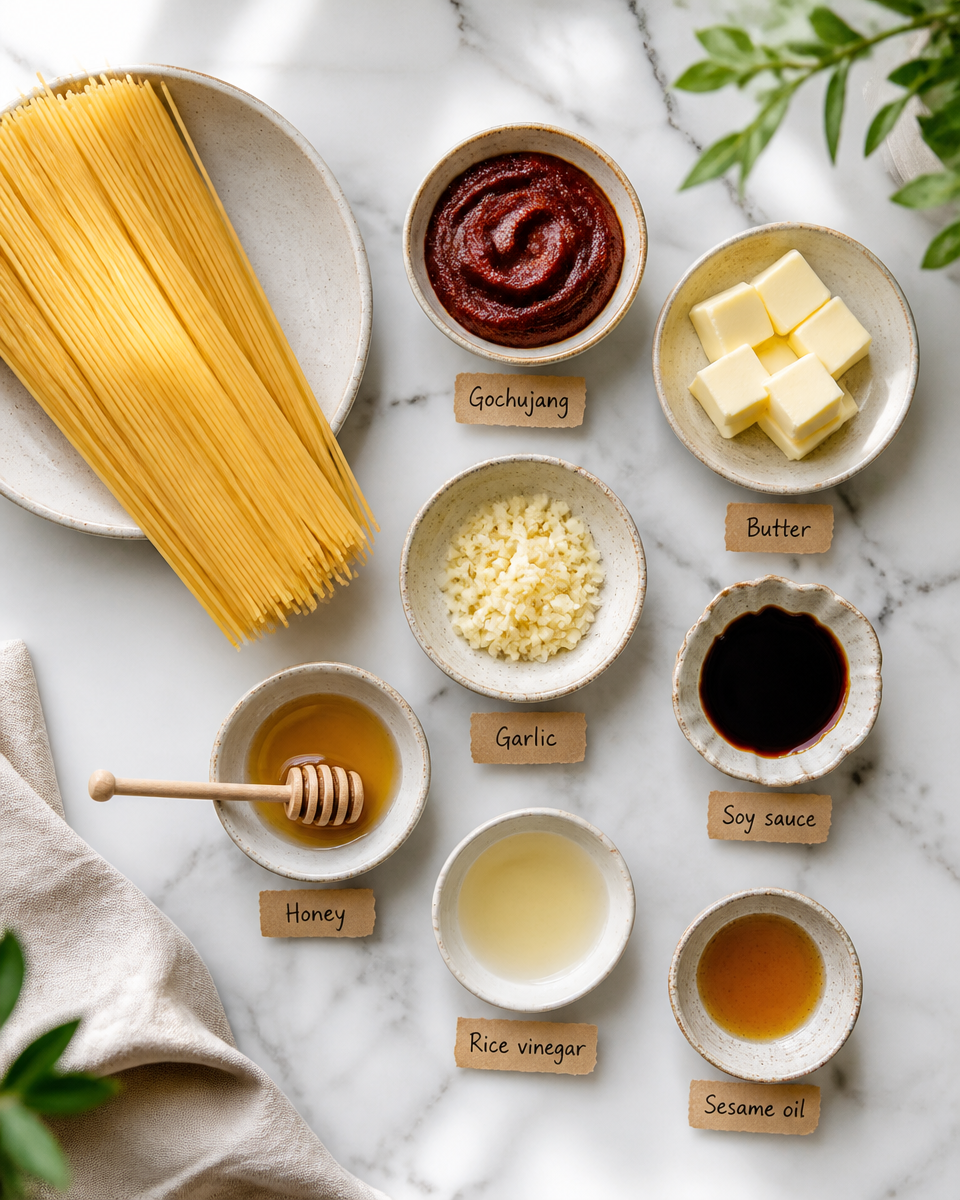
Key Ingredients for Gochujang Buttered Noodles
I am going to keep this simple and practical, because that is the point. You do not need a specialty store haul. A few smart ingredients make the sauce taste full and balanced.
The must haves
- Noodles: Spaghetti works great, but ramen noodles, udon, or linguine are also good. Use what you have.
- Gochujang: This is the star. It is a Korean chili paste that is spicy, slightly sweet, and fermented, so it has real depth.
- Butter: I use salted butter most of the time. If you use unsalted, just taste and add salt later.
- Garlic: Fresh garlic makes the sauce smell amazing. You can use garlic paste in a pinch.
The helpful extras
These are not complicated, they just help the sauce taste rounded instead of one note spicy.
- Soy sauce: A little splash adds savory depth.
- Honey or brown sugar: Just a touch, especially if your gochujang is extra spicy.
- Rice vinegar or lime: A small hit of acid wakes everything up.
- Sesame oil: Optional, but it adds that nutty finish.
- Green onion and sesame seeds: Quick toppings that make it feel like a real meal.
One more tip from my own kitchen mess ups: keep a little pasta water. That starchy water is like sauce glue. It helps the gochujang and butter turn silky instead of greasy.
If you are planning to add a protein and want something spicy and buttery in the same universe, this one pot spicy garlic butter chicken tortellini is a really fun option for another night.
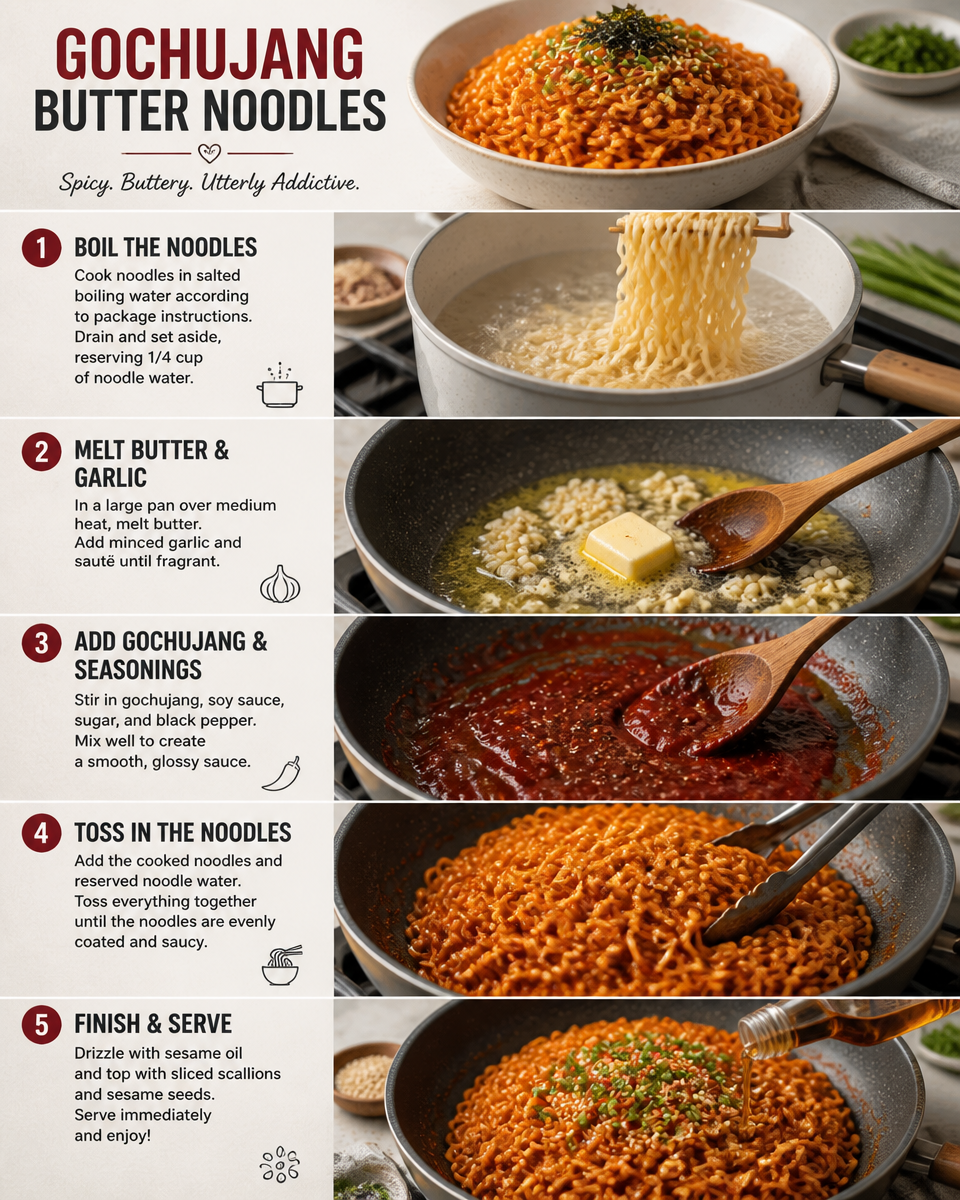
Key Steps for Gochujang Buttered Noodles
This is the part where everything comes together. Do not overthink it. You are basically making a quick pan sauce, then tossing noodles into it until they look glossy and irresistible.
Simple step by step
1) Boil the noodles. Cook your noodles in salted water until they are just done. Before draining, scoop out about 1 cup of pasta water and set it aside.
2) Make the sauce. In a large pan on medium low heat, melt the butter. Add the garlic and stir for about 30 seconds until it smells good. Do not let it burn.
3) Stir in gochujang and seasonings. Add gochujang, soy sauce, and a little honey or sugar. Stir until it looks smooth. If it feels thick, add a splash of pasta water.
4) Toss noodles into the pan. Add the drained noodles and toss well. Add pasta water a little at a time until the sauce coats everything. This is where the magic happens, so give it a minute.
5) Finish and taste. Turn off the heat, then add a few drops of sesame oil if you want. Taste and adjust. More gochujang for heat, more butter for richness, or a tiny splash of vinegar for brightness.
When I make Easy Gochujang Butter Noodles — Korean Spicy Pasta, I usually top it with a soft fried egg. The yolk mixes into the sauce and makes it even more luscious. It is not required, but it is very worth it.
Also, if you are cooking for someone who is unsure about spice, start with less gochujang. You can always add more at the end, but it is harder to take it back once the whole pan is spicy.
How to Serve
This pasta is great straight from the pan, standing at the counter, which is honestly how I eat it half the time. But if you want to make it feel like a full dinner or you are feeding other people, here are easy ways to serve it.
- With an egg: Fried egg, jammy boiled egg, or even a quick scramble on the side.
- With crispy bits: Add toasted panko, crispy onions, or even crushed roasted seaweed.
- With greens: Quick cucumber slices, sautéed spinach, or a bagged salad to cool things down.
- With protein: Leftover rotisserie chicken, shrimp, tofu, or thin sliced steak.
- For extra creaminess: A spoon of mayo or a splash of cream can mellow the heat and make it glossy.
If you are a comfort food person and like pasta bakes too, keep this one bookmarked for later: cozy up with this easy tuna casserole pasta bake recipe. Totally different style, but it scratches that cozy dinner itch.
One more real life serving note: these noodles are best right away. The sauce thickens as it sits. If you do have leftovers, reheat with a splash of water and a tiny bit of butter to bring it back to life.
More Recipes Like This
If you fell for the spicy butter thing, you are not alone. I love recipes that feel a little indulgent but still easy enough for a normal Tuesday. These are some directions you can go next, depending on your mood.
If you want more garlic butter energy, I will link it again because it is that good and it fits the same craving: easy chicken scampi garlic butter pasta dinner.
And if you need something sweet for later, especially if you just made a spicy dinner like Easy Gochujang Butter Noodles — Korean Spicy Pasta, a warm dessert balances things out. This one is fun for sharing: deliciously easy butterscotch monkey bread recipe for everyone.
In general, once you get comfortable with gochujang, it starts popping up in your cooking more and more. Stir it into mayo for sandwiches, mix it into marinades, or whisk it into a quick salad dressing when you want heat and sweetness together.
Common Questions
Is gochujang very spicy?
It depends on the brand, but it is usually medium heat with a little sweetness. If you are sensitive, start small and add more after tasting.
Can I make this with ramen noodles?
Yes, and it is honestly amazing. Just cook the ramen noodles without the seasoning packet, then toss them in the sauce the same way.
How do I keep the sauce from getting oily?
Use medium low heat and add pasta water. The starchy water helps the butter and gochujang come together into a smooth sauce.
Can I make it dairy free?
You can swap butter for a plant based butter. The flavor changes a little, but it still works. Add a touch more sesame oil at the end for richness.
What proteins go best with it?
Eggs, shrimp, chicken, and tofu are my favorites. Anything simple and not too heavily seasoned works well with the sauce.
A quick pep talk to go make it
If your dinner routine is feeling boring, Easy Gochujang Butter Noodles — Korean Spicy Pasta is such an easy way to shake things up without making your kitchen a disaster. Keep gochujang in the fridge, keep butter around, and you are basically set for a spicy comfort meal anytime. If you want to compare notes with other versions, I have pulled inspiration from solid recipe writers too, like Gochujang Buttered Noodles Recipe – NYT Cooking and this cozy twist from Spicy Creamy Gochujang Butter Pasta. – Half Baked Harvest. Now go boil some noodles, taste as you go, and make it yours.
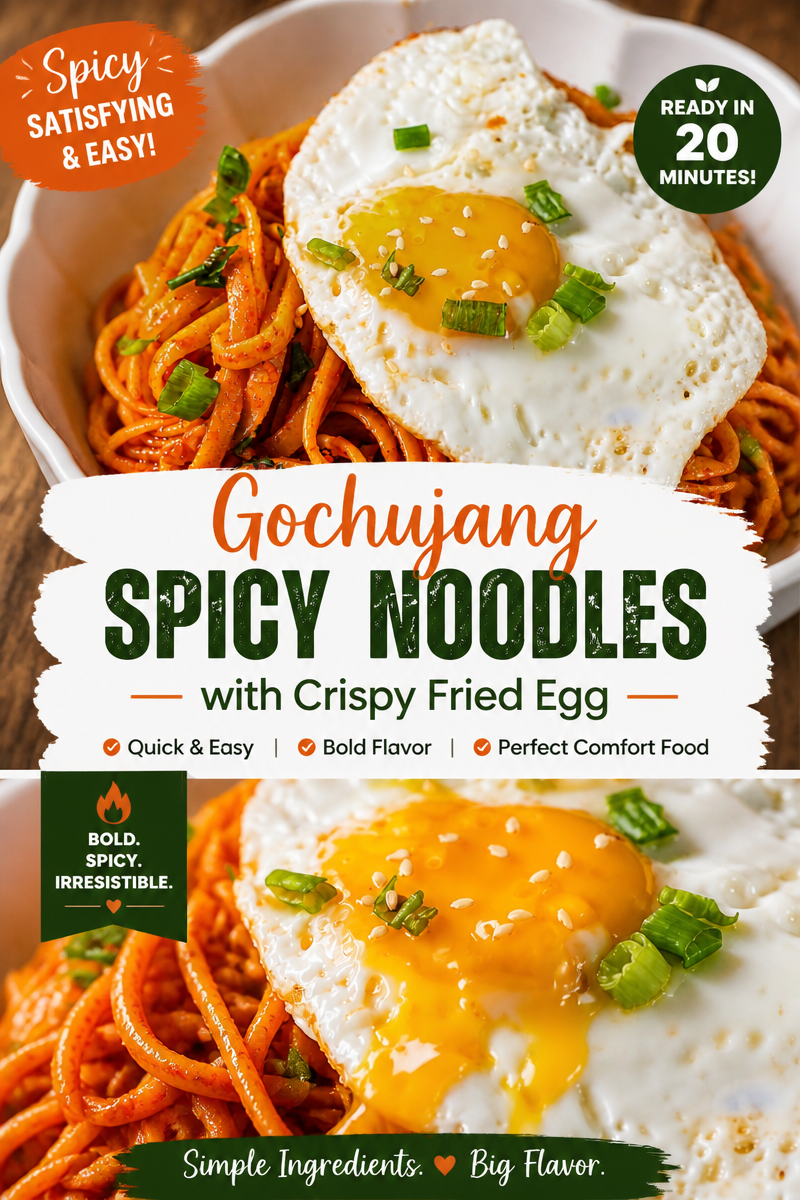
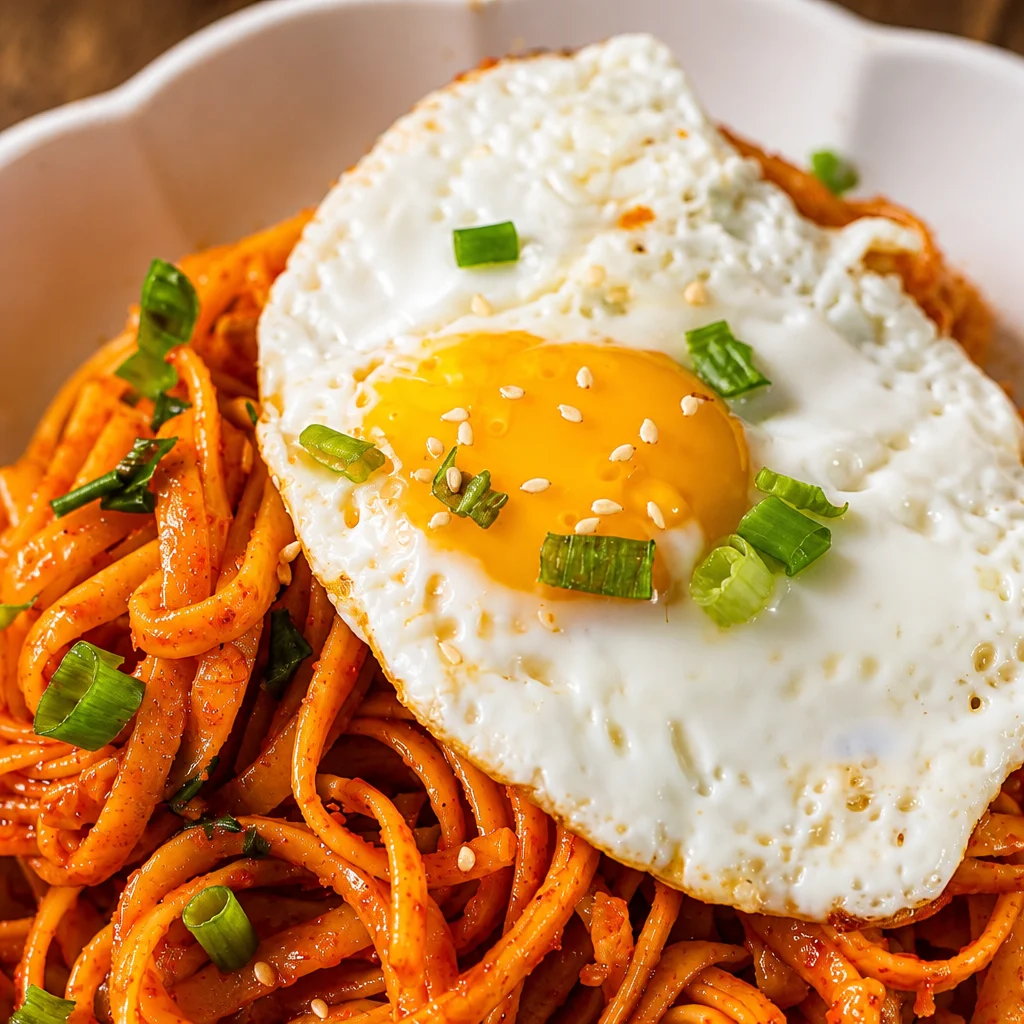
Gochujang Butter Noodles
Ingredients
Method
- Boil the noodles in salted water until just done. Reserve about 1 cup of pasta water before draining.
- In a large pan over medium-low heat, melt the butter.
- Add the minced garlic and stir for about 30 seconds until fragrant, being careful not to burn it.
- Stir in the gochujang, soy sauce, and honey or sugar, mixing until smooth. If the sauce is thick, add a splash of reserved pasta water.
- Add the drained noodles to the pan and toss well to coat in the sauce, using reserved pasta water as needed to achieve a glossy finish.
- Turn off the heat and add sesame oil if desired. Taste and adjust for more heat or richness.