
Powdered sugar glaze recipe days usually start the same way for me. I pull a batch of cookies or a quick loaf out of the oven, everything smells amazing, and then I realize it looks a little plain. Like, it tastes great, but it needs that sweet finish that makes people say, I will take another slice. That is when I grab powdered sugar, a spoon, and whatever liquid is closest, and suddenly dessert looks bakery pretty. If you have ever wanted a simple glaze you can whip up in two minutes, you are in the right place.
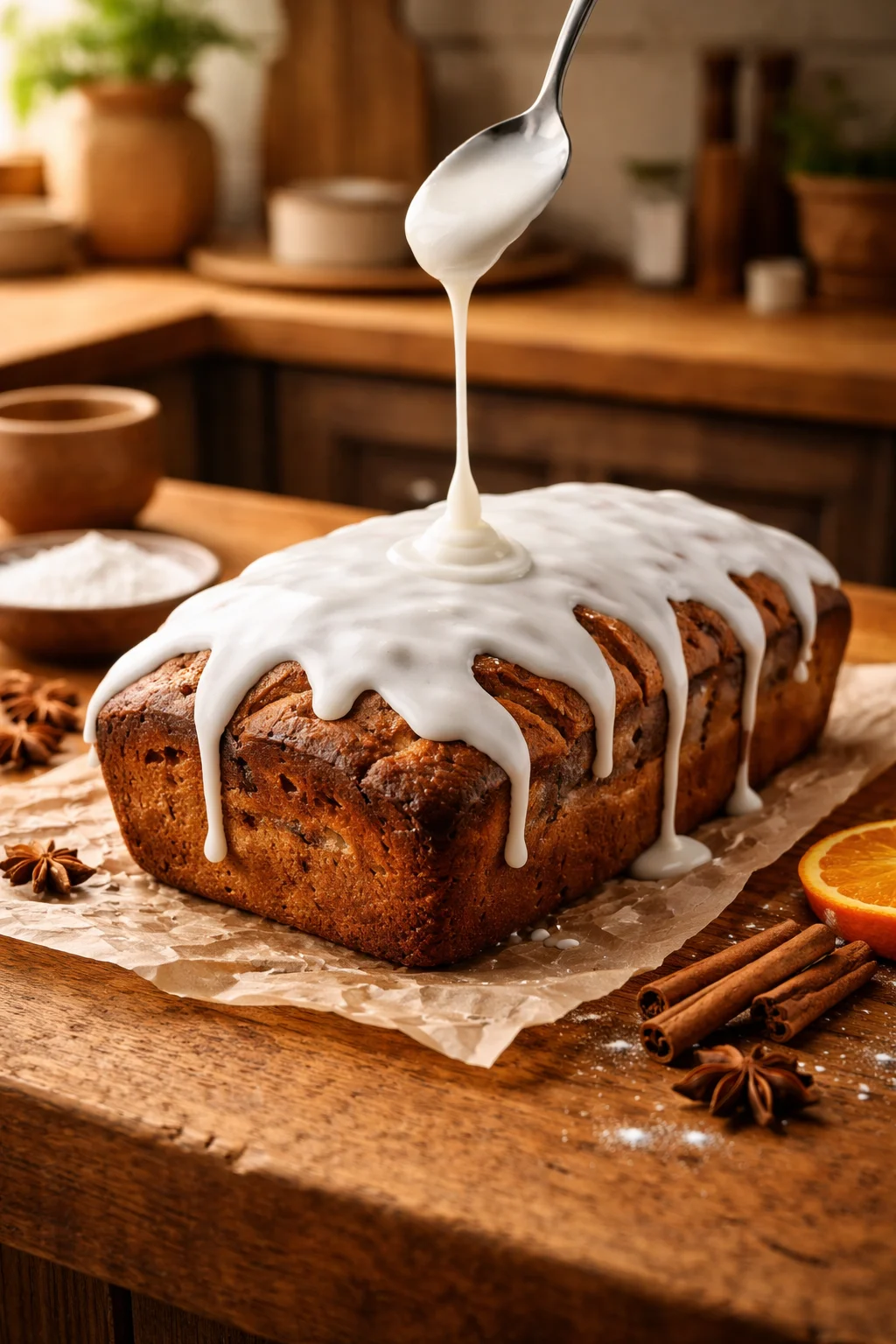
What’s the difference between icing and glaze?
People use the words icing and glaze like they are the same thing, so if you have been confused, you are not alone. I used to think it was all just sweet stuff you drizzle on top. The truth is, they are close cousins, but the thickness and how they set is what changes everything.
A glaze is usually thinner and a little more see through. It drips, it drizzles, and it settles into a shiny layer. Icing is thicker and more opaque, and it holds its shape more. If you want neat lines on cookies, you lean toward icing. If you want a quick shiny finish on a warm loaf, you lean toward glaze.
Quick “how it behaves” cheat sheet
- Glaze: thinner, easy pour, shiny, sets soft, great for drizzling.
- Icing: thicker, spreads like frosting but lighter, sets more firm, great for decorating.
- Both: made from powdered sugar and a liquid, both are fast and beginner friendly.
Here is the part that helped me the most: if you can pour it, it is probably a glaze. If you have to spread it, it is probably icing. And yes, you can adjust either one with tiny splashes of liquid or a little extra powdered sugar to get exactly what you want.
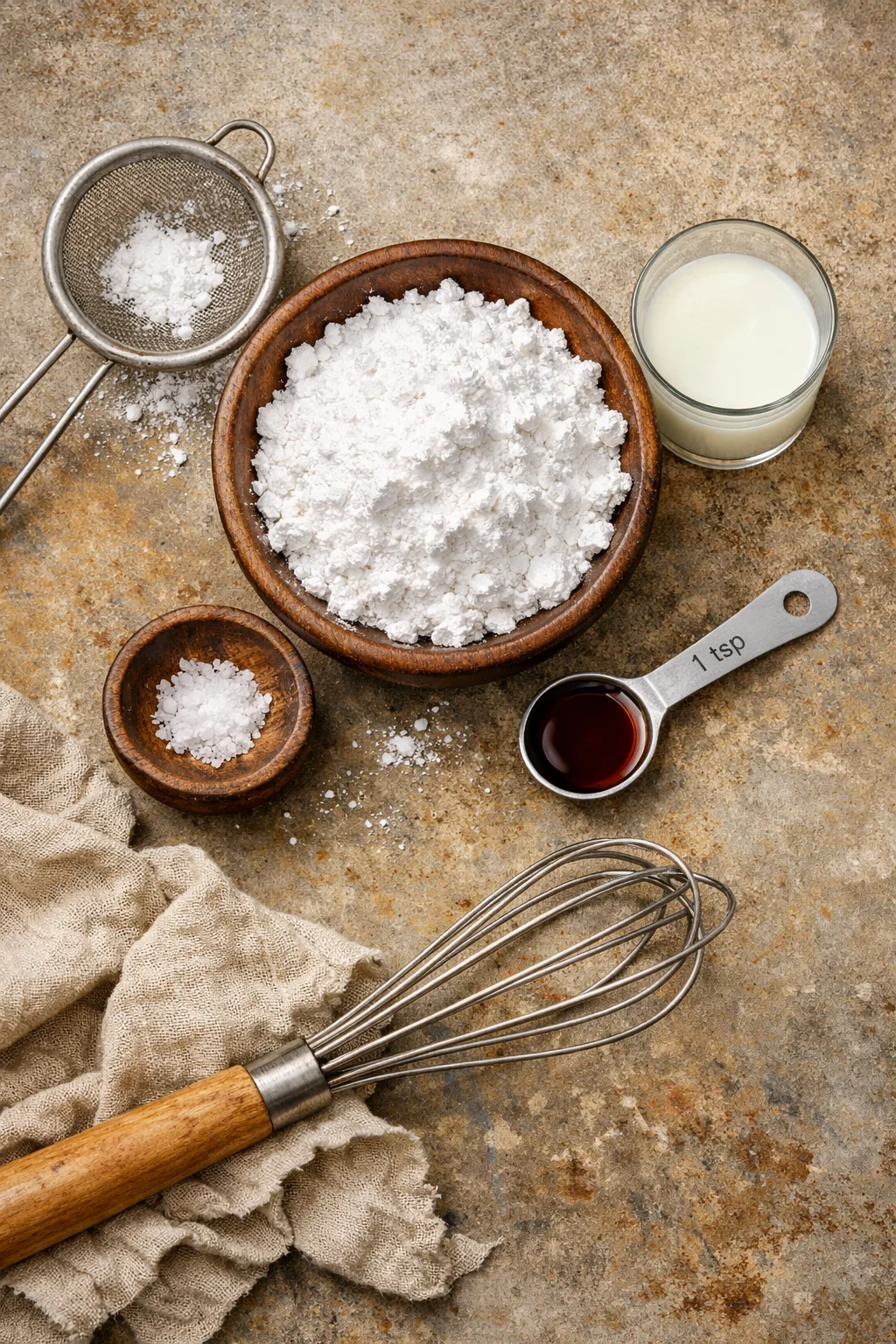
Which liquid to use for your simple powdered sugar glaze / icing?
This is where the “recipe” part becomes fun, because you can make the same bowl of powdered sugar taste totally different depending on what you stir in. My default is milk because it is mellow and creamy, but there are days when lemon juice or coffee is the whole vibe.
Here is my go to powdered sugar glaze recipe, the one I make when I do not want to think too hard.
My everyday powdered sugar glaze recipe
- 1 cup powdered sugar, sifted if it is lumpy
- 2 to 3 tablespoons milk (start small)
- 1 teaspoon vanilla extract (optional but lovely)
- Pinch of salt (optional, but it wakes up the sweetness)
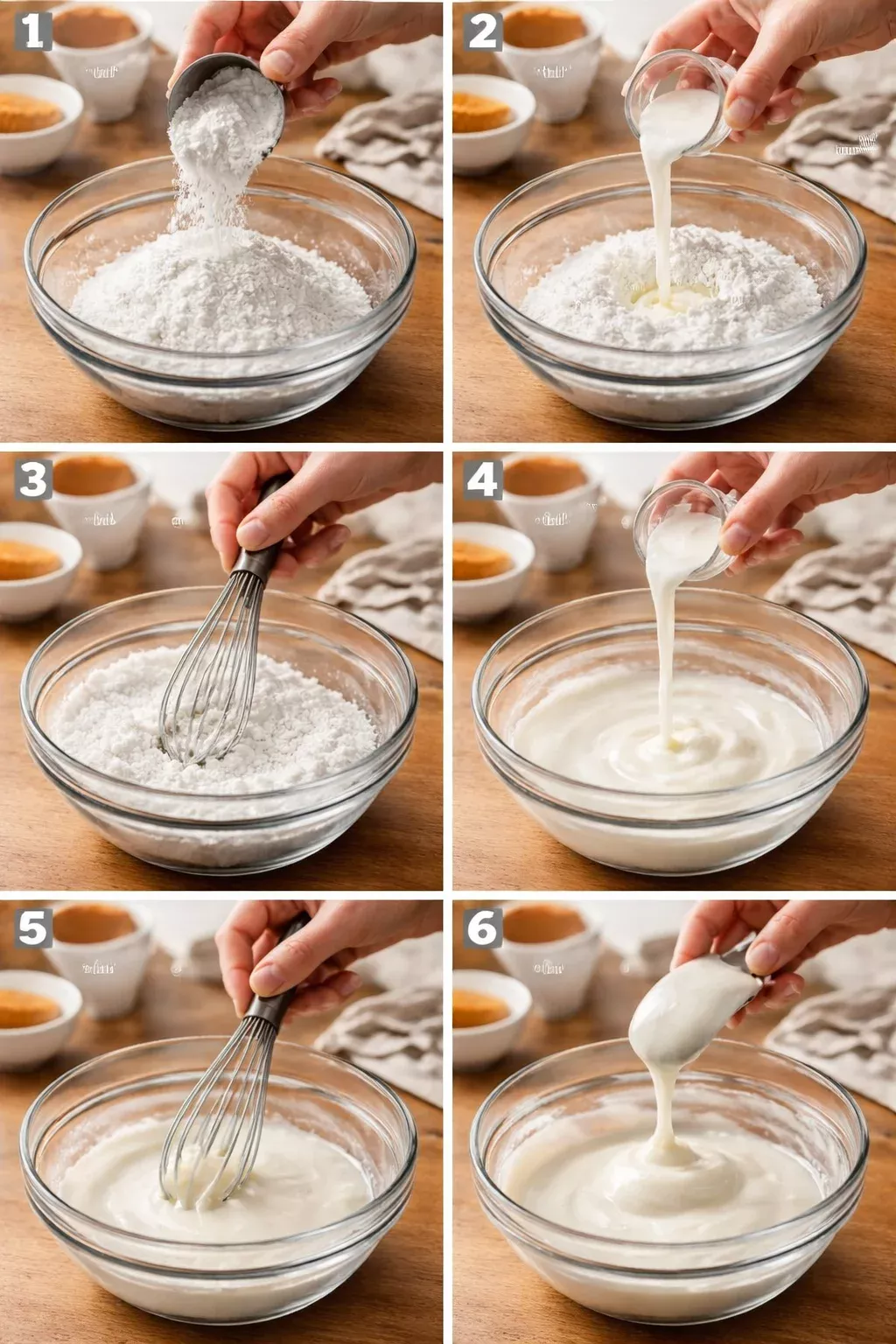
How I mix it: I add the powdered sugar to a bowl, then stir in 2 tablespoons of milk. It will look thick at first. Keep stirring for about 20 to 30 seconds, then decide if you need a tiny splash more. If you want drizzle, add a little more liquid. If you want a spreadable icing, keep it thicker and stop sooner.
Liquid ideas that actually work:
Milk makes it classic and kid friendly. Heavy cream makes it richer and smoother. Water works in a pinch, but it tastes a little flatter. Lemon or orange juice gives you that bright bakery zing. Coffee makes an amazing glaze for chocolate or cinnamon stuff. Maple syrup is cozy, but use it as part of the liquid, not all of it, or it can get too sweet and heavy.
One more tip that saves me all the time: if your glaze gets too thin, do not panic. Add powdered sugar one tablespoon at a time. If it gets too thick, add liquid literally by the teaspoon. It changes fast.
When to use icing vs glaze?
I decide based on what I am making and how I want it to look after it sets. The same powdered sugar glaze recipe can go either direction, but the timing and thickness matter.
Use glaze when: you want a quick finish on bundt cake, quick breads, donuts, cinnamon rolls, scones, or muffins. Glaze is also perfect when your baked good is still a little warm because it melts slightly and sinks into the top in the best way.
Use icing when: you want more control. Think sugar cookies, cinnamon roll swirls you want to cover completely, or a loaf where you want a thick white layer that stays put. Icing also works better for piping or adding sprinkles without them sliding off.
“I tried your glaze on a lemon loaf and it turned out perfect. It set with a shiny top and did not run off the sides. My kids thought it came from a bakery.”
If you are doing something holiday themed, I love pairing a simple sweet glaze moment with other big flavors on the table. For example, if you are planning a cozy spread, take a peek at this sugar cookie cheesecake for the holidays because it is the kind of dessert that looks extra cute with a light drizzle on top.
Ways to flavor your powdered sugar glaze
This is where you can make your signature version. Once you have the base down, you can tweak it a million ways without messing it up. I stick to small additions so the glaze still sets nicely.
Easy flavor add ins:
Vanilla is the classic. Almond extract gives that bakery cookie vibe, but use a tiny amount because it is strong. Citrus zest is amazing if you are already using lemon or orange juice. Cinnamon is cozy for fall bakes. A spoonful of cocoa powder turns it into a light chocolate glaze. Espresso powder is great on chocolate donuts or cinnamon rolls. You can also add a little melted butter for a richer taste, especially if you are glazing a cake.
Color without making it weird: If you want color, use gel food coloring. The watery stuff can thin your glaze too much. I learned that the messy way when pink glaze turned into pink puddles.
Texture tip: If you want a super smooth finish, sift the powdered sugar. If you do not care about tiny lumps, skip it. I only sift when I am glazing something for guests, like a brunch loaf or holiday cookies.
Some recipes to use with glaze and icing
Once you have a reliable powdered sugar glaze recipe in your back pocket, you start seeing opportunities everywhere. It is the fastest way to make simple baking feel a little special, even on a random Tuesday.
If you want ideas, here are some of my favorite places to use it:
- Cookies: drizzle over sugar cookies, or use thicker icing for decorating.
- Quick breads: lemon loaf, banana bread, pumpkin bread, zucchini bread.
- Breakfast treats: muffins, scones, donuts, cinnamon rolls.
- Cakes: bundt cakes, snack cakes, sheet cakes when you want a light finish.
For a super easy shortcut, you can also glaze store bought pastries. No shame. Warm them for a few minutes, then drizzle and let it set.
And since glazing is not just for sweets, I also like having a few savory glaze ideas around for holidays. If you are planning a big dinner, this Christmas maple glazed ham is a solid reminder that glaze equals instant wow. For sides, these brown sugar honey glazed carrots are sweet and glossy in the best way. And if you are building out a full menu, this comforting southern cornbread dressing fits right in next to anything glazed.
Common Questions
1) How do I make glaze thicker without making it gritty?
Add more powdered sugar one tablespoon at a time and stir well after each add. If it looks gritty, it usually just needs more mixing time to dissolve.
2) How long does powdered sugar glaze take to set?
A thin glaze sets in about 10 to 20 minutes, depending on humidity. A thicker icing can take 20 to 40 minutes to firm up.
3) Can I make it ahead of time?
Yes. Cover it tightly so it does not crust over. If it thickens, stir in a teaspoon of milk or water to loosen it back up.
4) Why did my glaze disappear into my cake?
The cake was probably too warm or your glaze was too thin. Let the baked good cool a bit, or make the glaze thicker next time.
5) Can I store glazed baked goods?
You can, but let the glaze set first. Then store loosely covered so it does not get sticky. For really humid days, I store items in a container with the lid slightly cracked.
A sweet little wrap up
If you take one thing from this post, let it be this: a good powdered sugar glaze recipe is all about balance and tiny adjustments. Start with powdered sugar, add your liquid slowly, and aim for the texture you want. If you want even more variations and a slightly different approach, I have bookmarked Powdered Sugar Glaze – The Recipe Critic and Simple Powdered Sugar Glaze / Icing – Eats Delightful for extra inspiration. Now go drizzle something, taste it, and do not be surprised if you start looking for excuses to glaze everything.
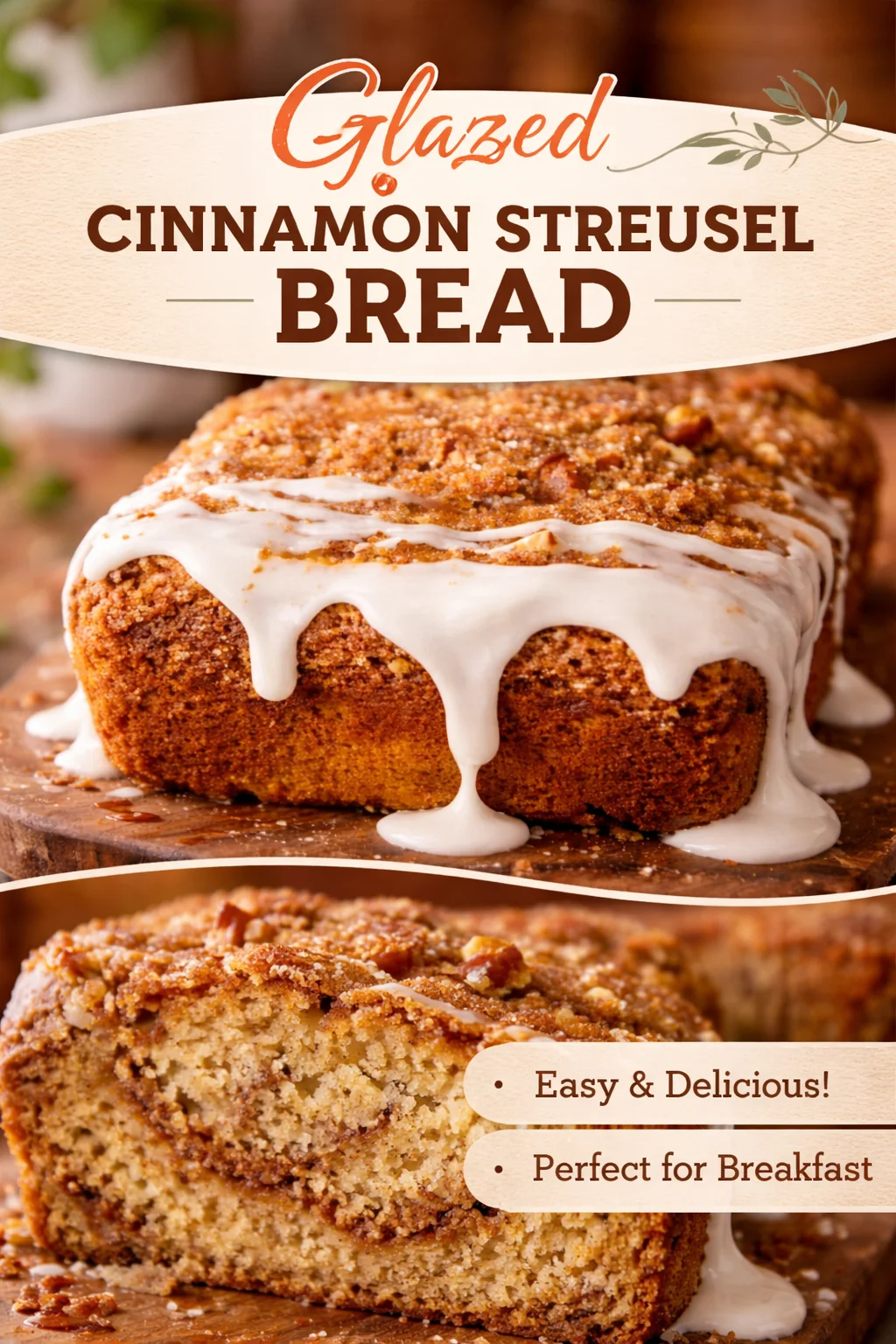
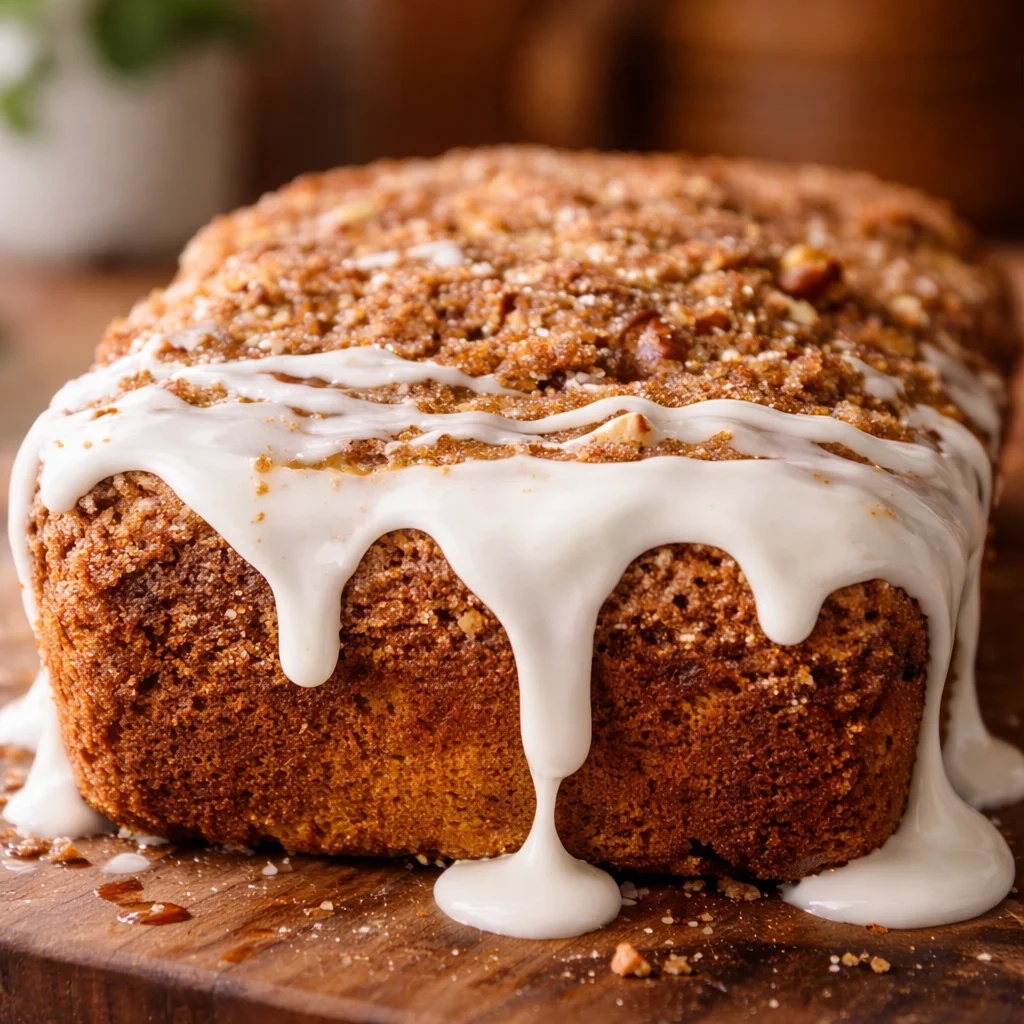
Powdered Sugar Glaze
Ingredients
Method
- Add the powdered sugar to a bowl.
- Stir in 2 tablespoons of milk. The mixture will look thick at first.
- Continue stirring for about 20 to 30 seconds, then decide if you need to add more milk for a drizzle or keep it thicker for icing.