
Irish tea bread is the kind of simple, comforting loaf that seems made for a quiet afternoon. It’s traditionally associated with tea and, in many versions, dried fruit that gives the bread a gentle sweetness and satisfying texture.
A good Irish tea bread recipe should produce a loaf that’s pleasant to slice and enjoy without feeling excessively dry or heavy. The tea flavor may be subtle, but it contributes to the character that makes this style of bread different from an ordinary sweet loaf.
Irish tea bread is especially appealing when served with a warm drink. It doesn’t need elaborate frosting or decoration, and that understated quality is part of its charm.
What Is Irish Tea Bread?
Irish tea bread is a general name used for tea-associated sweet loaves, often containing dried fruit. Recipes vary, and the term doesn’t always refer to one standardized bread.
Some versions are closely related to Irish tea brack, while others have different ingredients and textures. The original recipe card should determine how traditional or specific the description can be.
A Bread Made for Tea Time
Tea bread is commonly enjoyed in slices, often alongside a cup of tea. Its sweetness is usually more restrained than that of a heavily frosted cake.
That makes it particularly appealing for breakfast, afternoon tea, or a simple snack.
Irish Tea Bread vs. Barmbrack
Barmbrack is a traditional Irish fruit bread associated particularly with Halloween. The name is also used for several related styles, including yeast-raised and quicker tea-soaked fruit loaves.
Not every Irish tea bread should automatically be called barmbrack. The distinction depends on the recipe’s ingredients, structure, and traditional style.
What Is Irish Tea Brack?
Tea brack commonly refers to a fruit loaf in which tea contributes flavor and moisture. Many versions feature dried fruit, giving the bread a sweet, chewy character.
However, the exact fruit and tea used vary from recipe to recipe.
When Is Barmbrack Served?
Barmbrack has a well-known connection to Irish Halloween traditions, including historical customs involving objects baked into the loaf. Modern food-safety considerations mean such traditions should not be reproduced casually.
Irish tea bread can also be enjoyed throughout the year, not only during autumn.
Flavor and Texture of Irish Tea Bread
A good Irish tea bread should have a satisfying crumb and a gentle sweetness. When dried fruit is included, it provides concentrated flavor and a contrast to the bread itself.
The tea may contribute subtle depth rather than an obvious strong flavor. The result depends on the variety of tea and the complete recipe.
Tea Flavor
Black tea is commonly associated with tea breads because it offers a familiar, robust flavor. Different tea varieties can create different aromatic notes.
The actual tea used in this recipe should be confirmed before describing it as a particular type.
Dried Fruit
Raisins, currants, and other dried fruits are common in Irish fruit loaves. They add sweetness and a chewy texture.
The original recipe card should determine whether this loaf contains fruit and which kinds are used.
Moist vs. Dense Crumb
Some tea breads are naturally substantial, but they should still feel pleasant to eat. A dense crumb isn’t necessarily a problem when the loaf is intended to be hearty.
Excessive dryness, however, can make the bread less enjoyable, particularly when served without a topping.
What Tea Is Best for Irish Tea Bread?
Traditional black teas are familiar choices for many Irish tea bread recipes. Their flavor can complement dried fruit without becoming overly floral or unusual.
Strongly flavored teas may change the loaf’s character. The recipe’s specified tea is the best reference for the intended result.
Irish Breakfast Tea
Irish breakfast tea is generally a robust black tea blend. Its familiar character makes it a natural pairing with traditional Irish-style baked goods.
That doesn’t mean every Irish tea bread recipe specifically requires Irish breakfast tea.
How to Serve Irish Tea Bread
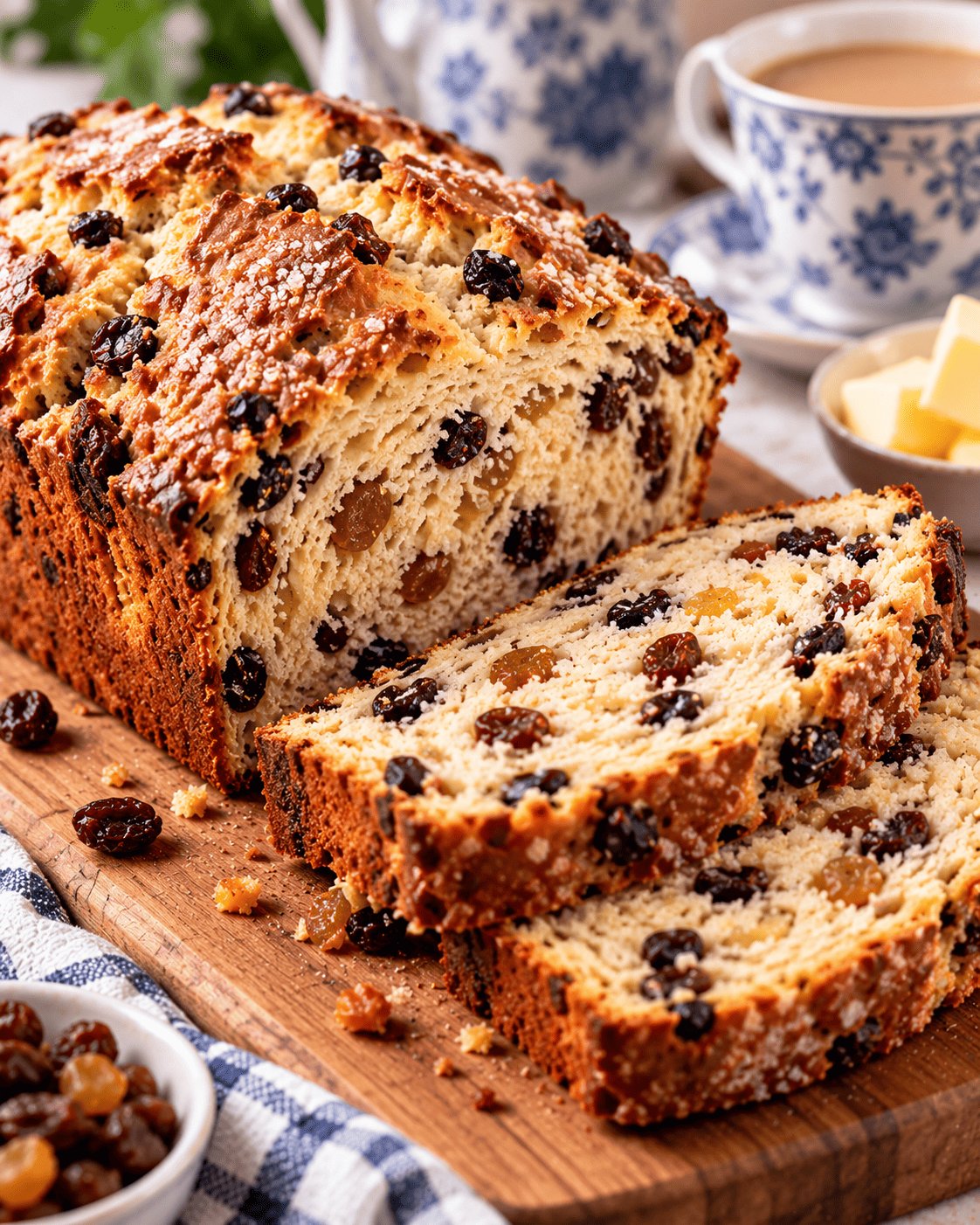
Irish tea bread is lovely served in slices with a cup of tea or coffee. Its restrained sweetness makes it appropriate for breakfast or an afternoon snack.
Butter is a traditional and familiar serving option for many fruit loaves. It adds richness without needing a complicated topping.
Breakfast or Afternoon Tea
A slice of tea bread can feel more substantial than a biscuit or cookie. It’s especially appealing when you want something mildly sweet rather than a full dessert.
Holiday Serving
Irish tea bread can also be a welcome addition to holiday gatherings, particularly when the recipe includes dried fruit and warm flavors.
Storage, Make-Ahead, and Freezing
Tea bread should be stored in a way that protects its moisture. A loaf that’s exposed to air may become dry, especially after it has been sliced.
Follow the recipe’s storage guidance and refrigerate any version containing perishable fillings or toppings. Some fruit loaves retain their quality well for a short period when properly wrapped.
Many tea breads can be frozen, although their crumb may change slightly after thawing. Individual slices can be convenient for later serving.
Frequently Asked Questions
Is Irish Tea Bread the Same as Barmbrack?
Not always. Some Irish tea bread recipes are closely related to tea brack or barmbrack, but the names shouldn’t be treated as interchangeable without checking the recipe.
What Tea Is Best for Tea Bread?
Black tea is a familiar choice, particularly in traditional fruit loaves. The best tea depends on the flavor intended by the original recipe.
Can Irish Tea Bread Be Frozen?
Many versions freeze well when properly wrapped. The texture may change slightly after thawing, but freezing can be useful for make-ahead baking.
Does Irish Tea Bread Always Contain Raisins?
No. Many traditional tea loaves contain raisins, currants, or other dried fruit, but the ingredients vary by recipe.
Final Thoughts
Traditional Irish Tea Bread is a comforting loaf with a simple appeal. Its connection to tea, gentle sweetness, and sliceable texture make it especially pleasant for breakfast or an afternoon break.
Whether this version is a fruit-rich tea brack or another Irish-style tea loaf, the best result is flavorful, satisfying, and easy to enjoy with a warm cup of tea.
Irish Tea Bread
Ingredients
Method
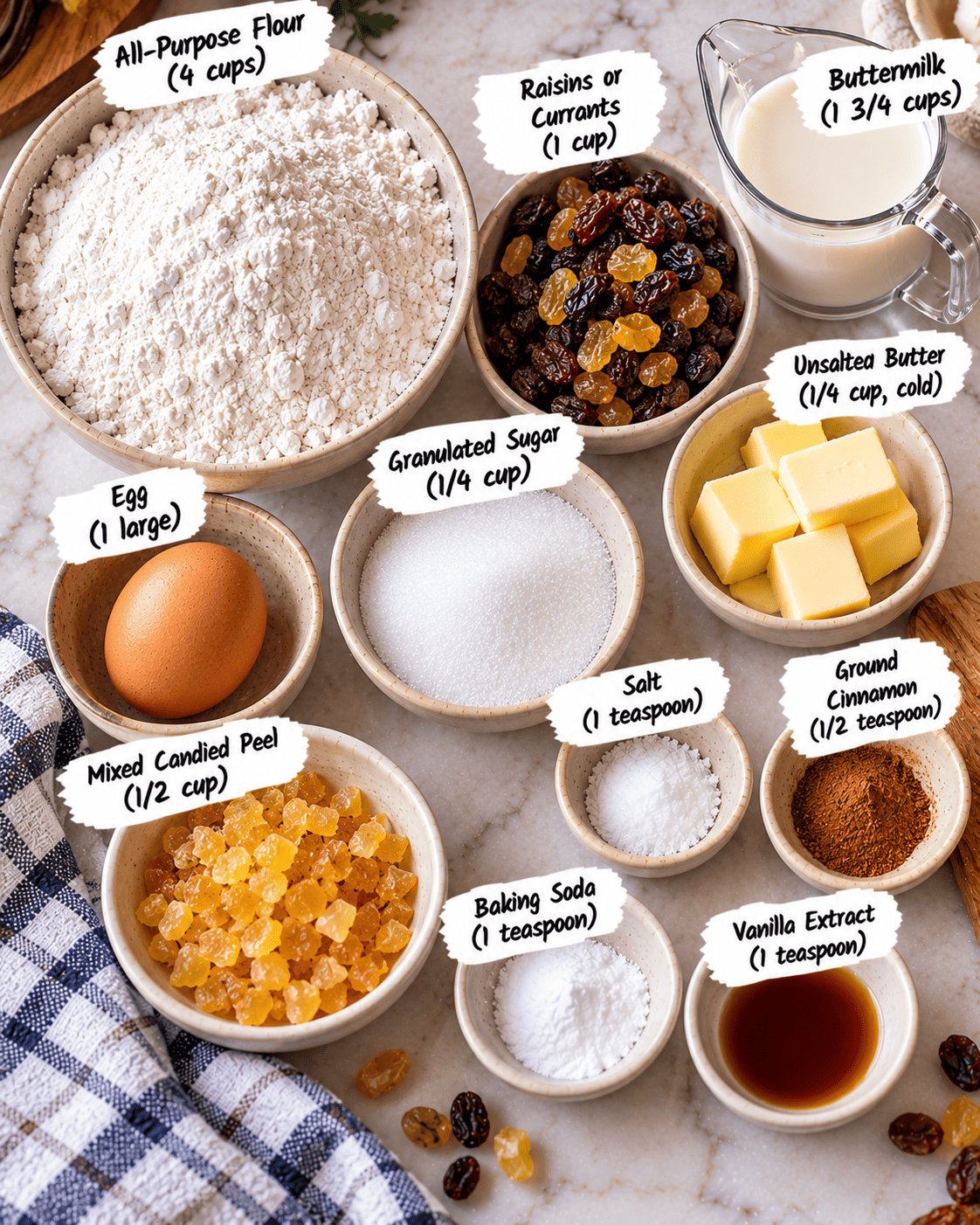
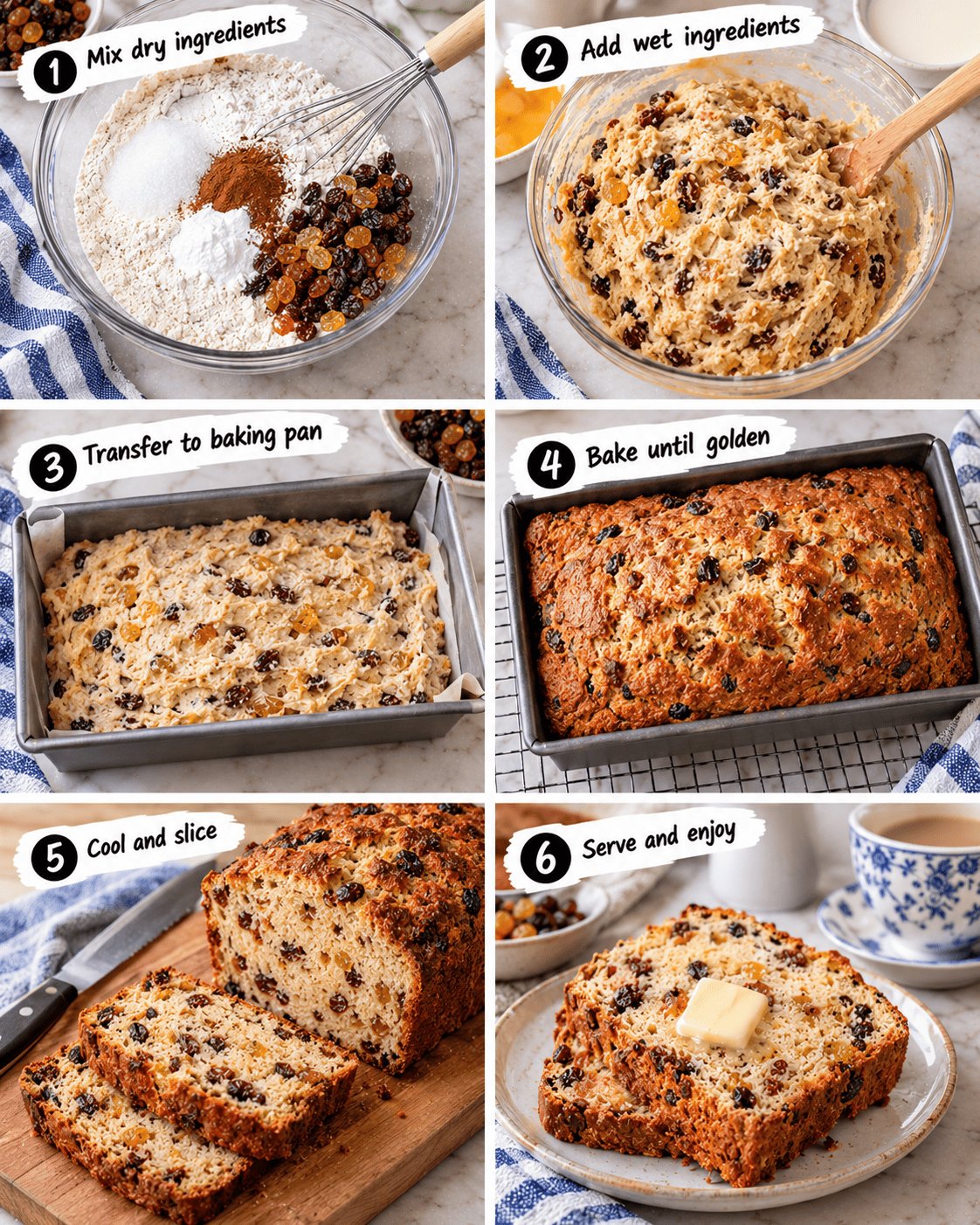
- Preheat your oven to 350°F (175°C) and grease a loaf pan.
- In a bowl, combine the flour, baking powder, baking soda, and salt.
- In another bowl, mix the brewed tea, brown sugar, and melted butter until the sugar is dissolved.
- Gradually add the dry ingredients to the wet ingredients, mixing gently until just combined.
- Fold in the dried fruit until evenly distributed.
- Pour the batter into the prepared loaf pan.
- Bake for 60 minutes or until a toothpick inserted in the center comes out clean.
- Let the bread cool in the pan for about 10 minutes, then transfer to a wire rack to cool completely.