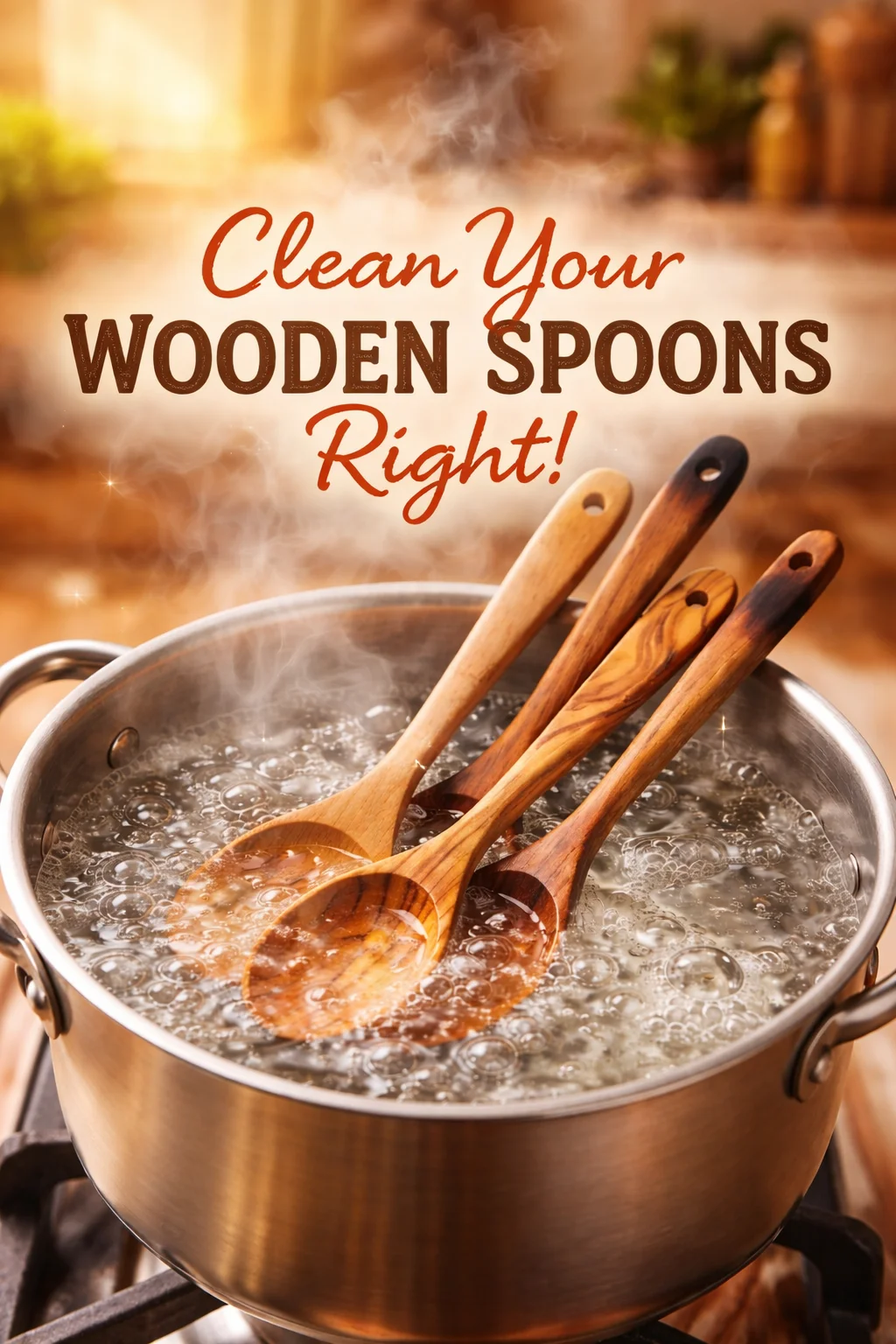
Ever grabbed a wooden spoon for your grandma’s chili recipe and suddenly thought, “Hang on—when did this thing last get a real clean?” How To Properly Clean Your Wooden Spoons isn’t talked about enough, honestly. I used to just toss mine in the regular dishwater and forget about it, but then… let’s just say I learned the “fuzzy spoon mistake” the gross way. Anyway, if you’ve ever had that moment of kitchen guilt while stirring up a batch of breakfast cookies or when you’re facing down a sink that’s basically a dish-jungle (been there, too), you’re not the only one. There’s a right way to do this, way easier than scrubbing burnt pots—trust me, I’ve tackled those burnt pots too and I’ll take wood utensil drama any day. 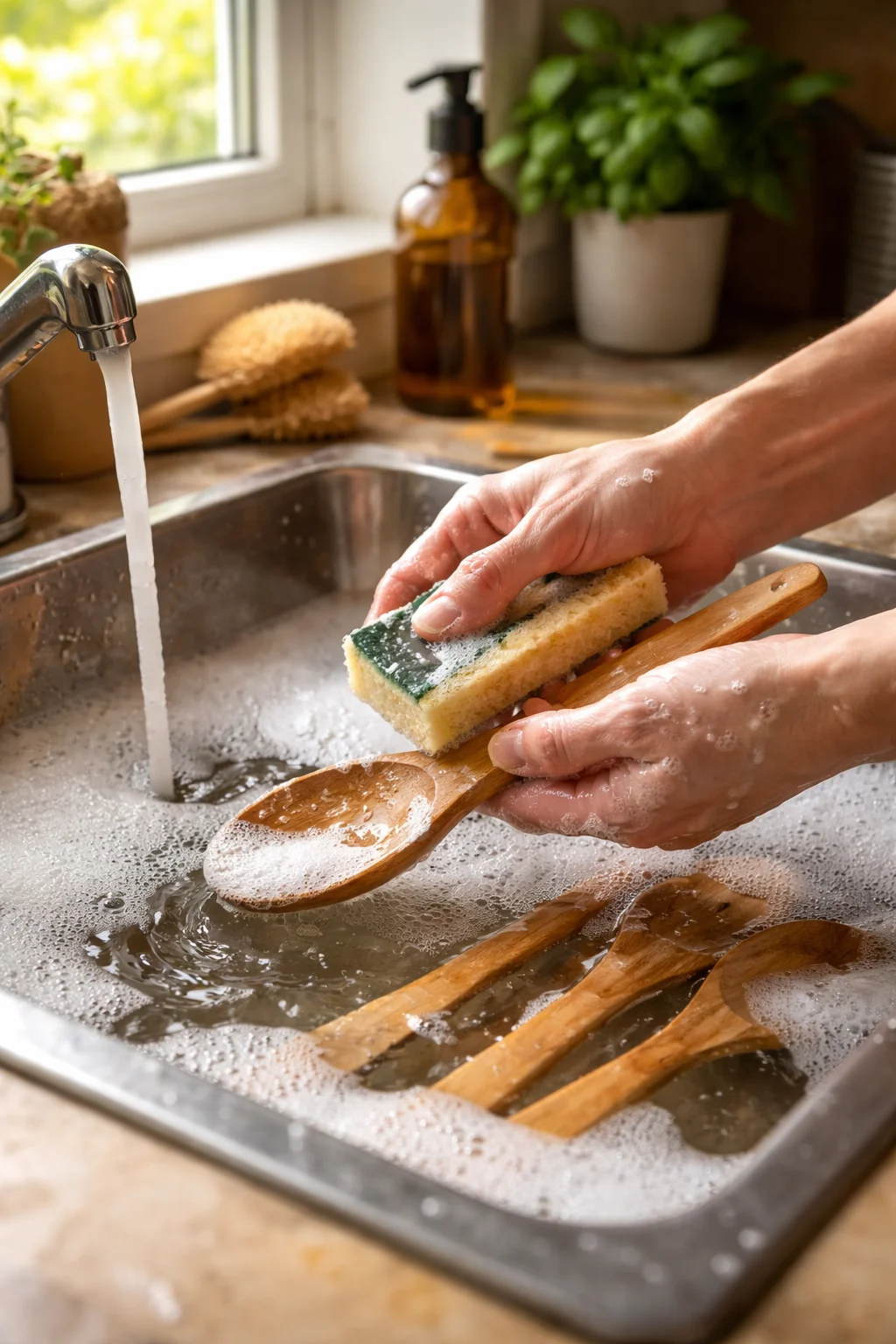
Best way to clean wood utensils
Okay, buckle up, ‘cause this is easier than people make it sound. No rocket science here.
- Warm, soapy water. Yep, that’s your MVP. Just wash ‘em by hand—don’t even look at your dishwasher.
- Use a soft sponge or dishcloth. Not the gnarly scrub pad or the one that smells like…well, suspicious things.
- Rinse thoroughly. No soap leftovers! Nobody wants a soapy omelet.
- Stand ‘em upright or lay flat to dry. Just don’t leave in a puddle.
“Since using this method, all my spoons are squeaky clean, smell fresh, and are totally splinter-free. I’m never going back to the old way!”
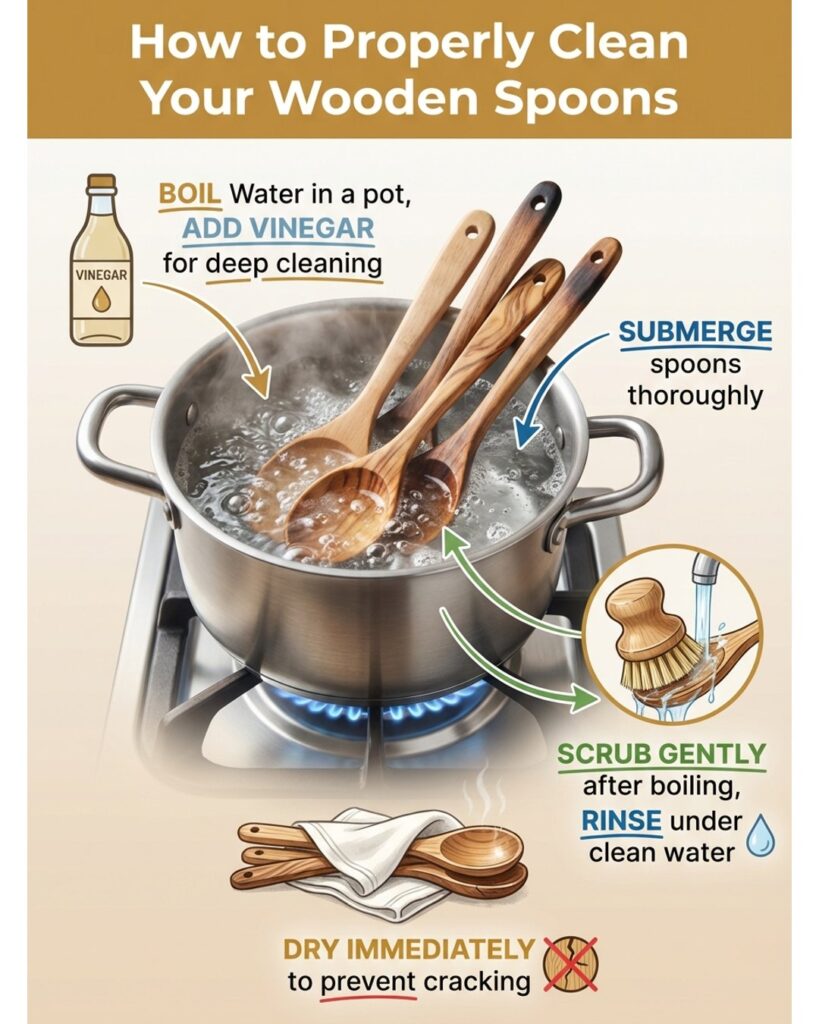
Five simple rules for keeping wooden utensils clean
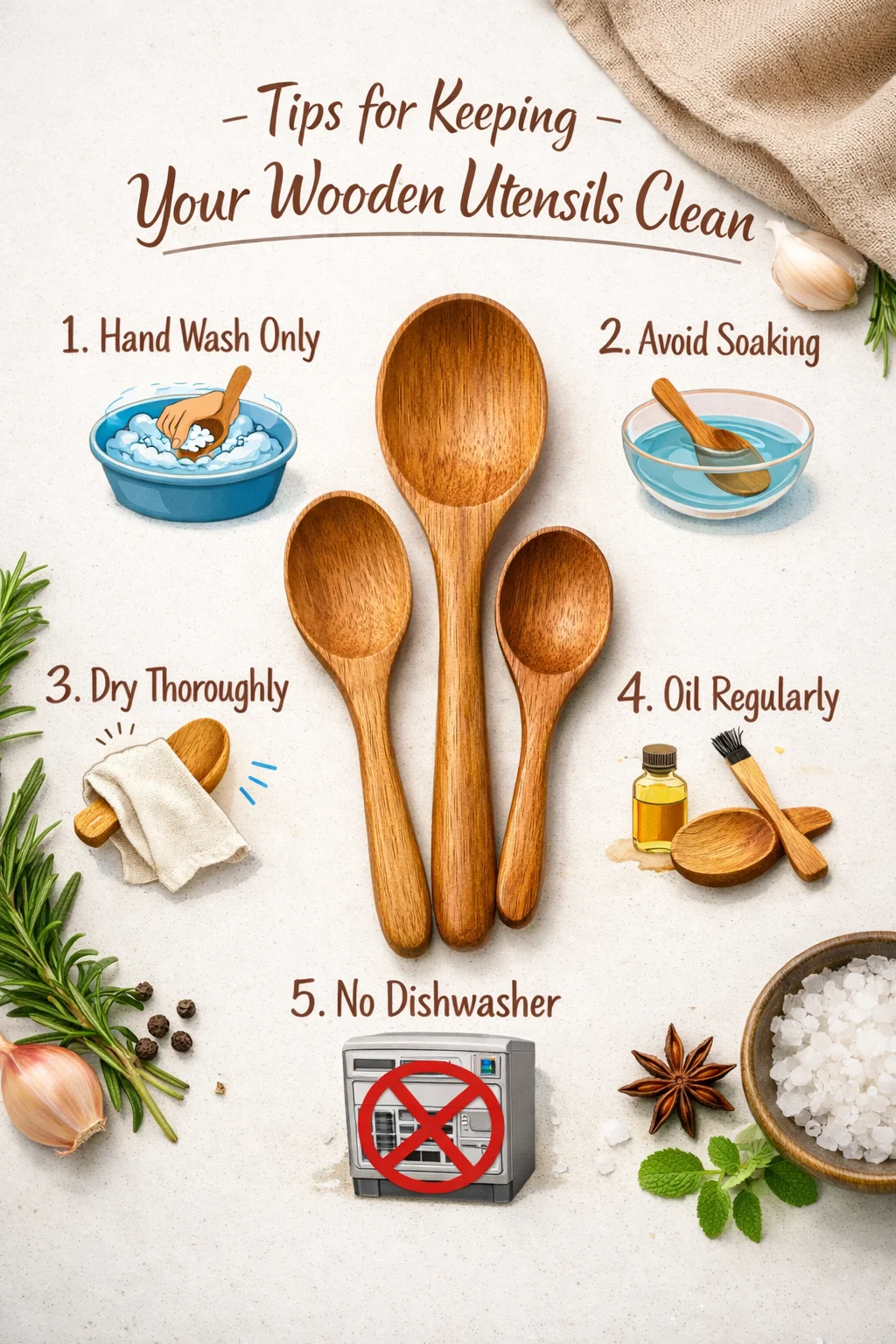
Here’s my non-negotiable, kinda bossy list—follow these or risk a fuzzy, stinky spoon fate:
- Never soak them forever (if you forget in the sink, it’s not game over—just rescue ASAP).
- Don’t let ‘em stay wet—dry with a towel or air dry pronto.
- No dishwasher ever. It’s not gentle, trust me. Warps and splits.
- Scrub off stubborn food with coarse salt and a lemon half. It’s old-school but it works!
- If a spoon gets really gross (think: moldy, or it smells weird), check out this natural mold-removal guide.
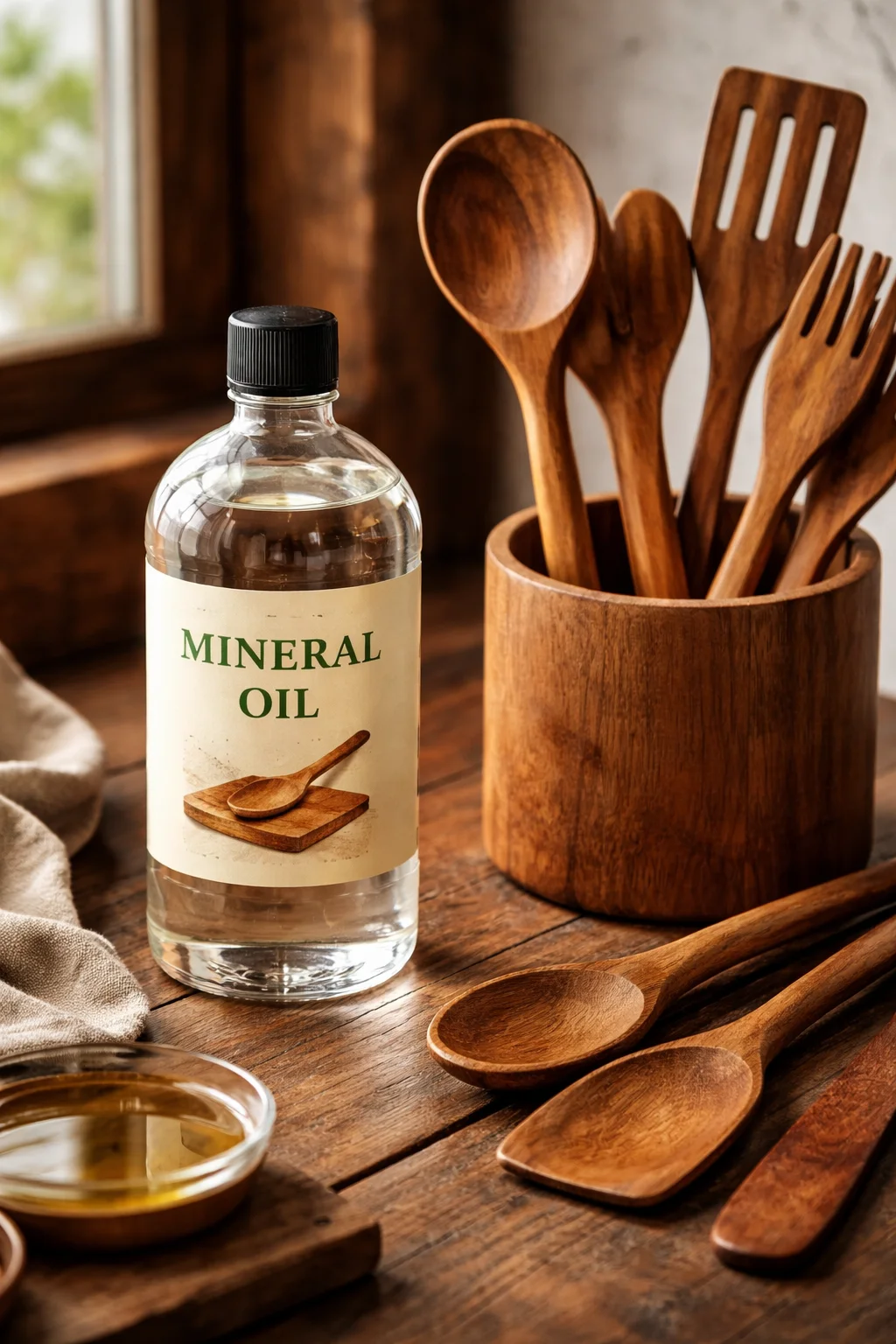
How to oil wooden utensils
Alright, you want your wooden spoons looking like five-star restaurant gear? Oil ‘em up! Sounds fancier than it is.
- Use food-grade mineral oil or a dab of coconut oil (not olive oil, trust me, things get weird).
- Wipe a small amount on with a clean cloth. Don’t drown the poor spoon.
- Let it sit for 5-10 minutes, then wipe off extra oil.
Done. Shiny, happy kitchen tools, and it keeps wood from cracking!
Why do my utensils feel rough and fuzzy?
You ever grab your favorite spatula and think, “Did my dog chew this?” Happens to everyone.
- The “fuzzy” comes from washing or leaving it wet too long (guilty).
- Wood fibers can rise and get rough after a scrub.
- Just hit the spot gently with fine sandpaper—yep, works miracles in two seconds.
- Then, oil it again. Basically a spa day for your spoon.
How often to oil your wooden cutting boards or utensils
This one, even I forget sometimes (oops). Here’s a general rule (not set in stone):
- Monthly is perfect for most—more in dry climates.
- If your spoons look thirsty, oil more often. It’s kinda like watering plants—you just know.
- Boards need it, too. Not just for spoons.
- If water soaks in, it’s time for a fresh coat.
Common Questions
Can I put my wooden spoons in the dishwasher?
Nope! They’ll crack, warp, and basically fall apart.
What if my spoon smells weird after cleaning?
Try scrubbing with lemon and coarse salt, then rinse and dry. Still stinky? Time for a new spoon.
Is coconut oil safe to oil my wooden spoons?
Yep, just make sure it’s 100% pure, not the cooking blend with all the extra stuff.
How do I know when a spoon is “done for”?
If it’s cracked, moldy, or you just can’t get the fuzz off—let it go. Treat yourself to a new one.
Can I use regular vegetable oil to oil utensils?
You could, but things might get tacky or smell off over time. Stick with food-grade mineral oil for the win.
Keep Your Wooden Spoons in Tip-Top Shape—And Love Using Them
So, seriously, How To Properly Clean Your Wooden Spoons isn’t as daunting as it sounds. With a quick wash, a little oil, and some old-fashioned common sense, they’ll last for years (seriously, maybe decades!). If you’re already on top of your kitchen game—like knowing the signs your sponge is full of bacteria or wrangling kitchen appliances without moving ‘em—you’re closer than you think. For the really deep-dive stuff, check out the Ultimate guide to wood utensil care – Earlywood or this clever wooden spoon cleaning hack – Taste. Now roll up your sleeves, give those spoons some TLC, and get back to cooking!