
Easy Pecan Pralines Recipe coming right up, because sometimes you just need a sweet bite that feels like a hug. If you have sugar, butter, milk, and a bag of pecans, you are halfway to something amazing. Maybe you are hosting, or maybe your sweet tooth is calling at 9 pm. Either way, these come together fast and make your kitchen smell like a candy shop. I have made a lot of batches over the years, and this is the one I trust when I want that classic Southern candy flavor with minimal fuss. Let me show you how to get it done without stress.
The Sweet History of Southern Pecan Pralines
Pralines have a fun backstory that starts in France. The original treat used almonds and caramelized sugar. When French settlers came to Louisiana, pecans became a popular alternative to almonds. That change helped create the Southern version we know and love today. Creamier, nuttier, and softer than brittle, these candies became a New Orleans favorite and a staple at family gatherings around the South.
Over time, cooks developed versions using butter and milk or cream, giving the candy a dreamy texture somewhere between soft fudge and caramel. That simple shift turned pralines into a gift-worthy treat you can share with friends and family. If you enjoy quick sweets with a nostalgic vibe, you will probably love making a tray of pecan pie bark too. Both treats are easy to package and share.
Another reason pralines became so popular is that they do not require fussy equipment. Sure, you can use a thermometer, and I recommend one for consistency, but many home cooks still use the old-school cold water test and get great results. That makes this candy approachable, even if you’re just starting to experiment with homemade sweets.
What Are Pecan Pralines?
A pecan praline is a buttery, brown sugar candy loaded with toasted pecans. The texture should be firm enough to hold its shape, but soft and creamy on the bite, with those pecan pieces adding crunch. Think of it as a caramel fudge with nutty warmth. Unlike brittle, pralines are not glassy or hard. You will get a melt-in-your-mouth finish that feels rich but not heavy.
Good pralines are all about balance. You want the sugar to dissolve fully, the butter to make everything silky, and the pecans to taste toasty and fresh. I like to toast my pecans first for a deeper, roasty flavor. If you are in a candy mood, add these to a dessert board alongside something chocolatey like homemade Almond Joy bars. You will have a mix of textures that every guest will love.
And yes, they are sweet. That is the point. But a pinch of salt and real vanilla help round everything out, so each bite tastes like more than just sugar. That warm, buttery, maple-like edge is what makes pralines so special.
What Makes Southern Pecan Pralines So Creamy?
This is the part that makes homemade pralines different from ordinary nut candy. The goal isn’t a hard, glassy snap. You want a soft, slightly crumbly texture that melts on your tongue while the pecans provide a little crunch.
The balance between sugar, dairy, and butter creates that familiar praline consistency. Brown sugar brings a deeper caramel flavor, while the dairy and butter add richness. As the candy cools and the sugar crystallizes into fine particles, the mixture takes on that creamy, almost fudge-like finish.
Why the Soft-Ball Stage Matters
The soft-ball stage is one of the most useful things to understand when making pralines. It describes the point where cooked sugar syrup forms a soft, pliable ball when a small amount is dropped into cold water. This temperature range helps create the texture pralines are known for.
If the mixture doesn’t reach the right stage, the candy may stay too soft or sticky. If it cooks too far, the finished pralines can become dry and crumbly. A candy thermometer makes the process easier to judge, especially when you’re still learning what the mixture should look like.
Choosing the Best Pecans for Pralines
Fresh pecans make a noticeable difference. They should taste sweet and nutty, without any stale or bitter notes. I prefer lightly toasted pecans because they bring out that warm, roasted flavor that pairs so well with brown sugar.
Pecan halves give the finished candy a traditional look, while smaller pieces distribute the crunch more evenly. Either works, so use whichever you enjoy. Just remember that pecans are the star here, and good-quality nuts are worth it.
Helpful Tools for Homemade Pralines
You don’t need a kitchen full of special equipment. A heavy-bottomed saucepan, heat-safe spatula or wooden spoon, parchment-lined sheet pan, and a couple of spoons are enough for most batches. A cookie scoop can also help keep the pralines a similar size.
I especially recommend a candy thermometer if you make homemade candy often. It takes away some of the guesswork and helps you recognize the right temperature without relying entirely on appearance. Hot sugar can cause serious burns, so keep children and pets away from the cooking area.
My family has made these for decades and this method is spot on. The texture turns out creamy every time and the flavor is exactly what I remember from my grandma’s kitchen.
Notes for success: patience beats heat. Rushing the cooking process can cause grainy or uneven candy. If your pralines look too glossy when scooped, they might be slightly undercooked. If they look chalky and dry, they may have cooked a touch too long. Either way, they will still taste delicious. Practice teaches your eyes what to look for.
Tips for the Best Homemade Pecan Pralines
These practical tips will help you nail the batch, even on your first try. They are simple, but they matter more than you might think.
- Use a heavy pot. Thin pots cause hot spots and can scorch sugar. A sturdy pot means even heat.
- Go medium heat. Keep the heat steady so the sugar dissolves fully. Stir gently to avoid splashing sugar crystals on the sides.
- Humidity matters. Candy is happiest on a dry day. If it is very humid, your pralines may take longer to set.
- Toast the pecans. That roasty edge makes the whole candy pop. Do not skip it.
- Watch the texture. The mixture should begin to thicken and lose some of its shine as it approaches the right consistency.
- Work fast when scooping. Once the candy turns creamy and loses gloss, move quickly to portion it before it firms up in the pot.
If you like quick stovetop sweets, try a crunchy cousin like this festive cornflake brittle recipe. It pairs nicely on a candy tray with pralines and looks great for gifting.
When you want easy Southern pecan pralines that turn out well, these basics make a real difference. Calm heat, careful stirring, and fresh pecans deliver that classic flavor you are craving.
Why Are My Pecan Pralines Grainy, Sticky, or Too Hard?
Homemade candy can be a little unpredictable, especially when you’re working with cooked sugar. The good news is that most praline problems come down to temperature, moisture, or how the sugar crystallizes as it cools.
Why Pralines Turn Grainy
A slightly grainy texture is normal for traditional Southern pralines, but large, gritty sugar crystals are not what you’re aiming for. If the candy feels sandy rather than creamy, the sugar may have crystallized too early or unevenly.
Undissolved sugar along the sides of the saucepan can contribute to this problem. Gentle heating and careful stirring help, and a damp pastry brush can be useful for removing stray crystals from the pot.
Why Pralines Won’t Harden
If your pralines stay sticky or refuse to hold their shape, the sugar mixture may not have reached the correct temperature. Humidity can also affect how quickly the candy sets, especially on warm or rainy days.
Sometimes the mixture simply needs a little more cooling time. If the pralines remain soft after they’ve cooled completely, the batch may need a different cooking temperature or slightly more attention to the thickening stage next time.
Why Pralines Become Dry or Crumbly
Pralines that turn dry and crumbly may have cooked too long or been stirred past the point where the candy was ready to portion. Once the mixture starts losing its shine, it can thicken surprisingly quickly.
I try to have everything ready before the candy reaches that stage. That way, there’s no scrambling for parchment or a spoon while the mixture firms up in the saucepan.
How Long Do Pecan Pralines Last?
At room temperature, pralines keep well for about 5 to 7 days in an airtight container. Store them in a cool, dry spot away from sunlight. If your kitchen runs warm, line the container with parchment and separate layers to prevent sticking.
In the fridge, they can last about 2 to 3 weeks, though the texture may firm up slightly. Let them sit at room temperature briefly before serving so the candy softens. For longer storage, freeze for up to 2 months. Wrap individually, then keep in a freezer bag or airtight box. Thaw while wrapped to help prevent condensation.
If your pralines absorb moisture and turn tacky, leaving them uncovered in a cool, dry place for a little while may help. If they seem crumbly, they were likely cooked a touch too hot. Still tasty, just a bit more like fudge.
I also like packing pralines in holiday tins with other sweets like chocolate spritz cookies or a cozy fruit dessert such as blackberry cobbler for a complete homemade treat box. It is a simple way to share love without a lot of fuss.
Frequently Asked Questions About Pecan Pralines
Do I need a candy thermometer?
No, but it helps. The cold water soft-ball test works fine if you’re familiar with it, although a thermometer removes much of the guesswork. I find it especially useful when making pralines for gifts because consistent temperatures make the results easier to repeat.
Why did my pralines turn grainy?
The sugar likely crystallized unevenly. Use gentle stirring, wipe down any sugar crystals on the pot with a damp brush, and avoid unnecessarily high heat. Also, let the sugar dissolve fully before the mixture reaches a boil.
Can I use half-and-half instead of evaporated milk?
Yes. Heavy cream, evaporated milk, or half-and-half can work, although their different fat and water contents may affect the finished texture. The richer the dairy, the creamier the praline may taste. For the most dependable result, use the type specified in your recipe card.
How do I fix a batch that set in the pot?
If the mixture thickens before you’ve finished portioning, a very small amount of warm milk may help loosen it. Work carefully because the candy will still be extremely hot, and adding liquid can affect the texture. Next time, have your parchment and scooping tools ready before the mixture reaches its final stage.
Can I add other flavors?
Absolutely. A pinch of cinnamon or a little bourbon can be lovely. Start small so the additional flavor doesn’t overpower the pecans. Vanilla, salt, and brown sugar already give the candy plenty of warmth, so you don’t need much extra.
Ready to Make a Batch?
You have got the backstory and the little details that make homemade pralines special. Keep the heat steady, toast your pecans, and pay attention to the soft-ball stage. With a little practice, you will learn to recognize that perfect creamy texture, and these Easy Southern Pecan Pralines may become your go-to for holidays and quick gifts.
If you want to compare methods or read more from other home cooks, check out this detailed Southern Pecans Praline Recipe, or try a no-thermometer approach in Easy Southern Pecan Pralines. They are both great references to keep in your back pocket while you stir up your own batch at home.
Once you taste that buttery, nutty bite, you will see why these pralines stay on repeat in my kitchen. Happy candy making, and save a few for yourself before they disappear.
More Recipes to Try
If you are planning another homemade meal, these recipes are worth exploring next: Easy Southern Pecan Praline Sheet Cake, Easy No Bake Pecan Pie Cheesecake, Pumpkin Spice Rice Krispie Treats and Old-Fashioned Divinity Candy Recipe.
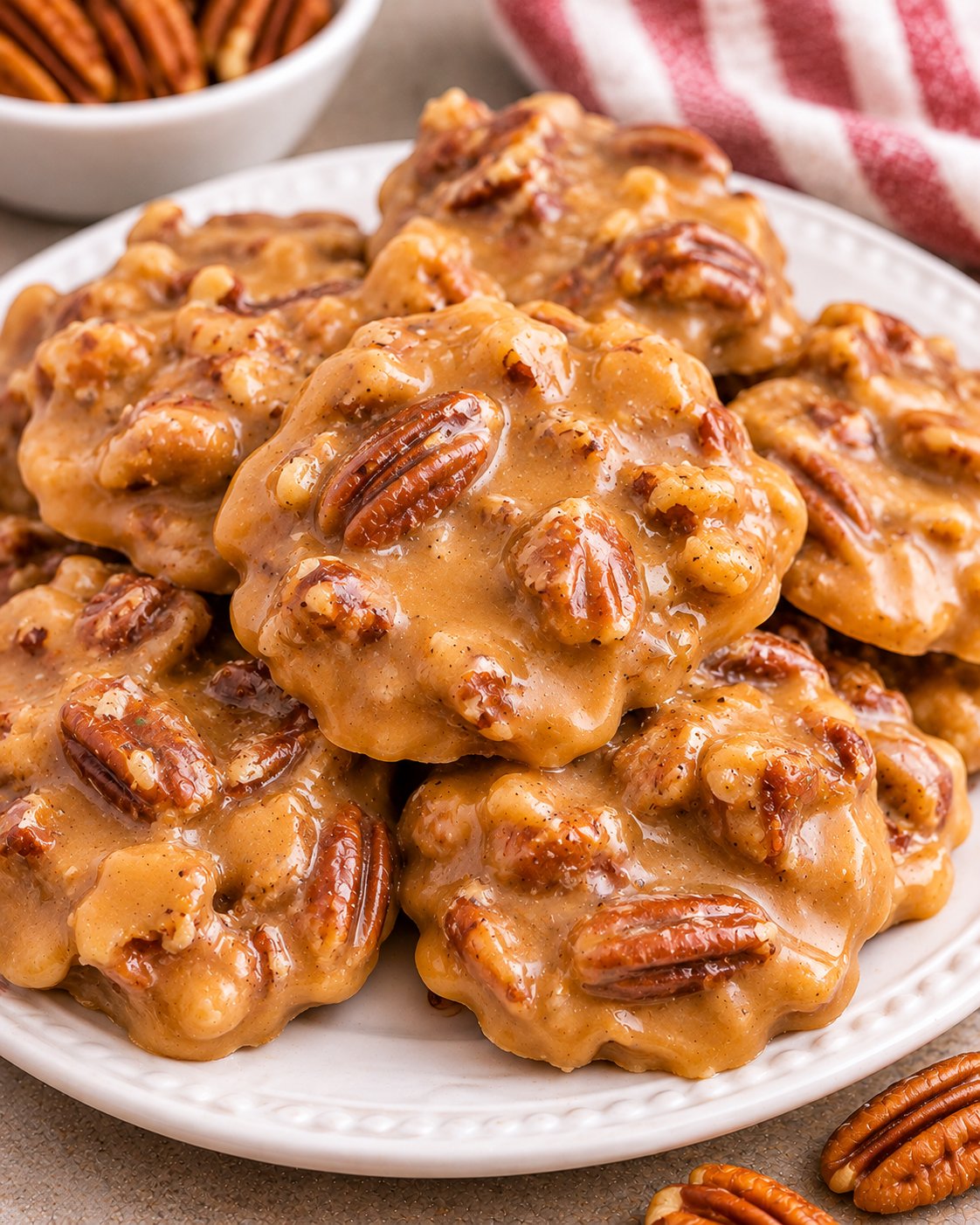
Pecan Pralines
Ingredients
Method
- Toast the pecans in a dry skillet over medium heat until fragrant.
- In a heavy-bottomed saucepan, combine butter, brown sugar, and evaporated milk.
- Cook over medium heat, stirring constantly until the mixture reaches the soft-ball stage (235°F to 240°F).
- Remove from heat and stir in toasted pecans, vanilla extract, and salt.
- Allow to cool for a few minutes, then scoop spoonfuls onto parchment-lined baking sheets.