
Stewed potatoes are the kind of old-fashioned side dish that doesn’t get nearly enough attention. They’re humble, filling, and comforting, with tender potatoes surrounded by a flavorful liquid that makes them feel different from ordinary boiled potatoes.
A good stewed potatoes recipe should have potatoes that are soft enough to enjoy with a fork but haven’t completely lost their shape. The surrounding liquid might be brothy or slightly thickened, depending on the family recipe. Either way, the finished dish should feel cohesive rather than watery or pasty.
In many Southern kitchens, stewed potatoes have long been part of the everyday dinner table. They’re especially good alongside beans, greens, cornbread, and other familiar comfort foods.
What Are Stewed Potatoes?
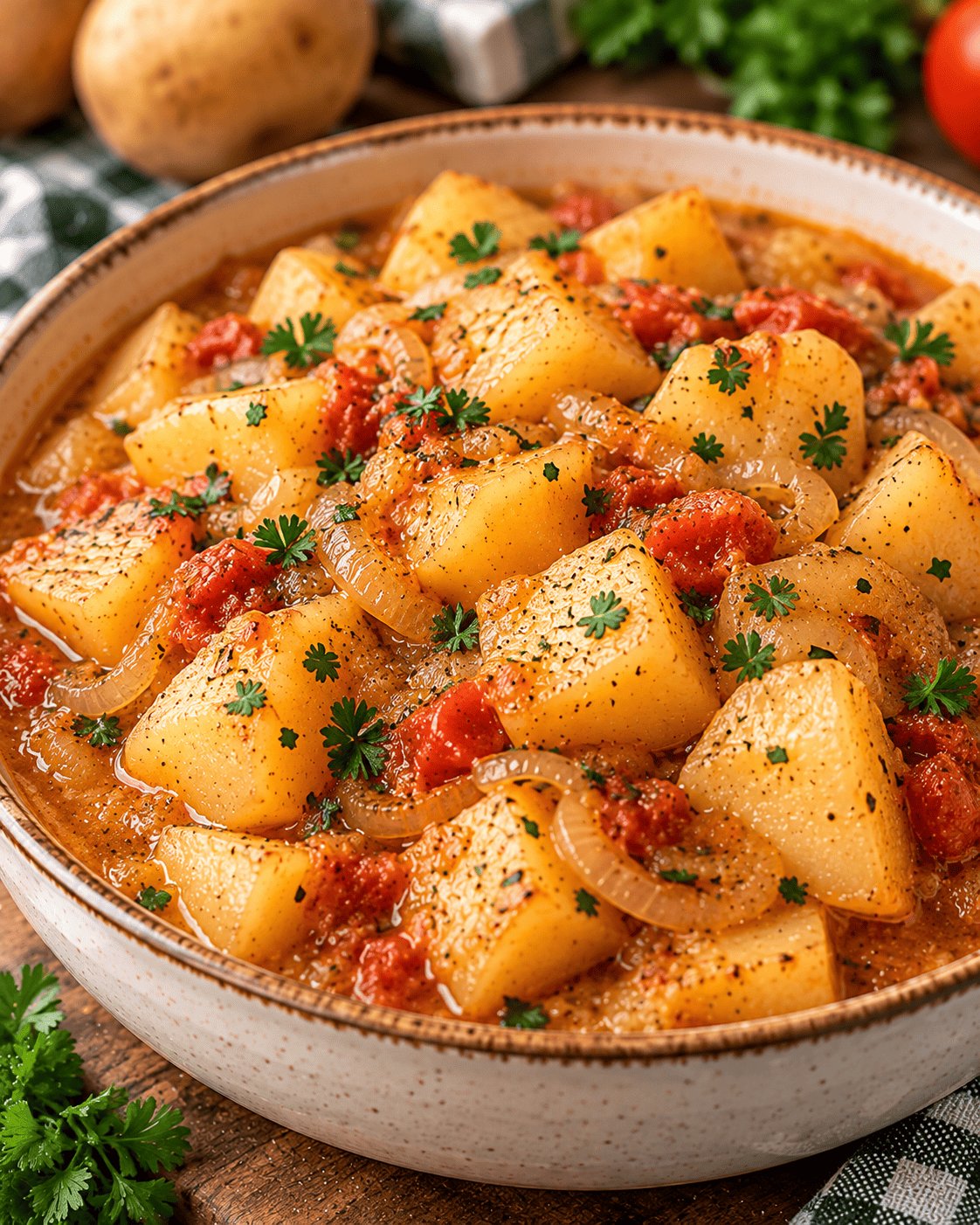
Stewed potatoes are potatoes served in a flavorful cooking liquid, often with a soft, comforting texture. Unlike plain boiled potatoes, the liquid is part of the finished dish rather than something simply discarded.
Some traditional versions are fairly brothy, while others have a thicker consistency as the potatoes release starch. Family recipes can vary quite a bit, particularly in the South.
The appeal lies in that combination of tender potatoes and savory liquid. It’s a simple side dish, but a good version has more character than its short name suggests.
Why They’re Considered Southern Comfort Food
Stewed potatoes fit naturally into the tradition of practical home cooking. They’re satisfying, familiar, and well suited to meals built around other inexpensive, everyday dishes.
A bowl of soft potatoes with a little flavorful liquid can be particularly comforting on a cool evening. It doesn’t need elaborate garnishes or complicated accompaniments.
Stewed Potatoes vs. Boiled or Smothered Potatoes
These dishes may use the same vegetable, but their finished textures are different. Boiled potatoes are often served after the cooking liquid has been removed, while stewed potatoes retain a liquid component.
Smothered potatoes are commonly associated with a softer, more skillet-style preparation, sometimes with onions or other savory additions. The terminology varies by region and household.
What Makes Stewed Potatoes Distinctive?
The liquid surrounding the potatoes is a defining feature. It contributes moisture and flavor, making the dish feel more like a rustic, spoonable side than a plate of plain potato pieces.
The best consistency depends on the original recipe. Some versions are intended to be loose and brothy, while others are noticeably thicker.
Choosing Potatoes for Tender Pieces That Hold Together
Potato variety influences the finished dish more than many people realize. Some potatoes soften readily and release starch, while others hold their shape more reliably.
Neither characteristic is automatically better. The right choice depends on whether the recipe is intended to have distinct potato pieces or a softer, more rustic texture.
Russet Potatoes
Russets are starchy potatoes that can become very soft. Their starch may contribute body to the surrounding liquid, although the pieces can also break apart more easily.
They may be appealing in a recipe designed for a thicker, softer finish.
Yukon Gold Potatoes
Yukon Gold potatoes have a naturally creamy texture and tend to retain their shape better than very starchy varieties. They can provide a balance between tenderness and structure.
The original recipe should determine whether they are appropriate.
Waxy Potatoes
Waxy potatoes generally hold their shape well. They may be useful when the intended dish has recognizable pieces in a relatively brothy liquid.
However, they won’t necessarily create the same thickened consistency as starchier varieties.
Getting the Right Brothy or Creamy Consistency
Stewed potatoes can range from lightly brothy to thick and creamy-looking. The important thing is that the consistency matches the dish rather than seeming accidental.
A thin liquid can make the potatoes feel disconnected, while an excessively thick one may become pasty.
Brothy Stewed Potatoes
A brothy version has enough flavorful liquid to surround the potatoes without resembling a bowl of plain water. The potatoes should still be the main attraction.
This style can be especially pleasant alongside cornbread or another simple accompaniment.
Creamier Stewed Potatoes
Some versions become thicker as potato starch enters the liquid. That can create a comforting texture without necessarily requiring cream.
The word creamy shouldn’t be used to imply dairy is included unless the recipe actually contains it.
Common Problems: Mushy Potatoes or Thin Liquid
The most common disappointment with stewed potatoes is losing the balance between tender pieces and flavorful liquid. A dish can become too soft, too watery, or unpleasantly thick.
A good finished version should feel rustic but still have a pleasant texture.
Why Potatoes Become Mushy
Some potato varieties break down more readily than others. The finished texture also depends on the recipe’s cooking conditions.
A little softening may be part of the dish’s character, but the potatoes shouldn’t become an indistinct paste unless that is the intended style.
Why the Liquid Can Be Too Thin
A very thin liquid may lack the body associated with some stewed potato recipes. Potato variety and the recipe’s overall composition influence how thick the finished dish becomes.
Not every version needs a thick sauce, however. A brothy finish can be completely appropriate.
Why the Dish Can Become Gluey
Potatoes contain starch, and the texture of that starch can change how the liquid feels. An overly gluey consistency can make the dish heavy rather than comforting.
The best result has enough body to feel satisfying without becoming sticky.
Serving Suggestions for a Comfort-Food Dinner
Stewed potatoes are particularly good alongside Southern-style beans and cornbread. Their soft texture complements heartier dishes, while the flavorful liquid makes the meal feel especially comforting.
They also work with roasted or grilled meats, green beans, and cooked greens. A fresh vegetable side can balance the softness of the potatoes.
For a simple family dinner, stewed potatoes and one savory main dish can be plenty.
Leftovers and Reheating
Stewed potatoes may thicken as they cool because the starch continues to affect the surrounding liquid. The potatoes can also become softer after refrigeration.
Refrigerate cooked leftovers promptly at 40°F or below and use within three to four days. Store them in a covered container.
Reheat leftovers thoroughly to 165°F. Freezing may be possible, but potatoes can become grainy or watery after thawing.
Frequently Asked Questions
Which Potatoes Work Best for Stewed Potatoes?
Starchy potatoes can create a softer texture and contribute body to the liquid, while waxy varieties hold their shape more reliably. The best choice depends on the original recipe’s intended consistency.
Can You Make Stewed Potatoes Ahead?
Yes, many versions can be prepared ahead. The liquid may thicken and the potatoes may soften during storage, so the texture won’t necessarily be identical to a freshly prepared dish.
Can Stewed Potatoes Be Thickened?
Some recipes naturally become thicker as potato starch enters the liquid. The appropriate consistency depends on whether the dish is intended to be brothy or creamy.
Are Stewed Potatoes the Same as Potato Soup?
Not exactly. Stewed potatoes are generally a potato-focused side dish, while potato soup is typically served as a soup with its own balance of liquid and other components.
Final Thoughts
Old-Fashioned Stewed Potatoes are a comforting reminder that simple side dishes can be just as satisfying as elaborate recipes. Tender potatoes and flavorful liquid create a familiar combination that works beautifully with Southern-style dinners.
The best version has a pleasant balance between softness and structure. Whether your family prefers a brothy finish or a thicker one, stewed potatoes deserve a place on the comfort-food table.
Stewed Potatoes
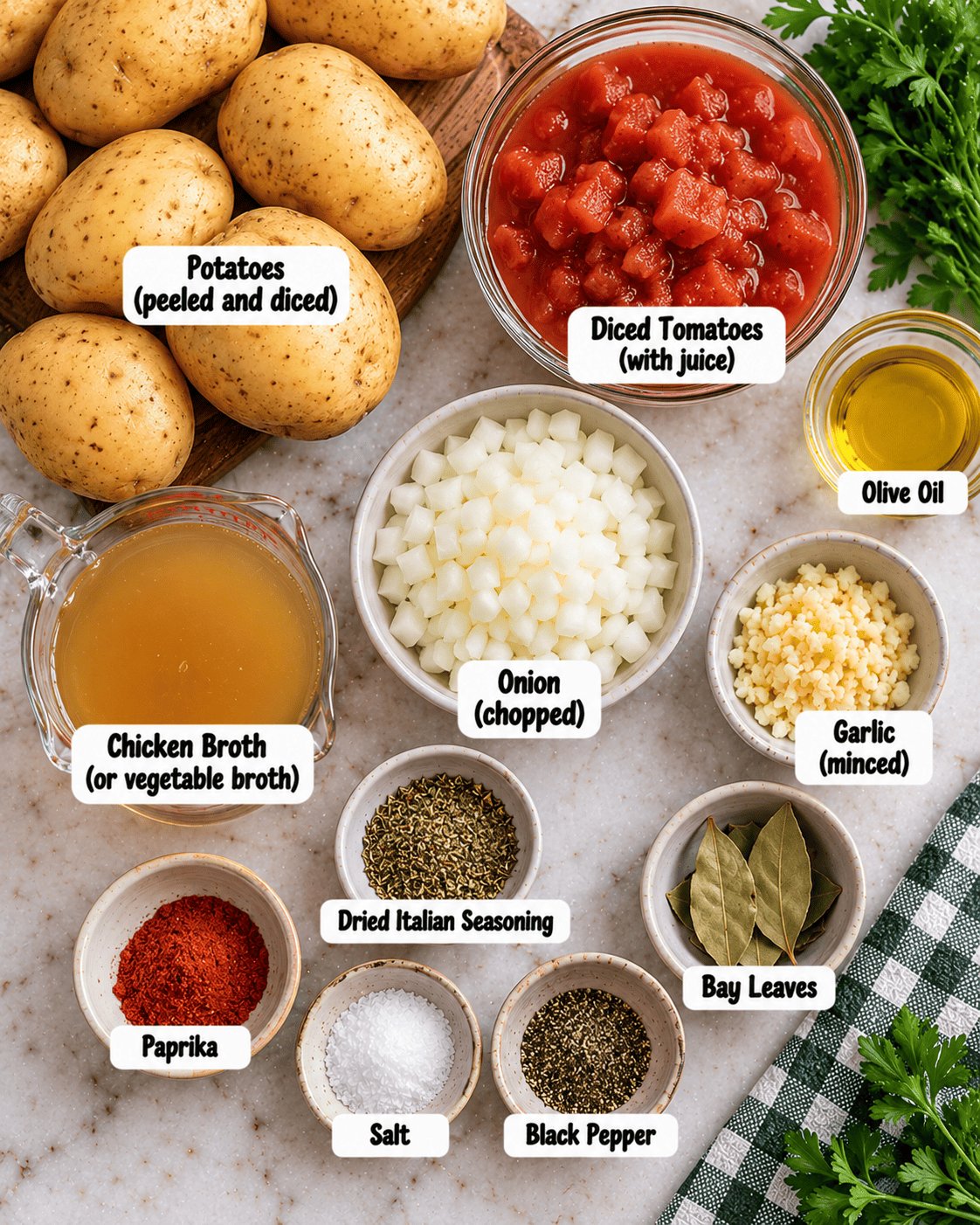
Ingredients
Method
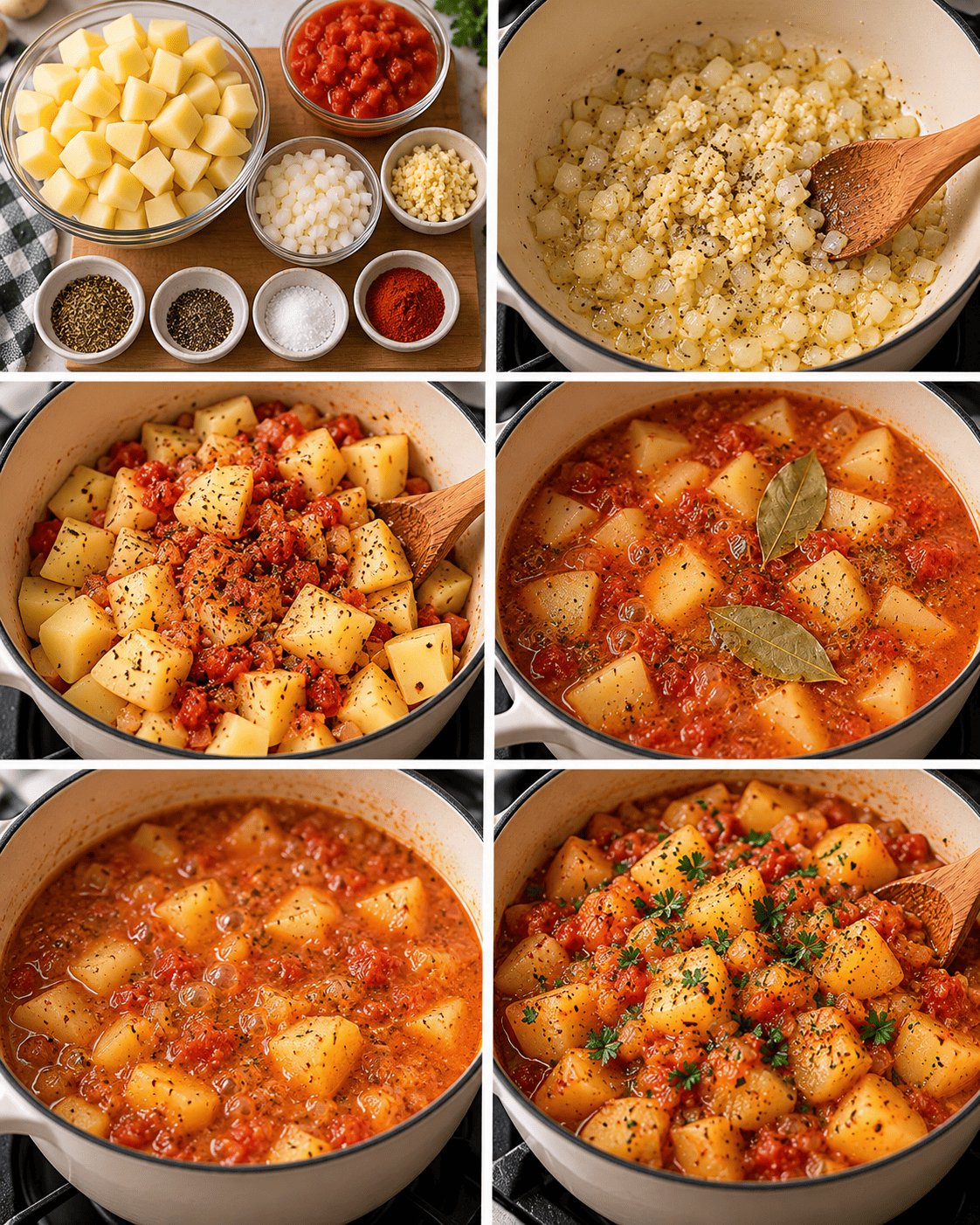
- Peel and cube the potatoes into bite-sized pieces.
- In a large pot, combine the cubed potatoes, water or broth, salt, and pepper.
- Bring the mixture to a boil over medium heat.
- Reduce heat to low and simmer until the potatoes are fork-tender, about 20-30 minutes.
- If using butter, stir it in before serving for extra flavor.