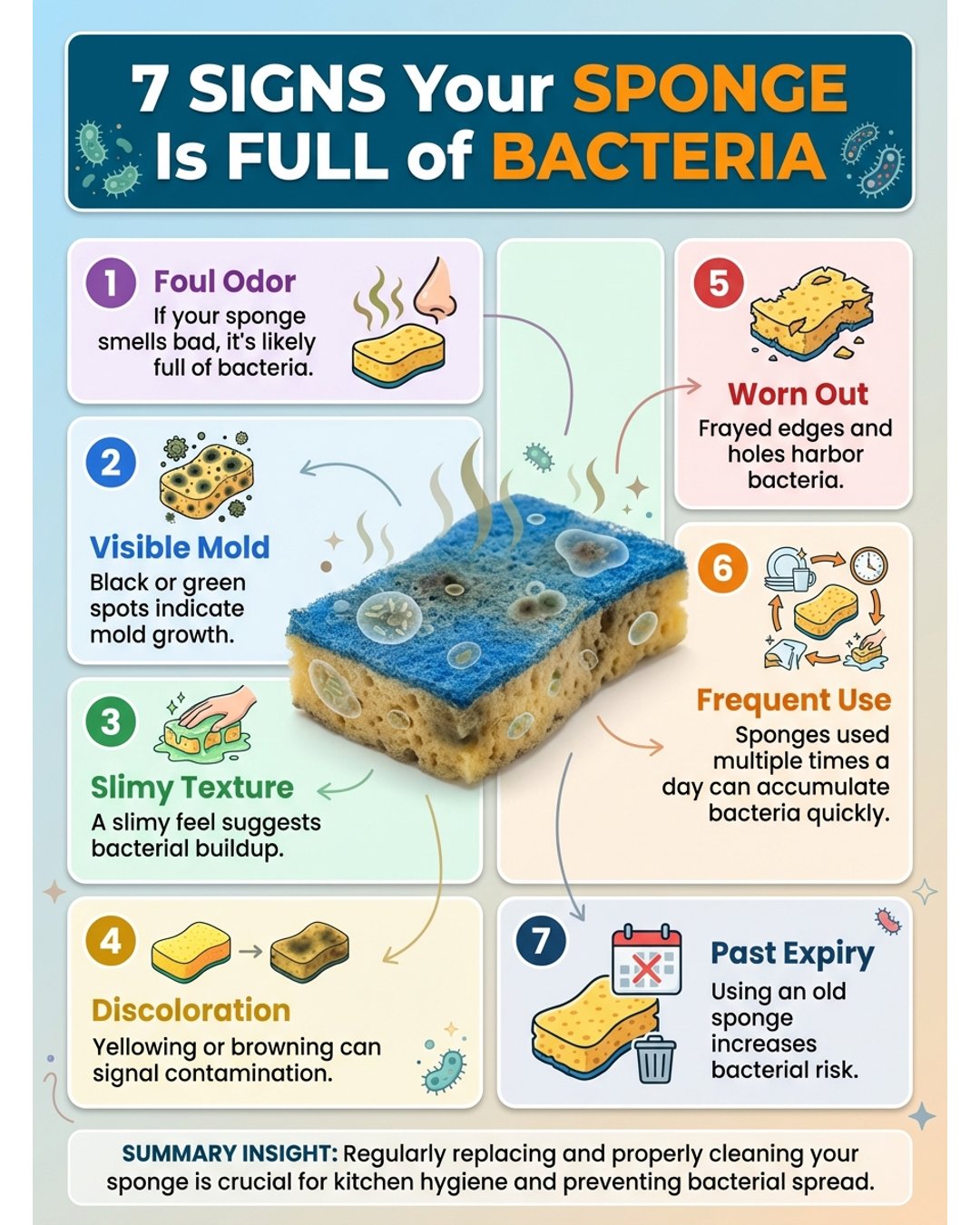
Ever been elbow-deep in dishes and suddenly thought—“Wait…is my sponge just, like, a bacteria hotel?” Yep, I’ve been there! 7 Signs Your Sponge Is Full of Bacteria isn’t just a scary headline—it’s real, and if you’re squeamish (I know I can be), you’ll want to keep reading. Before you dive back into scrubbing those plates, let’s check if your trusty kitchen sidekick is secretly gross. I mean, if I can find time to try new ways to tackle grease or whip up crispy air fryer salt and pepper tofu, I can also ditch a nasty sponge, right? No shame here.
Why Regular Beautyblender Replacement Is Crucial for Healthy Skin
You wouldn’t use the same dish towel for a month without washing it (I hope), right? Same goes for your sponge! Moisture, soap, and food bits create the perfect storm for germs.
- Bacteria thrive in damp, dark places (hello, kitchen sponge).
- Using a dirty sponge just spreads mess around—ugh.
- You’ll taste the difference in perfectly cleaned dishes (seriously).
And honestly, it’s so much easier to just swap it out than deal with the “eww” factor later on.
“After changing my sponges regularly, my dishes actually started to smell clean—not just, you know, less bad. Huge difference!” — Martha, home cook in Ohio
How Often Should You Change Your Beautyblender?
I know, it sounds like a trick question. But (no kidding), those cute little sponges don’t last forever.
- Kitchen sponges? Shoot for once every week or at least two weeks.
- See green fuzz or smell something funny? Out it goes.
- If you’re using a heavy-duty sponge daily, sooner is better than later.
Honestly, I treat myself to a new one each shopping trip. It’s like a mini-reset for your cleaning routine!
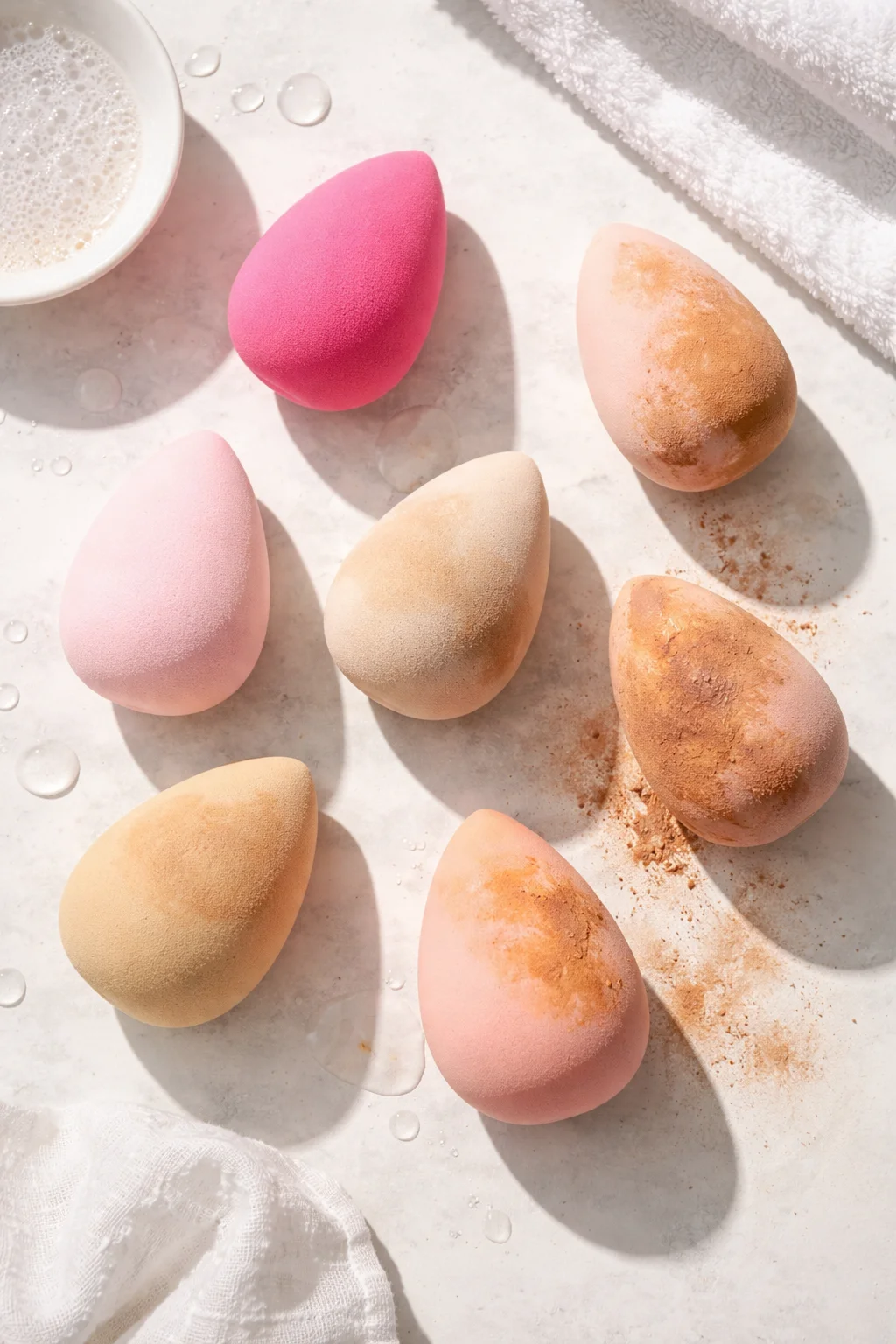
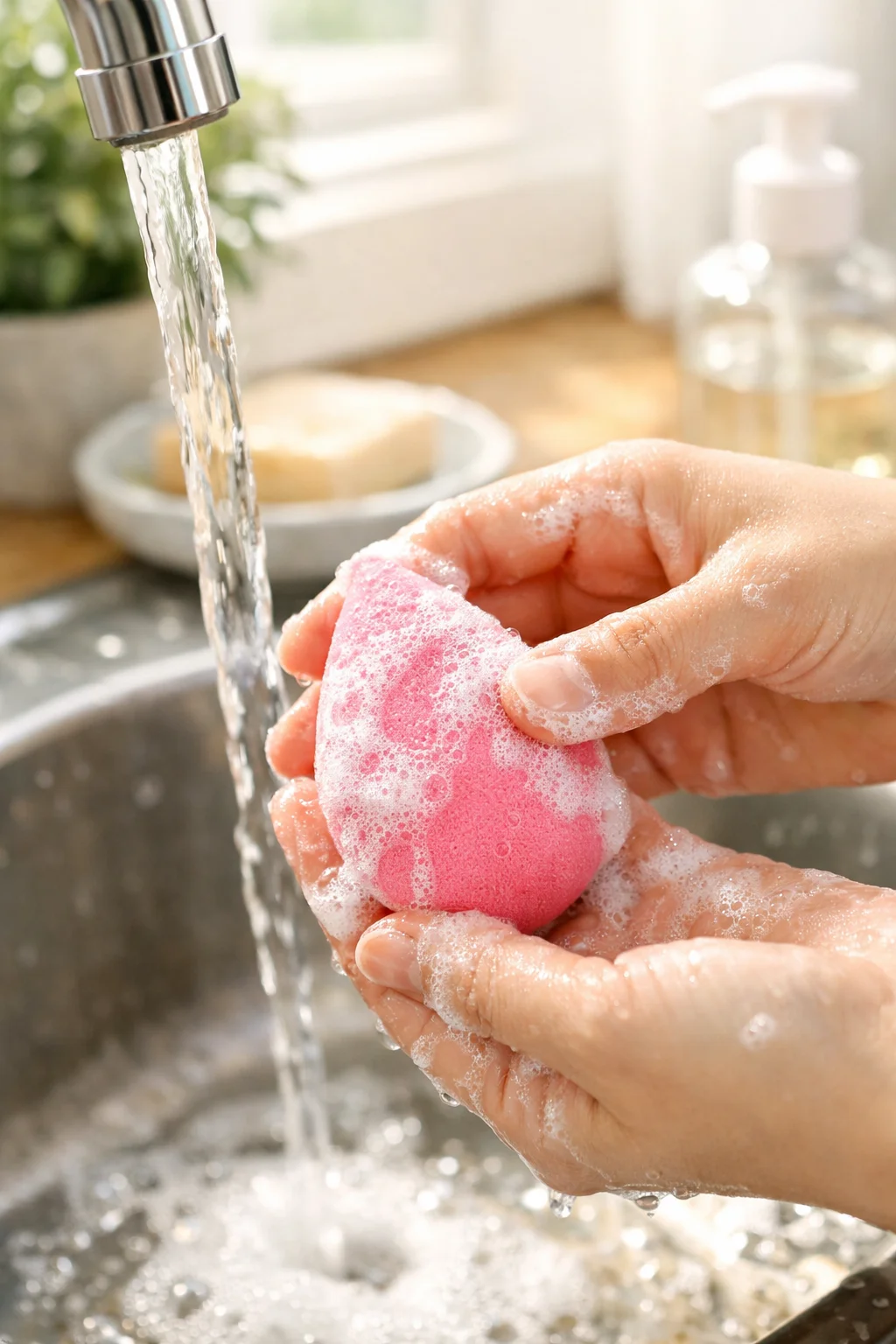
How to Clean Your Beautyblender
Before you throw it out, you can give your sponge a “spa day”—just don’t expect miracles.
- Soak in hot, soapy water (microwave it wet for a minute if you’re bold).
- Vinegar or diluted bleach works if you’re feeling old-school.
- Let it dry completely, or it’ll just get stinkier.
Quick rinse under water after each use helps big time, too (not that I always remember…).
The Benefits of Regularly Replacing Your Beautyblender
Okay, real talk. Fresh sponges = happier kitchen life.
- Zero musty smells—your nose will say thank you.
- No surprise “stuff” growing where the sun don’t shine.
- Fewer worries about spreading who-knows-what on your dishes.
Your hands, plates, and next batch of Christmas toffee will all be better for it, trust me.
7 Signs It’s Time to Replace Your Beautyblender
Let’s break it down. If you see these, just toss it. No drama.
- It stinks—even after washing.
- It crumbles or has holes.
- There are funky colors or black spots (that’s mold).
- It feels slimy or sticky, ew.
- Food bits refuse to leave (forever trapped broccoli from four dinners ago).
- Flimsy and floppy? Game over.
- It’s been there so long, you can’t remember when you bought it.
If even one of these is true, just move on. It’s not sentimental. It’s a sponge.
Common Questions
Q: Can boiling my sponge really get rid of bacteria?
A: It helps, for sure! Boiling or microwaving (wet!) zaps some germs, but eventually, the sponge just needs replacing.
Q: Should I have different sponges for dishes and counters?
A: Absolutely—no one wants meat juice near cookie crumbs.
Q: Are natural sponges better than synthetic?
A: Not really. Both get gross at the same speed, in my experience.
Q: Do antibacterial sponges really last longer?
A: They help, but don’t get lazy. Still swap out often.
Q: What’s the worst that could happen if I don’t change my sponge?
A: Well, besides gross smells—hello, food poisoning (not exaggerating).
Keep Your Kitchen (and Skin) Happy
If there’s one lesson here: don’t be a sponge hoarder. Seven signs is all you need to say goodbye to bacteria hotels lurking by your sink. Plus, you’ll make every meal, from Tuesday night takeout to your next vanilla cake masterpiece, just taste fresher. So next time you wonder, “Is it time?”—it probably is! For even more tips, check out 7 Signs It’s Time to Replace Your Beautyblender or the fascinating debate at the Aquarium Co-Op Forum. Don’t wait for your sponge to turn into a science project—just treat yourself to a fresh one now.