
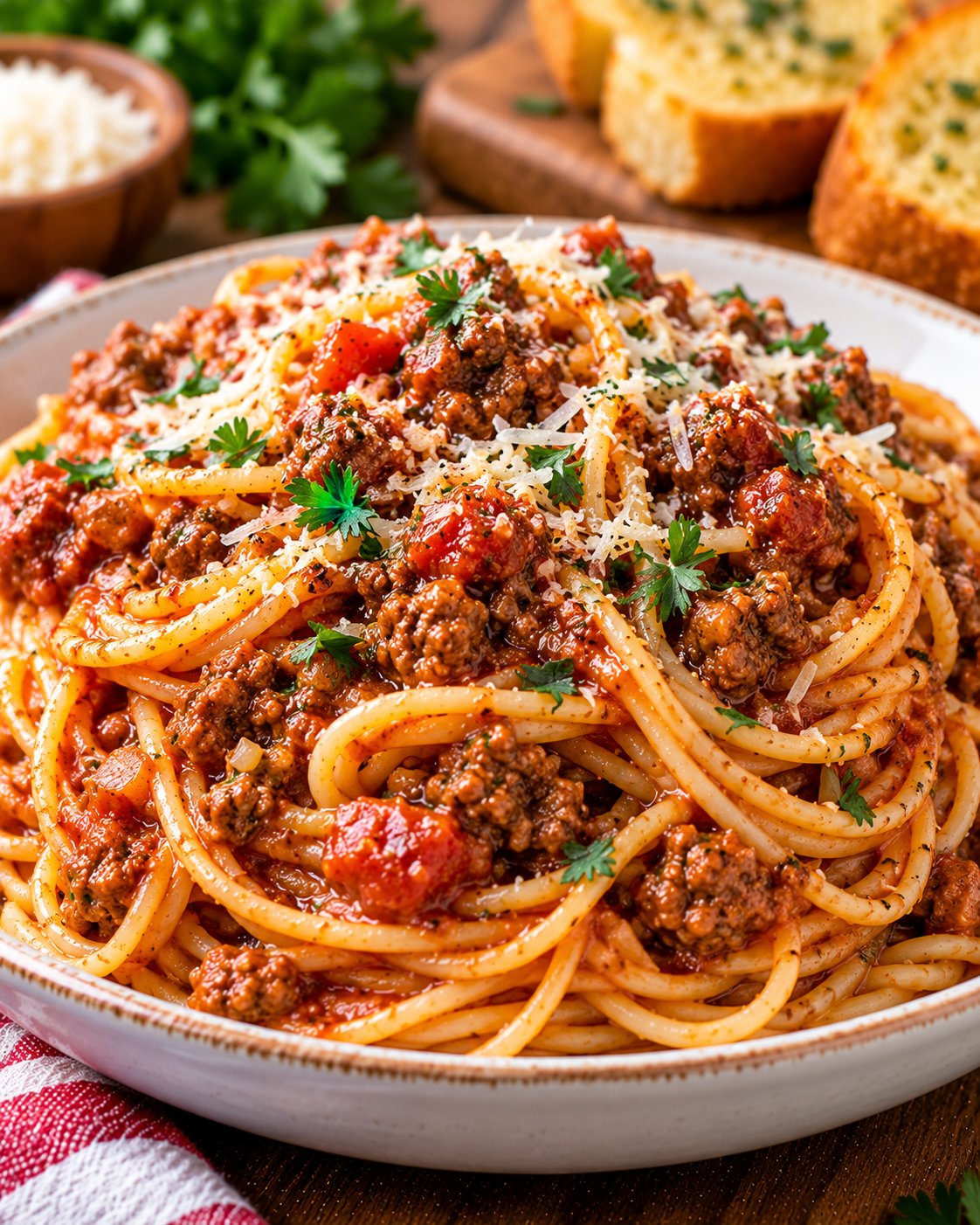
There’s something comforting about a big plate of spaghetti with plenty of sauce. It’s the kind of dinner that doesn’t need fancy garnishes or a restaurant-style presentation. A little grated cheese, some garlic bread on the side, and you’ve got a meal that feels familiar in the best way.
An old school spaghetti recipe is usually about hearty, straightforward flavors rather than complicated ingredients. The sauce should have enough body to cling to the pasta, and every forkful should taste savory and satisfying. It’s the sort of dinner people remember from family tables, school cafeterias, and neighborhood potlucks, even though everyone seems to have their own version.
What makes old fashioned spaghetti especially appealing is how forgiving it can be as a family meal. You can serve a generous platter, put a salad on the table, and let everyone help themselves. The important thing is making sure the pasta and sauce work together instead of ending up with dry noodles or a watery puddle underneath them.
What Is Old School Spaghetti?
Old school spaghetti isn’t one single, formally defined recipe. In many American kitchens, the name refers to a familiar home-style spaghetti dinner with a well-seasoned tomato-based sauce and a generous, comforting presentation.
Some versions are meaty, some are saucier, and others are associated with Southern-style home cooking. A Southern spaghetti recipe may include ingredients or seasoning choices that differ from a traditional Italian pasta sauce, but those details depend on the particular family recipe.
The common thread is simplicity. Old school spaghetti should taste like a satisfying home-cooked meal, not something that needs a long list of specialty ingredients to feel complete.
Why This Recipe Works
Spaghetti is a dependable family dinner because it’s easy to serve and pairs with so many familiar sides. A good sauce makes ordinary pasta feel substantial, whether the recipe is meat-based or built mainly around tomatoes and seasonings.
The texture matters as much as the flavor. Spaghetti should be tender without becoming mushy, and the sauce should be thick enough to coat the strands. When those two things are right, the dish feels cohesive instead of like separate piles of noodles and sauce.
It also makes a practical choice for gatherings. A big serving bowl of spaghetti is easy to share, and leftovers can make a convenient lunch the next day.
Choosing the Pasta and Sauce
Regular dried spaghetti is the familiar choice for this kind of dinner. Its long strands work well with tomato-based sauces, although thinner or thicker pasta varieties will change the way the finished dish feels.
A good spaghetti sauce needs balance. Tomatoes bring acidity and sweetness, while savory seasonings create the depth that makes the sauce taste more developed. If the sauce is too sharp, too sweet, or too thin, the pasta won’t feel quite as satisfying.
For versions made with ground beef, the meat contributes richness and a hearty texture. But ground beef shouldn’t be assumed unless it’s included in the actual recipe. Old fashioned spaghetti comes in enough variations that the recipe card should settle that question.
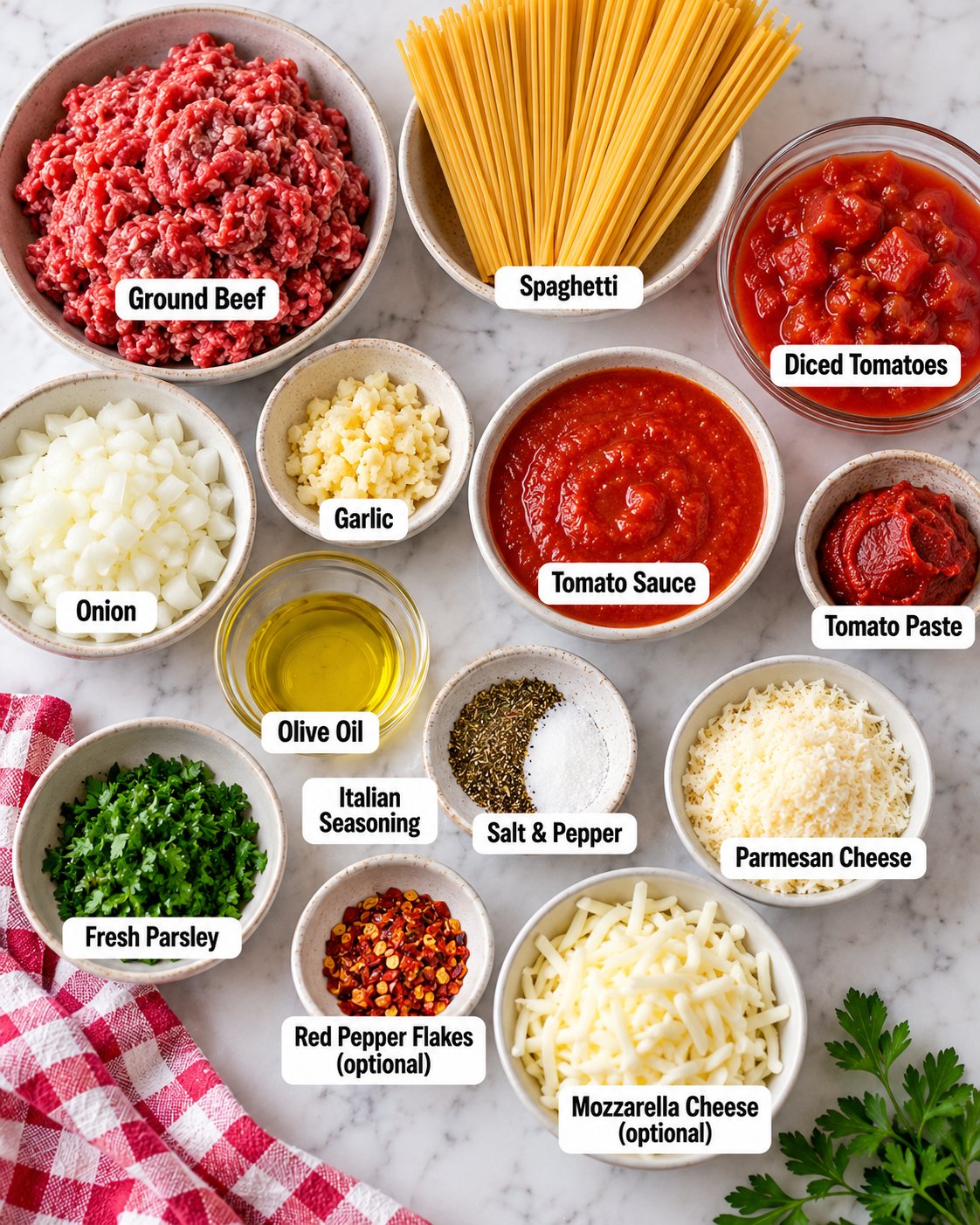
Ingredients and Recipe Card
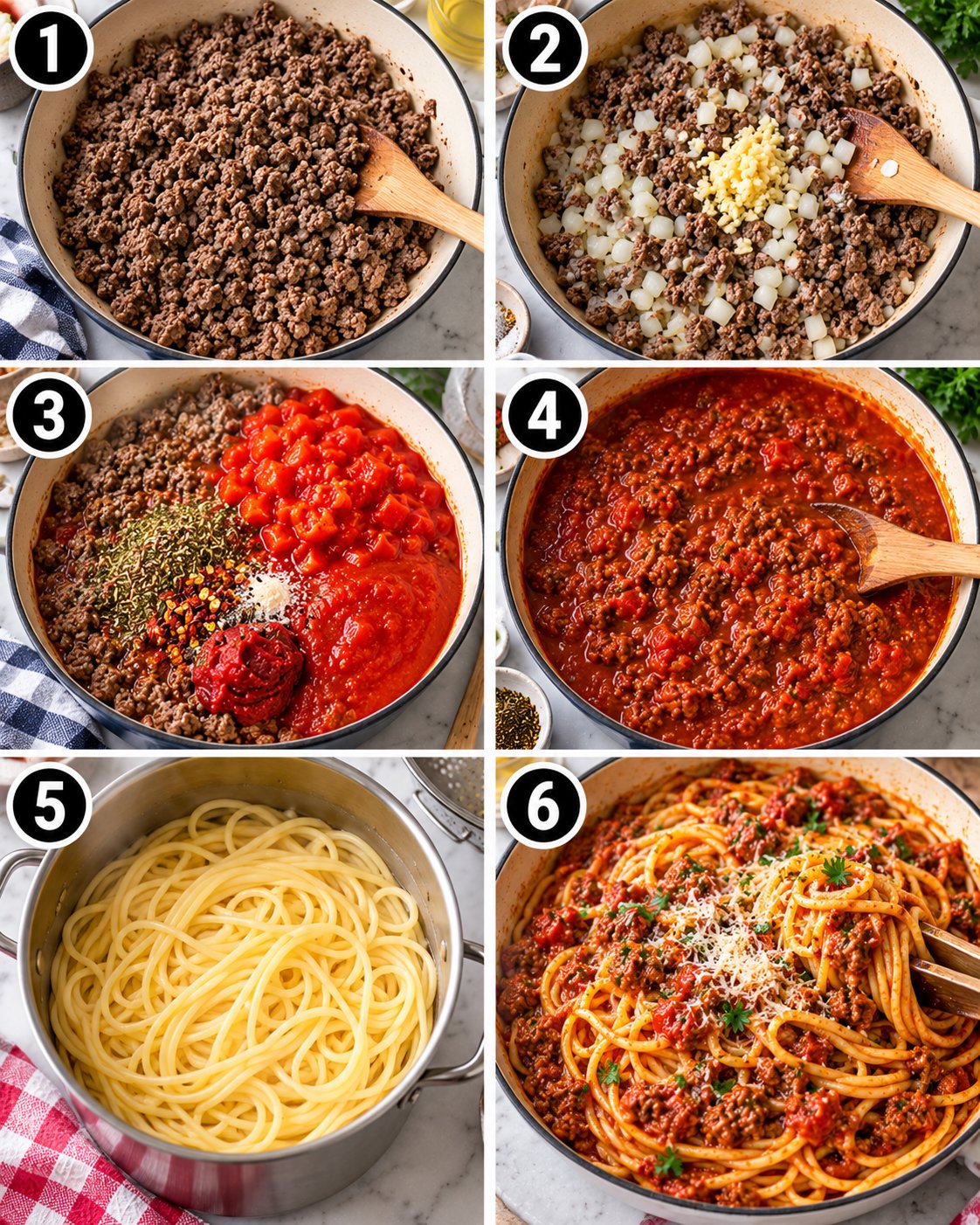
The complete ingredient list, measurements, and preparation instructions are in the recipe card below. This section is about understanding what makes the finished spaghetti taste good rather than repeating those details.
For a tomato-based spaghetti dinner, the relationship between pasta, sauce, and seasoning is what matters most. Too little sauce can leave the noodles dry, while an excessive amount of thin sauce may collect at the bottom of the serving dish.
If your version includes meat, its flavor should complement the tomatoes rather than overpower them. The finished dish should still taste like spaghetti with a well-balanced sauce.
Flavor Tips for Old-Fashioned Spaghetti
Tomato sauces vary considerably depending on the products used. Some canned tomatoes are naturally sweeter, while others have a sharper acidity that comes through in the finished sauce.
Seasoning should bring out the tomato flavor rather than bury it. Garlic, onion, herbs, and other savory ingredients can contribute depth, but their balance should reflect the actual recipe.
The pasta itself also affects how the dish tastes. When the noodles are properly cooked and coated, each bite carries enough sauce to feel flavorful without being heavy.
For serving, a little grated cheese can add a salty finish if it suits the recipe. Fresh herbs may bring brightness, although an old-school spaghetti dinner doesn’t need elaborate toppings to be delicious.
How to Avoid Watery Sauce
A watery spaghetti sauce can make an otherwise good dinner disappointing. The sauce slides off the noodles, collects at the bottom of the plate, and leaves the pasta tasting less flavorful than it should.
The tomato products and other ingredients influence consistency. Some release more moisture than others, especially when vegetables are included.
Pasta can also carry excess water into the serving dish. Even a well-seasoned sauce may seem thinner once additional moisture is introduced.
The best finished spaghetti has a sauce that coats the strands comfortably. It shouldn’t be so thick that the pasta feels dry, but it also shouldn’t resemble a bowl of tomato broth.
Serving Ideas
Garlic bread is a classic companion to homemade spaghetti. Its crisp edges and buttery flavor are especially welcome when there’s a little extra sauce on the plate.
A simple green salad adds freshness to a hearty pasta dinner. Crisp lettuce, cucumbers, and a tangy dressing provide contrast without competing with the spaghetti.
For a family gathering, serve the spaghetti in a large bowl with the toppings on the side. That allows everyone to add cheese or herbs according to their preference.
Storage and Reheating
Leftover spaghetti should be refrigerated promptly in a covered container at 40°F (4°C) or below. Properly stored cooked leftovers are generally best used within three to four days.
Pasta continues to absorb moisture after cooking, so spaghetti stored with sauce may become softer by the next day. The sauce may also thicken as it cools.
Reheat leftovers thoroughly to 165°F (74°C). A small change in sauce consistency after refrigeration is normal, although pasta that’s already overcooked may become even softer.
Freezing works well for many spaghetti sauces, but cooked pasta can lose some of its original texture after thawing.
Frequently Asked Questions About Old School Spaghetti Recipe
Does old school spaghetti use ground beef?
Many American old-school spaghetti recipes include ground beef, but not all of them do. The term describes a style of comforting home cooking rather than one fixed ingredient list. Check the recipe card to see whether this version contains meat.
Can I make the sauce ahead?
Most cooked tomato-based spaghetti sauces can be prepared ahead and refrigerated safely. The flavor and consistency may change slightly during storage, so follow the recipe’s guidance for reheating and serving.
How do I keep spaghetti from getting mushy?
Spaghetti can become mushy when it’s overcooked or held in hot sauce for too long. Its texture may also soften during storage because the noodles continue absorbing moisture.
Final Thoughts
Old School Spaghetti Recipe is a reminder that a satisfying dinner doesn’t have to be complicated. A flavorful sauce, properly cooked pasta, and a few familiar sides can make an ordinary evening feel like a family meal worth sitting down for.
The best old fashioned spaghetti tastes comforting and well seasoned, with sauce that stays on the noodles instead of pooling on the plate. That’s the kind of simple detail that makes people look forward to another helping.