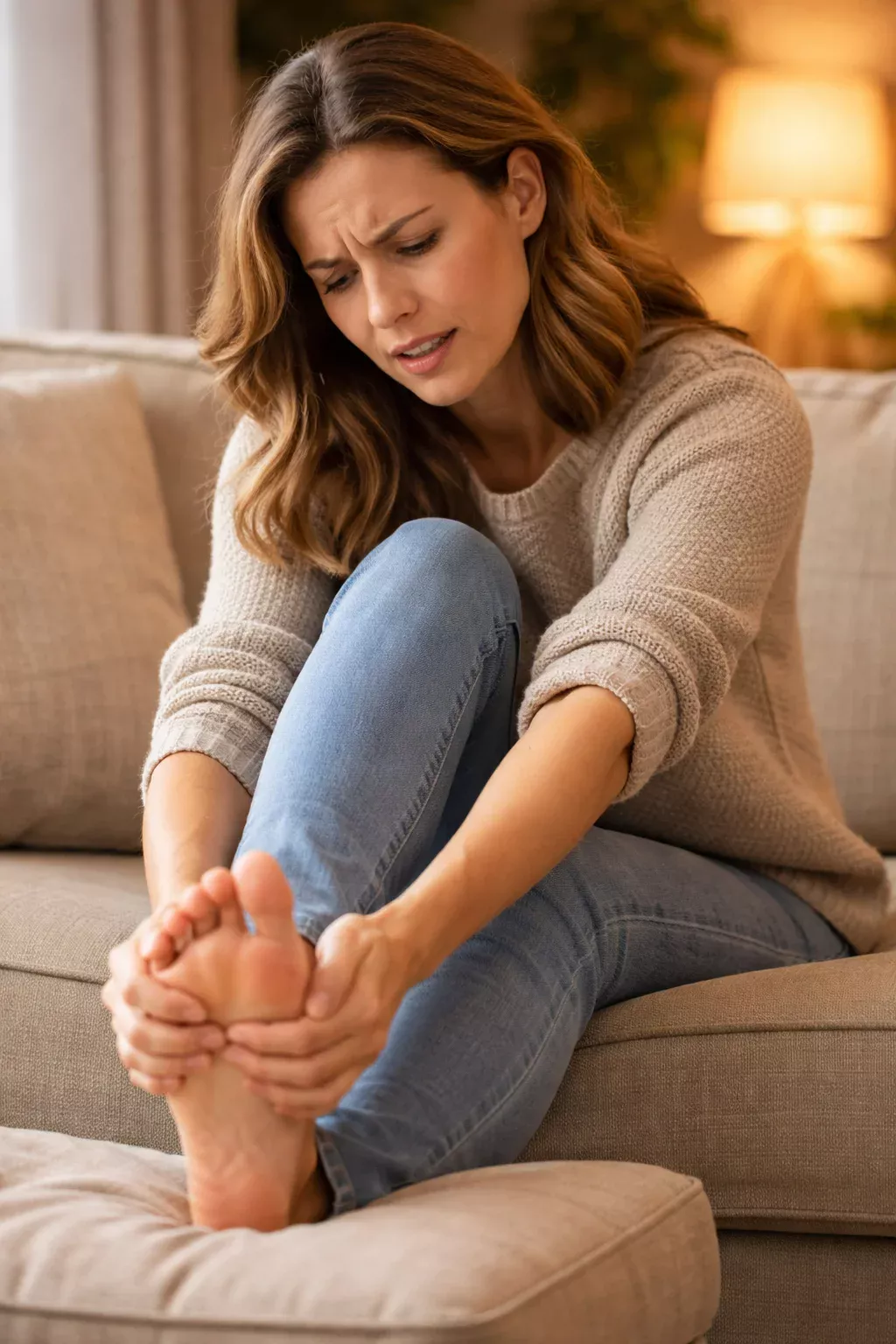
So, How Varicose Veins Develop And How To Address Them—let’s dig in. Ever glanced at your legs and spotted those twisty, blue-ish lines? Same. It’s kinda like noticing your potatoes getting a few too many sprouts—annoying, impossible to ignore, and leaves you thinking, “What did I do to deserve this?” Spoiler: It’s not just an age thing. Friends and family have asked for remedies almost as often as they ask for my crispy breakfast potatoes recipe you’ll make again and again or sought comfort in my cheesy ranch potatoes and smoked sausage on rough days. Anyway—let’s untangle the details (pun intended).
Overview of Varicose Veins
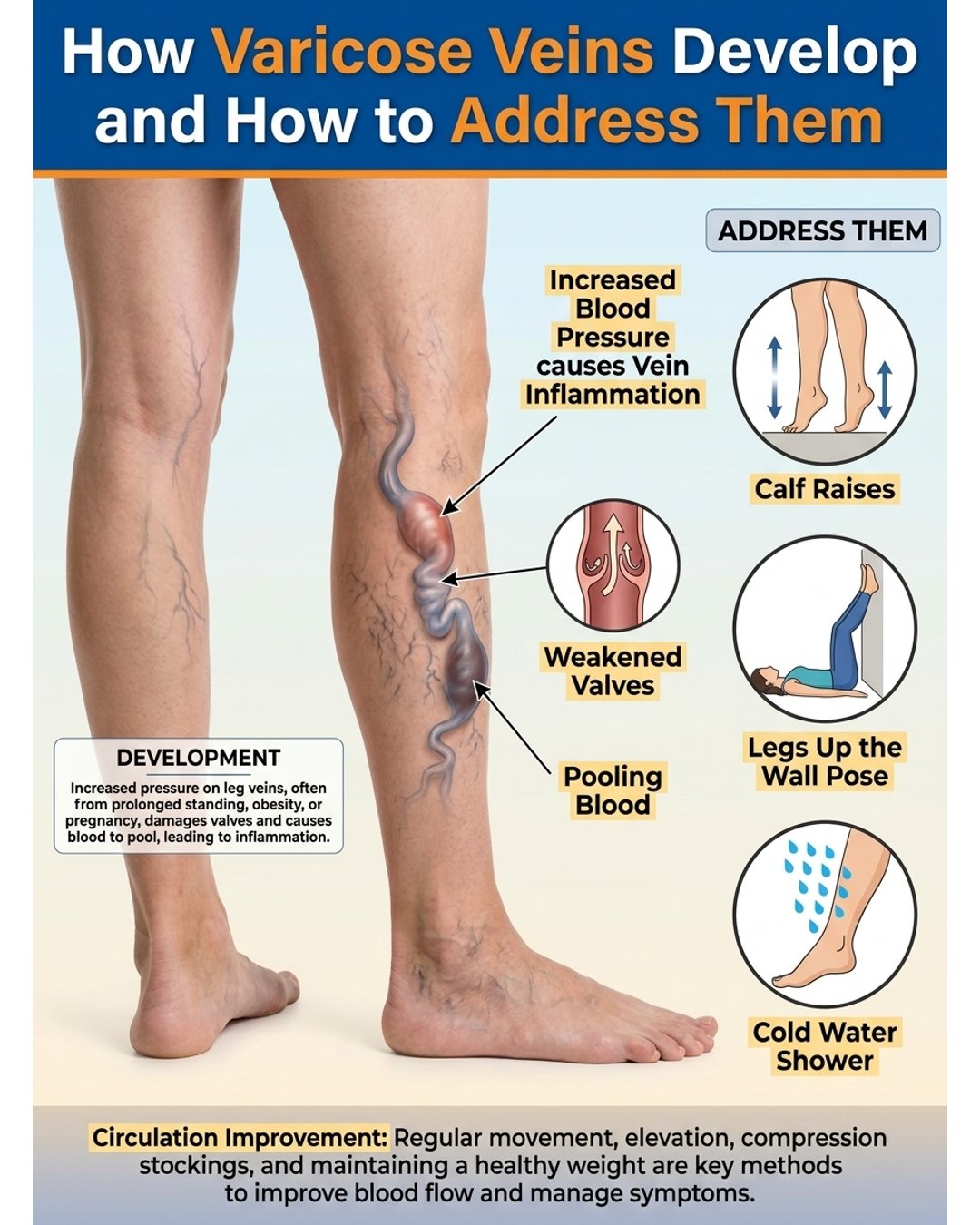
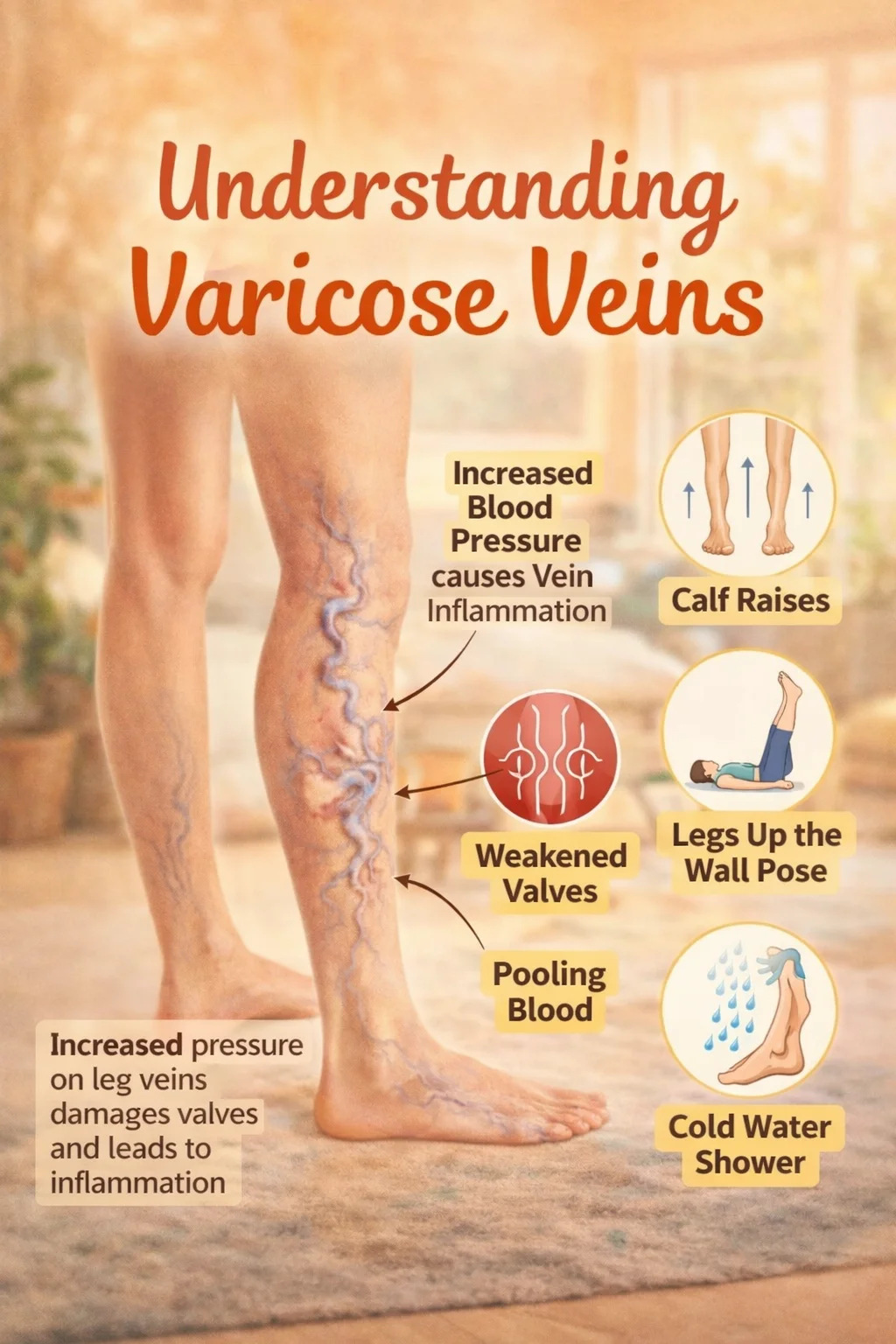
Okay, so first things first—what exactly are varicose veins? Not medical gibberish, just straight talk:
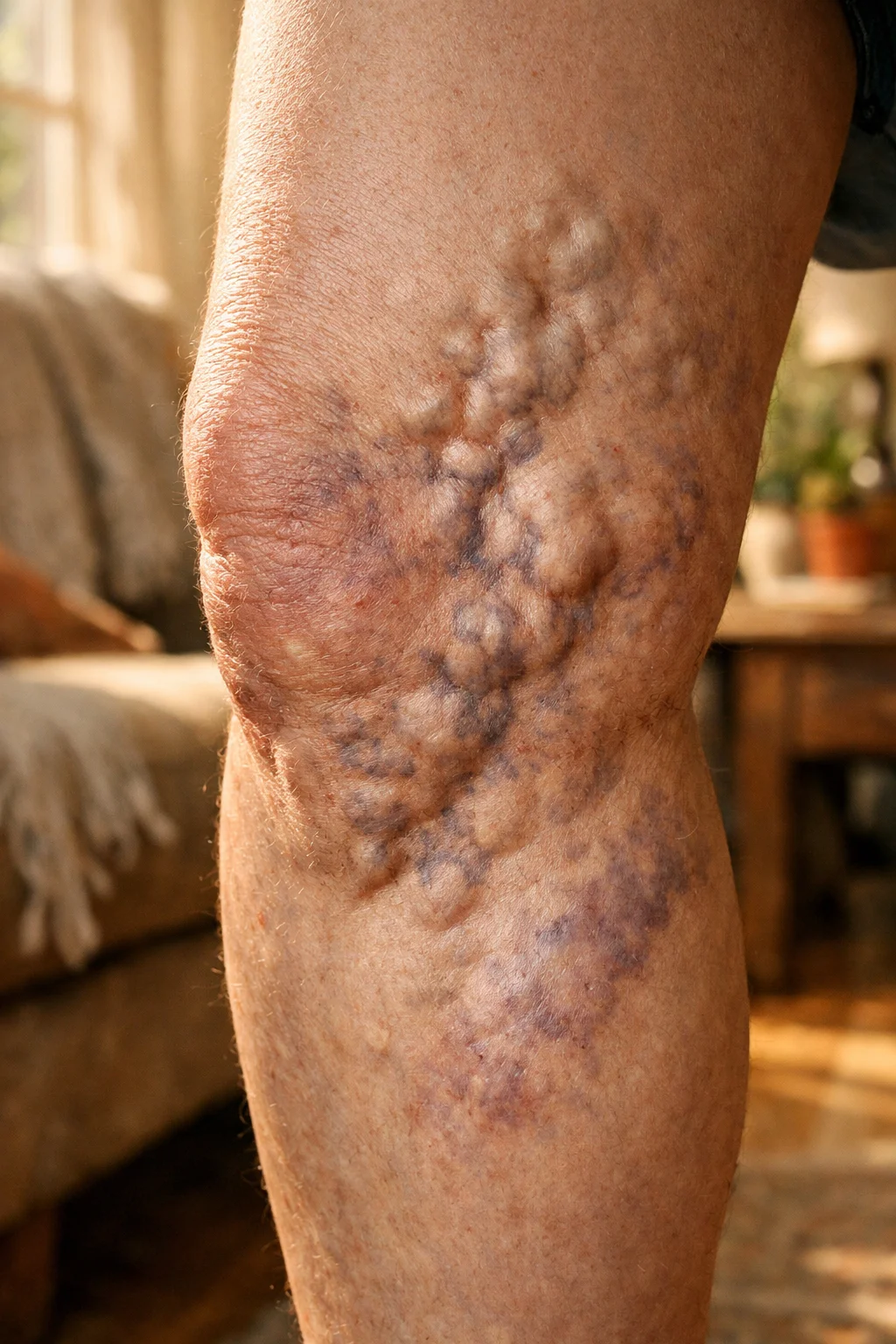
Veins that get swollen, twisted, and pop up right under your skin—usually on the legs.
You might see ‘em bulging out, blue or purple, or just looking stubbornly puffy.
Happens ‘cause the one-way valves in your veins go, “Eh, not today,” and don’t close right, letting blood pool up.
Seriously, it’s not just for older folks; anyone can get them!
“After standing all day at work, my legs looked like a roadmap. It made me feel older than my dad—so glad I figured out what was going on and what to do!”
Symptoms and Causes
This is where you usually go, “Is it just tired legs or something else?”
Aching, throbbing, and heaviness—it sneaks up, especially after too much standing.
Itchy? Yup, that’s a thing, sometimes with weird skin color changes.
Causes: too much sitting/standing, family history, and well… sometimes life isn’t fair.
Weight gain or pregnancy can really boost your odds, honestly.
Treatment Options
Let’s get to the good stuff—how do you actually deal?
For mild cases: Compression socks (they’re not fashionable, but they work), plus exercise.
Doctor-prescribed stuff: Laser treatments, sclerotherapy (which sounds wild but is super common), or even mini surgeries.
Home stuff matters too—raise those legs when you Netflix, and avoid standing like a statue.
Don’t go DIY on crazy hacks; stick to what specialists recommend for best results.
“I wore those compression socks for a few weeks, and while they weren’t the hottest accessories, my legs felt way better. Better than eating mashed potatoes on a cold night!”
Risk Factors for Varicose Veins
Some folks are more at risk—here’s how the cookie crumbles:
It’s all about family—thanks, Mom and Dad.
Jobs where you barely move? Not helping. (On your feet or sitting, both can do it!)
Hormones: pregnancy, menopause, birth control—yup, those matter too.
Dang it, even getting older is a factor (unfair but true).
Living with Varicose Veins
Honestly, you don’t need to put your life on hold (or swear off shorts forever).
Prop up those legs—literally, the easiest homework ever.
Moisturizer won’t cure veins, but it can keep itchy skin at bay.
If anything gets worse, or pain won’t quit, go see your doc. Don’t wait.
Common Questions
Do varicose veins go away on their own? Usually, nah. They might look better if you move more or lose weight, but don’t bank on a complete vanishing act.
Is it dangerous to leave them untreated? For most, it’s more annoying than life-or-death, but sometimes, untreated veins can lead to bigger health headaches.
Do I need a doctor or can I just Google it? Google is fine (hey, here you are!), but your doctor will know for sure—if it’s new, sudden, painful, or changes fast, get checked.
Can kids or teens get varicose veins? Crazy but true—yep, though way less often than grown-ups. Worth mentioning to your family doc.
Are there foods that help? A good diet helps your veins just like it does the rest of you. Wishing potatoes were a cure, but hey, they make life tastier.
Wrapping It Up—Let’s Not Let Veins Win
So here’s the scoop: Varicose veins aren’t dangerous for most folks, but they sure are annoying (and sometimes, they hurt). The more you understand them, the better you can handle ‘em—kinda like figuring out any comforting casserole dinner recipe or learning how to clean burnt pots without losing your mind. If you want even more detailed info, check out helpful reads like Varicose Veins: Causes & Treatment – Cleveland Clinic or Varicose veins – Symptoms and causes – Mayo Clinic. Bottom line: don’t stress, get moving, and take care of your legs—so you can get back to chasing after good food and great days.
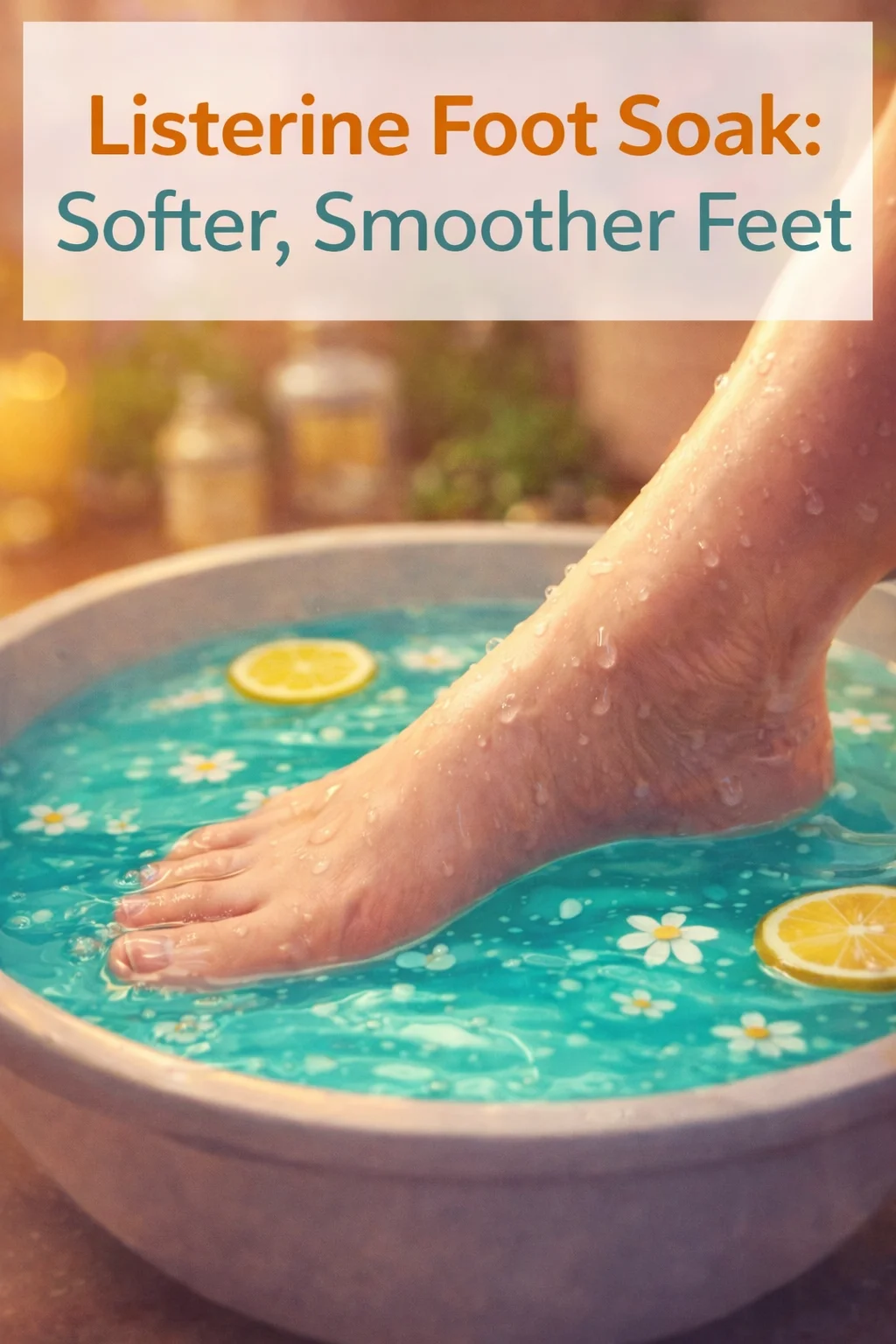
Ever wondered how to make a Listerine foot soak for softer, smoother feet—without spending a fortune at some fancy spa? I mean, you come home, shoes off, feet looking yikes, and you wish there was an off-switch for cracked heels and rough patches. Turns out, there is. A bottle of mouthwash (crazy, right?), a splash of vinegar, and about twenty minutes of your favorite playlist. Trust me, it’s easier (and way cheaper) than scrubbing until your arms hurt—plus it pairs ridiculously well with reading about surprising foot-related health symptoms or if you’re done scrubbing, check these weird dish soap tricks for tough grease for a total self/home care day.
Listerine foot soak: Promised benefits
Folks claim this foot soak softens skin fast—like, softer than after a pedicure.
It helps loosen calluses, flakes, and dead skin with zero real effort.
Sock-season feet? This mix tackles funky odors too.
Some say it’s almost like a full reset for your tired toes.
Smells minty! (Or blue? Whatever Listerine is supposed to smell like…)
Does a Listerine foot soak work?
Tons of people swear it does, but science? Well, it’s still catching up.
The alcohol and essential oils in Listerine can help exfoliate—but results aren’t guaranteed for everyone.
Don’t expect five-star spa miracles if your feet are seriously toughened up—it’s great for mild to medium roughness.
It’s cheap, easy, no frills. Worst case, your feet smell, uh, fresh.
“I was skeptical but this actually made my feet feel like a baby’s! Seriously, I do it twice a month now, it’s a game changer.” — Jen, Wisconsin
Warnings and considerations
Don’t use if you have open cuts, scrapes, or raw skin—it stings like nobody’s business (ask me how I know).
Watch out for allergic reactions—ignore at your own peril.
If your skin’s sensitive, maybe dilute it even more or skip the vinegar.
Not every miracle hack works for every foot!
My Experience with Listerine Vinegar Foot Soak
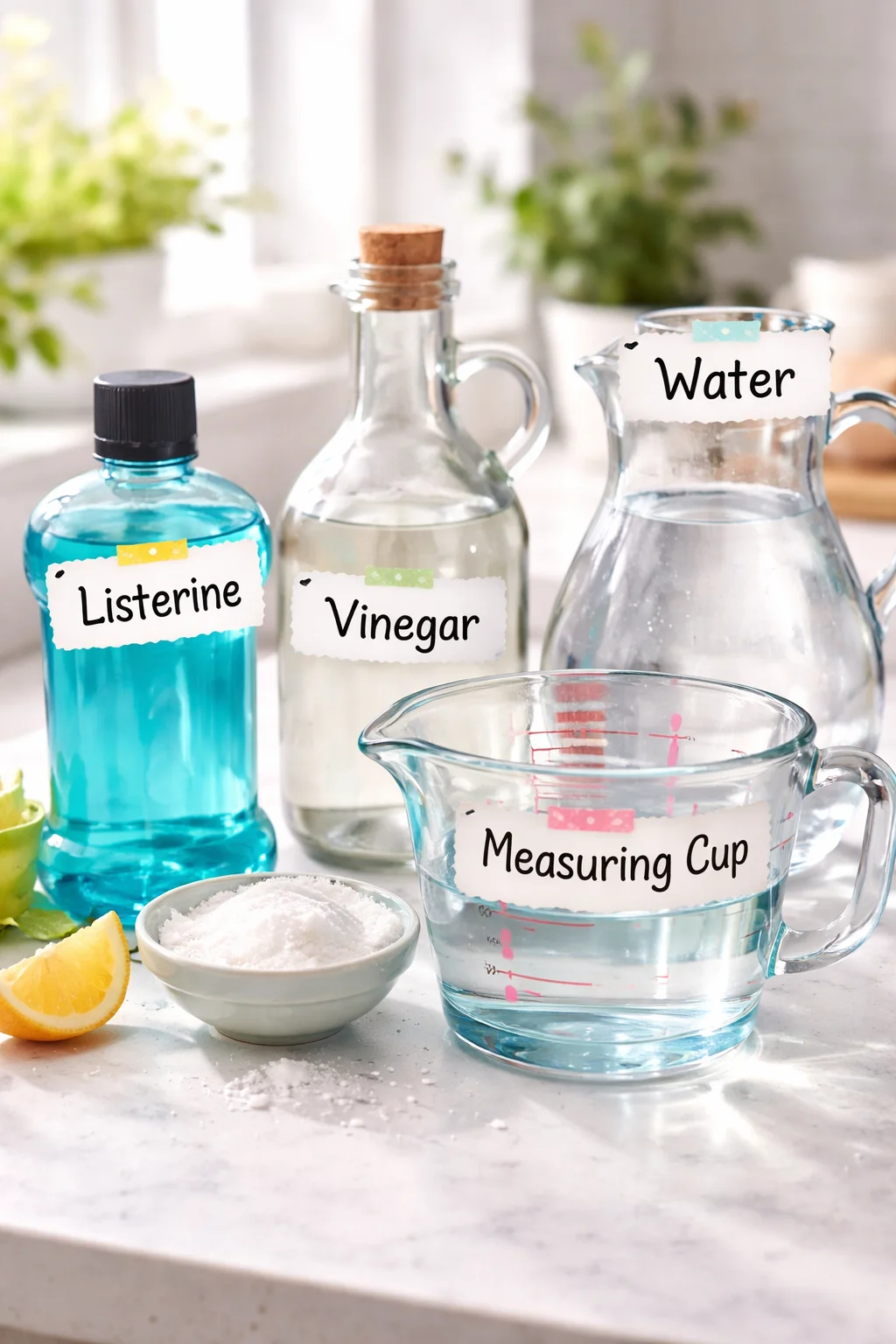
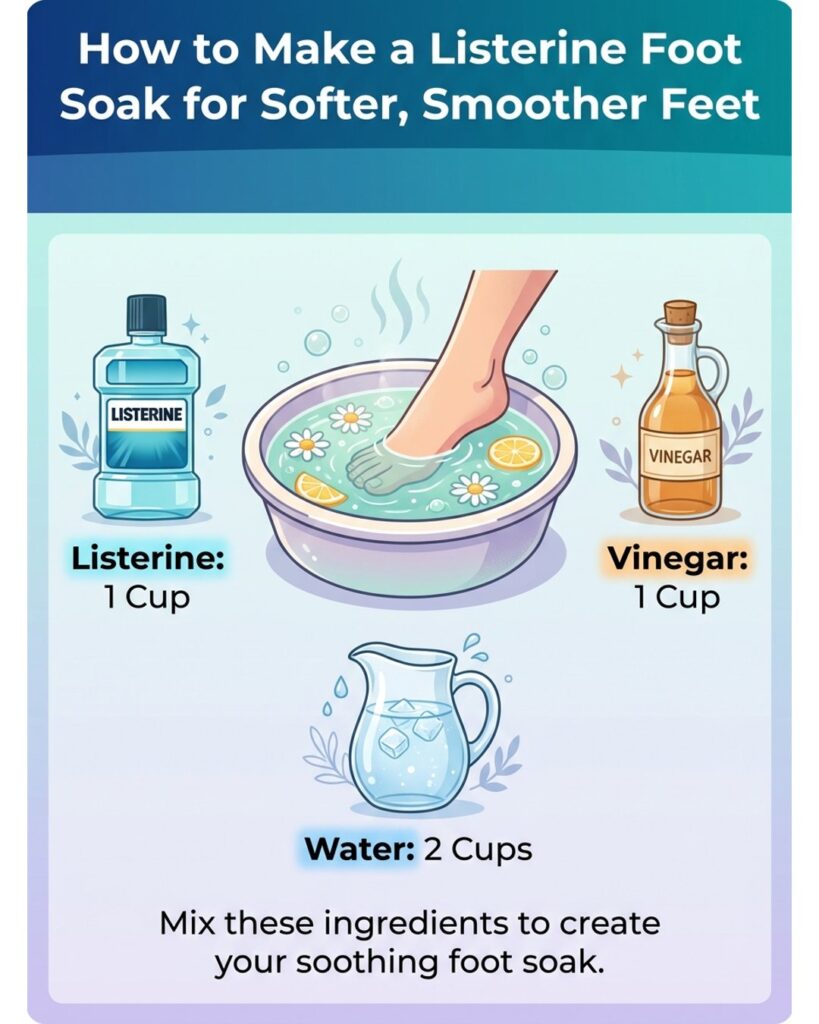
Alright, so picture this: it’s Friday, my feet look as crusty as burnt toast, and I’m desperate. I tossed one cup Listerine, one cup white vinegar, and two cups warm water in a bowl. Dunked both feet, relaxed (tried to, anyway), caught up on texts. About 20 minutes later, I rubbed off dead skin (not super glam, but wow), rinsed with fresh water, and boom—baby-soft. Still needed lotion, but hey. I’d do it again (probably tonight, let’s be real).
Best foot soak methods
Use a big enough basin to keep feet comfy—trust me, cramped toes kill the vibe.
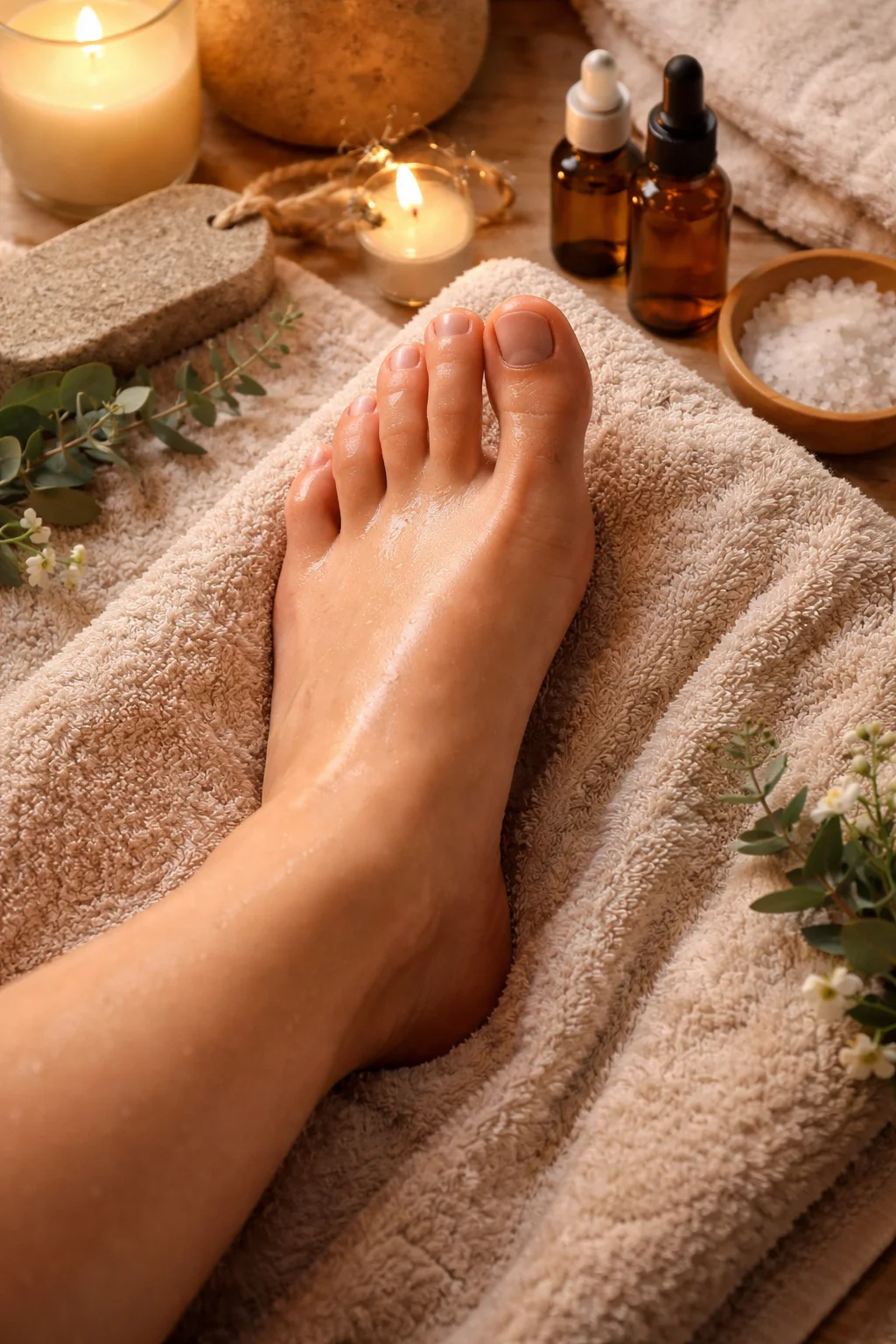
Always wipe off with a towel after soaking to get all the dead skin.
Consider adding a few drops of essential oil if you want that “fancy spa” aroma.
If your bathroom’s chilly? Wrap a warm towel around feet after. Old-school luxury.
Common Questions
Q: Can I use any mouthwash for this? A: You can, but classic Listerine (the blue or original) works best. Fancy whitening kinds aren’t needed.
Q: Why add vinegar? A: Vinegar helps break down tough skin and balances out the Listerine. Plus, it’s cheap. Win-win.
Q: How often should I do it? A: Once or twice a week is plenty for most people, especially if your feet are extra rough.
Q: Will it fix cracked heels overnight? A: Hmm—not likely in one go, but it definitely helps. Give it a few tries.
Q: Is it safe for kids or older folks? A: Generally, yes, with no open wounds and diluted mix. Always check for irritation.
Don’t Be Afraid to Pamper Your Feet
Look… a Listerine foot soak for softer, smoother feet isn’t some secret handshake recipe, but it’s something you really have to try yourself. The ingredients are probably already in your cupboard, and you get instant chill time. At worst? Your feet are cleaner and smell better—at best, maybe you skip a trip to the salon. Still unsure? Take a peek at what Medical News Today and Healthline have to say—they’ve run the numbers for you. And hey, if you’re already in a self-care groove, these kitchen storage tricks or easy dinner ideas might tickle your fancy (especially while waiting for your toes to soak!). Go on, you deserve a dose of easy pampering.
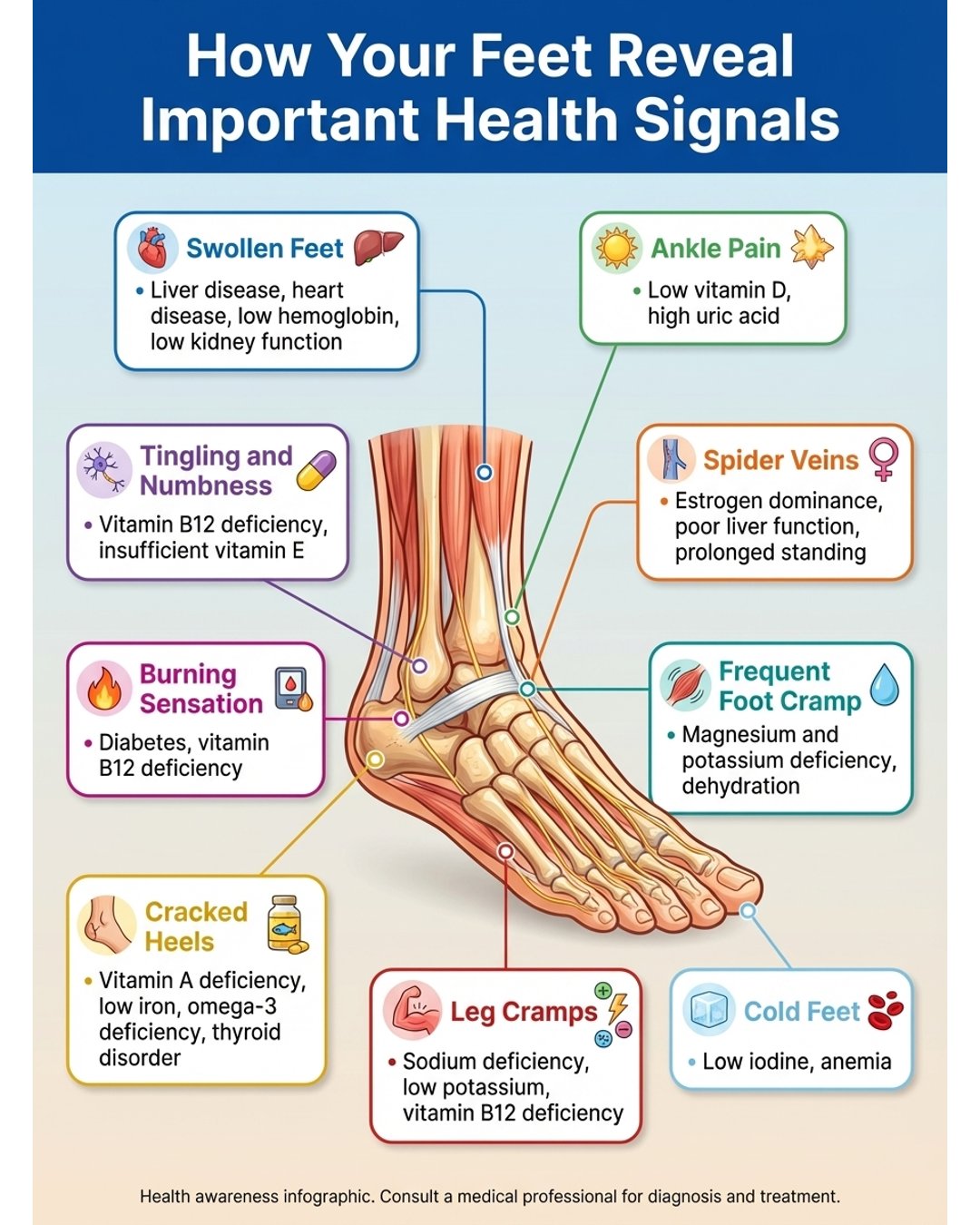
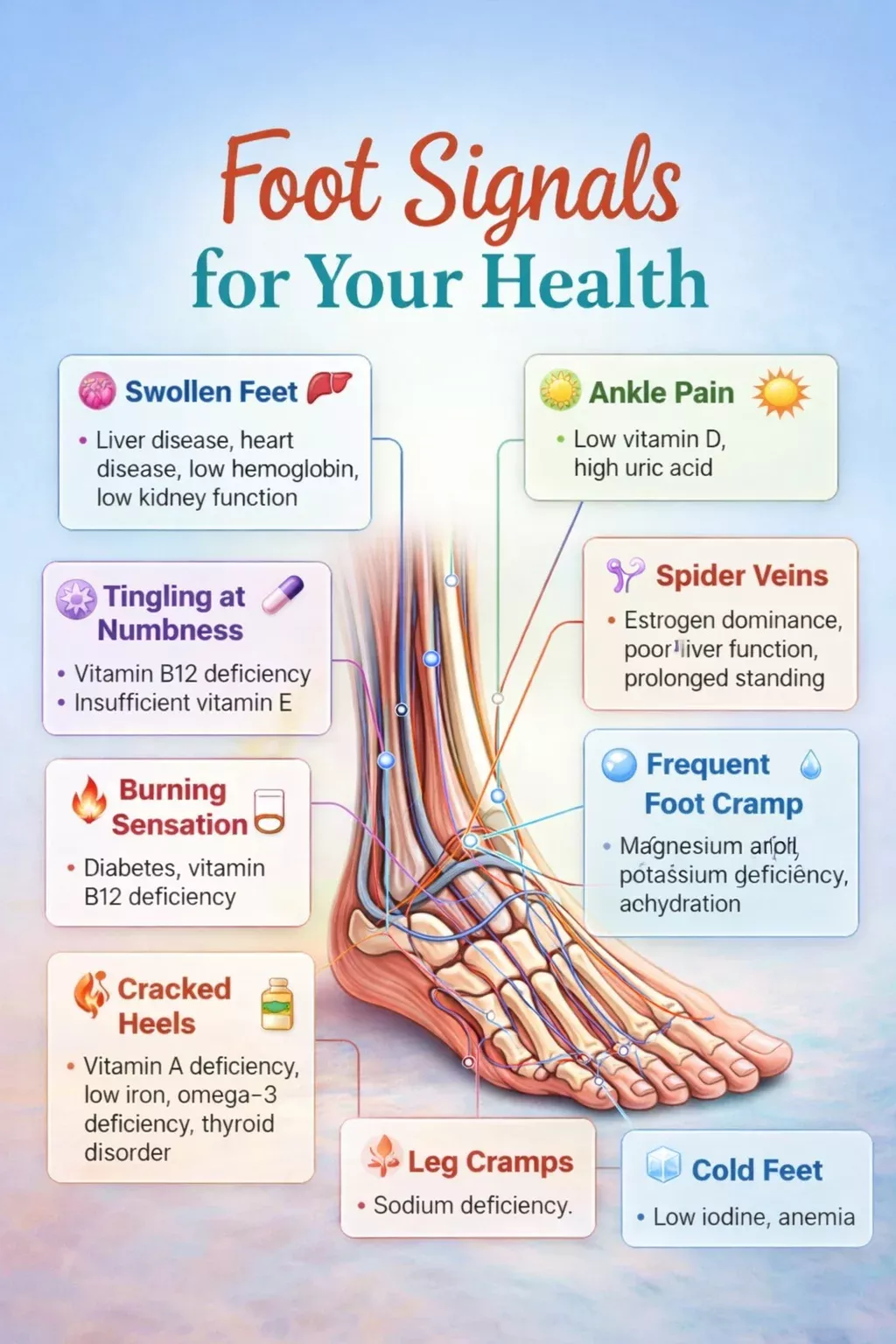
Ever noticed your feet acting weird, and you’re just like… hmm, what’s that all about? How Your Feet Reveal Important Health Signals isn’t just some old wives’ tale—it’s a real thing. Sometimes, our bodies drop little hints through things like swollen ankles or itchy toes (seriously, the struggle is real). And—I kid you not—your liver especially is in on this secret messaging. I learned a lot about it when I was researching signs to watch for, and turns out, the feet are basically health whisperers. Want even deeper info? Here’s a solid post on the 8 foot symptoms reveal your health and—oddly related—what your tongue’s color reveals about your health that’ll make you check a mirror, I promise.
The Vital Connection Between Your Liver and Feet
Alright, real talk—the liver is kind of the unsung hero in the body. It filters, cleans, and sorts through all the not-so-great stuff you eat (some questionable takeout, anyone?). If your liver’s unhappy, your feet might spill the beans.
Poor liver function can mess with blood flow, leaving your feet in a bind.
You might spot strange skin changes, swelling, or other groovy foot drama.
Sometimes, foot signals are waaaay ahead of any “Hey, I’m sick” feeling from your body.
Had a nurse-friend once say, “I’ve literally spotted more than one liver problem from a person’s feet—wild, right?”
1. Swelling in Feet and Ankles (Peripheral Edema): What Feet Reveal About Liver Health
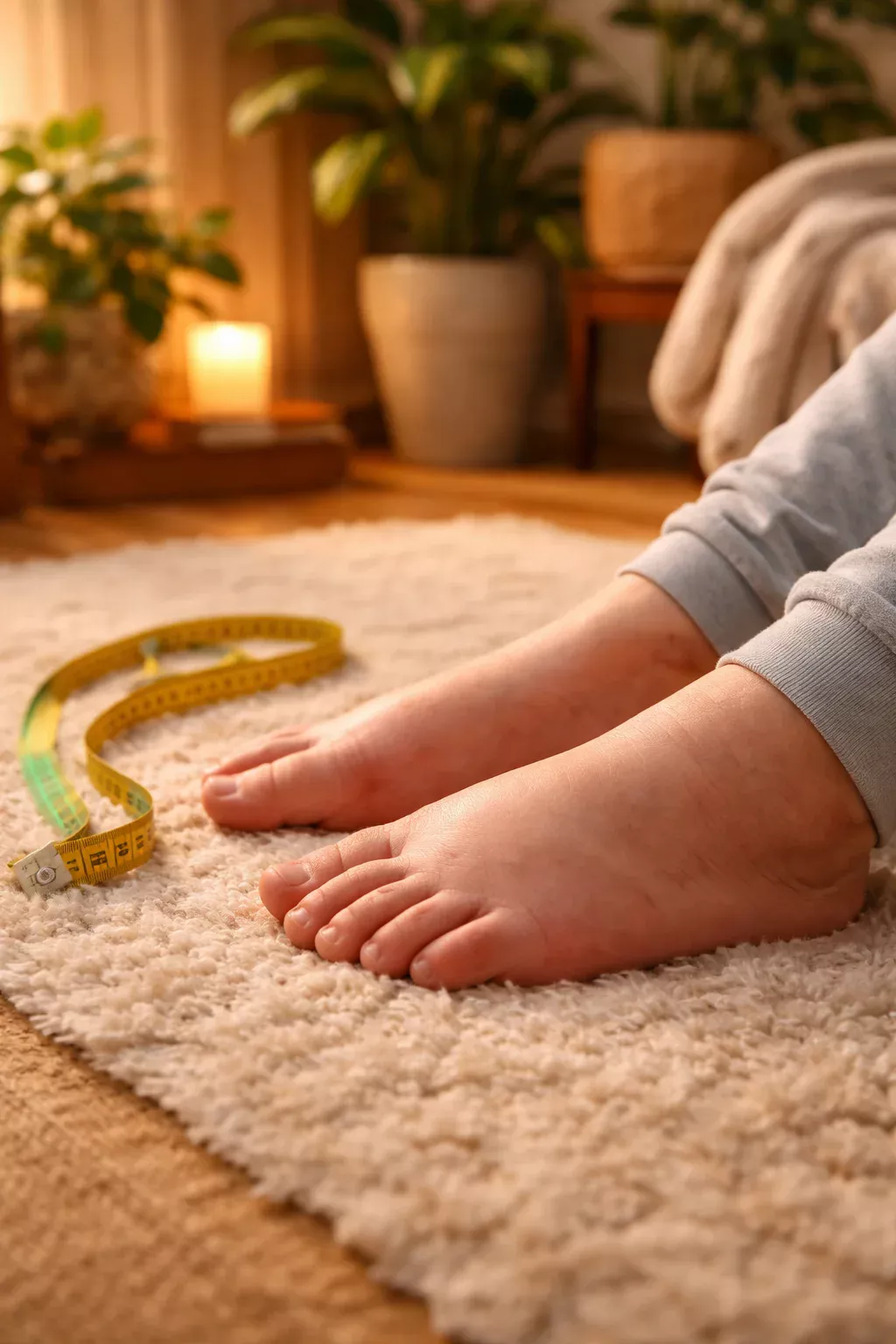
Ever looked down and saw your ankles turned into marshmallows? Me too, after a crazy salty ramen binge—but if it happens a LOT, your liver might be freaking out.
Liver issues can cause fluid to build up where it shouldn’t (hello, puffy toes).
Gravity does its thing, so swelling is worse in feet and ankles.
Not every swelling is a drama, but consistent puffiness? Get it checked.
“I thought swollen ankles were just from standing too long, but turns out my liver was waving a flag. Don’t ignore your body!” – Jess, friend and serial flip-flop wearer
2. Persistent Itchy Feet: What Feet Reveal About Liver Health
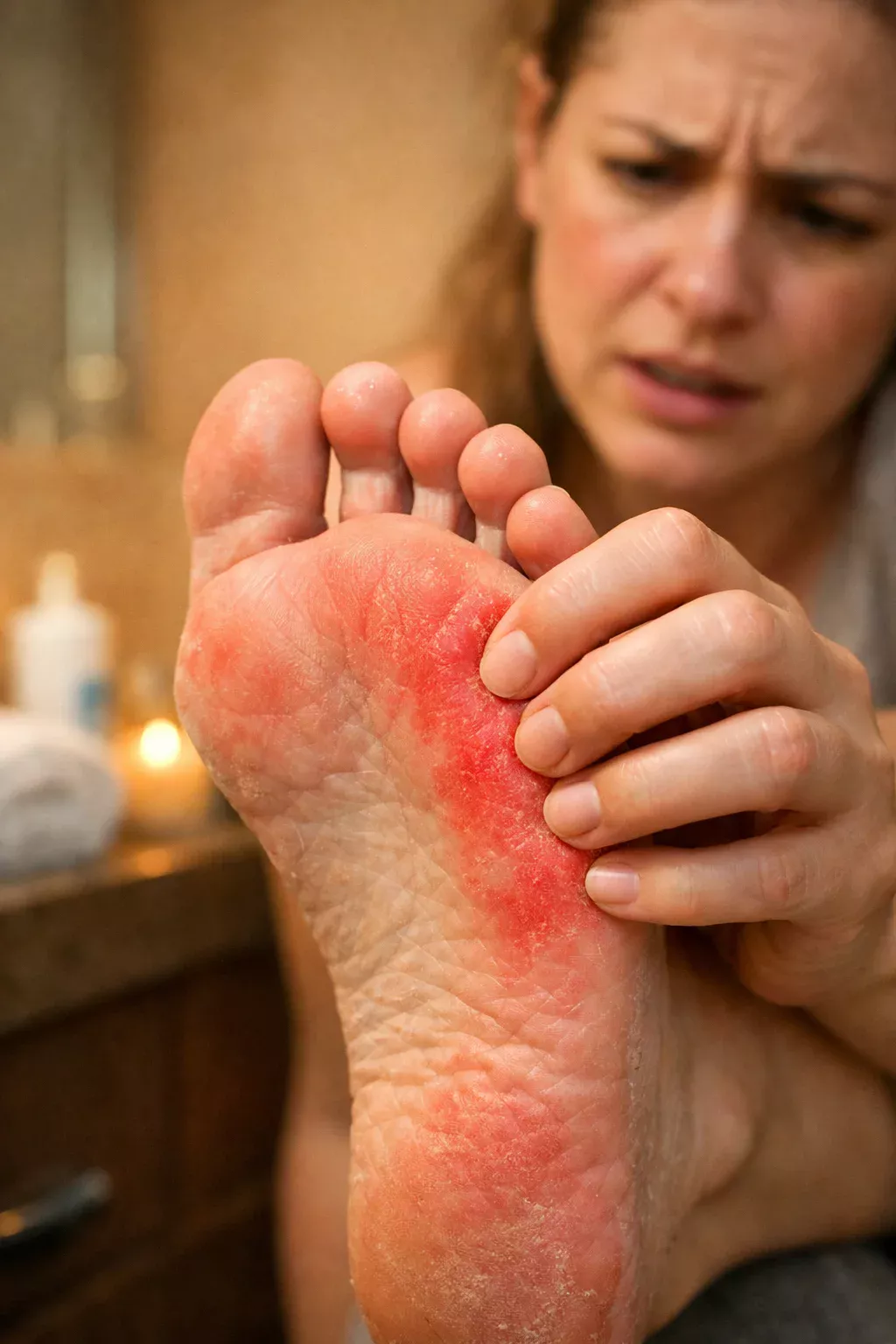
Irritated? Scratching your feet under the table like a third-grader hiding homework? Oh buddy, I’ve been there during allergy season, but sometimes—ugh—it’s a sign of liver funk.
Itchy feet signal poor bile flow (from, you guessed it, liver struggles).
It’s worse at night, just as you’re ready to get some sleep—classic.
Dry patches or redness may show up with it.
Sometimes, it’s just dry socks, but if it’s ongoing, don’t write it off.
3. Numbness and Tingling Sensations: What Feet Reveal About Liver Health
You know that pins-and-needles feeling, usually after sitting on your feet like a pretzel? Sometimes it’s more than just bad posture.
Liver problems mess with nerves, especially way down in your toes.
Tingling comes and goes—but if it’s sticking around or getting worse, something’s up.
Other stuff like diabetes can cause this too, so don’t freak, just pay attention.
If you see tiny red lines that look kind of like spider webs—no, you didn’t grow a superpower. It’s called a spider angioma and it pops up when the liver can’t do its detox job.
These weird red spots are teeny blood vessels—super common in liver issues.
Not everyone with liver problems gets ’em, but if you do, it’s worth a second look.
Usually show up just under the skin, especially around your toes or legs.
Fact is, they can fade with better liver health (if you catch them early).
Common Questions
So, should I freak out if I have cold or numb feet? Not always! Cold feet are usually normal (especially in winter). If it keeps happening and comes with swelling, itching, or red spots, have a quick word with your doctor.
Can foot problems be the only sign of liver trouble? Sometimes, yes. Feet spill secrets before you feel “sick.” Listen to ’em—they’re louder than you’d think.
What if my feet get super itchy after a hot shower—is that liver stuff? Usually, nope. Hot water dries your skin. But constant, really annoying itch? Could signal the liver’s not happy.
Do spider veins mean I have liver disease? Not by themselves. But it’s a clue if you see them along with swelling, itching, or other changes.
Should I just ignore small foot issues? Please don’t. It’s better to be that person who checks than the one who gets a big health surprise.
And hey! Next time your feet itch or swell, don’t just blame your socks. Listen up, check in, and maybe catch something important way before it throws a full-on tantrum.
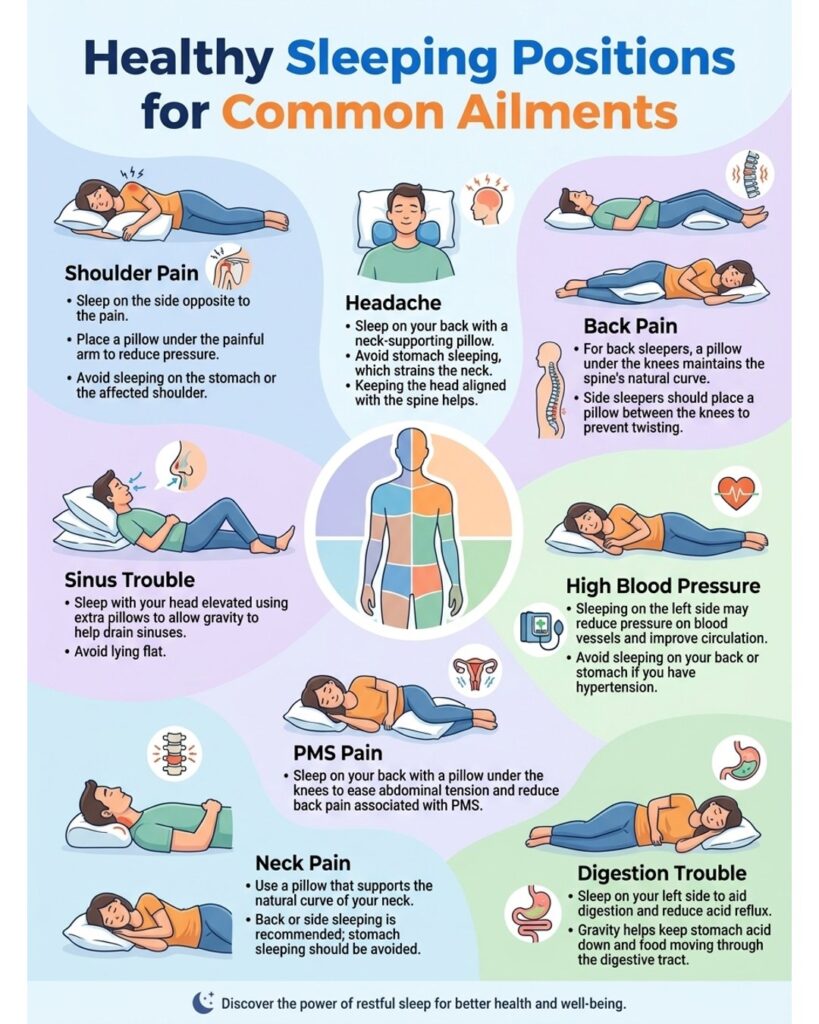
Ever wake up feeling like you got hit by a truck even though you “slept” the whole night? You’re not alone. Healthy Sleeping Positions for Common Ailments are a real game changer, especially if you’re pregnant or dealing with aches and pains that won’t quit. Figuring out how to snooze better is just as crucial as eating your veggies (I’d put it right up there with a good green smoothie bowl in the morning, honestly). I once spent a whole week trying to master the best sleeping position for back alignment—spoiler, it’s tricky but wow, so worth it for less morning groaning. If you’re tossing, turning, or just searching for a bump-friendly spot, I’ve got you!
Is it normal to feel tired in pregnancy?
Yep. Exhaustion is pretty much a rite of passage—especially that first trimester. Your body’s playing host to a little human (or so it feels), so don’t be shocked if you want to nap by lunchtime.
Listen, it’s honestly normal. Sometimes I’d sleep eight hours and still pass out on the couch at noon.
Take naps if you need ’em. Ignore people who act surprised—this is your energy, not theirs.
Sipping a smoothie or nibbling a snack might perk you up for a bit, but don’t beat yourself up if you just…need to sit.
“I thought I was the only one crashing mid-afternoon, but nope—my whole prenatal group was half-asleep with me. We just started bringing pillows everywhere!” – Rachel M.
Strange dreams during pregnancy
Pregnancy dreams are wild. Seriously, your brain just grabs the remote and hits the “random” button.
Stress, hormones, and weird sleep cycles all jumble together for the most bizarre dreams.
Sometimes, the things you’re worried about pop up in Technicolor at night. (One time I dreamt my bump was a basket of puppies. Not kidding.)
If dreams bother you, chat about ‘em. Don’t bottle it up or let it mess with your mood.
Try jotting dreams down in a notebook if you keep waking up and can’t shake the images.
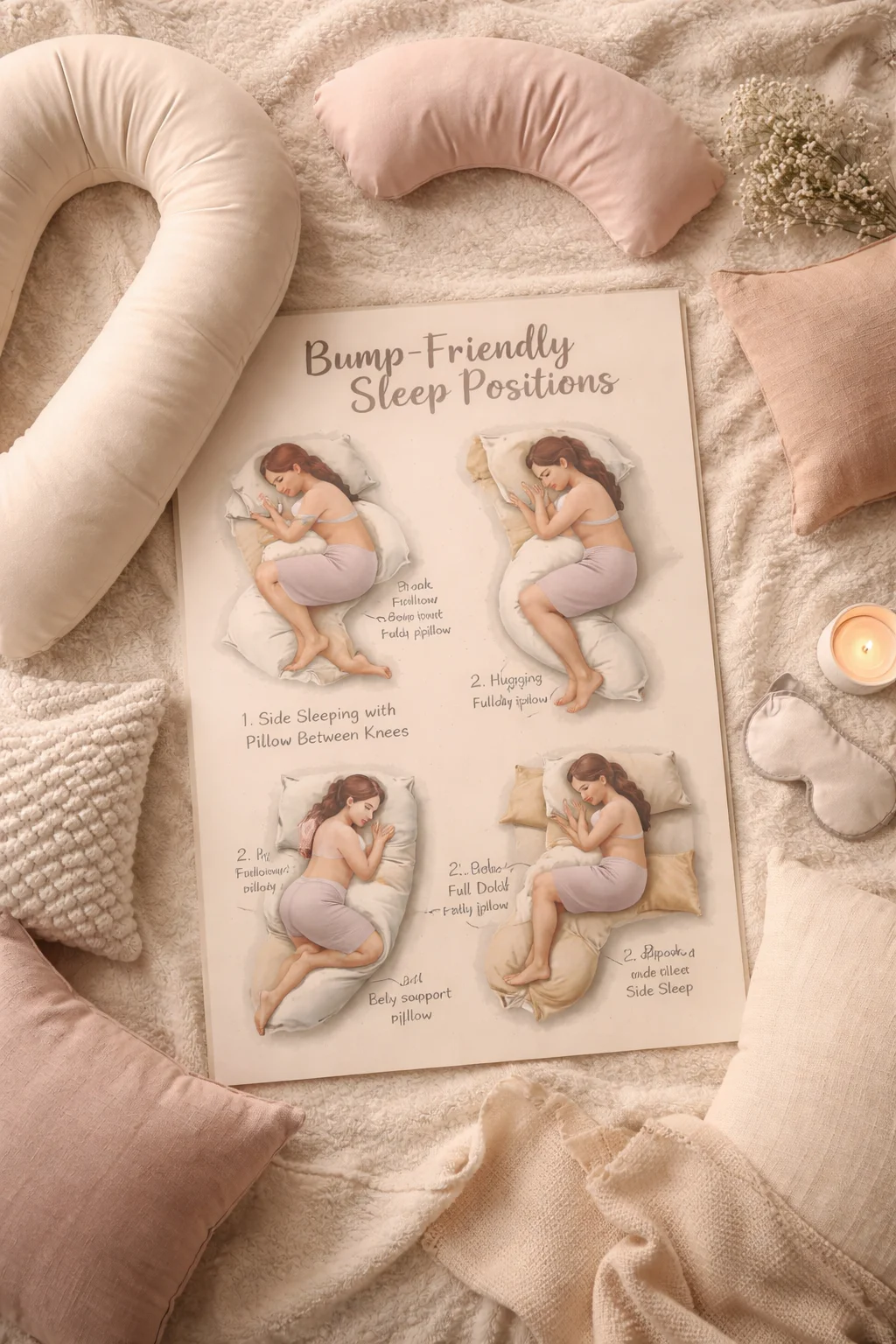
Bump-friendly sleep positions
Okay, let’s get practical. As your belly grows (and oh, it will), you’ll need to shift your sleeping style.
Sleep on your left side—it’s like a five-star mattress for your circulation. Better blood flow for you and baby.
Pop a pillow between your knees for extra hip relief. I bought a cheap one, but even a rolled-up towel does wonders.
You can even sneak an extra pillow under your bump if it feels heavy.
Avoid sleeping flat on your back. It squishes stuff you want working during the night. If you want more on this, you’ll love these yoga poses for spinal health.
Insomnia remedies in pregnancy
Can’t sleep? Say hello to the “wide-awake at 2 a.m.” club. Here’s what helped me (sometimes).
Do a sleepytime routine—wind down early with light reading, or listen to boring podcasts.
No caffeine late afternoon (which, trust me, stings if you love coffee).
Keep your room cool and block out lights.
If you’re desperate, a small, healthy snack can help—nothing spicy though. That mistake only happens once.
Insomnia in pregnancy and depression
This one’s a little heavier, but I’ve gotta say it: constant insomnia can really hammer your mood. It’s honestly worth chatting about.
Sleepless nights can tank your spirits, so ask for support from friends or your OB if you’re feeling low.
Don’t try to “tough it out.” There are safe options and plenty of folks who get it.
Try gentle routines instead of doomscrolling at night (I know, easier said than done).
Common Questions
Q: Do I HAVE to sleep on my left side? A: It’s best, but don’t panic if you wake up on your back. Just roll over and try again. Our bodies move a lot at night—no judgment.
Q: What if I have awful heartburn at night? A: Prop yourself up with pillows or sleep slightly elevated. It feels weird but it actually works—plus it might save your throat in the morning.
Q: Can sleeping positions really fix back pain? A: Maybe not “cure” overnight—but better alignment and the right pillows can make a surprising difference. (Honestly, never thought I’d geek out about pillow placement, but here we are.)
Q: Is it bad to sleep all day if I’m tired? A: If you can catch the rest—go for it! Just balance naps so you’re able to sleep at night too.
Q: Are there foods that help with sleep? A: Oh for sure! Stuff like bananas, oats, and yogurt can settle you down—just skip the chili cheese fries after midnight.
A Sleep Setup You’ll Actually Love
Alright, real talk: finding Healthy Sleeping Positions for Common Ailments isn’t about perfection. It’s about comfort—and a little creativity. Whether you’re in the thick of pregnancy exhaustion or just need a decent night’s rest, these tips can help you make each bedtime better. And if you’re looking for even more info, check out Tiredness and sleep problems in pregnancy – NHS or dive into A Guide to Healthy Sleep Positions. Just don’t forget—sleep is self-care too. Give it a shot.
It’s wild how your whole day can fall apart because the bottom of your foot wants to act up, huh? So, How Taping Your Foot Can Relieve Plantar Fasciitis Pain—let’s go there, because nobody actually dreams of limping to the fridge or not being able to chase the dog down the hallway (don’t ask about my last “race”—I practically hobbled). If you ever looked up why your foot hurts like it stepped on a LEGO all by itself or googled strange foot feelings at 2 a.m., you’re not alone. I swear, reading articles like 8-foot symptoms that reveal your health was my midnight thing. And I even discovered that pain in your feet can start to mess with your whole back too—no joke, check how kidney issues can cause back pain if you’re up for a rabbit hole. Let’s dig into taping for plantar fasciitis so you can walk (dare I say—power walk?) again soon.
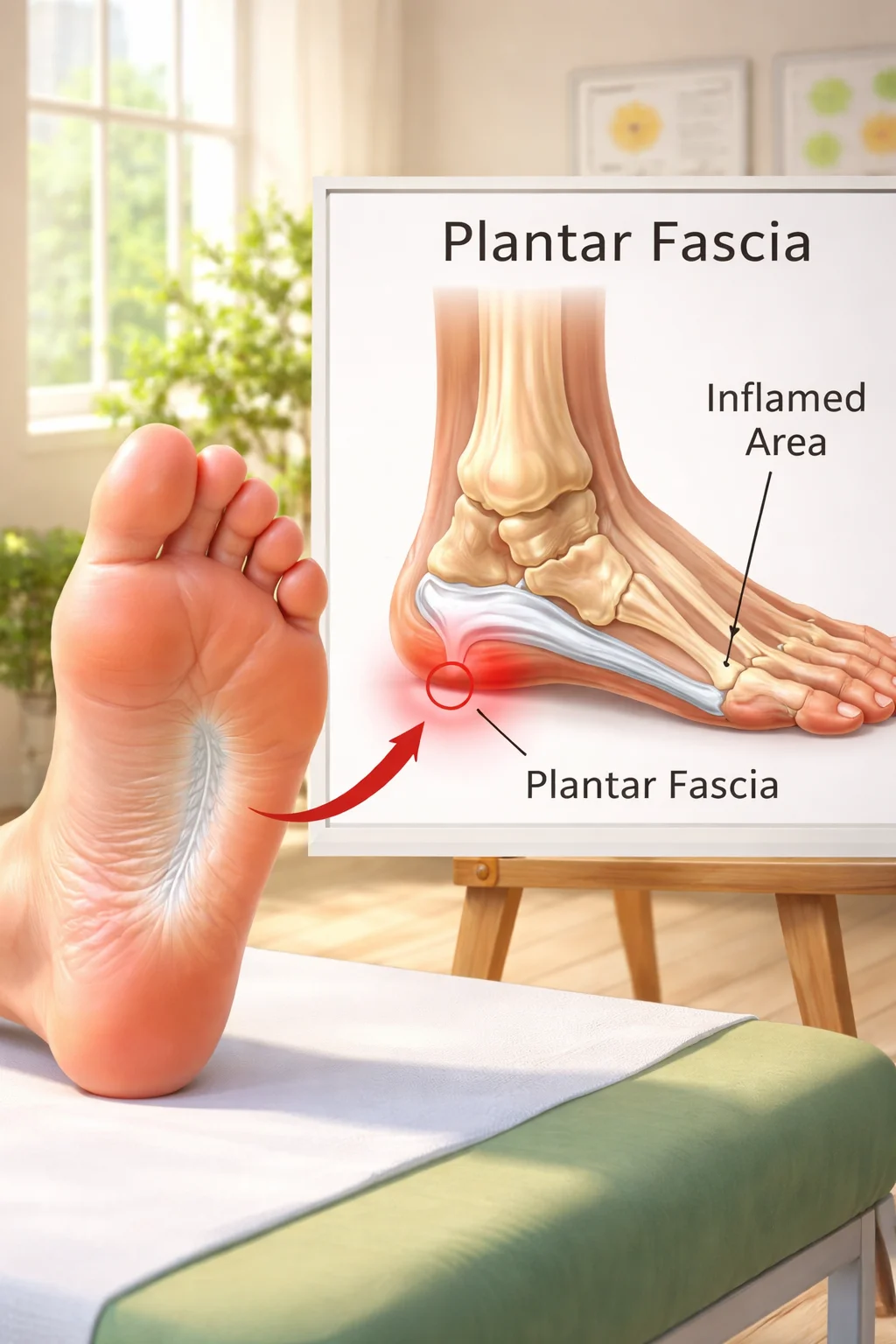
What is plantar fasciitis?
Okay, the name itself is a full mouthful, right?
Basically, it’s a pain at the bottom of your heel, especially up and at ‘em first thing in the morning.
It’s caused by a little band of tissue (plantar fascia) annoying the heck outta you after getting too tight, too stretched, or simply tired.
You don’t have to be a long-distance runner or gym rat; regular folks get it from standing all day, gaining weight, or wearing shoes that look cute but feel like bricks on your feet.
Rest can help, but—let’s be honest—life doesn’t just pause.
“Honestly, I tried everything including fancy inserts, but taping made it possible to actually walk my dog without stopping every five steps. It’s a game-changer!”
What are the benefits of taping for plantar fasciitis?
Taping isn’t just some sports thing.
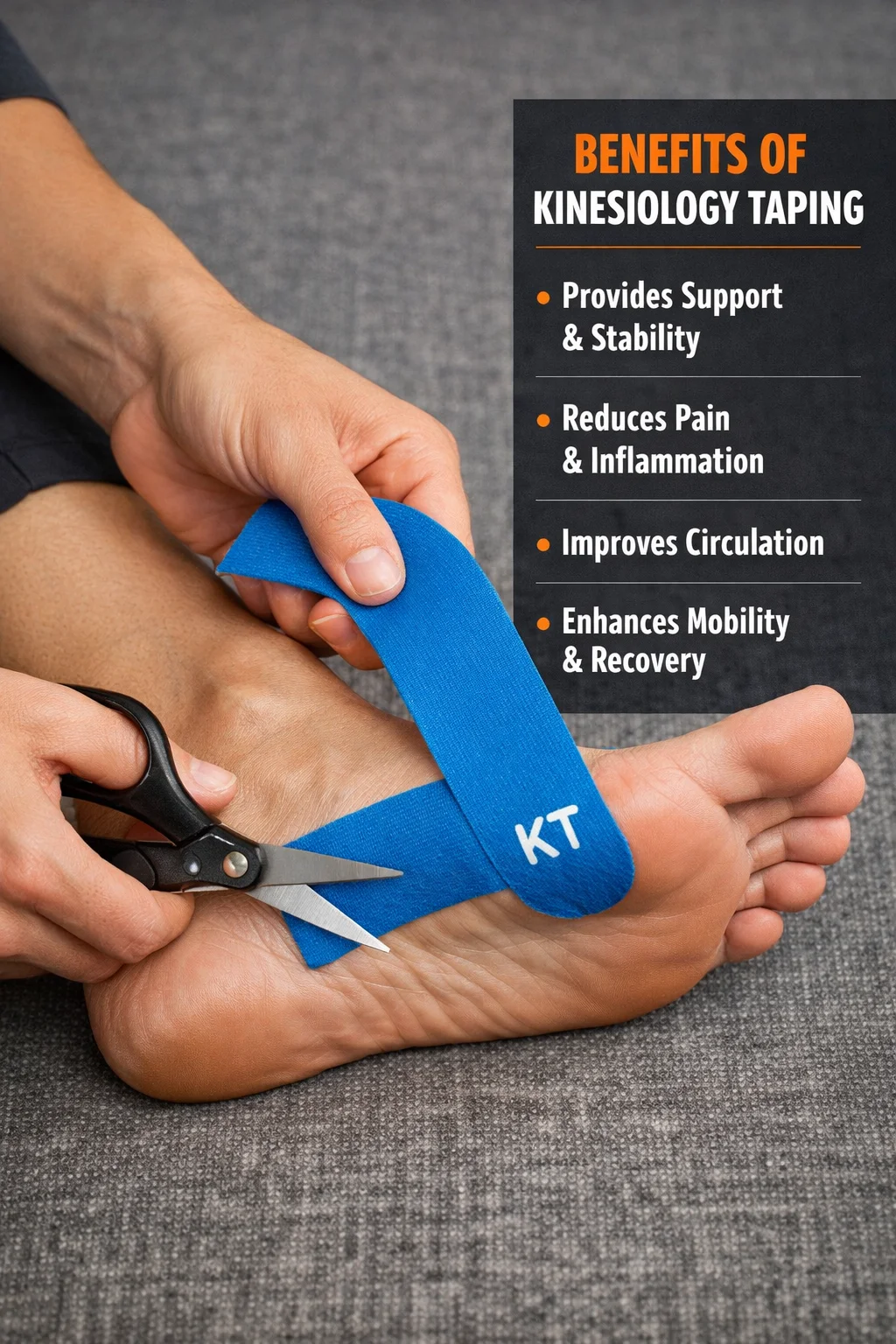
It gives your poor fascia some extra help, like a gentle “hug” for your foot (aww, right?).
You’ll probably notice less pain when you get outta bed, or after chasing after your kids.
Less swelling and fewer ouches after a long day—big win in my book.
Honestly—even doctor’s offices use tape for this reason, so you know it’s not just internet hype.
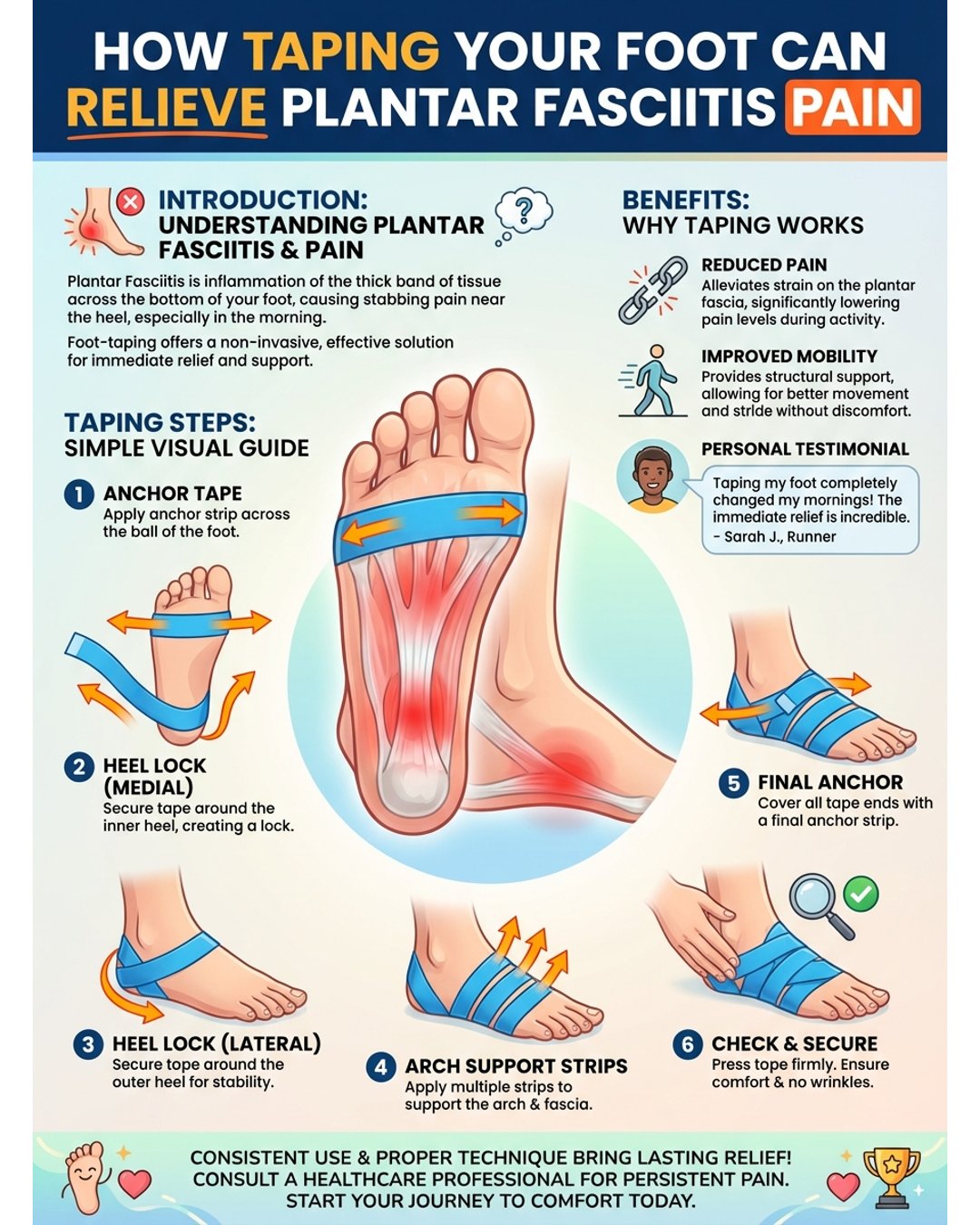
How to tape plantar fascia using KTTape {video_youtube}
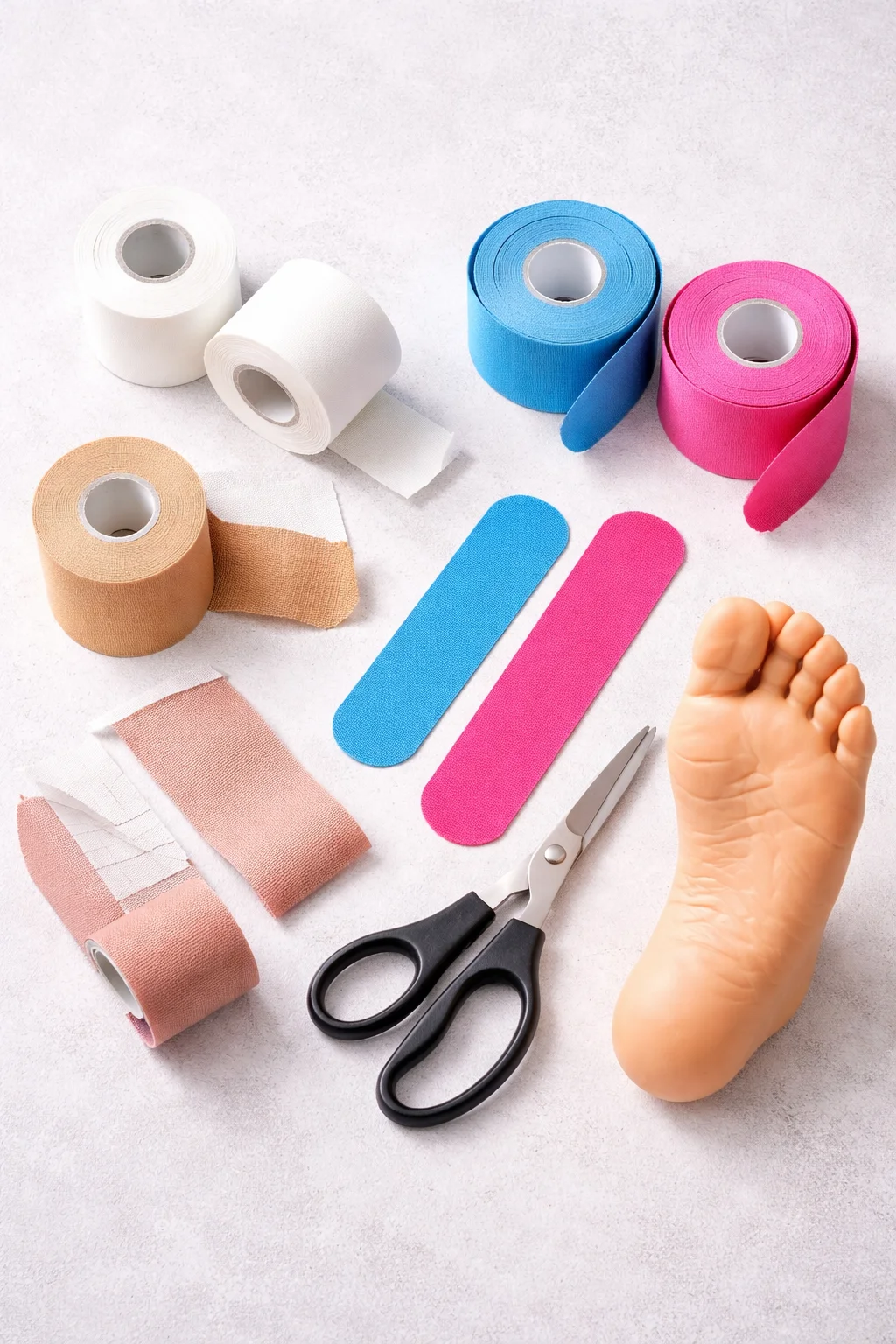
You don’t need a doctorate, but you do need sticky tape and a clean foot (who wants to tape over lint?).
Clean, dry that foot—seriously, or the tape won’t stick.
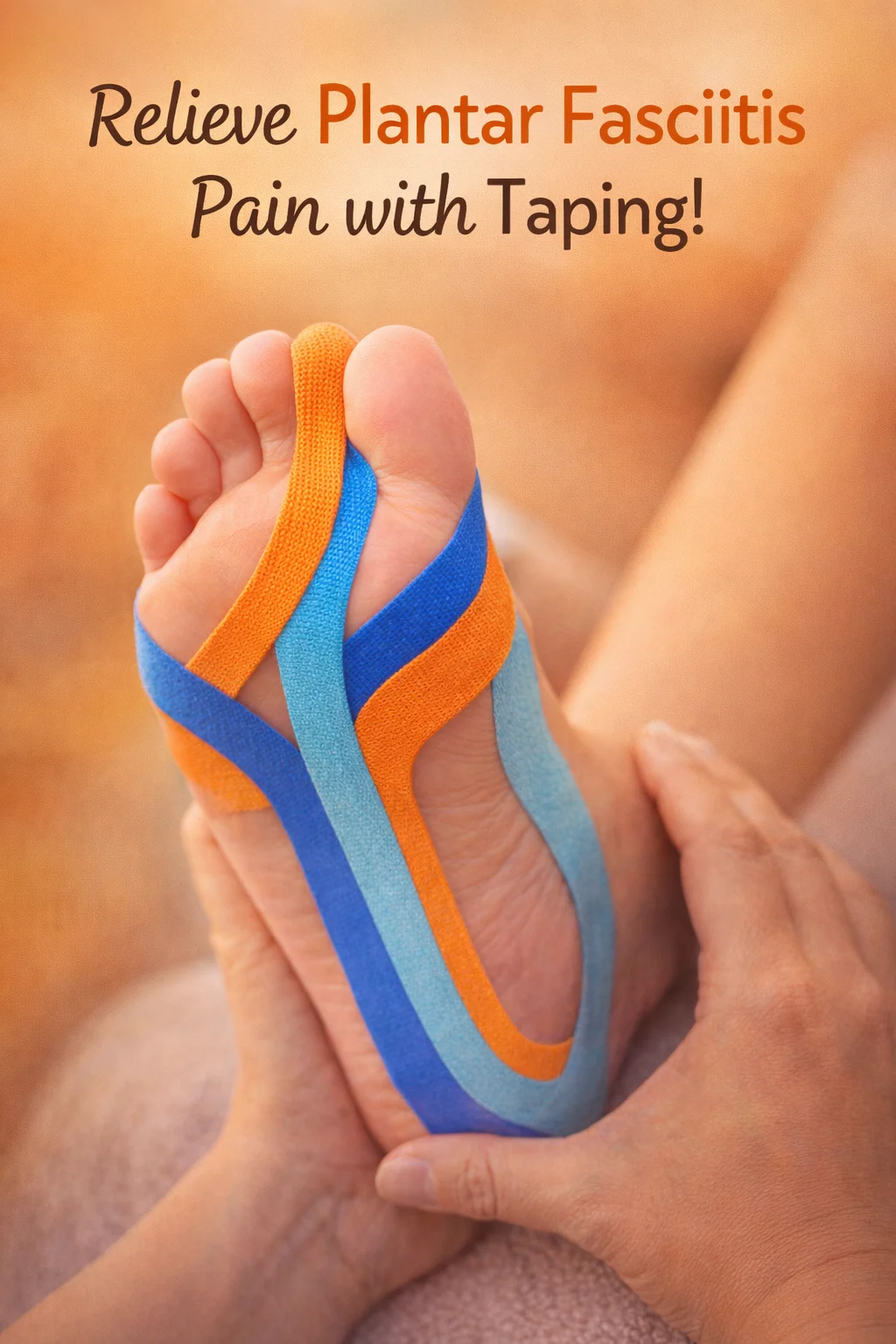
Start by anchoring one end of the KT tape just below your little toe.
Hold your foot up and firmly smooth the tape along the bottom to your heel, stretching it just a tad.
Repeat with another strip, criss-cross style if you’re feeling fancy.
Press down so it ~really~ sticks (hot tip: hairy feet hurt more when pulling the tape off). If visuals help, there’re tons of videos out there; search for any “plantar fasciitis taping tutorial”—it’s like origami for your foot, trust me.
What kind of tape to use for plantar fasciitis?
Look—don’t use just any tape you find in the junk drawer (ouch).
KT Tape or “kinesiology tape” is made for skin, so it won’t have you yelling when you take it off.
Some prefer athletic (white) tape, but it doesn’t stretch and can get kinda crinkly or uncomfortable.
Avoid duct tape—seriously.
If you’re sensitive skinned, try hypoallergenic options; it’s not supposed to leave you spotty!
How does taping the plantar fascia help?
Still think this is woo-woo? Here’s the real talk.
The tape lifts your skin and relieves pressure right over the hurting spot.
It works almost like a shock absorber, helping the fascia rest and recover while you—well, move around like a somewhat normal human.
Less strain means your foot can heal faster—and you can say bye-bye to the ice pack (well, not entirely, but at least less often).
Is taping a long-term fix or just a quick band-aid? It’s more of a short-term support-guy. All-day comfort, but you still gotta fix what’s causing your pain.
How long can I leave the tape on? Usually a couple days—until it gets itchy or starts peeling off like a weird sticker.
Can you shower with the tape? If using KT Tape, yep! It’s sort of waterproof. But don’t get wild in the hot tub with it.
Should I do it myself or see a pro? DIY is fine if you watch a good tutorial first, but don’t be afraid to ask your doctor or physio for a proper demo.
Does it hurt to take off? A wee bit if you’ve got the world’s hairiest feet. Go slow or try baby oil if needed. {image_7}
Wanna Walk Like a Normal Human Again? Try This!
Aching arches and stabbing heel pain love to ruin good days, but honestly, taping gave my busy feet a chance to catch a break (not literally, but you know…). If you’ve tried every insole and stretch, why not toss kinesiology tape into your pain relief toolbox? For super thorough info, check out trusted guides like Plantar Fasciitis Taping: Benefits, Materials, How To, and Diagram or the classic Plantar Fasciitis KT Taping Guide – Heel That Pain. Tape up, kick back, and—hey—let your feet do what they’re there for: supporting all your wild adventures (or at the very least, trips to the mailbox).
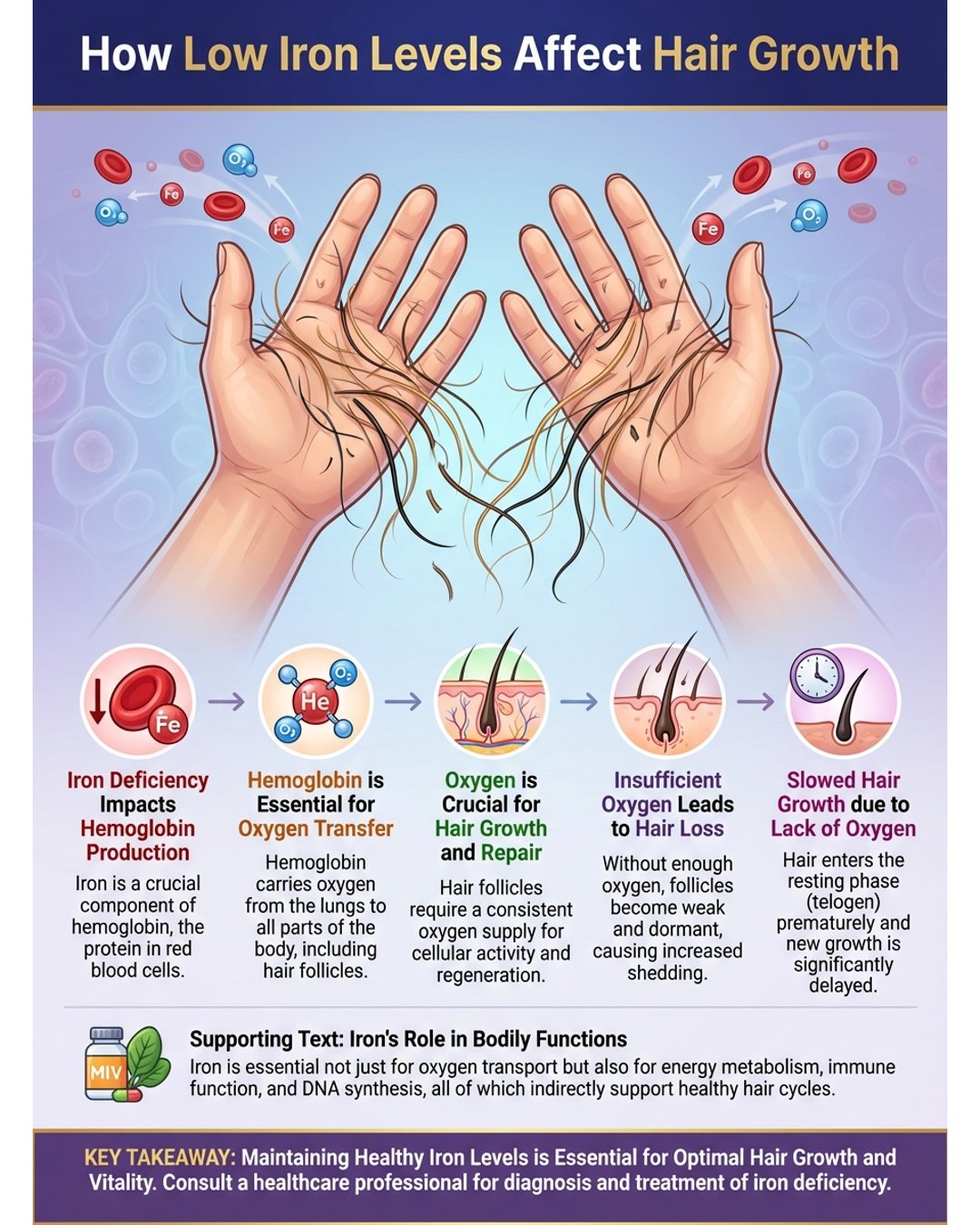
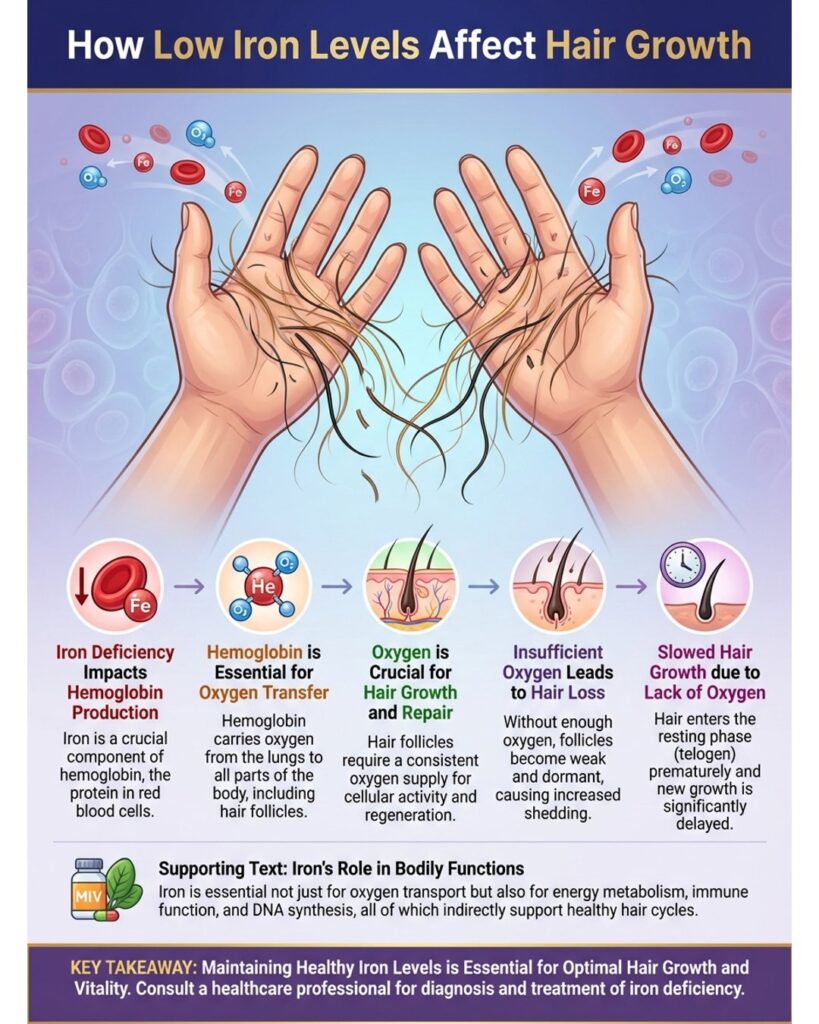
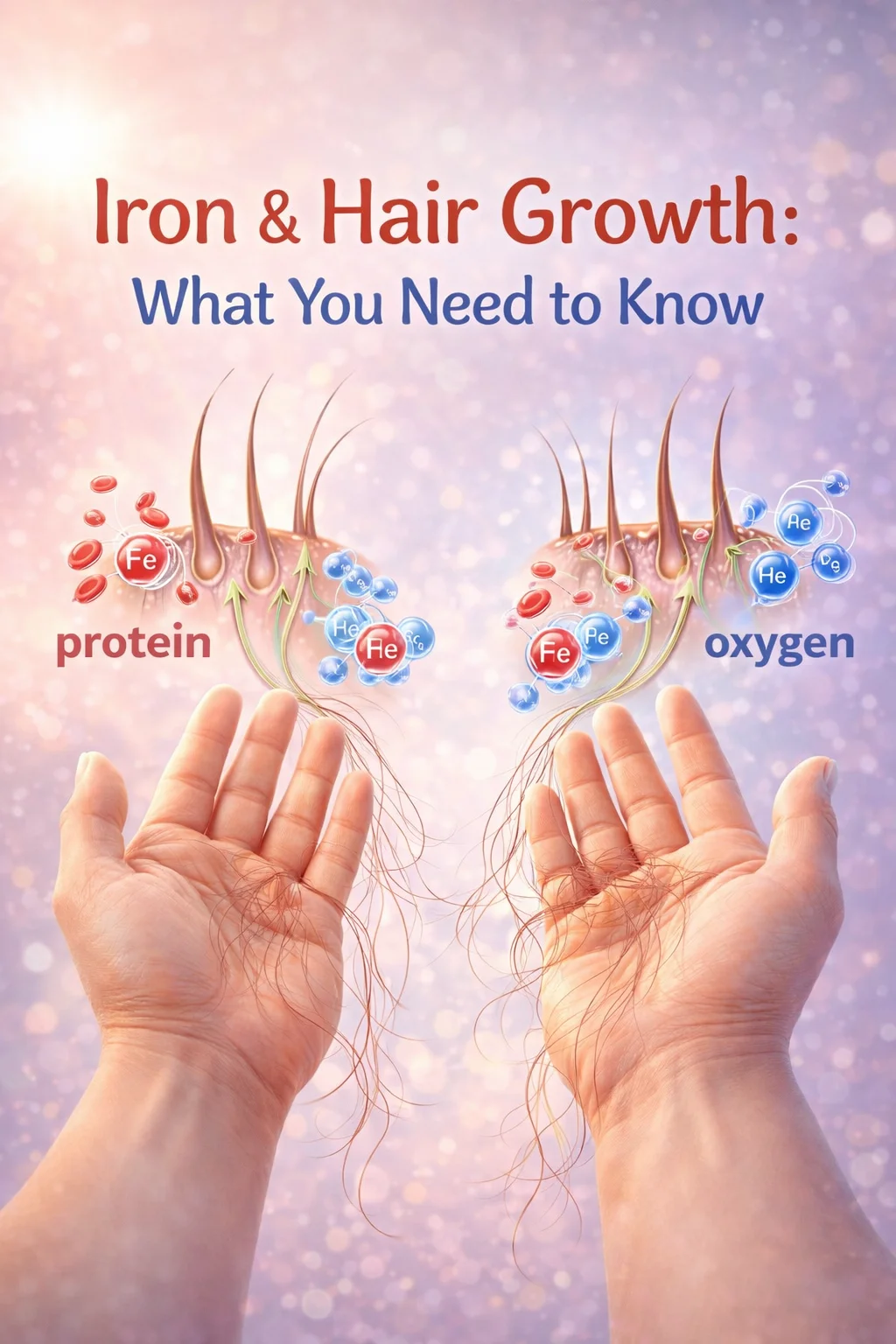
Ever had one of those days where you catch yourself in the mirror and think, “Wait, was my hair always this…thin?” Well, you’re not alone! How Low Iron Levels Affect Hair Growth is something a lot of us don’t realize until the ponytail gets smaller or the hair part looks like it’s stretching for miles. It’s so easy to brush it off—sometimes literally. But, actually, not getting enough iron can throw your hair for a real loop. You could be eating chocolate brownies or learning ways to restore yellowing pillows while your hair quietly stages a disappearing act. Funny thing is, a bit like slouching in your chair (hey, your sitting posture matters for your spine, too), iron sneaks up on you until—bam—it doesn’t.
What does iron deficiency look like in terms of hair loss?
Thin, wispy hair where you used to have bounce—almost like it’s fading away on purpose.
Bald or patchy spots—not the fun kind that lets you try new hairdos, by the way.
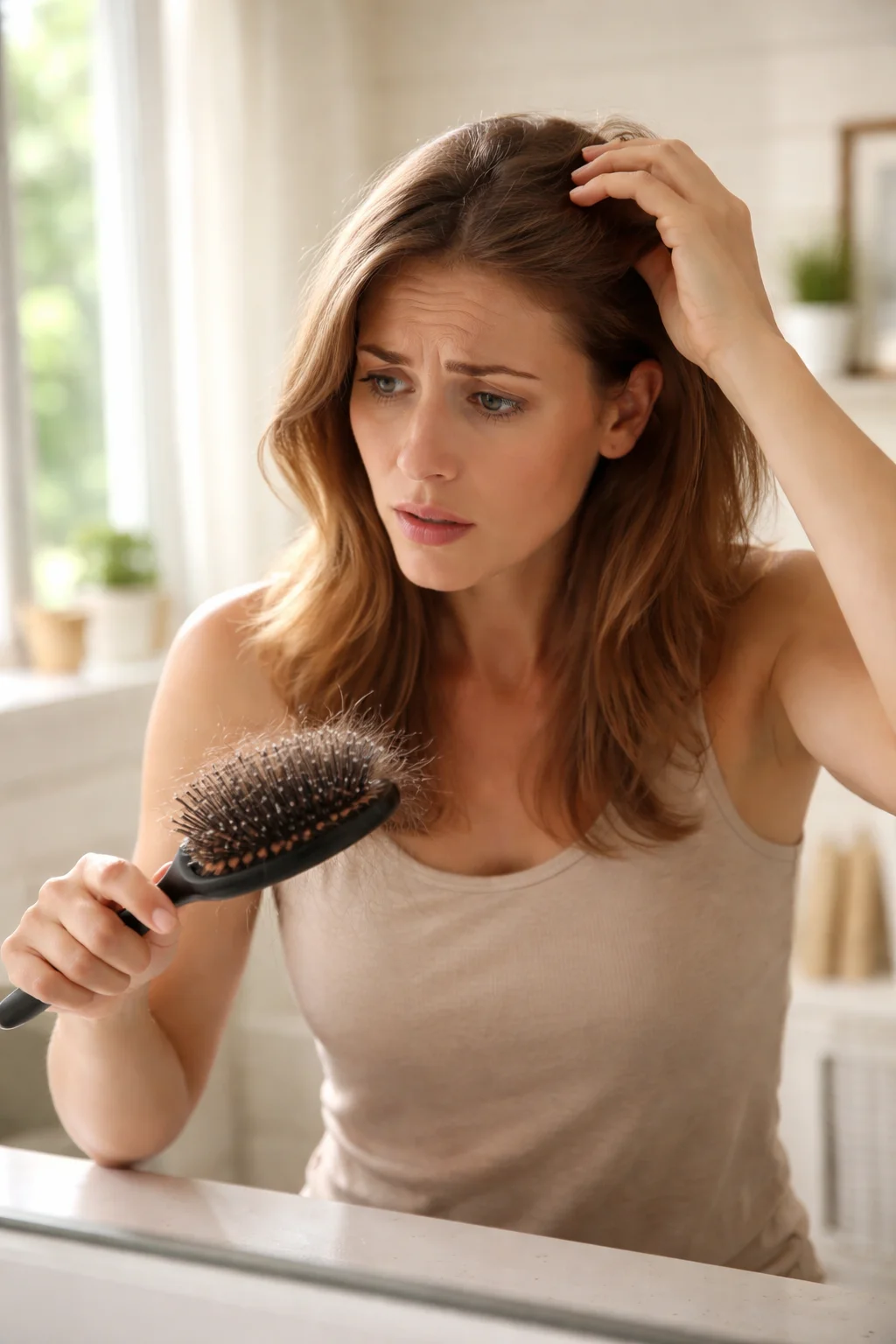
More hair coming out in the shower or on your brush. It’s like your comb’s collecting for charity.
Your scalp might show more than usual—yikes, right?
“I started shedding hair like it was my side gig. Turns out, after a quick blood test, I was low on iron! Three months of upping my iron and eating like my grandma told me…it’s finally filling out again. Trust your gut if something feels off!”
How do you treat hair loss caused by iron deficiency?
Eat more iron-rich foods—think spinach, beans, red meat, or (honestly) whatever you’ll actually eat. Not everyone dreams of a kale salad.
Take your iron supplements if your doc says so, but don’t go buying everything at the drugstore just yet.
Mix your iron with vitamin C foods—like oranges. Makes it easier for your body to soak up the good stuff.
Give it time. Hair has the patience of a saint. It takes weeks (sometimes months!) to show signs of recovery.
What are the symptoms of iron deficiency anemia?
You get tired—for no reason. Not “ran-a-marathon” tired, just “get-off-the-sofa” tired.
Pale skin (I once looked like I’d seen a ghost for a week).
Shortness of breath, especially on stairs. Nothing makes you feel your age like that.
Headaches, dizziness, and sometimes your heart beats funny.
Weird cravings. I once wanted to chew ice cubes? (Apparently, that’s a thing).
What is the outlook for hair loss caused by iron deficiency?
The good news—catch it early and most people bounce back. Hair’s not gone forever (unless you make it mad for years).
If you ignore it, though…hair can take its sweet time coming back. Or not come back at all for some folks.
Fix your iron, fix your hair, but always check with a pro before guessing.
Keep at it. Healing feels slow, but if you stick to your plan, you’ll probably see progress after a few months.
Can you prevent hair loss related to iron deficiency?
Eat a balanced diet, and sprinkle iron wherever you can. A good chili recipe does wonders.
Regular check-ups—seriously, just add it to your calendar after dentist cleanings.
Watch for early signs—like tiredness, or the hair tumbleweeds in your shower.
If you’re a vegetarian or vegan, be extra careful because some plant-based stuff is sneaky.
Common Questions
Does taking iron supplements always stop hair loss? Not always, but if low iron’s the reason, then yes—most people notice less hair loss in a few short months.
Are there side effects to iron supplements? Oh heck yes, sometimes—mainly tummy trouble. Try gentle brands or take with meals.
Can you fix it with food alone? Sometimes! If you catch it early. If your numbers are super low, you might need more than just steak night.
Who’s more at risk? Women (because, well, cycles), vegetarians/vegans, people who donate blood a lot, and folks with tummy troubles.
Does hair grow back as thick as before? For most, yes! But results can vary. Patience is your best friend here.
Let’s Keep Those Strands Strong
Alright, so the bottom line: if you’re seeing weird hair loss or tiredness, honestly, don’t just shrug it off. How Low Iron Levels Affect Hair Growth is kind of like a kitchen mess—easier to fix when you catch it early, harder to clean up if you ignore it. If you’re ever wondering if a food’s good for your iron check out handy lists online, or talk to your doctor (I know, boooring, but helpful!). Honestly, just like whipping up the best coconut oil hair mask for a treat or fixing posture, tiny daily choices add up—for your hair, for your mood, for everything. You can find way more nitty-gritty details and practical pointers at Healthline’s guide to iron and hair loss (really worth a read), plus the science background over at GoodRx’s look into iron deficiency and hair loss if you want to see what the experts say. Don’t go it alone—there’s help out there (and at the dinner table too).
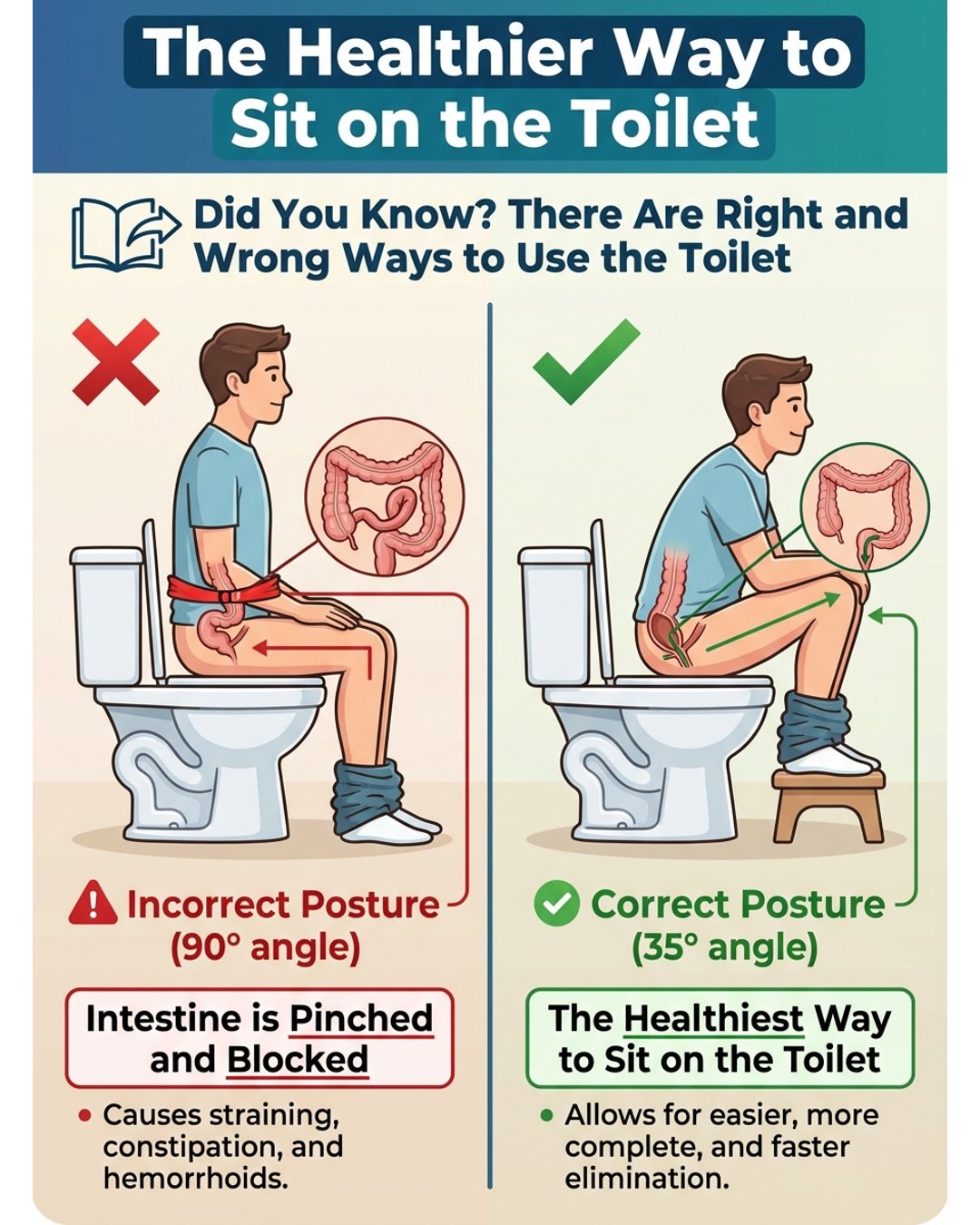
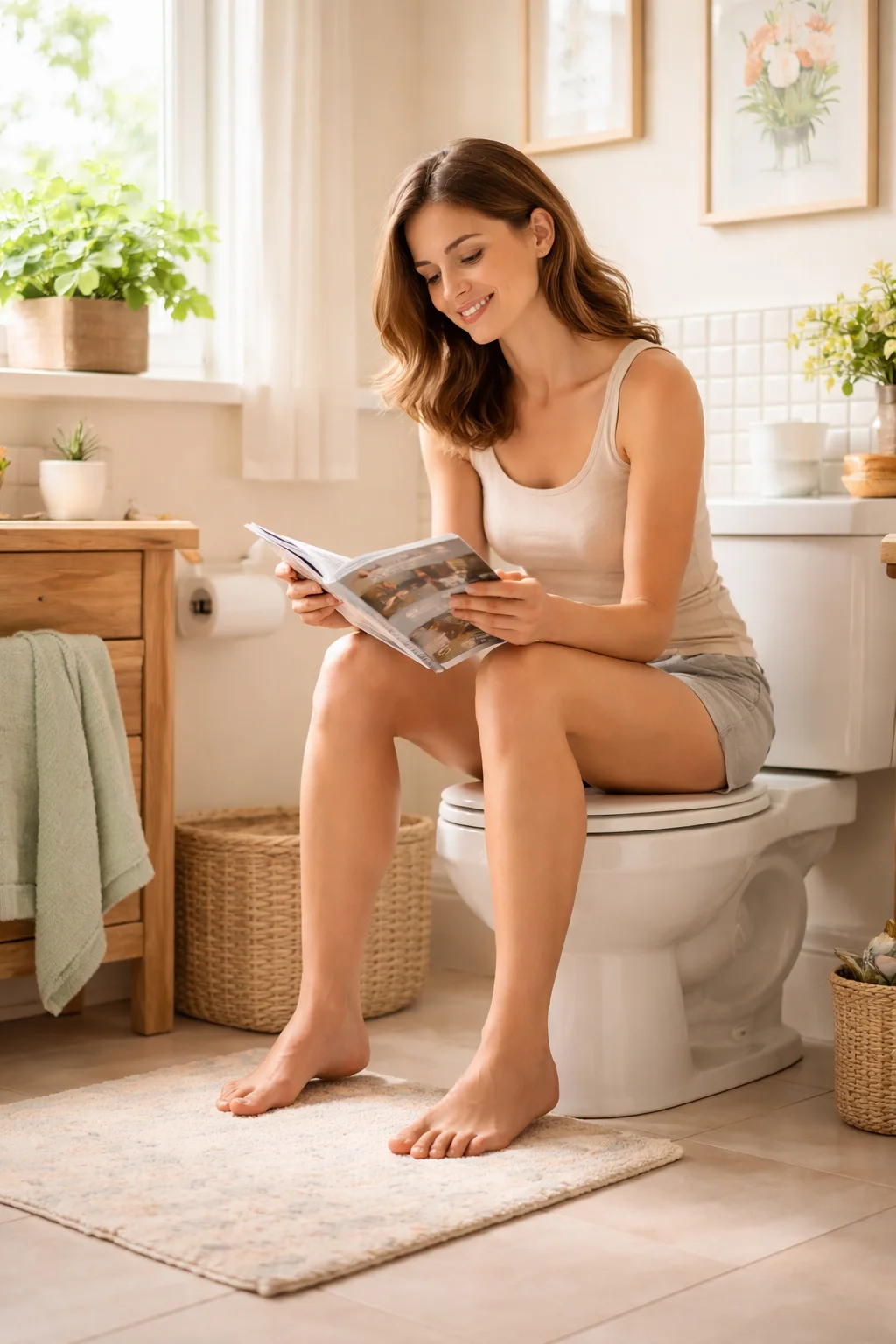
The Healthier Way to Sit on the Toilet can honestly change your bathroom routine—who knew, right? Most of us don’t think twice about plopping down, but next thing you know, you’re straining or scrolling your phone for way too long. Honestly, it’s kinda wild, the difference just a tweak in your position can make (it’s like deep cleaning for your insides—a little like when I finally tackled the toilet tank and suddenly water wasn’t sluggish anymore!). And if you’re anything like me, you might be surprised at how your toilet habits are almost as stubborn as my hands in winter (pretty wild, check the real reason you’re always cold—it’s a thing!). But anyway, let’s cut the chat and get into it: changing how you sit really is a game-changer.
How to relieve constipation on the toilet
Relieving constipation on the toilet isn’t glamorous, but let’s keep it real:
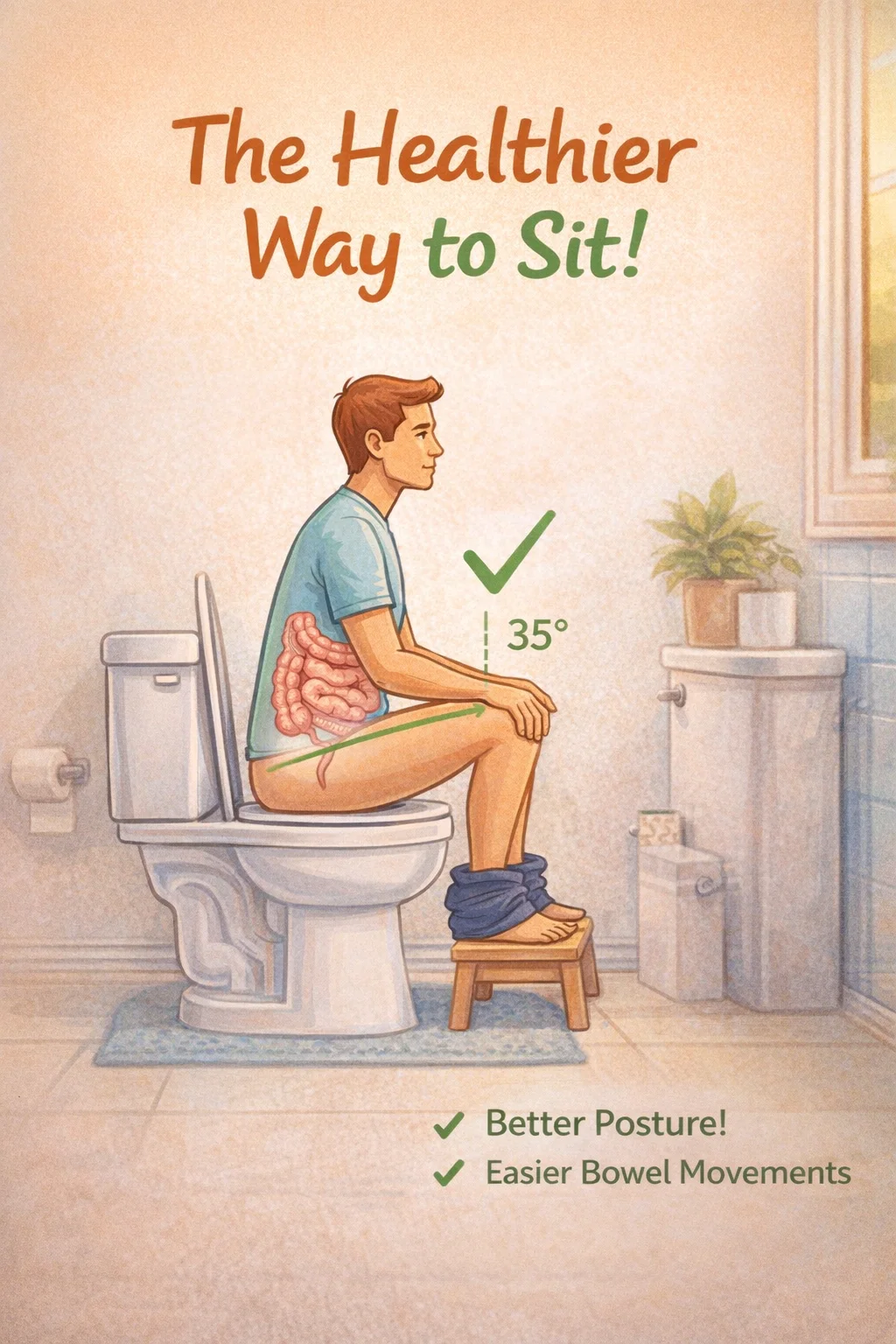
Start by changing your angle (if you can, pop your feet up on a little stool or stack of old phone books—yes, really!—to get your knees higher than your hips).
Relax. If you’re clenching or thinking too much about your to-do list, your body isn’t exactly going to cooperate.
Stay hydrated (cliché but true—sometimes constipation is just your body’s way of saying, “Hey, drink some water!”).
Don’t rush. If nothing’s happening, forcing it usually makes things worse.
If you’re staring down a bout of stubbornness, just get back up and try again later.
“Honestly, putting my feet on a small trash can as a footstool changed my morning routine. Easier and quicker—why did no one tell me sooner?” — Sandy, busy mom of three
How to sit on the toilet
It’s awkward at first, but here’s what the healthier way actually looks like:
Feet up, knees up—grab a step stool (or improvise). This mimics a natural squat, which is actually how we’re built to go.
Keep your elbows on your knees and lean slightly forward (like you’re thinking about the meaning of life, honestly).
Relax your shoulders and breathe. No tensing or slouching into the social media scroll—just focus.
Don’t perch or hover (unless you’re in a seriously suspect gas station—then all bets are off).
And yes, your toilet might look a little silly with a footstool in front—but so what? Your gut will thank you.
Good toilet habits
Oh boy—if only we learned this in school instead of, say, trigonometry. Here’s the real stuff:
Go when you need to—resisting the urge makes everything way harder later.
Sometimes it’s not just about your sitting method. Look, here’s what often trips people up:
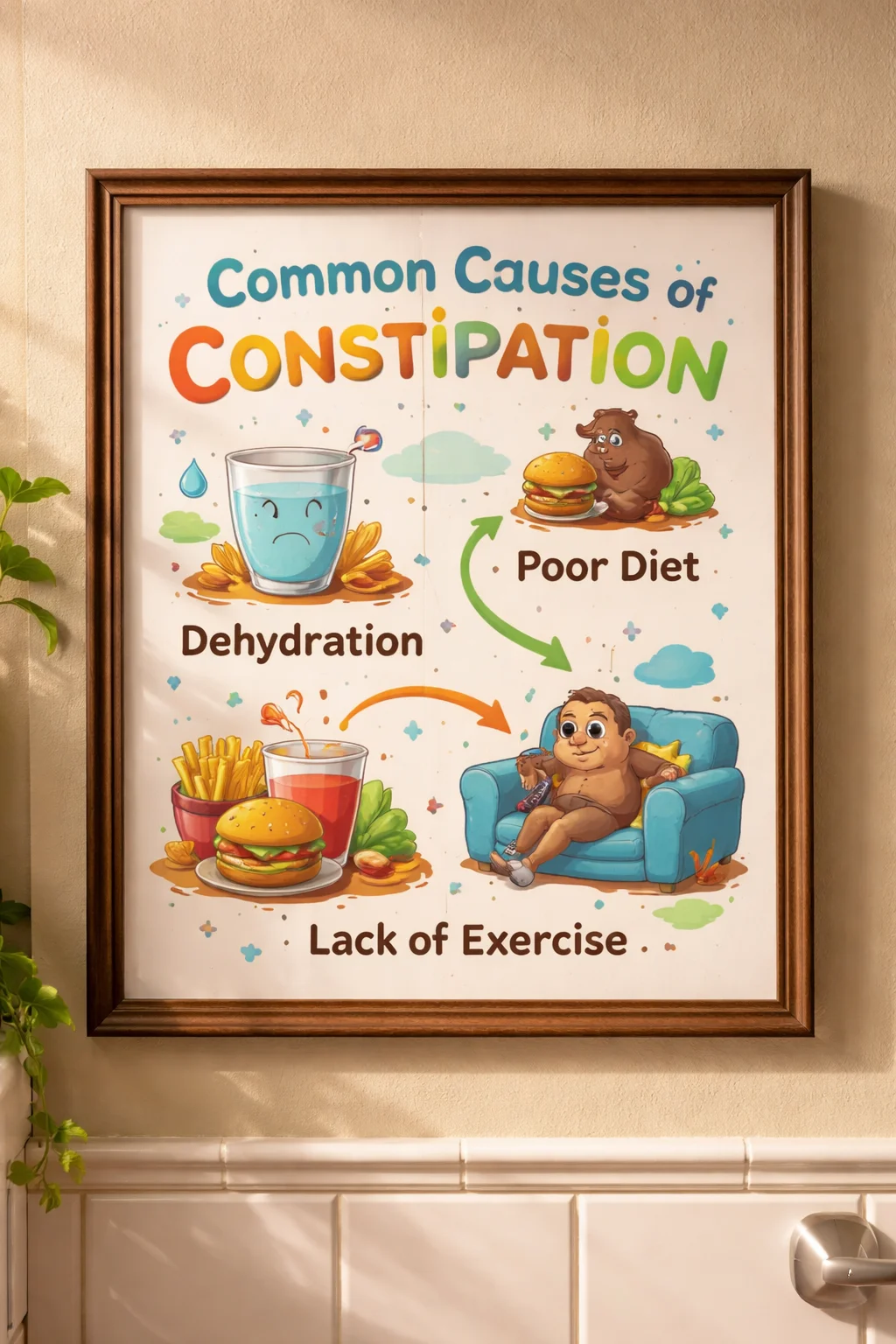
Not drinking enough water. Guilty. Who isn’t?
A diet low in fiber (hello, white bread, goodbye leafy greens).
Ignoring the urge to go (I see you, busy-busy people!).
Lack of movement. More couch potato = less action in the bathroom, it’s a universal law.
Sometimes, it’s just one of those weeks—so don’t beat yourself up!
Natural remedies for constipation
If you’re in a rut (pun kinda intended), give these a try:
Sip on some warm water or herbal tea in the morning.
Add more fiber: beans, whole grains, fruits, that sort of thing. Even a high-fiber cereal can help.
Try gentle movement—even, like, a quick walk around the block after breakfast.
Consider a squatty potty-style stool (sounds goofy, works wonders).
And of course, if things don’t improve, chatting with your doc is always a wise move.
Common Questions
Is putting my feet up on a stool really that helpful? Yep! It changes the angle and makes things come out more naturally—less straining, less time.
How long should I actually spend on the toilet? Ideally, about 5 minutes or less. If it’s taking a ton longer, your body just isn’t ready.
Does coffee really help with constipation? Sort of! For some folks, it gets things moving. But don’t count on it as your only fix.
What foods should I avoid if I’m constipated? Skip super processed stuff and too much cheese. Go for fruits, veggies, and grains instead.
If my kids are constipated, should I change their toilet position too? For sure! Small stools are great for little legs—make it fun, like a bathroom adventure.
Give This Toilet Hack a Go—You’ll Thank Me Later
So, to sum it up—the healthier way to sit on the toilet means feet up, knees raised, and chill out whenever you can. Stop rushing, drink your water, and grab a step stool if you don’t have one already. Take this from someone who’s tried every bathroom tip out there—this is one you’ll want to pass down (and hey, it’s easier than finding genius kitchen storage solutions). If you’re hunting for more nitty-gritty details, the Toilet Positions To Relieve Constipation guide is solid, and for the parents out there, tips from the Mayo Clinic’s potty training page are top notch. Try it out next time nature calls—you might just join the “toilet footstool converts” club.
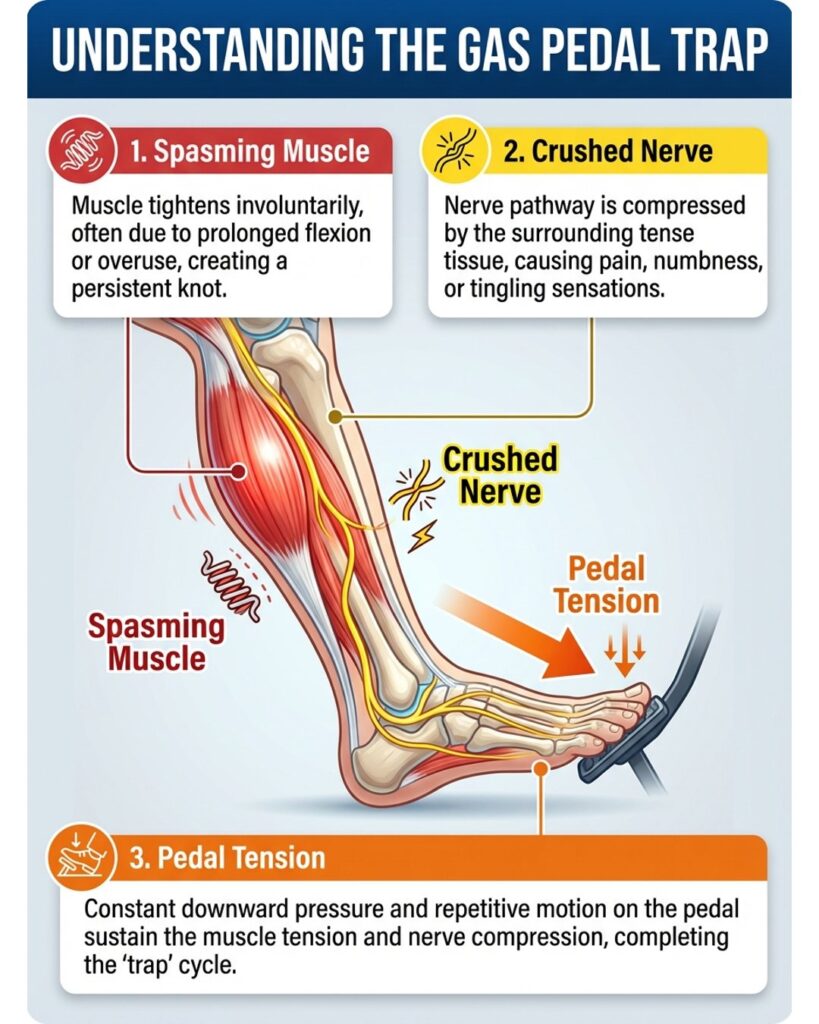
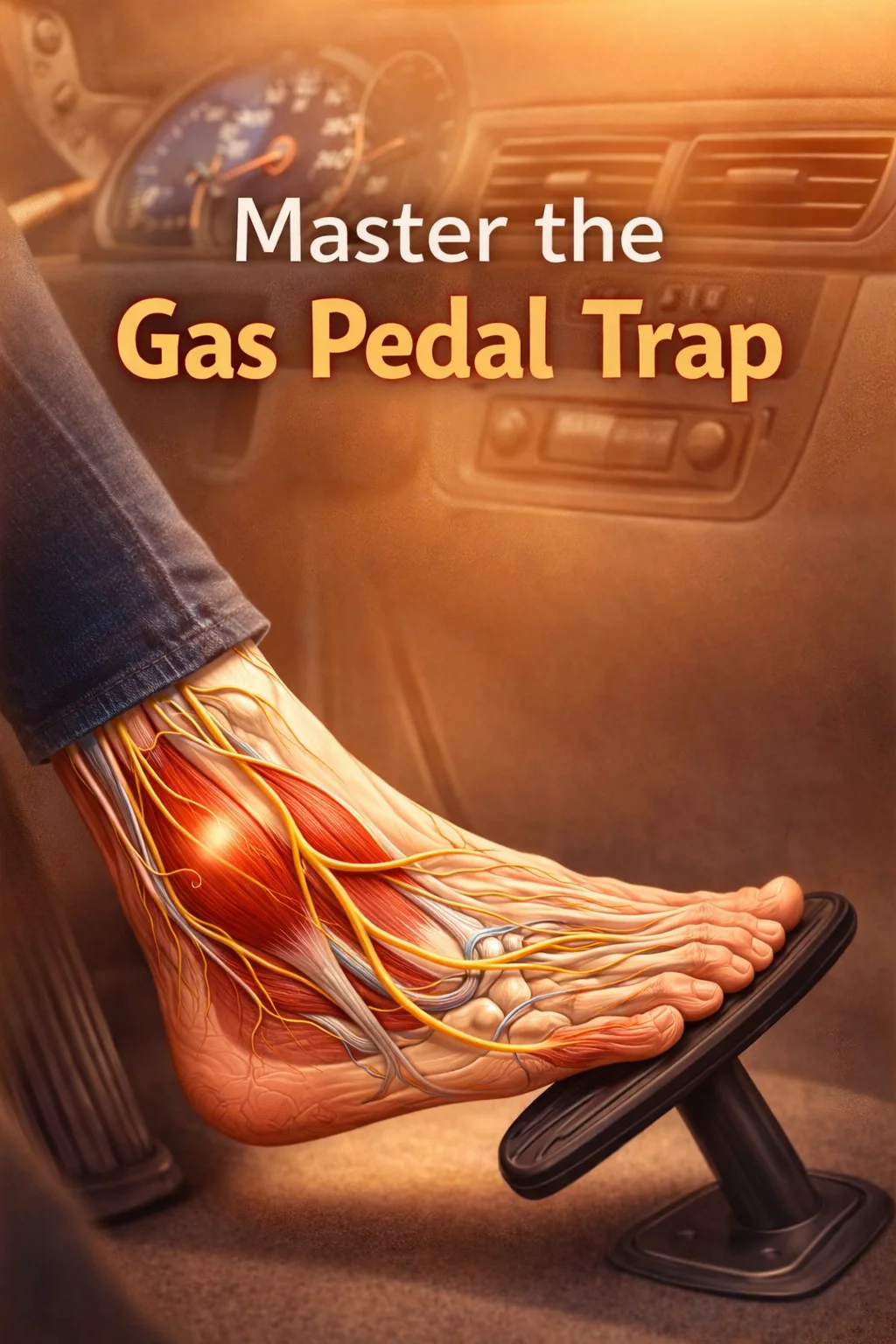
You ever find yourself in that weird sorta limbo where you’re pushing and pushing—like mentally—you hit the so-called gas pedal, but somehow you still can’t get moving? Yeah, that’s what folks call the “Understanding The Gas Pedal Trap.” Trust me, I’ve been knee-deep in it more times than I care to admit. It’s kinda like when your body wants to snooze, but your mind just will not shut up. You know, wired-but-tired? Funny enough, learning about how our bodies actually digest stress helped me big time (the science behind the human digestive system is wilder than you’d think). Oh, and while we’re at it, sometimes your breathing plays into this, too—if you’re curious, here’s a little on how your respiratory system ties in.
Understanding Regional Differences in the Wired-But-Tired State
So let’s get real—this gas pedal trap thing doesn’t just show up the same for everybody. Where you’re from totally cranks up (or tones down) how you feel it.
Folks in big cities? They’re always on go mode, like rush hour but… internal.
Rural folks sometimes mask it better, but trust me, stress doesn’t ask for your zip code.
Your family background can make you more sensitive (like, hello anxious grandma).
Holidays or big family events change the flavor, too—think Southern comfort food meets midnight anxiety snack attacks.
“Growing up in a small town, I didn’t realize being tired and edgy half the time wasn’t normal until I left for college. Suddenly everyone talked about stress like it was an indoor hobby.” – Jamie D.
Practical Strategies to Overcome Mental Fatigue
Honestly? Nobody wants to feel burnt out all day. These are my go-to tricks (I swear by number three):
Five-minute reset: Sometimes all you need is a walk to the mailbox, or outside to look at anything green.
Snack on energy-boosters—something like nuts or those homemade butter beans I made last week (so stinkin’ good).
Don’t ignore water. (Not coffee. Water. Sorry!)
Jot down what’s swirling in your head and just leave it there for a bit—journals keep my brain from feeling like a busted radio.
The Role of Lifestyle Choices in Mental Health
Here’s where I get on my soapbox for a sec. What you do every day, even the little stuff, adds up. Pinky promise.
Late-night scrolling? Congrats—you’re probably juicing up your gas pedal trap.
Cutting corners on meals (guilty as charged on busy days) makes brain fog way worse.
Picking a cozy routine, like baking a sheet cake on Sundays, helps more than all the self-help books stacked by my bed.
Watch your sugar—stress + sugar = quick sand.
Coping Mechanisms for Stress and Anxiety
Alright, I’ll stop pretending I always have my act together. Sometimes you need more than deep breaths and water.
Try a calming playlist or podcast (can I get an amen for relaxation playlists?).
Share feelings, even if you think they sound silly—call your cousin, your neighbor, whoever.
If you’ve got a stress-eating habit, try swapping out the cookies for sparkle sweetheart cookies—treat yourself, but keep it special.
Give yourself credit for small wins. Sounds corny, but hey, corn belongs in cornbread, right?
The Impact of Culture on Mental Wellbeing
This part always makes me stop and scratch my head (and sometimes go, “wait, is that just my family?”). Culture sets the baseline for how you handle your gas pedal.
If your community shrugs off stress, you might feel strange asking for help.
Some cultures are all about talking it out (some, not so much).
Celebrating with food can heal and stress you out, depending on the day.
Learning what’s normal around you gives you clues for what needs changing in your own habits.
Common Questions
Why do I always feel exhausted, even after resting?
Well, sometimes it’s not your body that’s tired, it’s your mind—that’s the gas pedal trap in action.
Is caffeine making it worse?
Yep, it sure can. Caffeine sometimes just pushes your brain harder without helping your actual energy.
Are there fast ways to snap out of the wired-but-tired feeling?
My best trick: water, a walk, and a snack with a little protein. Works faster than you’d think.
Does everyone feel this way sometimes?
Totally. Some people just talk about it more. You’re not weird; you’re human.
Should I see a doctor?
If it’s lasting for weeks, or making it hard to do normal things—definitely. No shame in it.
Take This to Heart Before You Hit “Empty”
So, if you’re feeling stuck in the gas pedal trap, you’re not alone and you don’t have to stay there. A little food, a little self-kindness, and a couple new habits go a long way. If you want to geek out on what’s really going on in your body, check out “Understanding Freeze—The ‘Wired-But-Tired’ State (Part 3)” (here’s that podcast). Also, if you’re curious how this all ties in with real-life reactions—like actual gas pedal gadgets—read this Fiesta ST pedal spacer review. Give these practical tips a try—the road to feeling more like yourself might not even need a map.
Ever wake up with an ache in your lower back and wonder, “How Kidney Issues Can Cause Back Pain?” Let’s just say, you’re not alone—believe me, I’ve squirmed through it myself. The thing is, most folks think back pain just means you slept weird or lifted something off. But, surprise! Sometimes, it’s kidneys waving a big flag. If you’re here itching for practical tips, or maybe just want to see how it all connects, stick with me—we’re diving right in. Oh, and if you’re eyeing ways to help your back with the old ice-and-heat trick, or maybe curious about other mystery aches, check out these helpful reads: relieve back pain old school ice heat method and 10 warning signs liver issues you can’t ignore. Okay—let’s go.
What Is Kidney Pain?
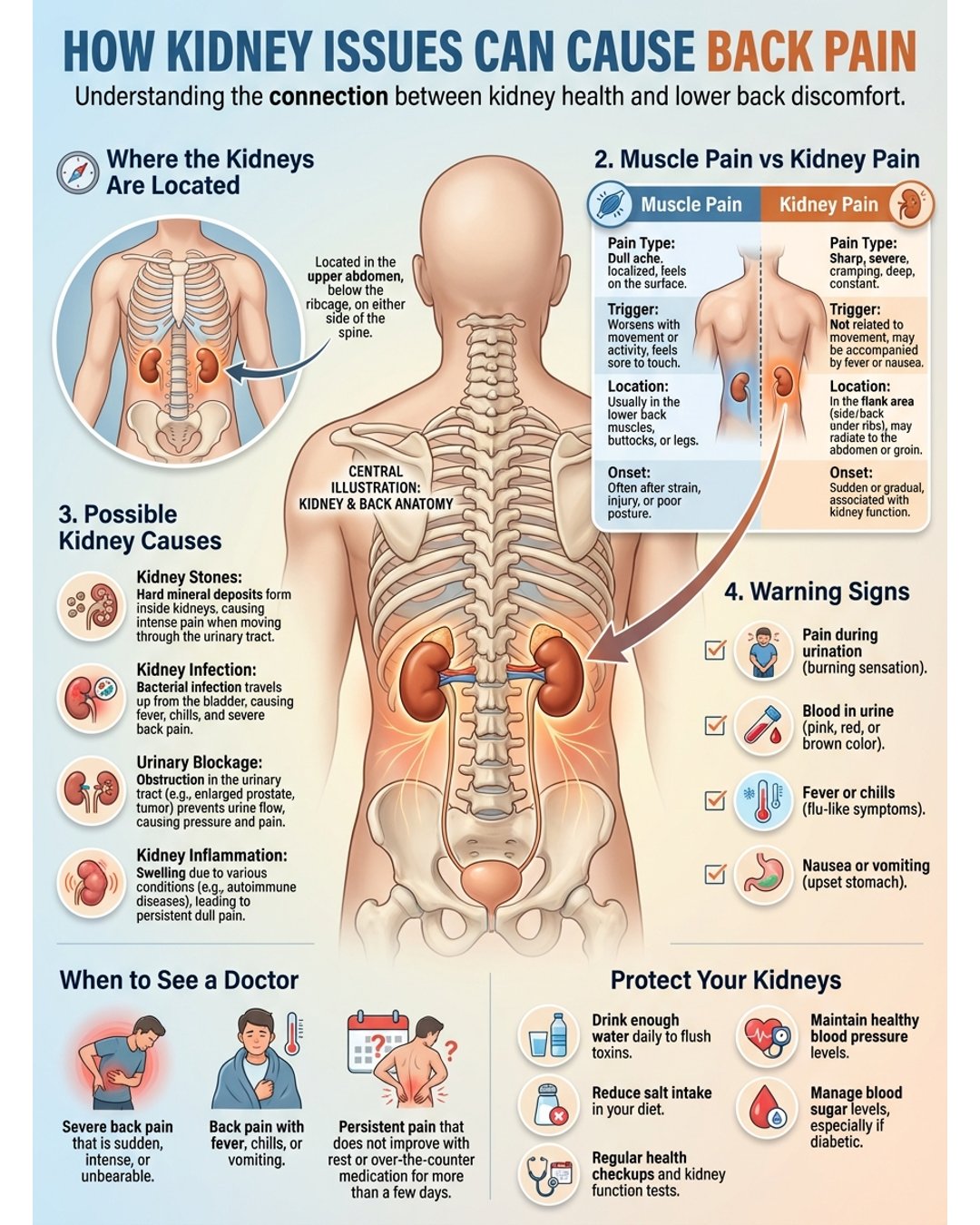
First things first—kidney pain is not your run-of-the-mill back twinge (yeah, it took me a while to figure that out). Here’s what sets it apart:
Usually it’s felt sort of under your ribs, more toward your side or the middle of your back.
Might show up as dull and achy or, heck, sharp as a sudden thunderclap.
It’s different from muscle pain, so don’t brush it off as a pulled muscle if it feels “deeper.”
Weird side note: You may also get some nausea or fever tagging along. <table_seo>
“I thought my back pain was just from lugging groceries, but when it didn’t go away—and I started feeling lousy—I found out my kidneys were the culprits! Pay attention to the signals your body sends.”
Possible Causes
So, why are your kidneys causing a fuss in your back? Some possible culprits:
Kidney stones: Trust me, these are not as fun as they sound.
Kidney infection (pyelonephritis): This one can make you feel absolutely awful, like you got hit by a truck (not that I’ve actually been hit by a truck).
Urinary tract blockages: Anything gumming up the works can cause pain where you least expect.
Chronic diseases: Stuff like high blood pressure or diabetes can quietly mess with your kidneys—and your comfort.
Care and Treatment
Alright, you know pain’s not normal, but what do you do about it? Here’s the basics:
First up: Hydrate. Good old-fashioned water helps flush things out (have you had a glass yet today?).
Light stretching, if it feels good—not gym-class-from-heck stretching.
Stay hydrated and, whenever possible, take breaks if you’re sitting (too much chair time is a back’s nemesis). {video_youtube}
Common Questions
Q: Is kidney pain always in the same spot? A: Usually it’s in the sides or lower back, but sometimes it tricks you—pain can move or radiate a bit.
Q: Can a kidney issue be mistaken for regular back pain? A: Absolutely—honestly, it’s easy to confuse them. If in doubt, play it safe and check with your doctor.
Q: What helps soothe kidney pain at home? A: Drink plenty of water, avoid NSAIDs unless cleared by your doc, and rest up—but don’t skip a medical visit if it feels serious.
Q: Are there foods that make kidney pain worse? A: High-sodium and high-sugar foods can add stress. Try swaps like deliciously easy creamy chicken corn chowder recipe for a cozy meal that’s easier on your insides.
Q: When should I absolutely see a doctor about back or kidney pain? A: If you get a fever, vomiting, blood in your urine, or pain won’t budge—don’t wait, get checked out!
What I Always Tell My Friends About Kidney-Related Back Pain
In the end, most back pain isn’t from your kidneys, but you really should pay attention if it feels “off,” sticks around, or brings weird symptoms. It’s no joke—kidneys have a sneaky way of letting you know something’s up, so don’t just brush it off. You can also find great tips and clear answers in resources like Kidney Pain: Causes, Treatment & When To Call a Doctor and even dig into the real difference between the usual back pain and kidney pain at Lower Back Pain vs. Kidney Pain – Moffitt Cancer Center. Honestly, stick to the tips above, listen to your body, and don’t ignore warning signs. Hope this clears things up—and, as silly as it sounds, keep those kidneys happy!
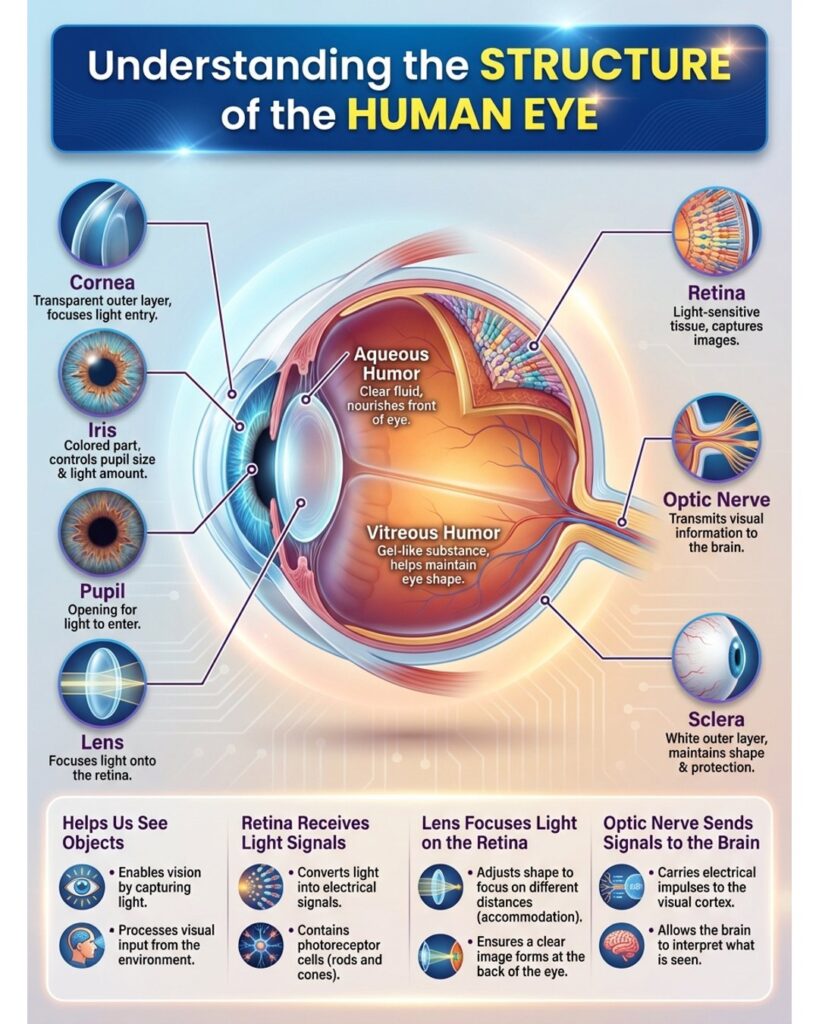
You know that feeling when you’ve spent all night binge-watching your favorite show, you get up in the morning—and wham!—everything’s blurry for a second? Yeah, me too. Understanding the Structure of the Human Eye makes those moments less weird and way more interesting, trust me. Think about it: our eyes are working overtime, from doom-scrolling social media to diving deep into recipes for the perfect Nicoise salad with tuna or even worrying if you’re using the wrong sponge (don’t get me started on sponge bacteria). So, if you’ve ever wondered what’s really going on in there (behind those tired eyelids), let’s break it down together—simple, like making toast.
Parts of the Eye Outside the Eyeball
Here’s the stuff you see in the mirror—or accidentally poke when you’re fiddling with mascara (been there):
Eyelids and eyelashes help keep dust, sweat, and the occasional bug out of your eyes.
The conjunctiva is a thin, clear layer—like cellophane—that keeps your peepers moist.
Those pink corners? That’s called the caruncle (a word that just feels… odd!).
Extra fun fact: Your eyebrows are important here, too, like a real-life umbrella for sweat.
“I never gave my eyelids a second thought ‘til I got an eyelash stuck in my eye. Now I treat them like VIPs!” – Sam P., regular person who blinks too much
Structural Components of the Eye
Let’s get inside—no scalpels, promise. Each bit does its own job:
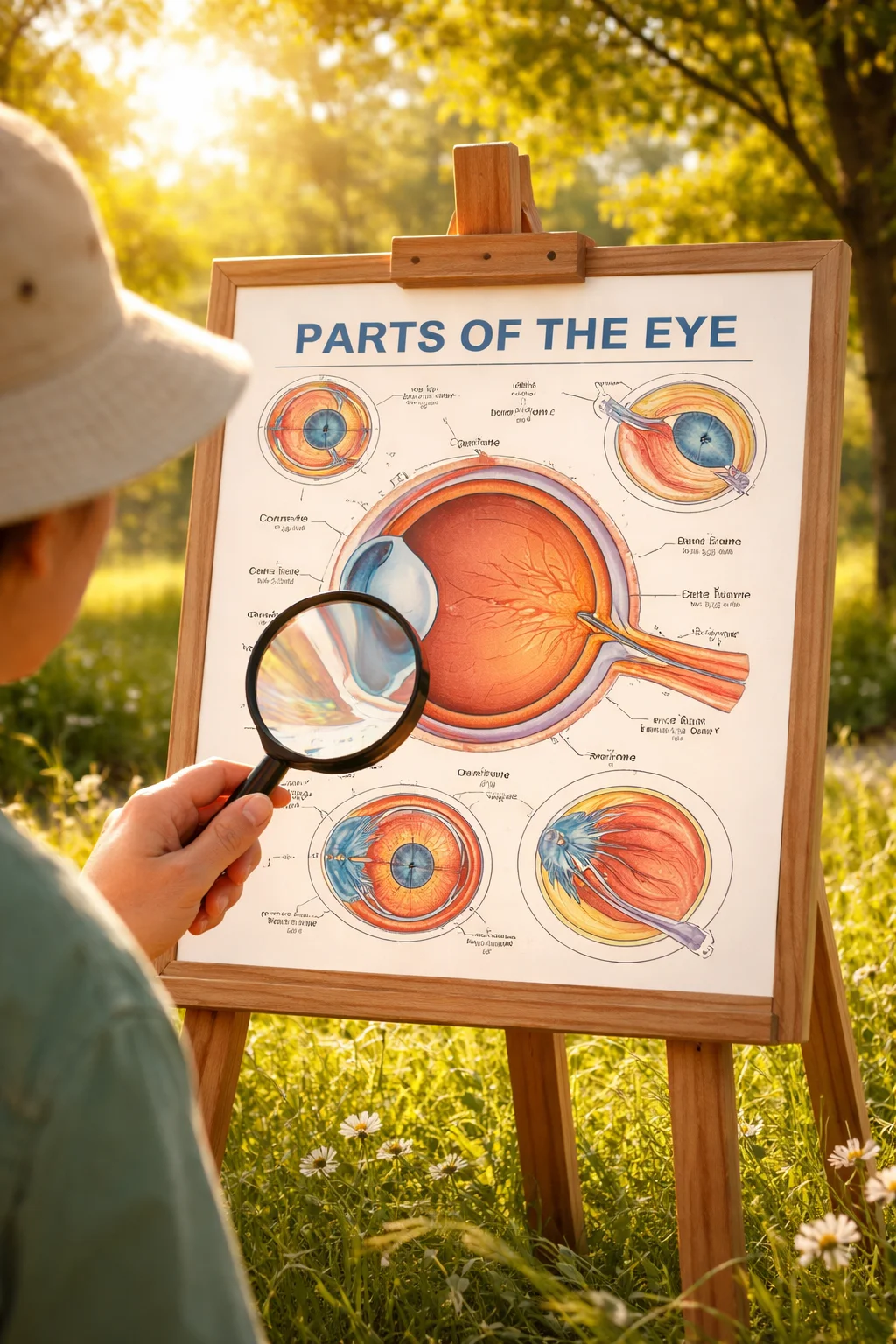
The sclera is the tough white part (think: egg whites but, please, don’t crack your eye).
The cornea is your eye’s front window—lets light in and helps focus.
Extraocular muscles wrap around the eye like a homemade burrito, letting you look everywhere.
There’s this soft padding called fatty tissue, keeping everything comfy in its socket.
The Surface of the Eye
So, what’s on top? Like…the “skin” of your eye.
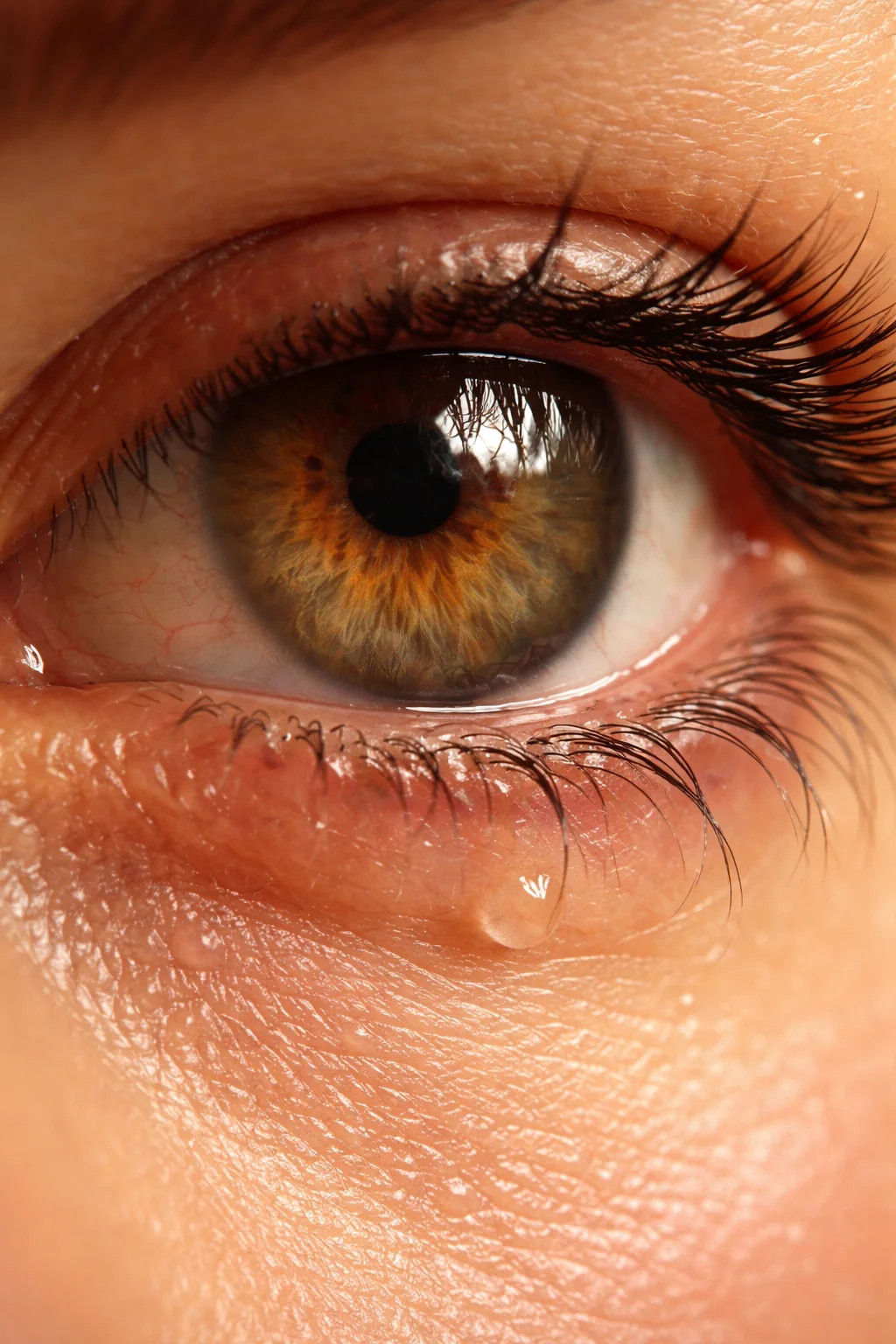
Tear film keeps your vision clear and comfortable (sure, you can cry if you want—a little eye self-care).
Cornea (again!)—super clear, no blood vessels, but crazy sensitive.
There’s a whole ecosystem of glands making tears and oils (shoutout, tiny invisible helpers).
The Front of the Eye
You know that classic close-up, movie-style eye shot? Here’s what’s in there:
The iris is the colorful bit (I’m on Team Hazel, if anyone’s counting).
The pupil is just a hole—wild, right?—but it does all the light adjusting work.
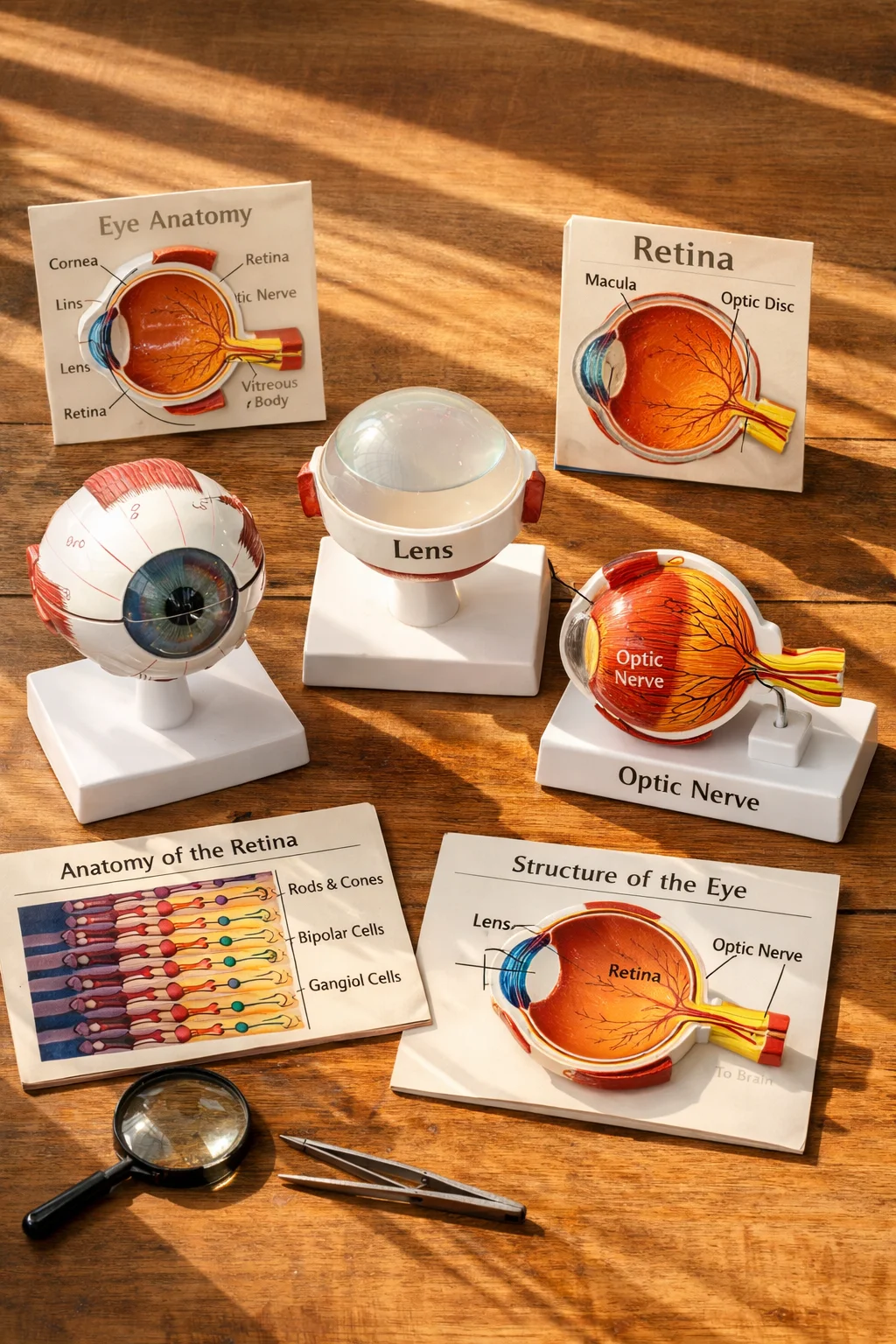
Behind, there’s the lens, which helps you see far-off menus and up-close cookie crumbs.
The anterior chamber is filled with watery stuff, keeping everything smooth and pressure-checked.
The Back of the Eye
Way in the rear, where the magic (and science) happens:
The retina—think of it as your personal movie screen, turning light into images.
Macula gives you sharp vision for reading or spotting that one burnt fry in your basket.
The optic nerve does the delivery—it zips all these images to your brain.
Surprise ingredient: the vitreous body, a clear gel, keeps things plump and round, not deflated.
“I always thought seeing was just… seeing! Turns out, it’s a whole production back there. Makes me appreciate every late-night book binge.” – Lee G.
Common Questions
Q: Why do my eyes water when I cut onions? A: The tear film goes into overdrive, like a kitchen faucet turned on high, to protect your eyes from the irritants.
Q: Is it normal for one eye to be a little blurrier than the other? A: Yup! Most folks have eyes that aren’t identical—like shoes that almost match but not quite.
Q: What can I do if I get something stuck in my eye? A: Blink a bunch and rinse with water. If it’s still bugging you, call a pro—don’t go poking around.
Q: Why are my eyes dry after looking at screens? A: You probably skip blinking without realizing it. Take “blink breaks”—set a timer if you have to!
Q: Can eating carrots actually help my vision? A: They’re no miracle cure, but the vitamin A in carrots is good for your eyes (just don’t expect superhero powers).
See Your Eyes In A Whole New Way
That’s the lowdown on the human eye structure—not as mysterious as it sounds, huh? There’s a lot going on behind your blink, from protecting against grime to making sure you can see midnight cookie crumbs. If you’re as curious as I am, you can geek out even more with resources from Eye Anatomy: Parts of the Eye and How We See or dive into details with Human Eye Anatomy – Ophthalmologists and Retinal Specialists. So next time your eyes feel tired, maybe thank them—or blink slow, dramatic style, like you’re in a movie. Just don’t forget to give ‘em a break (and maybe check if your coffee cake is burning!).