
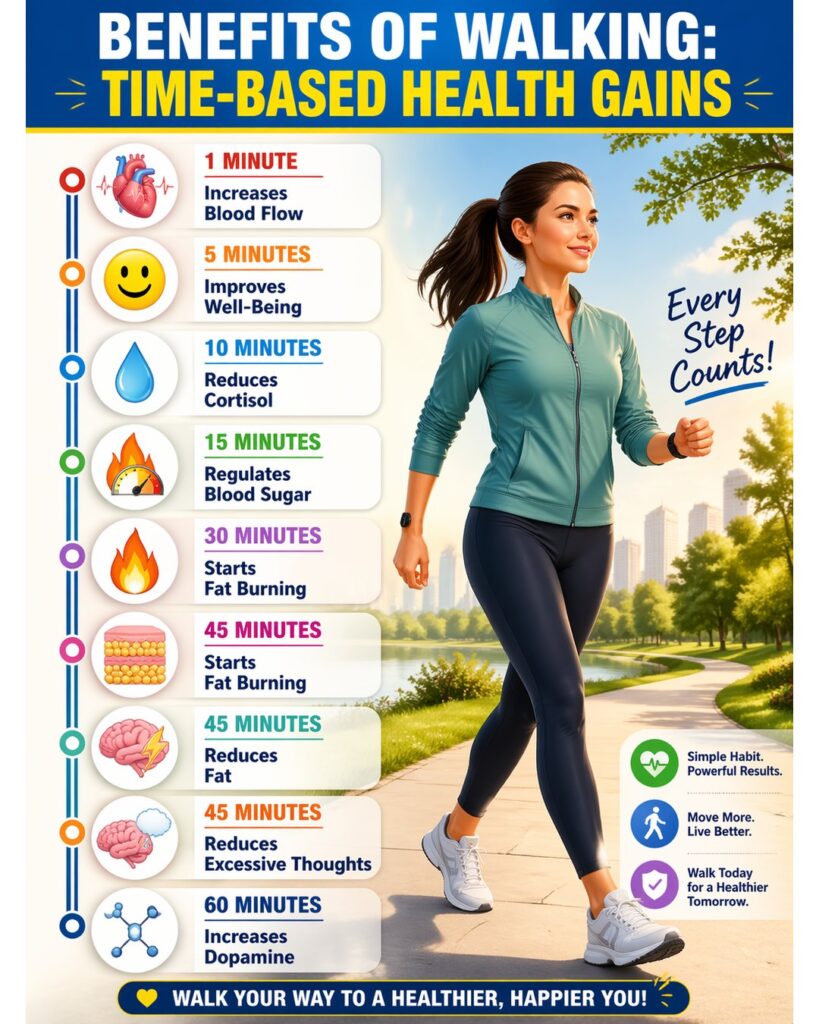
Let’s just say it: sometimes the thought of starting a new, super-ambitious workout plan makes me want to—uh—take a nap instead. But here’s the deal. Benefits Of Walking: Time-Based Health Gains are real, and it’s honestly the most doable routine I’ve ever fallen into. Seriously—who hasn’t felt that stubborn ache in their legs from too much sitting? I used to ignore it, but then I discovered that just fifteen minutes of strolling, sun on my face (or, okay, sometimes wild wind), changed the whole vibe of my day. Turns out, there are science-backed perks hiding in those short strolls, and no, you don’t have to slog for hours. If you’re intrigued by how simple tweaks in your daily routine lead to sneaky health boosts—like the shock I got when I realized I needed to check out these beauty benefits of drinking water, or when I tried the benefits of doing bridge pose regularly—stick around. You might (like me) never look at your neighborhood the same way again.
Key Benefits of Understanding This Topic
Alright, let’s cut to the chase: why should you care about the benefits of walking, and—wait for it—why does time matter?
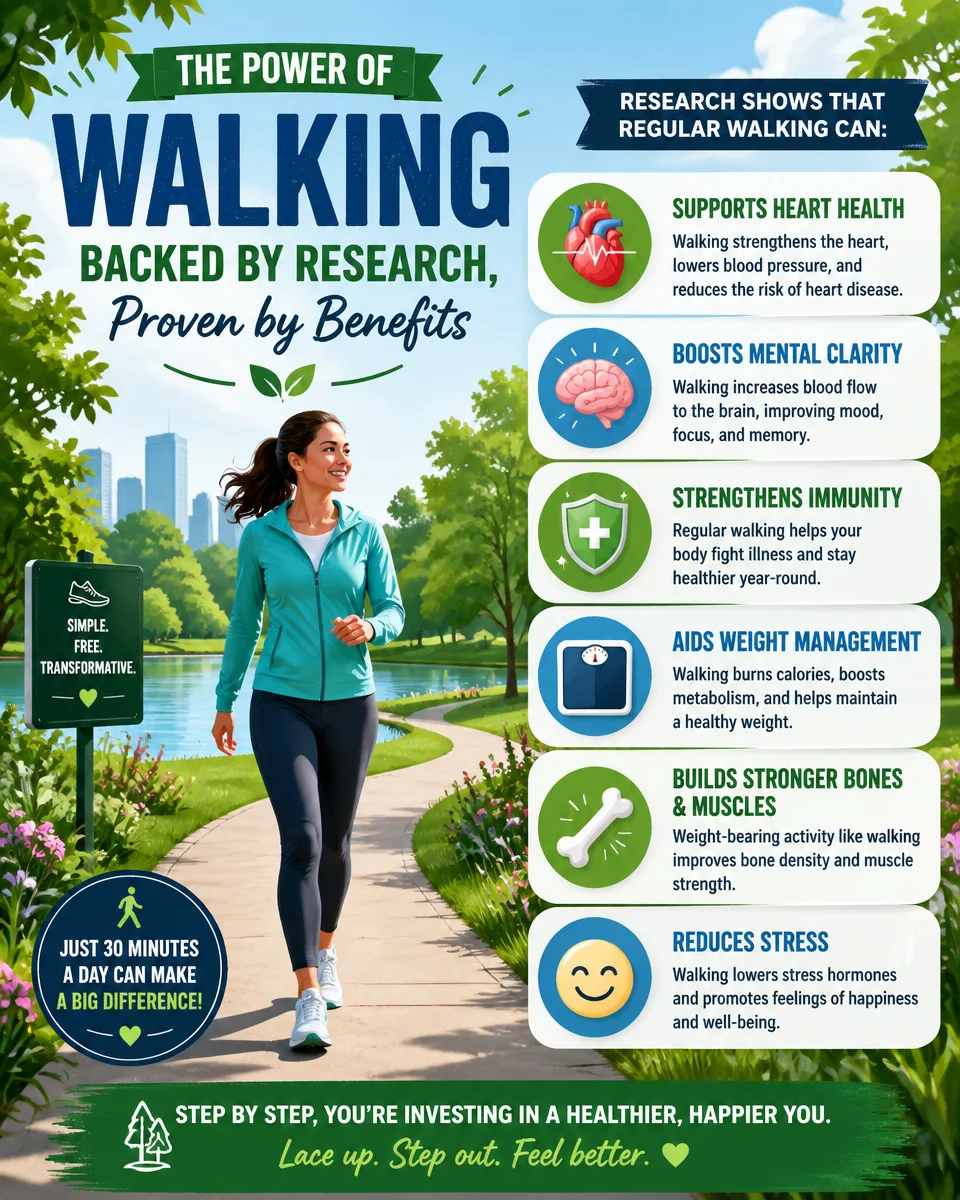
- Even a 10-minute walk daily helps lower stress.
- Walking after meals can help whittle away your blood sugar spikes.
- Consistent walking—say, 20 or 30 minutes—has been tied to sharper thinking (could’ve used that during finals week).
- You don’t need special gear—just comfy shoes and maybe a—you know, not-too-noisy podcast.
“I started with five minutes a day—yeah, tiny—and before I knew it, walking made my stiff legs feel brand new. Now if I miss out, my mood just tanks. I swear, this habit changed my life.” – Jamie P.
So, those health and wellness trends? Turns out, sometimes the classics (walking!) really earn their hype. 
Common Misconceptions about This Topic
I’ve heard some wild stuff about walking—let’s straighten it out.
- “Walking’s not real exercise, right?” Uh, wrong. Those small steps add up, friend!
- Longer walks don’t always mean more benefits—you can get big boosts with short jaunts.
- It’s not just for “old folks.” Please. I’ve seen teens speed-walking to boba tea.
- Walking’s too easy to burn fat? Nope. It actually helps more than you think, especially if you keep going regularly.
BTW—if weird foot pain’s been holding you back, check out the helpful advice in unlock health benefits pressing your foot and surprisingly simple tips from 8 foot symptoms reveal your health to keep you moving.
Step-by-Step Guide to Implementation
Want actual steps? Got you covered.
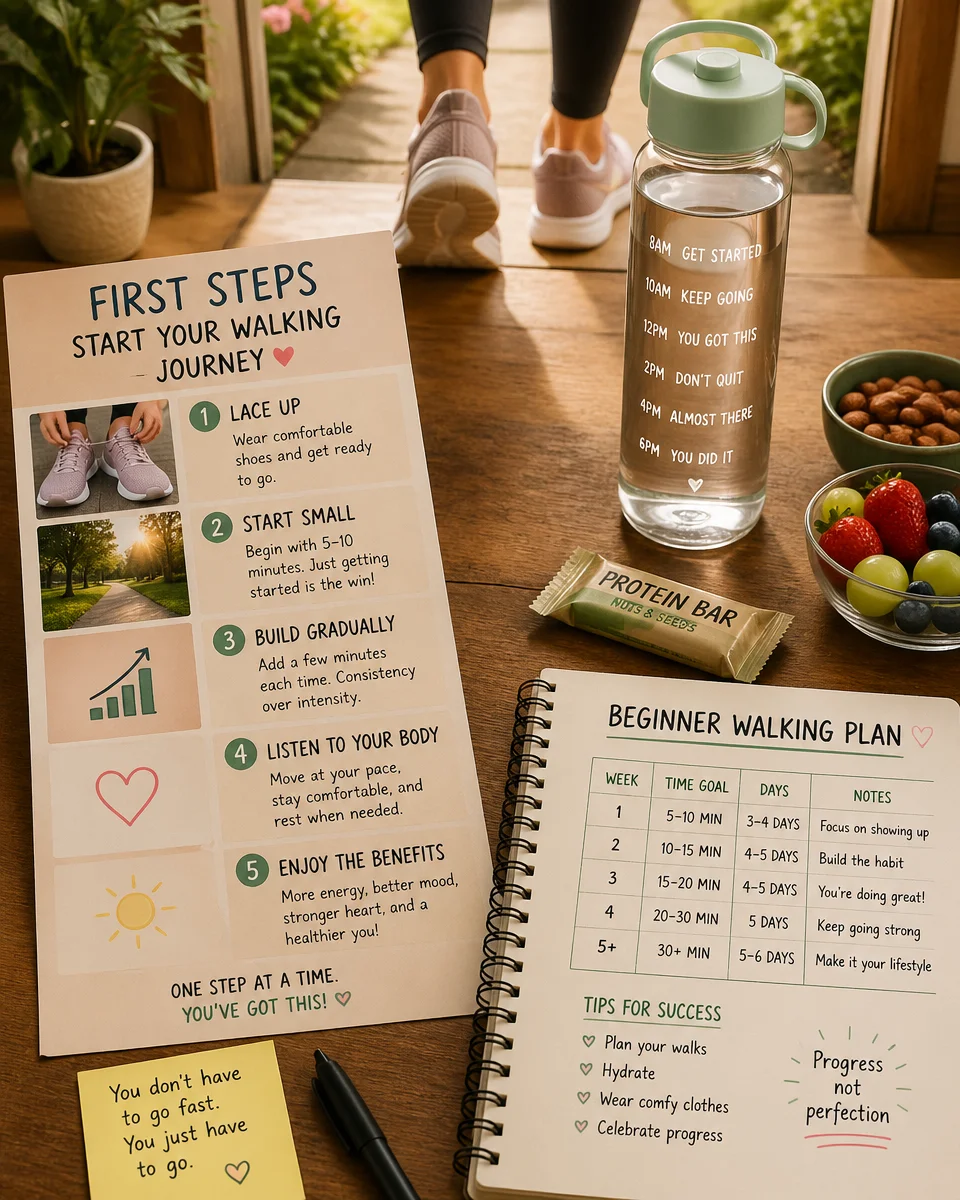
- Pick a time: right after work, lunch break, or morning (I do evening. Less sunscreen.)
- Start small: even five minutes is better than zero. Really.
- Level up—slowly! Add a few minutes every week.
- Track your progress (or don’t, if staring at your phone isn’t your thing).
Key tip from my own failings: Don’t go too hard, too fast, or you’ll hate day two. Comfortable shoes, bottle of water, maybe a call to that friend who always makes you laugh.
Additional Resources for Further Learning
Hungry for more tips? Jot these down—or screenshot if your handwriting’s a horror show.
- 12 essential yoga poses for spinal health—pairing yoga and walking = chef’s kiss.
- Benefits holding legs up wall 5 minutes a day—the ultimate post-walk reset for tired legs.
- Search your town for local “walking clubs” or community groups (made a friend after ten years living here, not even kidding).
- Local parks or nature trails boost the benefits—plus, better air!
No lie, my playlist is mostly 90s jams and true crime podcasts, but hey—whatever keeps you going.
Expert Tips for Success
If you want to actually stick with this walking thing, here’s what works (from someone who’s quit and restarted way too many times):
- Mix up where you walk—step on a trail, circle the block, or the mall if it’s raining cats and dogs.
- Invite a buddy. Once a week, at least—accountability = results.
- Reward yourself with something small (I make apple coffee cake—so worth it after a long walk).
- Don’t stress about pace. Some days, you stroll. Other days, you almost jog because that cloud looks threatening.
Keep expectations real, and acknowledge—the best habit is the one you’ll actually keep.
Common Questions
How long should I walk for the best results?
Honestly, start with 10-20 minutes. More is fine, but the best walk is the one you finish.
Does time of day matter?
A bit. Morning walks wake you up; after-dinner walks can help with digestion. I say, whenever you feel most likely to stick with it.
What’s better: speed or consistency?
Consistency, hands down. A brisk walk is nice, but daily strolls win out in the long run.
Can I break my walk into shorter bursts?
Absolutely! Three 10-minute walks beat zero every time.
How fast should I walk?
Go at a pace where you can chat without gasping—unless you’re racing your neighbor’s overexcited dog.
Ready to Lace Up? Give Walking a Go!
So, that’s the scoop on Benefits Of Walking: Time-Based Health Gains—super simple, endlessly tweakable, and honestly, just the upgrade life needed (even more satisfying than perfecting 4-ingredient stick of butter rice, I promise). If you’re itching for more info, see what the experts say on Walking for good health | Better Health Channel and check out some nerdy (in a good way) science behind Nature-based outdoor activities for mental and physical health.
Trust me—just start. That first walk? It might surprise you.