
There are evenings when a big skillet of beef and pasta sounds better than anything fancy. It’s warm, filling, and familiar, especially when the pasta is tender and everything is coated in a creamy, savory sauce.
Homemade Hamburger Helper brings that classic boxed-dinner comfort to the family table. The appeal isn’t just convenience. It’s the combination of ground beef, pasta, and sauce that makes this style of dinner so easy to enjoy.
A good homemade Hamburger Helper recipe should have pasta that holds its shape, flavorful beef, and a sauce that coats everything without turning watery or pasty. When those details come together, it’s the kind of dinner people are happy to see again.
Why Make Hamburger Helper at Home?
Boxed Hamburger Helper became popular because it offered a convenient way to turn ground beef into a family meal. Homemade versions build on that familiar idea while giving home cooks more flexibility over flavor and texture.
There’s also something appealing about a skillet dinner that feels complete without needing several separate dishes. Pasta and beef provide the heart of the meal, while the sauce brings everything together.
The Appeal of a Homemade Version
Homemade Hamburger Helper can have a fresher, more personal character than a packaged meal. The flavor depends on the recipe rather than a premixed seasoning packet, which can make it easier to choose a style that suits your family.
That doesn’t automatically make every homemade version faster or healthier. The ingredients, portions, and cooking approach determine those details.
A Family-Friendly Comfort Food
Ground beef and pasta are familiar foods for many families, and their combination makes this dinner approachable. It’s especially useful on evenings when everyone wants something hearty.
The finished dish should taste savory and satisfying without relying on excessive salt or an overly heavy sauce.
How to Get a Creamy, Well-Seasoned Sauce
The sauce is what separates good homemade Hamburger Helper from a plain bowl of beef and pasta. It needs enough body to coat the noodles while remaining smooth and pleasant to eat.
Some homemade versions have a cheesy character, while others use a different savory sauce. The actual recipe card determines which style applies.
Creamy Without Being Heavy
A creamy sauce should cling to the pasta without collecting in thick, sticky clumps. It should feel rich enough to bring the dish together but not so heavy that it overwhelms the beef.
Sauces can thicken as they cool, which means leftovers may have a firmer consistency than the freshly prepared dinner.
Avoiding a Watery Sauce
A thin sauce can make the dish feel unfinished. Instead of coating the pasta, it collects at the bottom of the bowl and leaves the noodles tasting plain.
The best result has a consistent texture throughout, with the beef and pasta evenly coated.
Keeping the Seasoning Balanced
Ground beef contributes savory flavor, but the sauce should have enough character to make the dish interesting. Too much salt can overpower everything, particularly in recipes that use strongly seasoned products.
A good version tastes well rounded, allowing the beef, pasta, and sauce to remain recognizable.
Pasta Texture and One-Pot Cooking Tips
Pasta texture matters in a dish where the noodles are surrounded by sauce. Overly soft pasta can make Hamburger Helper feel mushy, while pasta that’s too firm can interrupt the creamy texture.
Many homemade Hamburger Helper recipes use a one-pot or one-skillet approach, but not every version follows the same method. The original recipe should determine whether the one-pot description is accurate.
Why Pasta Shape Matters
Short pasta shapes are common in beef-and-pasta skillet dinners because they are easy to serve and pair naturally with a thick sauce.
Different shapes have different textures and surface areas. A substitution may affect how the finished dish feels and how the sauce coats the pasta.
Avoiding Mushy Pasta
Pasta continues to absorb moisture while sitting in sauce. That can make a freshly prepared dish noticeably softer after storage.
The best texture has enough tenderness to be comforting without losing the shape and bite of the noodles.
Easy Add-Ins and Variations
Homemade Hamburger Helper can be adapted to different preferences. Some versions resemble cheeseburger macaroni, while others have a tomato-forward or more savory character.
Vegetables can add color and texture in recipes designed to include them. Different ground meats may also work, although they can change the flavor, fat content, and cooking requirements.
Cheeseburger Macaroni Variation
Homemade cheeseburger macaroni is a familiar variation of this style of dinner. It emphasizes the combination of beef, pasta, and cheese-inspired flavors.
However, the exact sauce in your recipe should determine whether the dish is accurately described as cheeseburger macaroni.
Other Ground Meat Options
Ground turkey and chicken appear in some pasta skillet recipes. Their leaner texture can produce a different result from ground beef.
Ground poultry must reach an internal temperature of at least 165°F, compared with 160°F for ground beef.
What to Serve with Hamburger Helper
Homemade Hamburger Helper is already a substantial dish, so simple sides usually work best. A crisp green salad provides freshness, while steamed vegetables add color without competing with the sauce.
Green beans, broccoli, or a tomato salad are familiar options. The best side is something that balances the richness rather than adding another heavy element.
For a casual family dinner, one vegetable side is often enough to make the meal feel complete.
Storage, Freezing, and Reheating
Refrigerate cooked Hamburger Helper promptly at 40°F or below and use within three to four days. Keep leftovers covered to preserve quality.
Pasta absorbs moisture during storage, so the sauce may thicken and the noodles may become softer. That’s normal, although the texture may be less appealing than when freshly prepared.
Freezing is possible for many beef-and-pasta dishes, but the sauce can separate and the pasta may become softer after thawing. Reheat leftovers thoroughly to 165°F.
Frequently Asked Questions About Homemade Hamburger Helper
Can You Make Hamburger Helper Without the Box?
Yes. Homemade Hamburger Helper recipes recreate the familiar combination of ground beef, pasta, and a savory sauce without relying on a boxed dinner kit. The flavor and texture depend on the particular homemade recipe.
Can You Make Homemade Hamburger Helper Ahead?
Yes, it can be prepared ahead and refrigerated safely. The pasta may absorb additional moisture, so the finished dish can become thicker and softer during storage.
Can You Freeze Homemade Hamburger Helper?
Many versions can be frozen, but pasta and creamy sauces don’t always return to their original texture after thawing. The results depend on the sauce and pasta used.
Final Thoughts
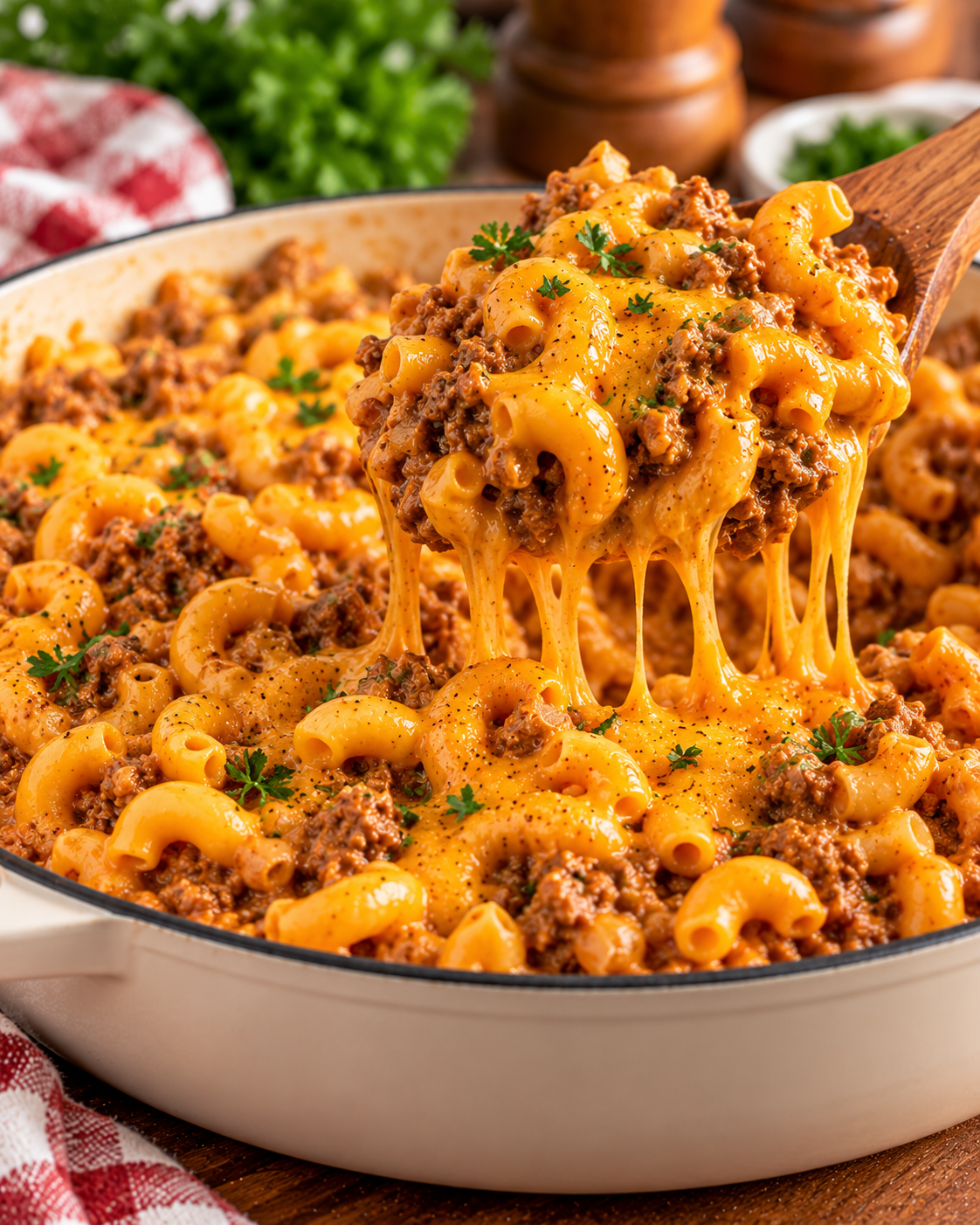
Homemade Hamburger Helper Recipe is the kind of comforting dinner that earns a place in a regular family meal rotation. Savory beef, tender pasta, and a creamy sauce create something familiar and satisfying.
The best version isn’t complicated or overly heavy. It’s simply a well-balanced skillet-style dinner that tastes good and makes an ordinary weeknight feel a little easier. The complete recipe is in the card below.
Homemade Hamburger Helper
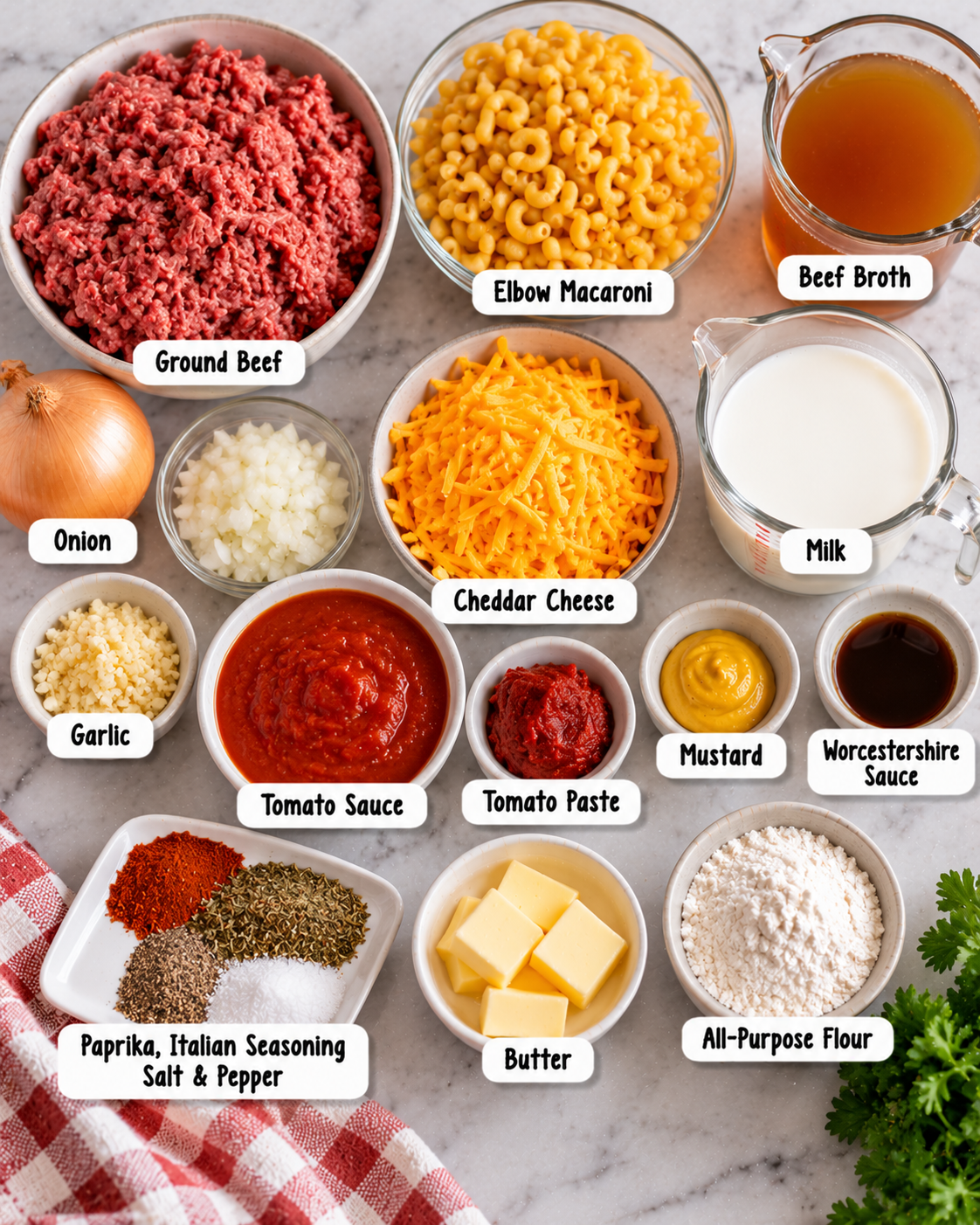
Ingredients
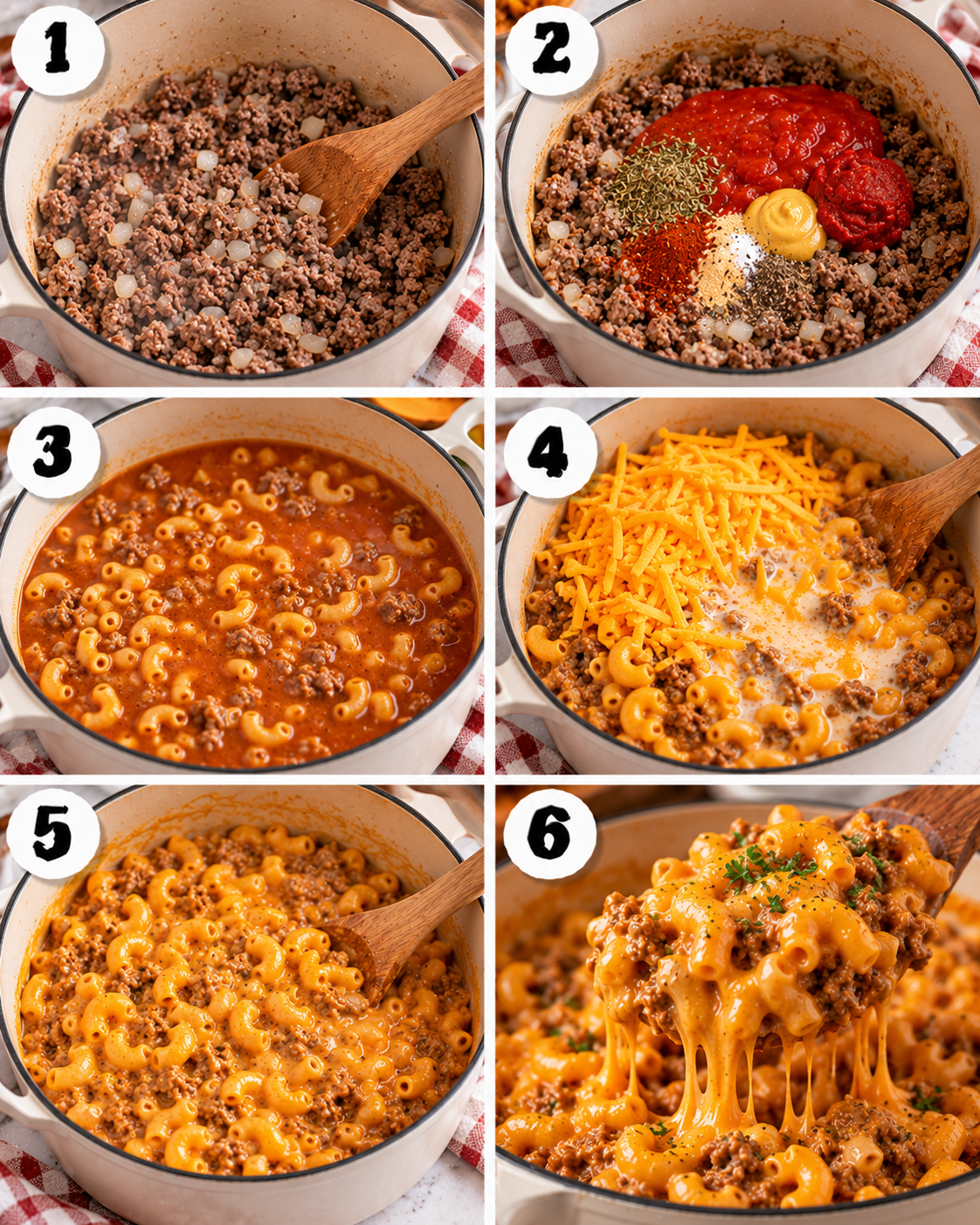
Method
- In a large skillet, brown the ground beef over medium heat until cooked through.
- Drain excess fat, if necessary.
- Add pasta, beef broth, garlic powder, onion powder, Italian herbs, and season with salt and pepper.
- Bring to a boil, then reduce heat to a simmer.
- Cover and cook for about 10-12 minutes, or until pasta is tender.
- In a small bowl, mix cornstarch with milk until smooth.
- Stir in the cornstarch mixture and simmer for an additional 3-5 minutes, or until the sauce thickens.