
Easy Pernil Puerto Rican Slow Roasted Pork is the kind of meal I make when I want the house to smell amazing and I also want leftovers I can brag about. Maybe you have a family party coming up, or maybe you are just tired of chicken again and you want something that feels special but is honestly pretty simple. Pernil looks fancy when it hits the table, but it is mostly hands off once it goes in the oven. The only real trick is planning ahead so the flavor has time to sink in. If you have ever been nervous about cooking a big pork shoulder, I promise you can do this. 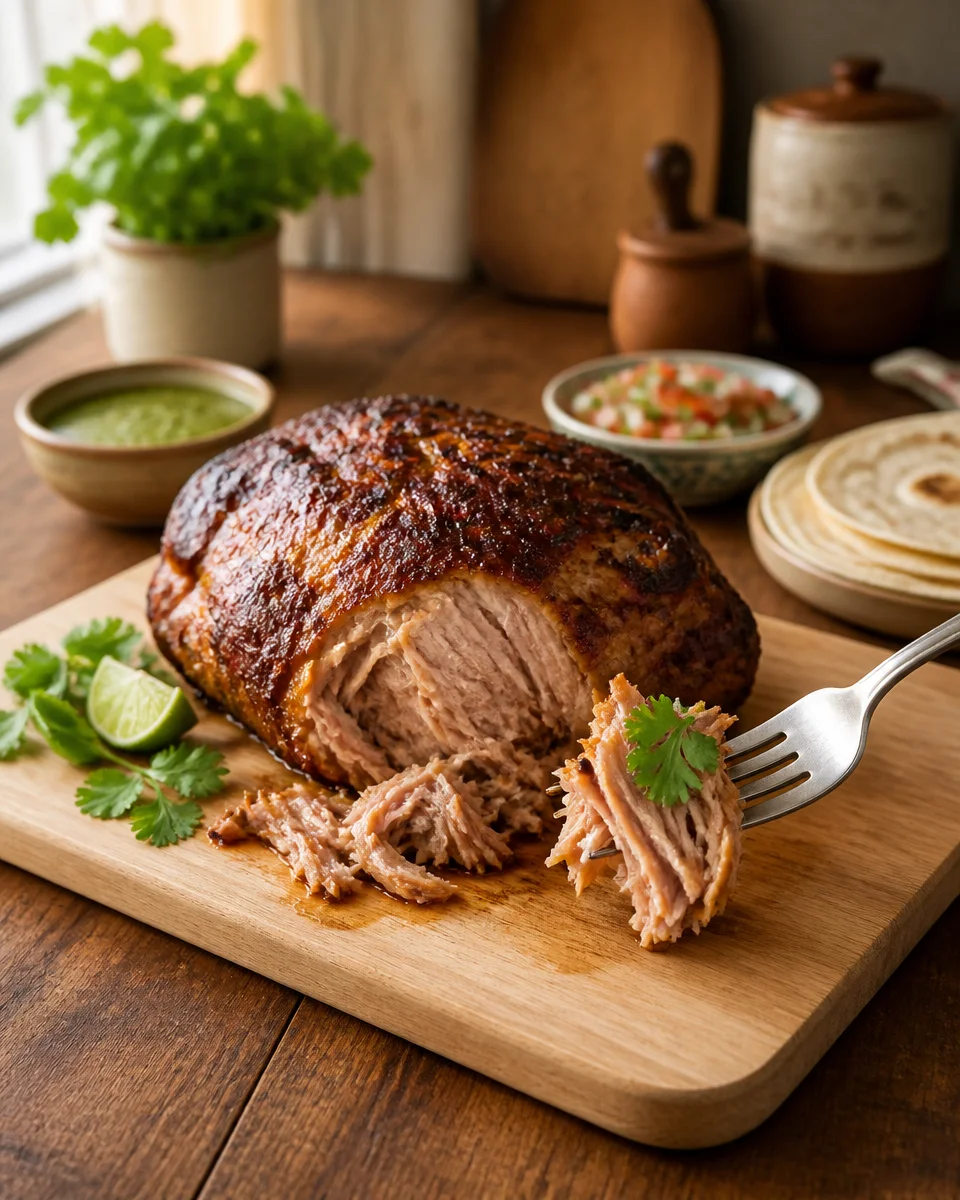
What is Pernil? Whats the difference between it and Lechon?
Pernil is a Puerto Rican style slow roasted pork shoulder. It is heavily seasoned, usually with garlic, oregano, salt, pepper, and lots of tangy flavor from citrus or vinegar. Then it is roasted low and slow until the meat is fall apart tender and the outside can get crispy.
So what about lechon? People use the word in different ways, but generally:
Pernil is a cut, usually pork shoulder, roasted with seasoning and often served sliced or pulled.
Lechon usually refers to roasted pig, often cooked whole for big gatherings, and it can also mean pork that is roasted in that festive style.
In my kitchen, pernil is the practical version you can make any weekend without needing a backyard pit or a huge crew. It still brings that party energy though. And if you are a pork fan in general, you might also like this cozy slow cooker dinner for another night: easy crockpot pork chops tender slow cooker with gravy.
How do I season pernil?
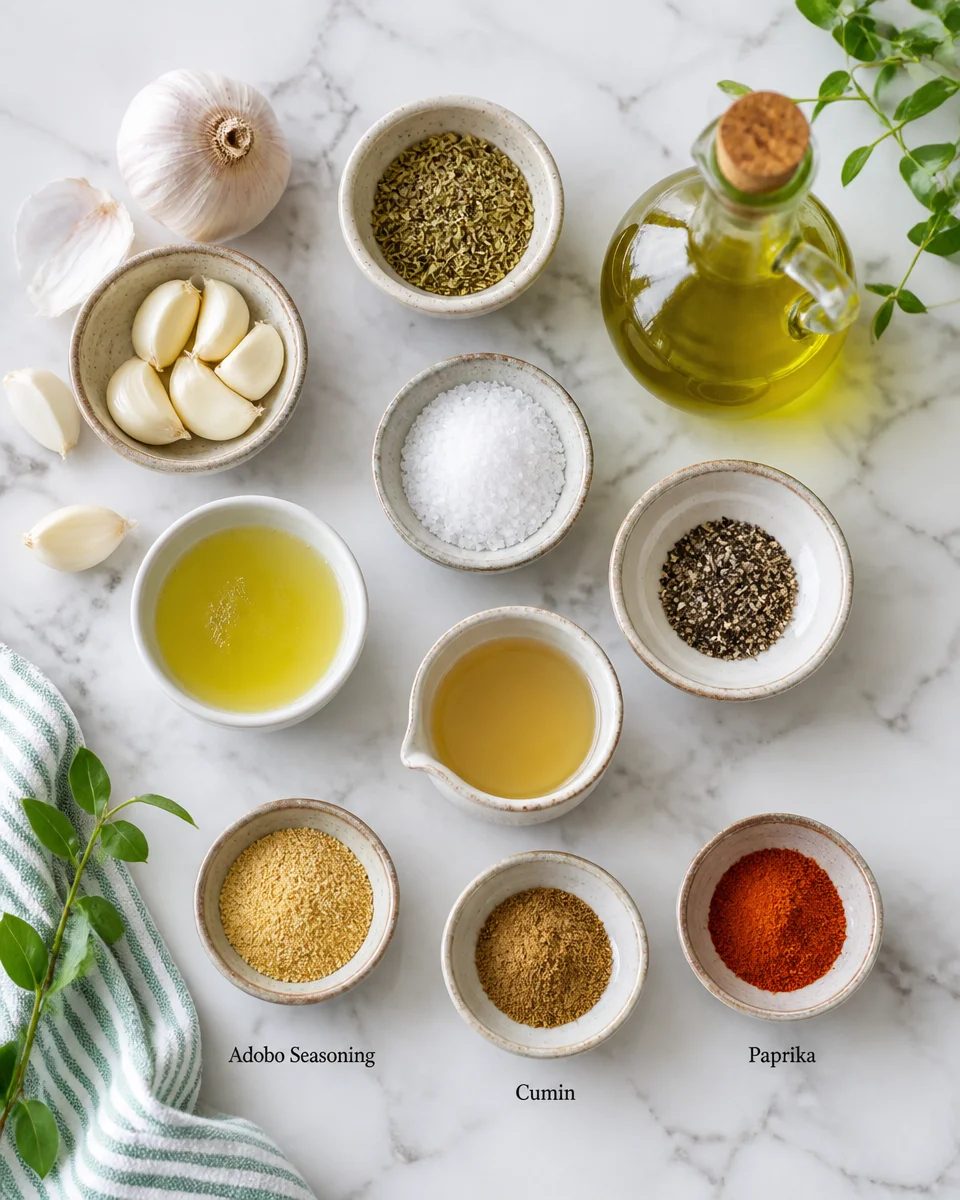
This is the part that makes pernil taste like pernil. The goal is bold, garlicky, and a little tangy, with seasoning getting down into the meat, not just sitting on top. I like to season the day before if I can. Overnight in the fridge is basically free flavor.
My go to seasoning mix
Here is what I reach for most of the time. You do not need anything fancy, and you can adjust to your taste.
- Garlic, lots of it, fresh is best
- Oregano, dried works great
- Salt and black pepper
- Olive oil
- Sour orange juice if you can find it, or a mix of orange and lime juice
- A splash of vinegar if you want extra tang
- Optional: adobo seasoning, cumin, or a pinch of paprika
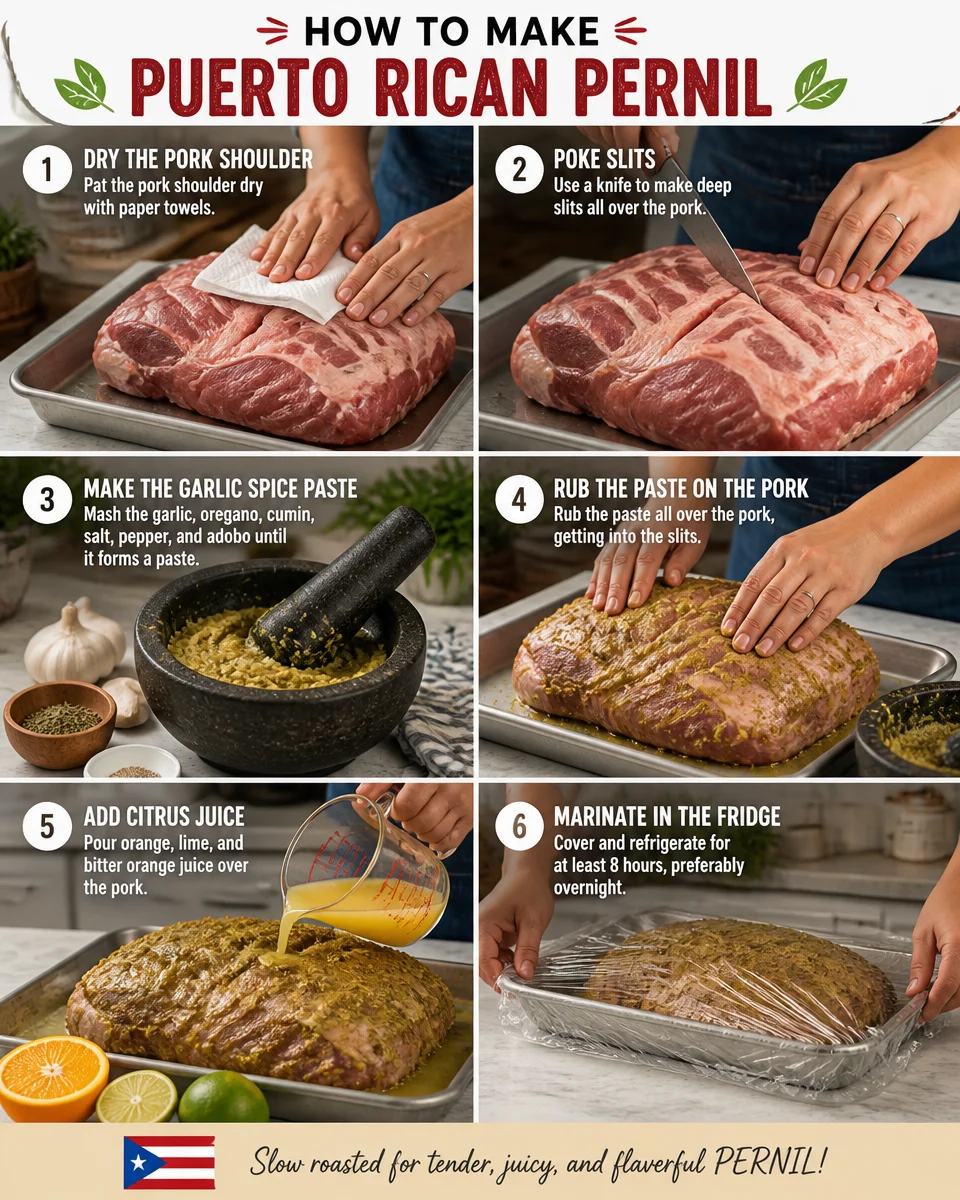
What I do: I pat the pork shoulder dry, then I poke little slits all over with a small knife. Nothing wild, just enough to tuck garlic and seasoning into the meat. Then I mash garlic with salt, oregano, pepper, and oil to make a paste. Rub it all over, and push it into those slits. Finally, I pour the citrus over the top, cover it, and let it hang out in the fridge.
One more real life tip: if your pork shoulder has skin on, keep the seasoning off the skin as much as you can. Season the meat side and underneath. That helps the skin dry out later so it can get crispy.
If you like having a fun lineup of slow cooked meals in your weekly routine, this one is great for taco night too: crockpot queso chicken easy slow cooker taco filling.
How long do I cook a pernil?
Most pernil is cooked low and slow. The timing depends on the size, but a good rule is around 30 to 35 minutes per pound at 325 F. I know that sounds like forever, but it is mostly waiting while your kitchen turns into a garlic scented dream.
Here is how I think about it in a simple way:
Small pernil (around 4 to 6 pounds): usually 3 to 4.5 hours
Medium pernil (around 7 to 9 pounds): usually 4.5 to 6.5 hours
Big pernil (10 pounds plus): it can push 7 hours or more
What I look for is tenderness. You want it to feel easy to pull apart with a fork, and the internal temperature should be in that well cooked pork range. I personally aim for about 195 F to 205 F in the thickest part if I want it shreddable. If you prefer slices that hold together more, you can pull it a little earlier.
Resting matters too. Let it rest at least 20 to 30 minutes before pulling or slicing. The juices settle down and you get better texture.
I tried your pernil timing tips for my first pork shoulder and it came out ridiculously tender. The rest time was the missing piece for me. I am making it again for my dads birthday.
Also, if you are cooking for the weekend and you want another pork option that feels a little more holiday style, this is a really good one: deliciously easy cranberry apple stuffed pork loin recipe.
How do I get a crispy skin (chicharrn) on my pernil?
This is the part people dream about. That crunchy top layer is everything. The good news is you can get it at home without deep frying anything. The not so fun news is you need dry skin and a little patience.
My simple crispy skin plan
Here is what works for me:
1. Start with skin that is as dry as possible. Pat it dry with paper towels.
2. Do not soak the skin in citrus. Keep the citrus mostly on the meat side.
3. Roast low and slow first. Cover loosely with foil for the first part if you are worried about drying the meat.
4. At the end, uncover and crank up the heat, or use the broiler carefully. I usually go up to 450 F for 15 to 25 minutes, watching closely.
5. Let it sit a few minutes after crisping. The skin gets even crispier as it cools just a bit.
If your pernil comes without skin, you can still get a beautiful crust on the outside. It will not be chicharrn, but it will still be tasty. Just roast uncovered for part of the cook and let the edges caramelize.
Also, try not to keep opening the oven door. I know it is tempting. I do it too. But heat consistency helps the skin and the roast cook evenly.
What to Serve with Pernil
Pernil is rich and savory, so I like sides that are comforting but not too heavy, plus something fresh on the table. This is also where you can make it feel like a real Puerto Rican style spread, even if you are just feeding your own household.
My favorite serving ideas
- Rice and beans, classic and perfect for soaking up juices
- Tostones or sweet plantains
- A simple salad with a citrusy dressing
- Steamed veggies or roasted peppers and onions
- Soft rolls for making little pernil sandwiches
If you are doing a party, I love having some kind of easy bread on the side so people can build plates and snack. This one is honestly almost too easy to believe: easy 2 ingredient slow cooker beer bread.
Leftovers are the best part. I chop the meat and crisp it in a skillet for quick tacos, toss it into rice bowls, or stuff it into sandwiches with a little mayo and pickled onions. If you made the pernil with crispy skin, hide a few pieces for yourself before everyone else finds them.
Common Questions
Do I have to marinate pernil overnight?
You do not have to, but it helps a lot. Even 4 to 6 hours makes a difference. Overnight is my favorite when I can plan ahead.
Should I cover pernil while it cooks?
I usually cover it for the first half or so to keep things juicy, then uncover later to help the outside brown. If you are chasing crispy skin, you will definitely uncover at the end.
What if my pernil is tender but the skin is not crispy?
Turn up the heat at the end or use the broiler, but stay close. Dry skin and high heat at the finish is the combo you need.
How do I store and reheat leftovers?
Store in an airtight container in the fridge for up to 4 days. Reheat in the oven covered with a splash of broth or pan juices. For crispy bits, reheat some in a skillet.
Can I make Easy Pernil Puerto Rican Slow Roasted Pork for a smaller group?
Yes. Buy a smaller pork shoulder and use the same seasoning method. The cook time will just be shorter. The vibe stays the same.
Bring this pork to your table soon
If you have been wanting to try Easy Pernil Puerto Rican Slow Roasted Pork, this is your sign to go for it. Season it boldly, give it time, and let the oven do the heavy lifting. The payoff is tender meat, an incredible smell in your kitchen, and that crispy top if you nail the dry skin and high heat finish. If you want to compare notes with another solid recipe, I have also looked at Pernil Recipe | Puerto Rican Pork Shoulder – The Mom 100 and it is a helpful reference for timing and general approach. Make it once, and you will start inventing reasons to cook it again. 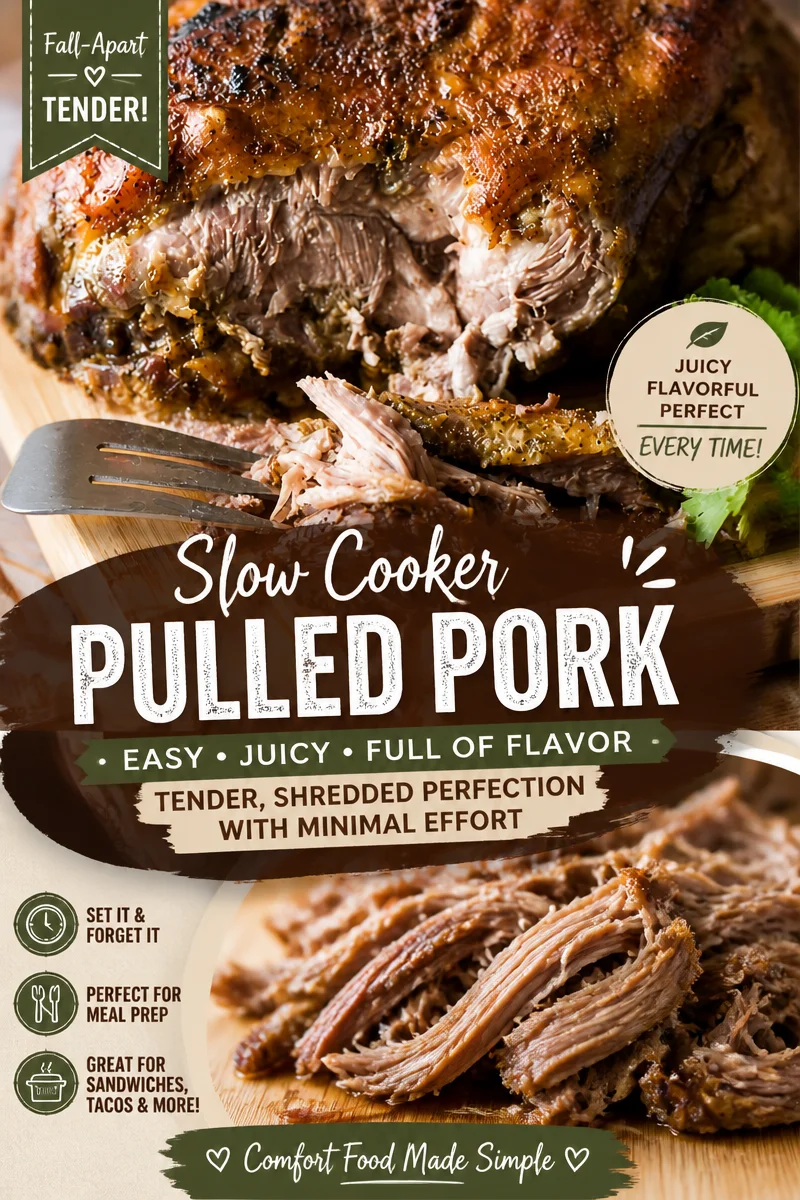
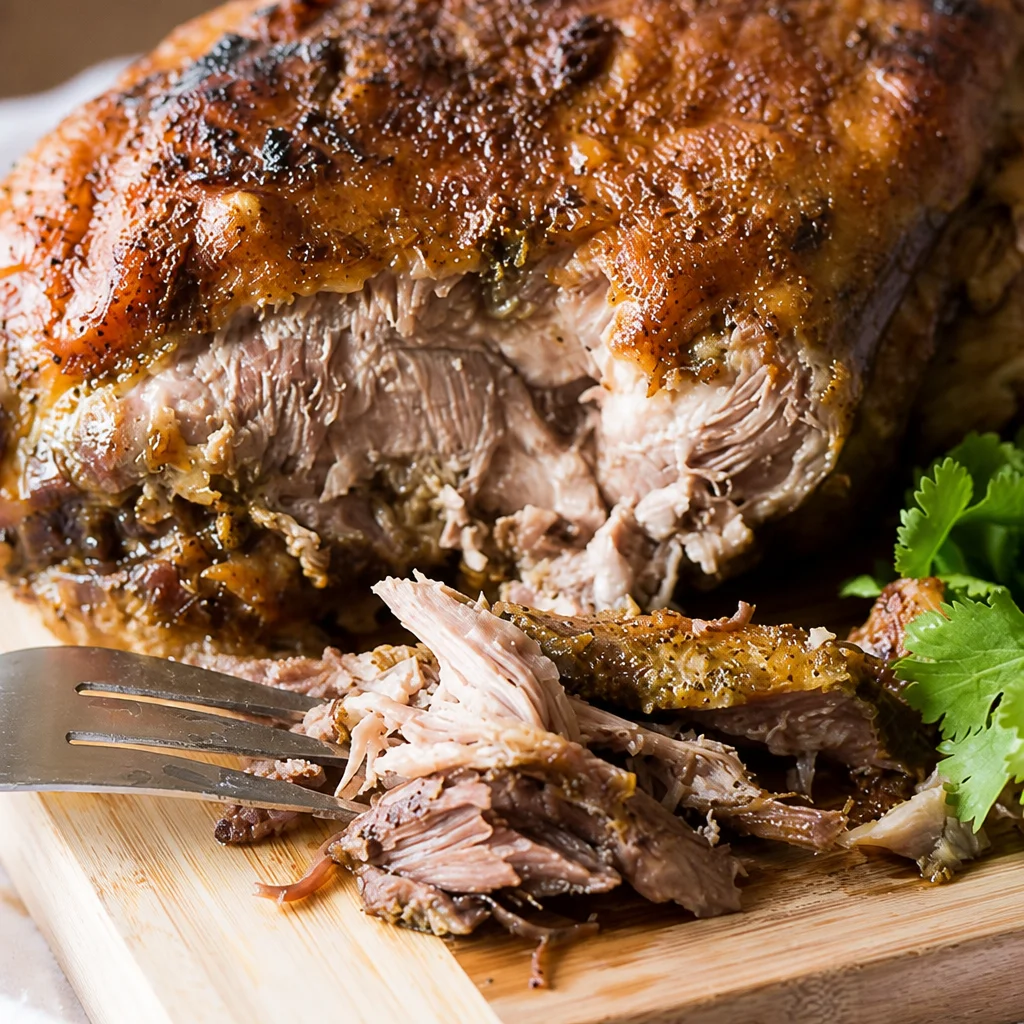
Easy Pernil
Ingredients
Method
- Pat the pork shoulder dry, then poke slits all over with a small knife.
- Mash garlic with salt, oregano, pepper, and oil to make a paste.
- Rub the paste all over the pork, pushing it into the slits.
- Pour citrus juice over the top, cover, and refrigerate overnight.
- If the pork has skin, keep seasoning off the skin to allow it to dry.
- Preheat the oven to 325°F (163°C).
- Roast the pork shoulder low and slow for 30 to 35 minutes per pound.
- For small pernil (4-6 lbs): cook for 3 to 4.5 hours; Medium (7-9 lbs): 4.5 to 6.5 hours; Big (10 lbs+): up to 7 hours or more.
- Aim for an internal temperature of 195°F to 205°F for shreddable meat.
- Let the pork rest for 20 to 30 minutes before pulling or slicing.
- Pat skin dry with paper towels before roasting.
- Avoid soaking the skin in citrus.
- Cover loosely with foil for the first part of roasting.
- Uncover and increase heat to 450°F (232°C) for the last 15 to 25 minutes to crisp the skin.
- Let sit a few minutes after crisping before serving.