
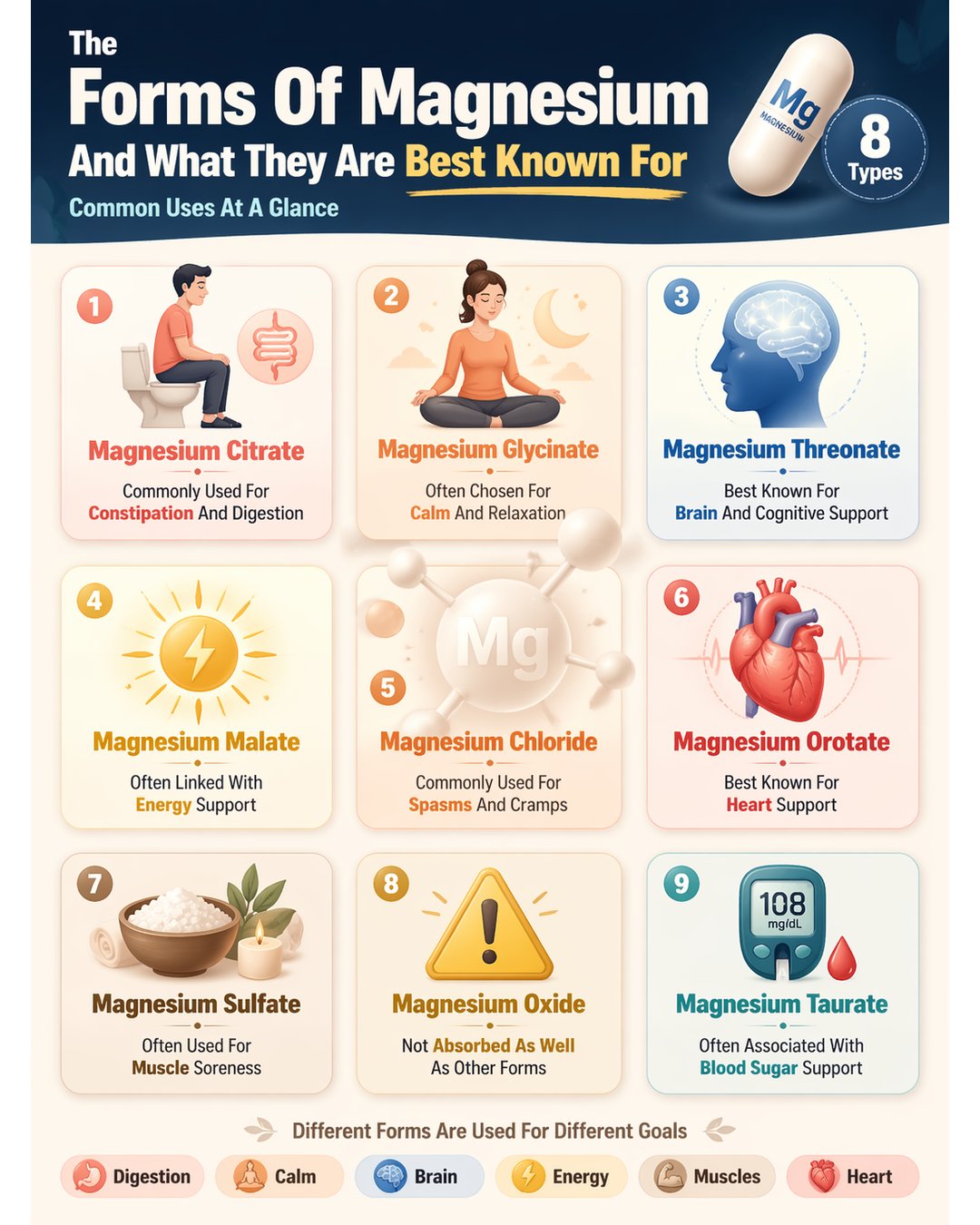
Ever find yourself clueless in the supplements aisle, squinting at labels thinking, “The Forms Of Magnesium And What They Are Best Known For—why are there so many kinds?” Trust me, you’re not the only one. If you’ve ever experienced afternoon energy slumps or those annoying muscle cramps, I get it. I’ve been so confused by all the choices that sorting them made my brain feel like tangled spaghetti. I mean, figuring out magnesium reminded me of mastering the perfect chicken at home…a little overwhelming at first but totally worth it (speaking of, if you haven’t peeked at these grilled chicken secrets or maybe tested a good salt and pepper tofu, you’re missing out!). Anyway, let’s break down the big, confusing pile of magnesium forms together—without that science textbook headache.

Different Types of Magnesium and Their Uses
OK, so real talk. Magnesium comes in way more forms than I ever expected—each sounds fancy, but really? Just for different needs:
- Magnesium citrate: Easy to find. Best for folks needing help, uh, keeping things moving (yep, talking digestion).
- Magnesium glycinate: My go-to when sleep plays hard to get. Calming and gentle on the belly.
- Magnesium oxide: Super common (usually the cheapest) but, honestly, not the easiest to absorb. Mostly for, well, bathroom emergencies.
- Magnesium chloride: Great all-around option for supplementing magnesium itself, and good for topical use, too.
- Magnesium malate: If your muscles are cranky after exercising or you’re just flat tired, this one’s known for that.
- Magnesium threonate: Sounds wild but becoming popular because it may help brain fog. Still not magic, but interesting.
- Bonus: Topical magnesium (like sprays): Handy for sore muscles or restless legs at night.
“I got so tired of buying random magnesium pills that didn’t seem to work. Once I swapped to magnesium glycinate for sleep, I noticed the difference after just a few nights. Total game changer!” – Lisa, reader from Atlanta

Benefits of Each Magnesium Type
Alright, let’s keep it human. Here’s what each form is famous for:
- Citrate: Constipation’s worst enemy. Gentle laxative effect.
- Glycinate: Chill-out vibes. Helps with sleep, stress, and minor anxiety.
- Oxide: Mostly for, erm, short-term relief. Good if you just want a cheap stool softener.
- Chloride: Gets magnesium into your system easily. Used in some bath soaks.
- Malate: Helps if you feel muscle fatigue or that stiff, “slept wrong” type pain.
- Threonate: All about the noggin—mood, memory, and maybe clearer thinking (kind of a “you have to try it” thing).
For anyone who likes to see benefits on a plate (ha!), if you’re making cozy casserole dishes or even just craving blueberry banana oatmeal, you can sneak in ingredients rich in magnesium, too.

How to Choose the Right Magnesium Supplement
This honestly stumped me for months. Here’s my not-at-all-expert-but-very-relatable advice:
- Think about what you want. Sleep help? Try glycinate. Bathroom woes? Citrate. Mental focus? Threonate might be fun to test.
- Sensitive stomach? Glycinate and chloride tend to be gentle.
- If you’re price shopping—remember oxide is cheap but not very effective for most stuff.
- Check other ingredients. Skip ones with tons of weird fillers (like those long chemical words nobody can say).
“My doc told me to avoid oxide, but I picked it anyway ‘cause it was on sale. Oops. Didn’t do squat for my muscle cramps! Lesson learned: spend a little more for the right form.” – Marco, loyal reader
Recommended Dosages for Magnesium
Here’s a nugget straight up—don’t just shotgun a random amount. More isn’t always best.
- For most healthy adults, 300-400mg per day is a solid start.
- If it’s your first go, ease into it. Take it with food to dodge belly grumbles.
- Double check your multivitamin… Sometimes you’re already getting big doses without even noticing.
- Kids, folks on medication, or anyone with a health condition? Ask a doc or pharmacist. No shame.
Potential Side Effects and Considerations
You’ll want to avoid surprises, right? Here’s the less-fun—but super important—bit:
- Go slow; too much magnesium, especially citrate or oxide, can send you running (need I say more?).
- Bloating, loose stools, or weird tummy feelings can pop up if you overdo it.
- Some meds (antibiotics, certain heart drugs, etc.) don’t love mixing with magnesium. Ask your doc.
- Really, the safest bet is to start small and pay attention to how your body reacts.
Common Questions
Can you get enough magnesium by eating real food?
Yes! Stuff like nuts, leafy greens, beans, and even dark chocolate has magnesium. But—sometimes diet alone doesn’t cut it.
How do you know if you’re low on magnesium?
Easy signs: muscle twitches, low energy, trouble sleeping, or even sugar cravings. But get your levels checked to be sure.
Is it better to take magnesium in the morning or at night?
Depends on the form—you might want glycinate at night for sleep; others can go any time. Listen to your body.
What’s the easiest form for most people to absorb?
Glycinate and citrate are usually tops for absorption. Oxide—not so much.
Is there anyone who should avoid magnesium supplements?
If you have kidney issues or are on certain meds, talk to a pro first. Better safe than sorry.
Ready to Pick Your Magnesium Match?
Whew! Hope this helps clear the magnesium fog a bit. Just like finding your secret for one-pot chicken dinners, knowing which type of magnesium suits your needs can make your life easier—no more guessing! If curiosity strikes, check out expert posts like Types of Magnesium and Their Benefits – Healthline or the Mayo Clinic’s run-down of magnesium forms. So don’t stress if you still don’t know your citrate from your glycinate—you’ll get the hang of it soon. And hey, you’ll probably sleep, think, and digest a bit better too.