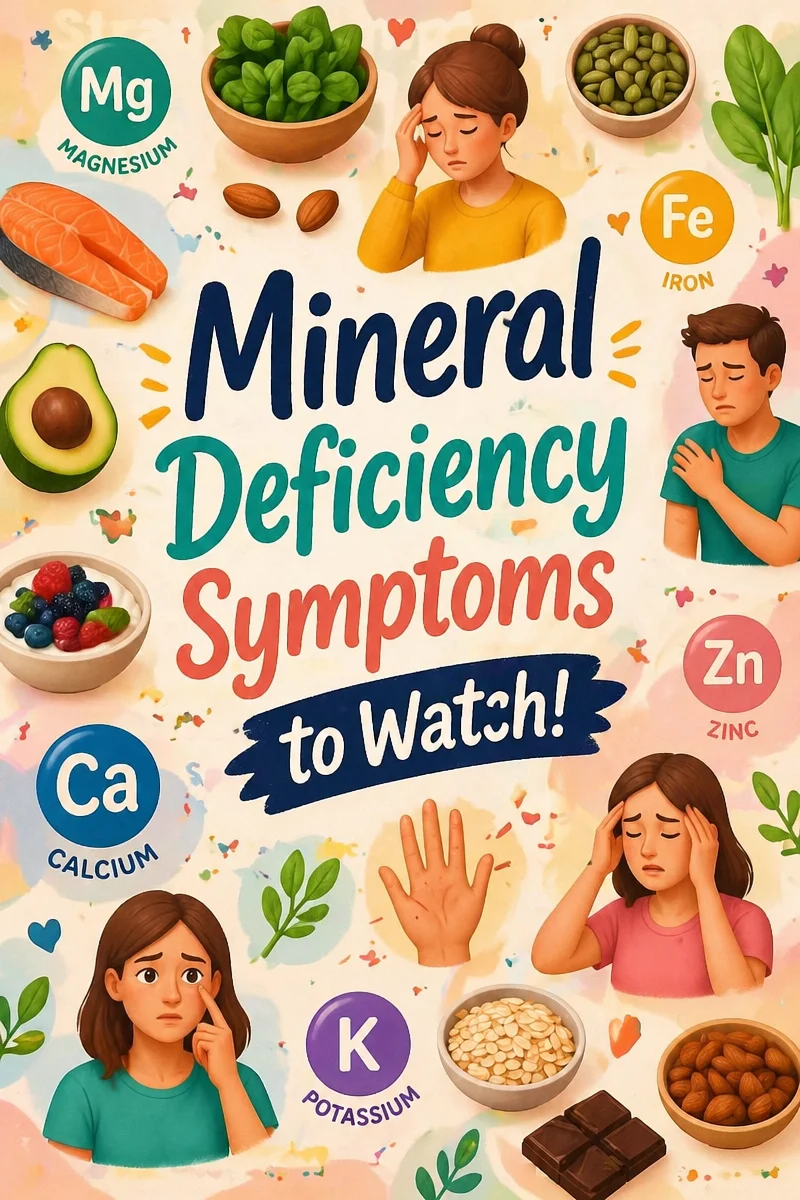
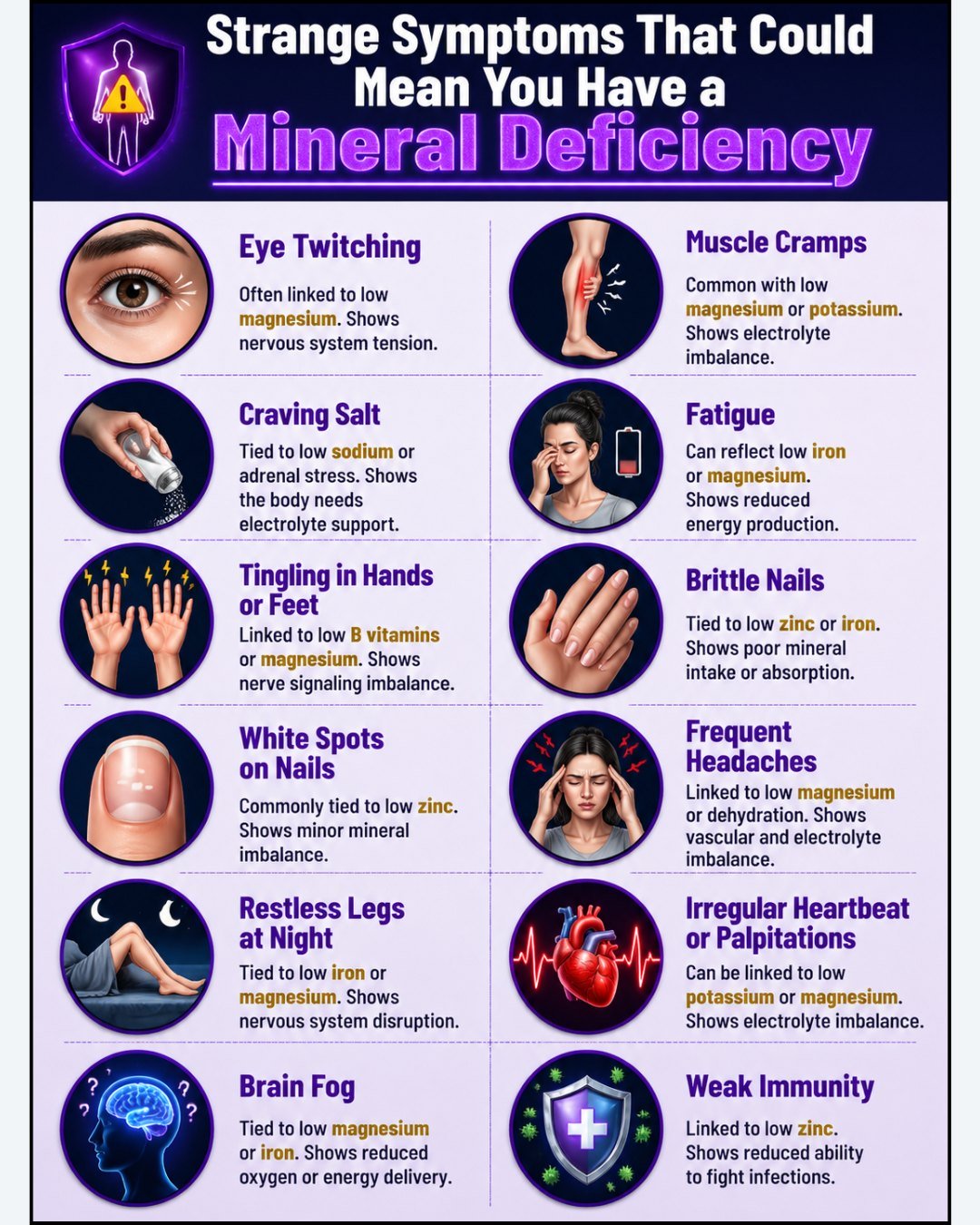
Ever had those strange symptoms that could point to a mineral deficiency? Like, one minute you’re just standing there, minding your business, and then—bam! Your leg cramps up outta nowhere. Or your eyelid starts twitching like it’s sending Morse code. It’s honestly annoying, right? I used to just brush it off (blame it on too much screen time, maybe bad sleep), but turns out—sometimes our bodies are smart little weirdos trying to tell us, “Hey! You’re missing something!” Trust me, I went through this rabbit hole after reading this helpful guide on symptoms of vitamin and mineral gaps and it honestly opened my eyes. If you’re curious about more sneaky body clues (like the stuff your feet are telling you?!), check out these surprising foot symptoms that reveal your health too. 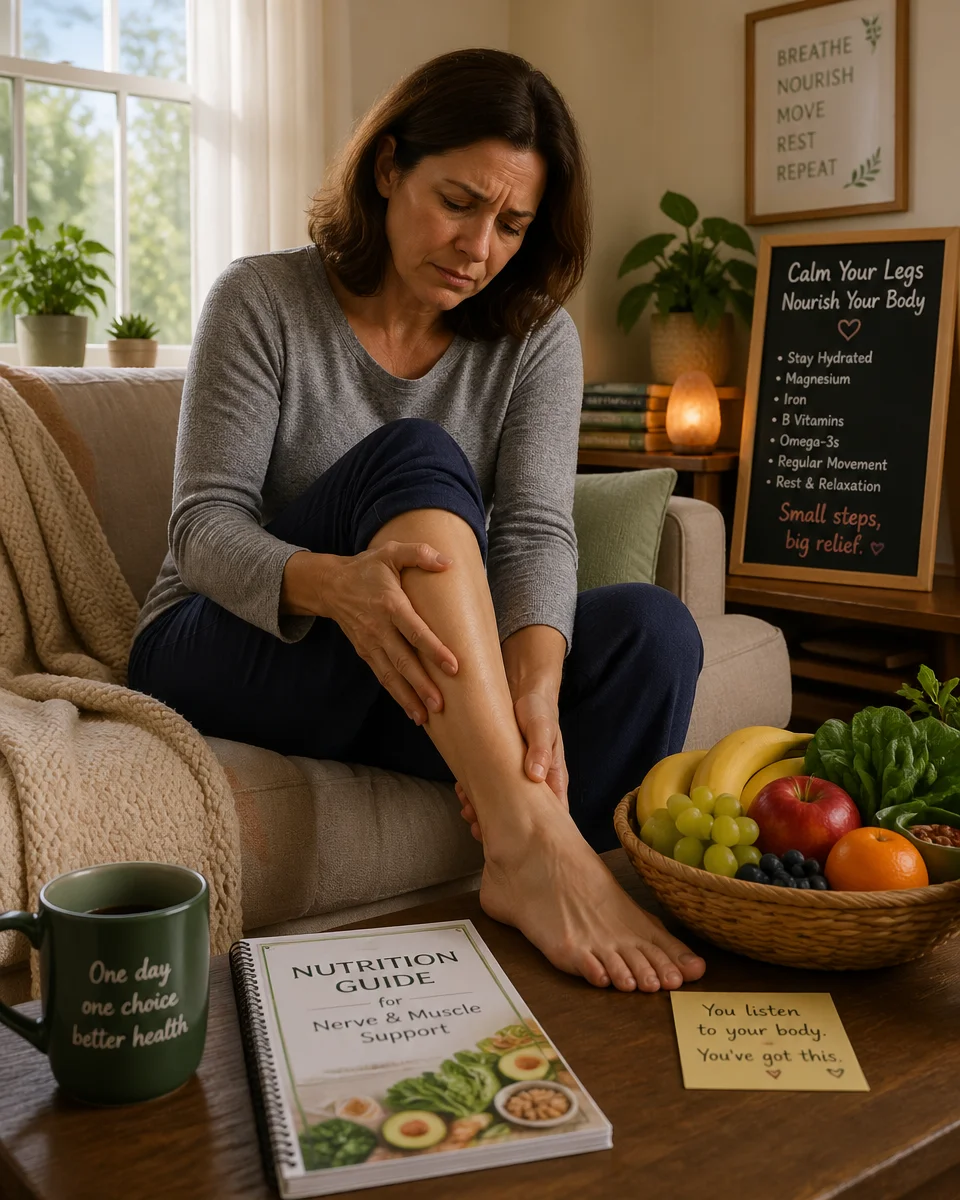
Overview of Dysesthesia
- Dysesthesia is a wild word, but it simply means your body feels “off”—think tingling, burning, weird sensations on your skin, oh my!
- It can show up as numbness, sudden stabbing pains, or fuzzy feelings that make you want to scratch your arm off (I mean, don’t, but it’s like that).
- Sometimes you might chalk it up to sitting funny or sleeping wrong—but if it keeps happening, hmm, maybe not so “normal.”
“Out of nowhere, my hands just…buzzed. It felt SO strange and wouldn’t go away for hours. Turned out I just needed a better balance of minerals in my diet. Who knew a banana or handful of nuts could help so much?!” — Lori K.
Possible Causes of Dysesthesia
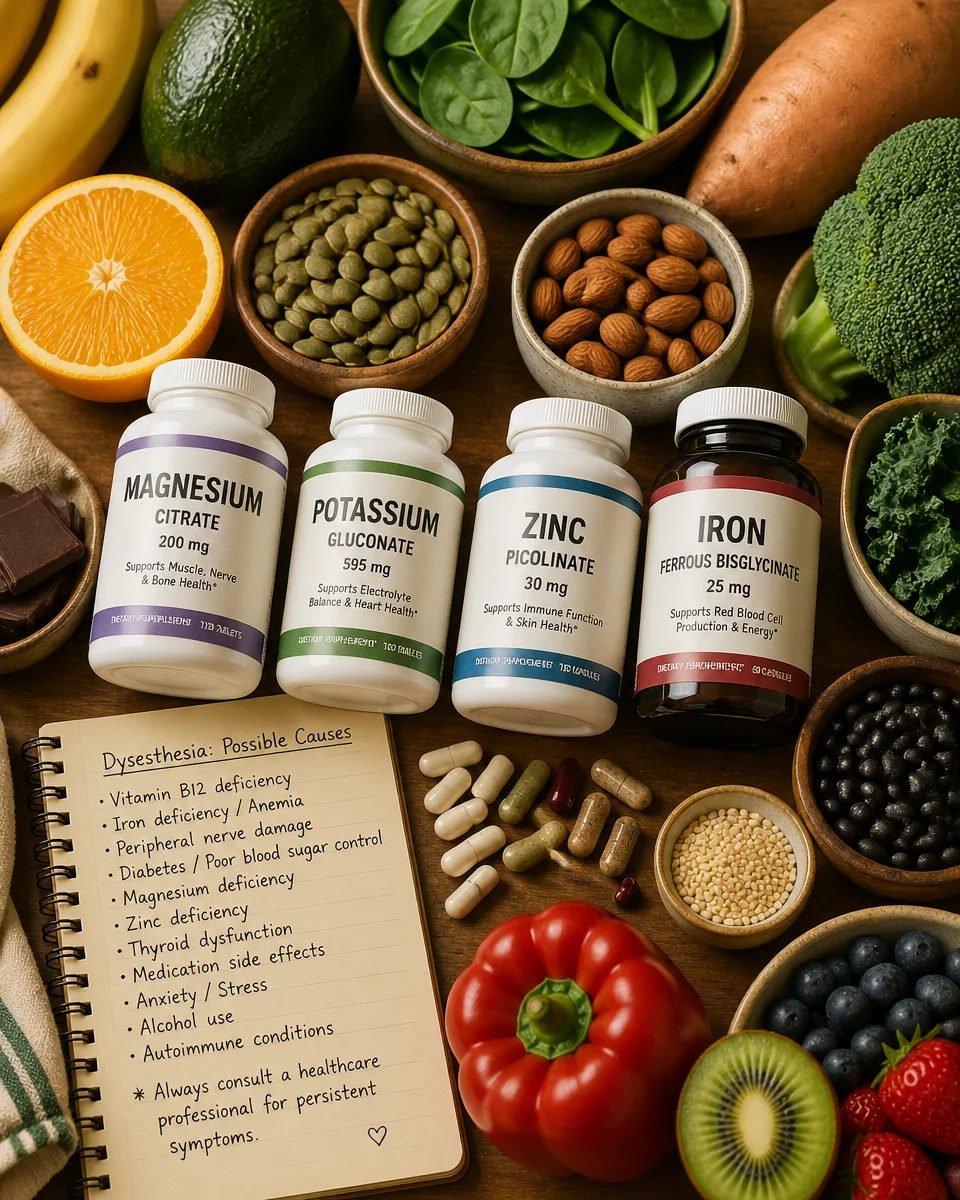
- Mineral deficiencies are sneaky. Magnesium and calcium are big ones when it comes to nerve stuff.
- Sometimes issues like dehydration (yep, not drinking enough water), medications, or even too much junk food can throw things off.
- OH—don’t skip water! Seriously, check out these 7 best times to drink water to boost health (I was terrible at this and learned the hard way).
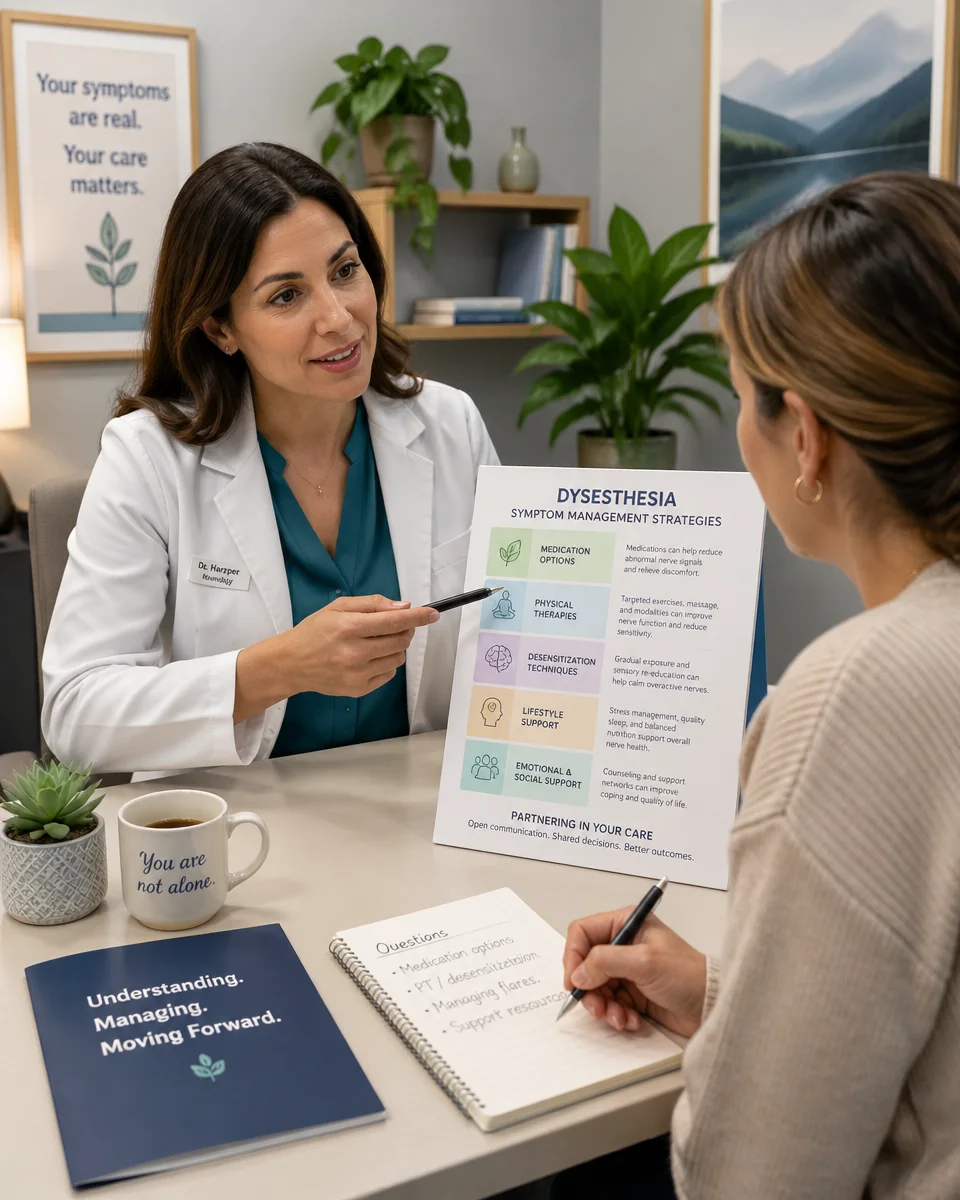
Treatments and Management Strategies
- Number one: Eat real food (no lecture, I promise)—leafy greens, nuts, dairy, lean meats—these help.
- If you’re short on time, quick meals packed with vitamins/minerals are your friends. Like that 30-minute creamy garlic tomato pasta—delish and secretly healthy.
- Don’t ignore your symptoms. If food and hydration aren’t cutting it, sometimes a supplement (or a chat with a doc) makes all the difference.
Signs That Require Medical Attention
- Is the weird feeling spreading? Not going away for days? Or you flat-out can’t feel a part of your body? (Scary, I know.)
- If you also feel extra tired, have trouble walking, or get dizzy, call a doctor, pronto.
- Don’t self-diagnose everything off the internet (yes, even food blogs—we’re good for recipes, not X-rays!), but trust your gut if something truly feels “off.”
Common Questions About Dysesthesia
Q: Is it dangerous?
A: Usually not, but if it gets worse quickly or is paired with other serious symptoms, see a professional.
Q: Can my cooking habits impact this?
A: Absolutely! Too much processed food? Skipping veggies? Your body’s missing out on the good stuff.
Q: Will drinking more water fix this?
A: Sometimes, yes—especially if dehydration is the culprit. But it won’t magically refill all your minerals, so eat up, too.
Q: What food should I start with?
A: Start with foods naturally high in magnesium and calcium—think spinach, almonds, yogurt, or even fortified cereals.
Q: Is dysesthesia always related to a mineral deficiency?
A: Nope! Sometimes it’s nerve damage, or meds, or another health issue. But minerals are a common, easy place to check first.
Wrapping it all up—Don’t Ignore Those Odd Body Clues
Alright, so next time you get those strange symptoms that could point to a mineral deficiency, listen up. Our bodies can be dramatic, but for good reason! Just updating your snack game (and not ignoring those off-the-beaten-path signs) can seriously change things. If you want deeper details on what dysesthesia is and why it matters, I can vouch for the solid info in this Cleveland Clinic guide. Oh, and for the nerds among us—read more about the science of micronutrients here from the NCBI Nutrition resource (it’s fascinating, actually).
Anyhow, hope you’ll keep an eye on what your body’s saying—and try out some new recipes while you’re at it. Trust me, feeling good makes cooking (and eating) ten times better!