Ever notice how, Why Your Room Still Smells Burnt And How To Remove It is a question is almost everyone has thought about? I mean, you’ve aired the place out, sprayed all the stuff, maybe even lit a candle or two, and yet—the roasted, charred funk hangs on like a stubborn guest at a party. Honestly, after nearly—let’s say—torch-wrecking a pan of sausage chasing my fancy for creamy Italian sausage and potato soup, that signature toastiness stuck for way too long. Sometimes, a little gravy mishap can do it too, just like last week with the pork chops with onion and mushroom gravy. Let’s talk about why this weird burnt smell plays hide and seek, and—more importantly—how you finally punt it out for good.
Understanding VOCs and Their Sources
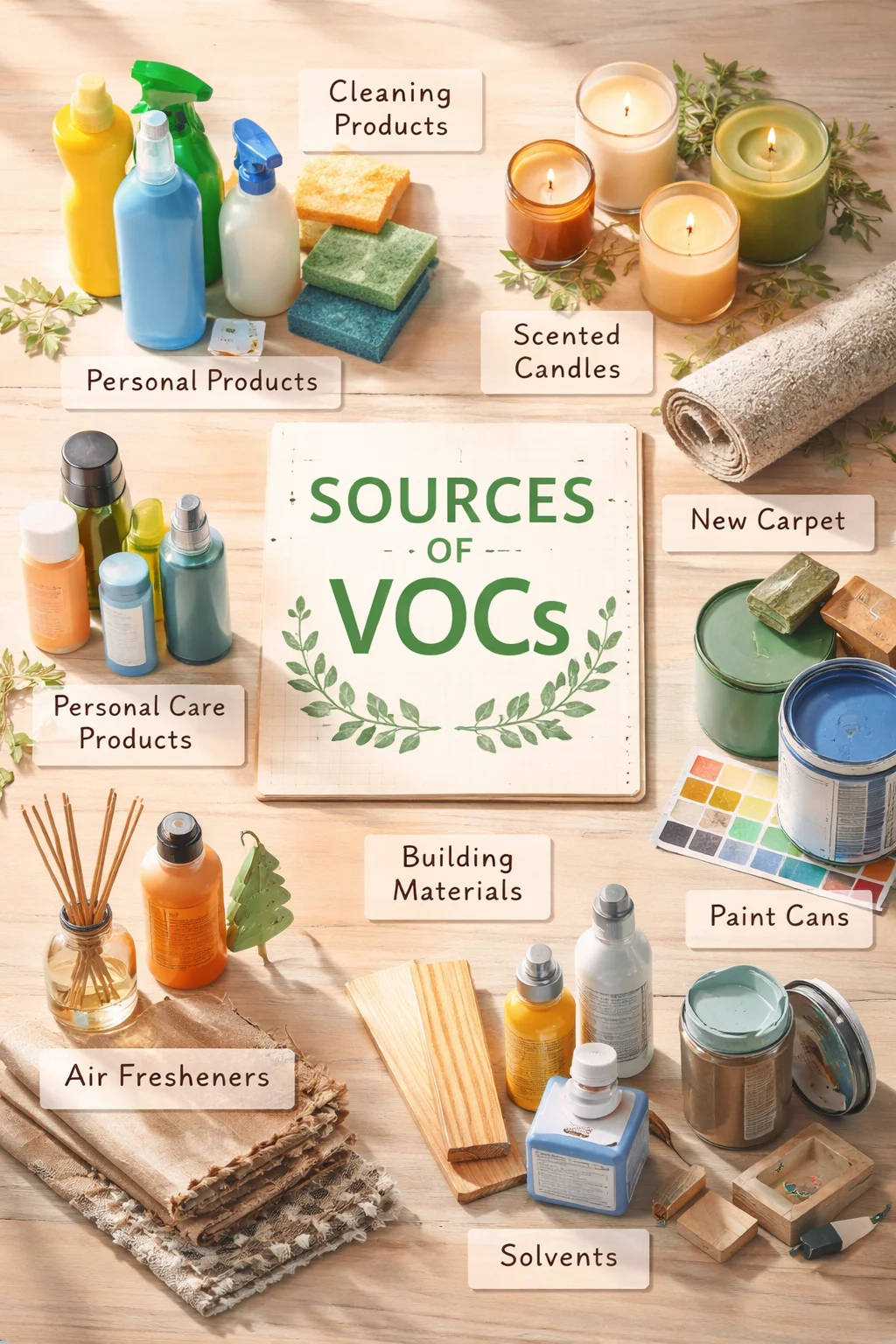
So, big culprit here? Those mysterious things called VOCs—“volatile organic compounds.” Don’t roll your eyes, I know it sounds science-y.
- VOCs are sneaky chemicals floating around after cooking, burning, or using some heavy-duty cleaners.
- Burnt food especially creates VOCs that dig deep into fabrics, walls, even your favorite hoodie (why??).
- Stuff like paint, air freshener, and cleaning sprays also add to the chaos—sometimes making things even funkier.
- Weirdly enough, you might notice it more when the weather’s warm or after you turn on the heater for the season.

I never knew my burnt toast could haunt me for days. Tried everything—until I aired the room out, scrubbed the fabrics, and opened every window I had. Total lifesaver! — Jamie, real-life burnt-toast survivor
Effective Methods to Remove VOCs from Your Home
There are honestly days when I wish I could hit “undo” on kitchen disasters, but if you’re living with burned-toast air, these actually work:
- Open the windows wide. Do it every chance you get—even if it’s chilly. Fresh air does some magic!
- Grab some bowls of baking soda or charcoal. They’re like little odor magnets—stick ’em around the worst spots.
- Wash any soft things—blankets, curtains, sheets. The smell loves to hide in those, trust me.
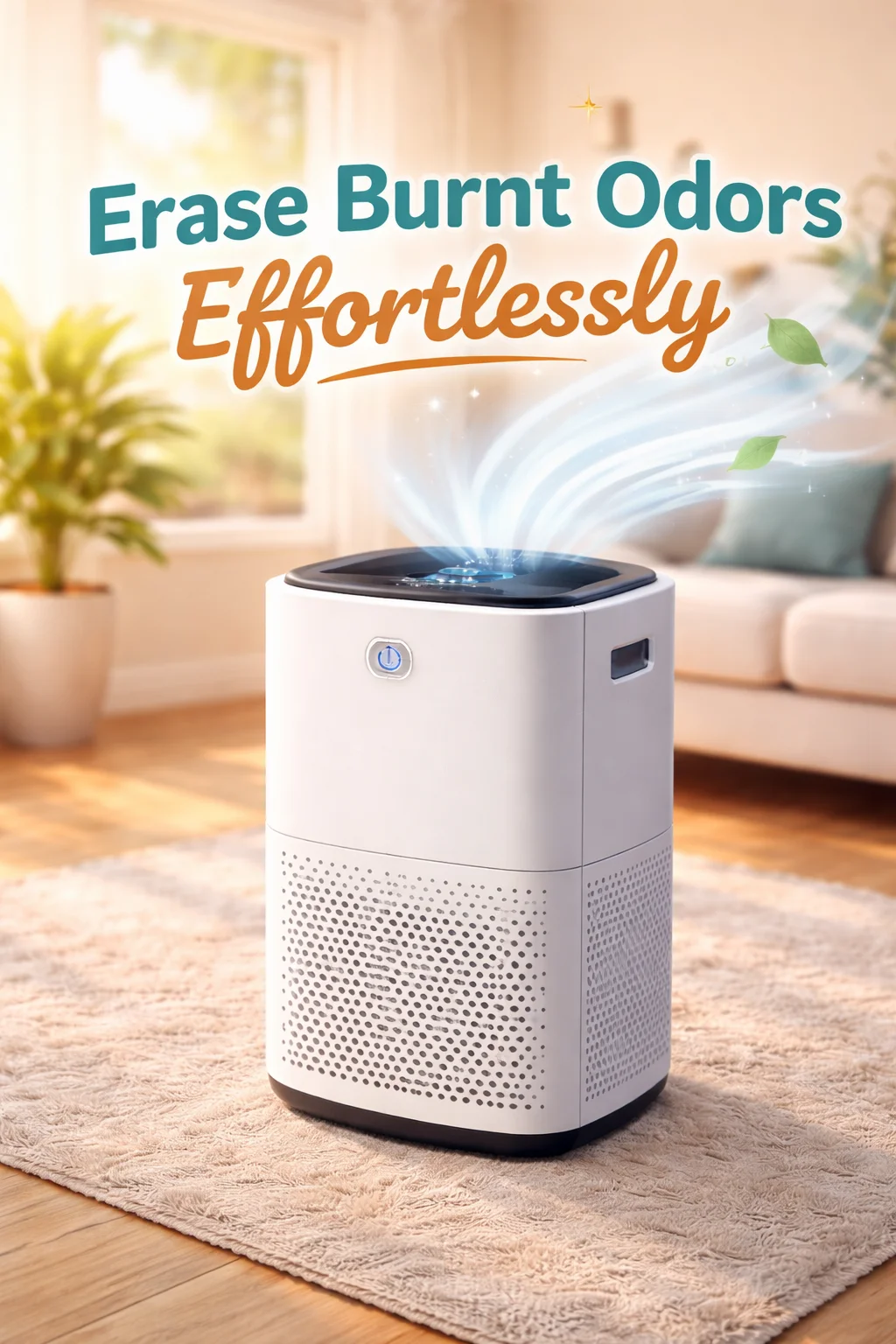
- If you’ve got an air purifier with a HEPA filter, run it for a few hours. Game changer, seriously.

Tips for Choosing Low-VOC Products
Alright, shopping for cleaning stuff or new paint? You’ll want to dodge the heavy-VOC stuff—here’s my shortlist:
- Look for “low-VOC” or “VOC-free” on any labels—helps big time.
- Good old vinegar or baking soda cleans up most messes without weird residue.
- If you want a cozy scent after cleaning, simmer some citrus peels—way better than canned sprays.
- Keep in mind: cheap, strong-smelling candles or sprays = usually more VOCs (and headaches).
Importance of Ventilation in Reducing VOC Levels
There’s a reason grandma opened the windows every morning—she was right, as usual.
- Crack a window or run the bathroom/kitchen fan, especially after cooking.
- In smaller spots, a little desk fan near the window pushes stinky air out faster.
- If you’re painting, cleaning, or accidentally overcooking (whoops), ventilate right away.
- Even 15 minutes of airflow does way more than you’d expect.
Health Effects of VOCs and Why They Matter
Here’s the part where I accidentally sound like your doctor for a sec (but it’s true):
- VOCs can make you feel groggy, give you headaches, or make your eyes itchy.
- Long-term exposure sometimes causes bigger issues—especially for little kids or anyone with asthma.
- That “just-burnt” smell isn’t just annoying, it’s probably not great for your lungs.
- Quick action = fresher air + better sleep for everyone.
Common Questions
Why does the burnt smell never go away, even after cleaning?
Ugh, right? It’s those VOCs that dig into soft stuff—fabrics, carpets, even walls. Gotta clean or air out everything (not just floors).
Can I use scented candles or air fresheners to cover it up?
Honestly? They might hide it for an hour, but then it’s back. Fresh air and deep cleaning work best.
Does temperature affect how long burnt smells hang around?
Totally. Warm or humid weather makes VOCs stronger and stickier. Crank the fan and get that air moving.
Is there a specific cleaner I should get for burnt smells?
You don’t need anything fancy—baking soda, white vinegar, or a low-VOC cleaner works great for most spots.
How do I keep the burnt smell from coming back?
Keep up the airflow. And, yeah, maybe pay closer attention to the stove next time (story of my life).
Your Room Deserves to Smell Like Home—Not a Burnt Disaster
So, if Why Your Room Still Smells Burnt And How To Remove It is still echoing in your life—good news, you’re not stuck forever. A combo of letting fresh air in, swapping to low-VOC cleaning, and scrubbing those sneaky fabrics will win the day. For a more ongoing kitchen adventure (with way fewer smells), you might love keeping dinner simple, like a creamy chicken and mushroom soup or that no-fail cheesy chicken pot pie. One last thing: if you’re kind of curious whether it’s something weirder—like a rubbery-trouble, check this thread and if you’re really battling lingering VOCs, some good advice is right over here.